Mar 23, 2026
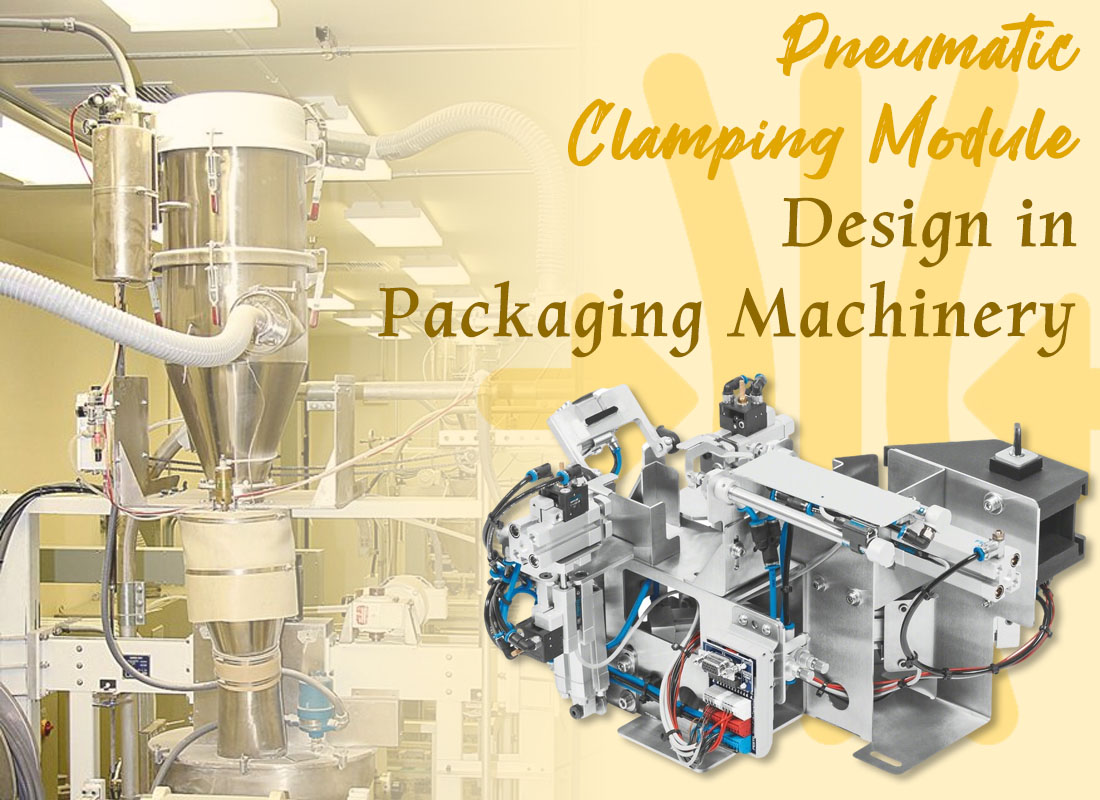
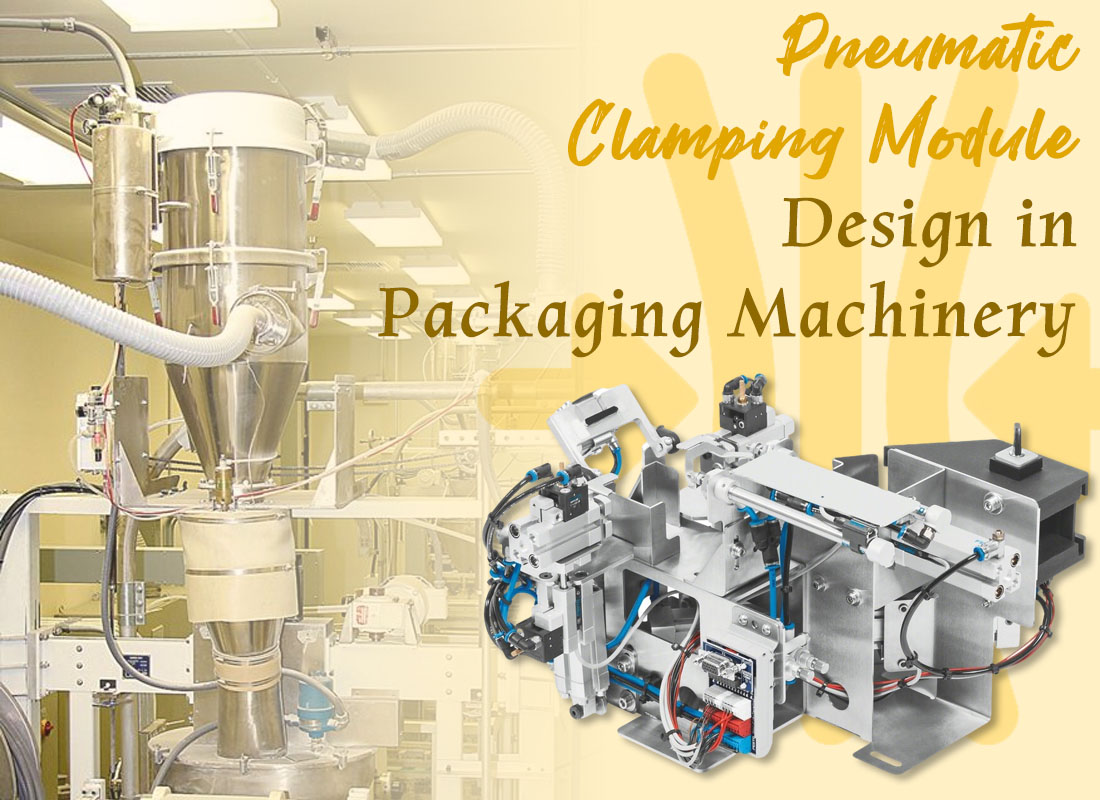
In modern pneumatic packaging machine applications, the clamping module is a critical functional unit responsible for positioning and stabilizing products during sealing, filling, or cutting processes. Whether in vertical form-fill-seal lines or carton packaging, unstable clamping directly leads to misalignment, poor sealing quality, or product damage.
Within a typical pneumatic packaging system, the clamping station must deliver consistent force and repeatable positioning, even under high-speed operation. This requirement makes the pneumatic circuit design more than just a basic actuator control—it becomes a balance between force, speed, and responsiveness.
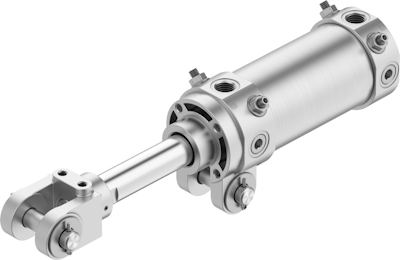
A standard clamping module in packaging machinery pneumatic systems consists of three essential components: a double-acting cylinder, a solenoid valve, and flow control (throttle) valves.
The double-acting cylinder provides bidirectional motion, allowing both clamping and releasing actions. The solenoid valve controls airflow direction, while throttle valves regulate speed during extension and retraction.
In most machine packaging pneumatic designs, a 5/2-way solenoid valve is used to control the cylinder. This configuration ensures stable switching between clamping and release states, especially in high-cycle environments.
A simplified comparison of circuit configurations is shown below (data source type: industrial automation design reference):
| Component | Function | Design Impact | Common Issue |
|---|---|---|---|
| Double-acting cylinder | Provides clamping force | Determines output force | Force fluctuation |
| Solenoid valve (5/2) | Controls air direction | Affects response speed | Delay or mis-switching |
| Throttle valve | Controls speed | Stabilizes motion | Improper adjustment causes shock |
| Air supply unit | Provides pressure | Defines force stability | Pressure variation |
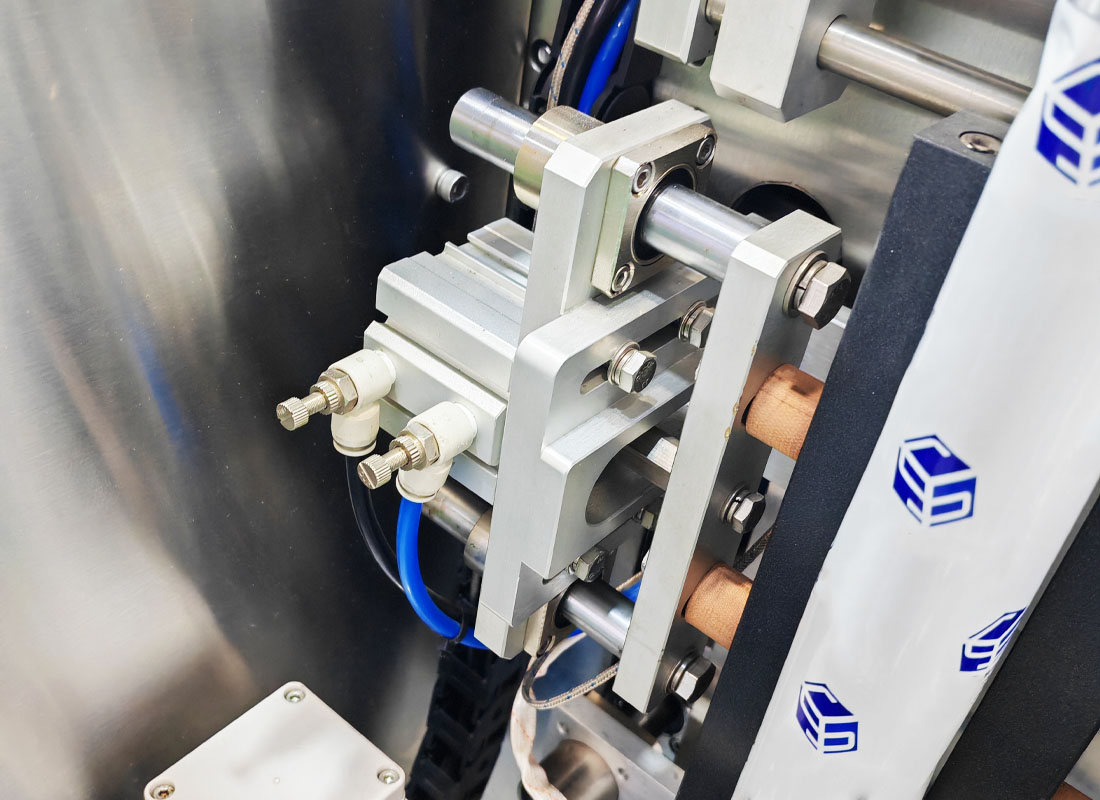
The clamping force in a pneumatic packaging system is directly related to cylinder diameter and air pressure. A double-acting cylinder ensures that both extension and retraction are actively controlled, reducing positioning errors.
The output force can be approximated by:
F = P × A, where P is air pressure and A is piston area.
In practical applications, engineers often oversize the cylinder slightly to compensate for friction and pressure loss. For example, in high-speed pneumatic packaging machinery, a 20–30% safety margin is commonly used to maintain stable clamping under varying loads.
However, excessive force can deform packaging materials, especially in flexible packaging lines. This highlights the importance of balancing force and pressure control rather than simply increasing cylinder size.
Speed control plays a crucial role in clamping stability. Without proper throttling, the cylinder may move too quickly, causing impact and vibration.
In most pneumatic packaging machine manufacturers in pune and global designs, meter-out flow control is preferred. This method restricts exhaust airflow, creating smoother motion and better control during clamping.
Improper throttle adjustment can lead to:
◆ Sudden impact at end position
◆ Inconsistent clamping force
◆ Increased mechanical wear
A well-tuned system ensures that the cylinder approaches the clamping position at a controlled speed, then applies pressure smoothly, improving both product quality and equipment lifespan.
The solenoid valve acts as the switching core of the clamping module. In pneumatic packaging systems, response time and reliability are key considerations.
Fast-response valves are essential in high-speed packaging lines, where even small delays can cause synchronization issues between modules. For example, in multi-station systems, delayed clamping may lead to misaligned sealing or incorrect product positioning.
Additionally, stable electrical control signals ensure consistent valve switching. Voltage fluctuation or coil overheating may cause intermittent operation, directly affecting clamping performance.
Ensuring stable clamping force requires a combination of proper design and system control. In advanced packaging machinery pneumatic systems, engineers often integrate pressure regulators and sensors to maintain consistent output.
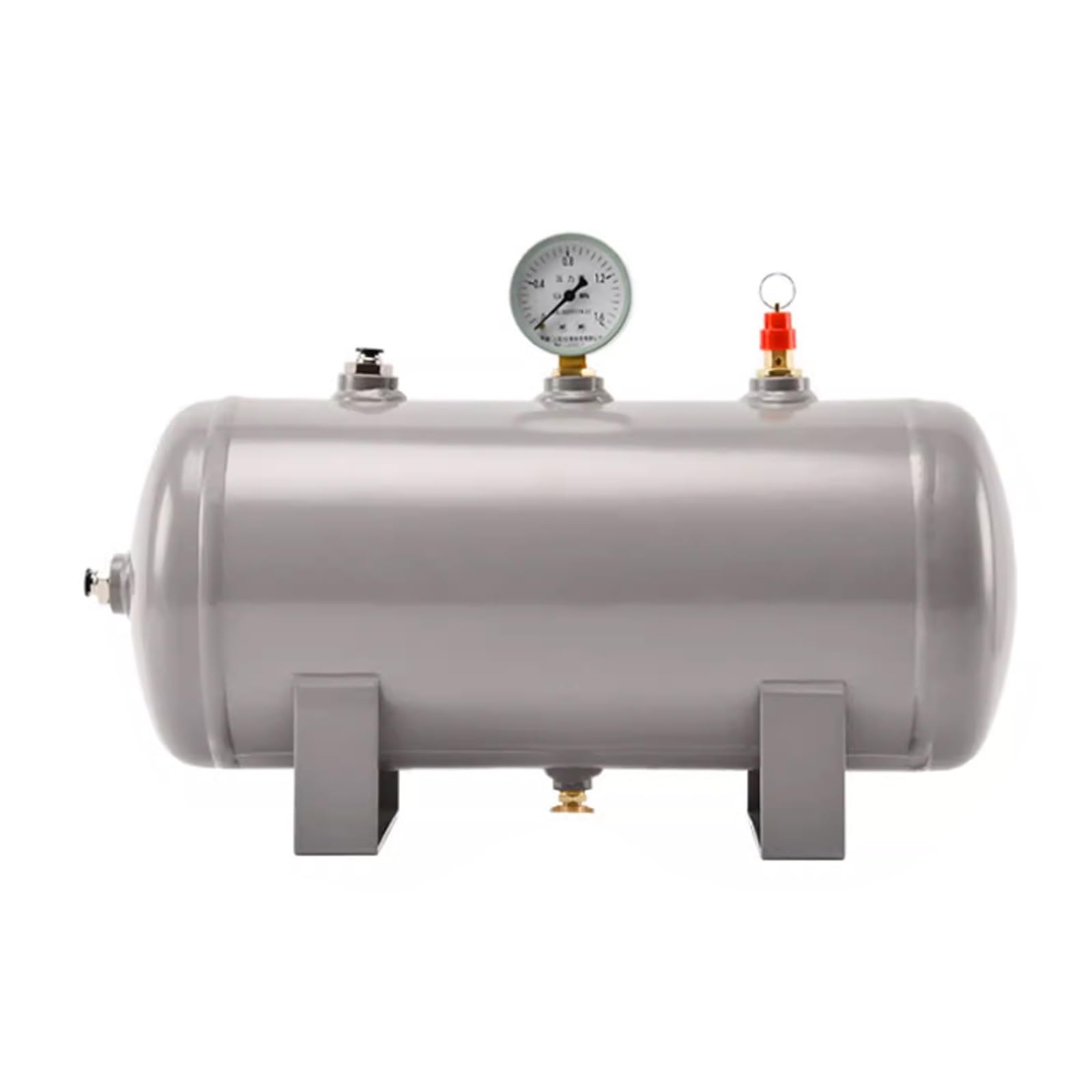
Another effective approach is using air reservoirs (buffer tanks) near the actuator to reduce pressure fluctuation during rapid cycling. This is particularly useful in high-speed lines where multiple cylinders operate simultaneously.
In some cases, adding position sensors or pressure switches allows real-time monitoring, ensuring that each clamping action meets the required force threshold.
For engineers and equipment buyers working with pneumatic packaging machine systems, the following practices help ensure reliable clamping performance:
◆ Select cylinder size based on actual load with safety margin
◆ Use meter-out throttle control for smoother motion
◆ Choose high-response solenoid valves for fast cycles
◆ Stabilize air supply with regulators or buffer tanks
◆ Regularly inspect seals, valves, and air quality
A well-designed pneumatic clamping module not only improves packaging precision but also enhances overall system efficiency and durability in long-term operation.
(FK9025)
 Pneumatic Clamping Module Design in Packaging Machinery
 Pneumatic Fittings Replacement Cycle: How Often Should You Change Pneumatic Fittings
 Pneumatic Pusher Module Design in Pneumatic Packaging Machines
 Vacuum Filter and Response Time: Does Filtration Slow Down Vacuum Systems
 Metal Seated Pneumatic Ball Valve: When Is Metal Sealing Required?

Dec 22, 2025 Cylinder Fundamentals
How to do a cylinder leakage test?
Feb 17, 2026 Cylinder Fundamentals
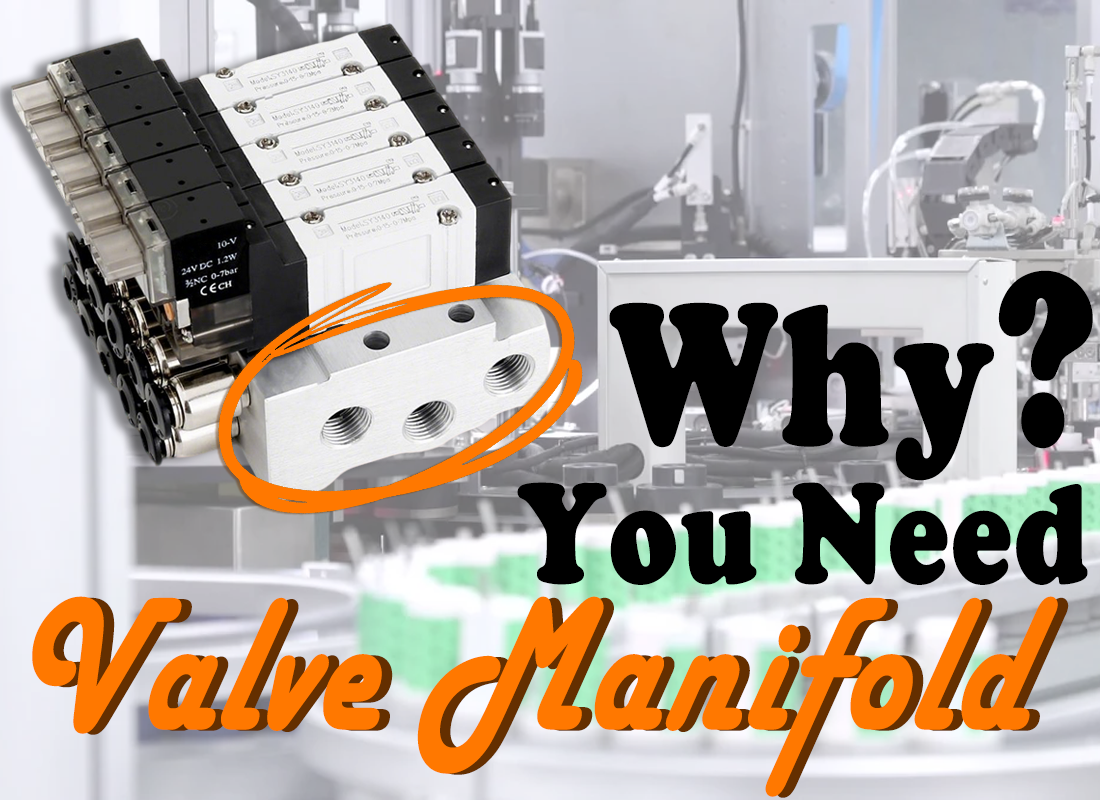
Why You Need a Valve Manifold

Whatsapp QR:

WeChat QR:

Tell us about your application requirements. Our engineers will review your project and provide practical feedback within 1–2 working days.

Fescolo is the specialized custom pneumatic cylinder brand operated by Ningbo Fokca Automation Co., Ltd.
Looking for standard pneumatic and automation components?
Visit Fokca
© 2026 Ningbo Fokca Automation Co., Ltd. All Rights Reserved. Sitemap