Feb 07, 2026
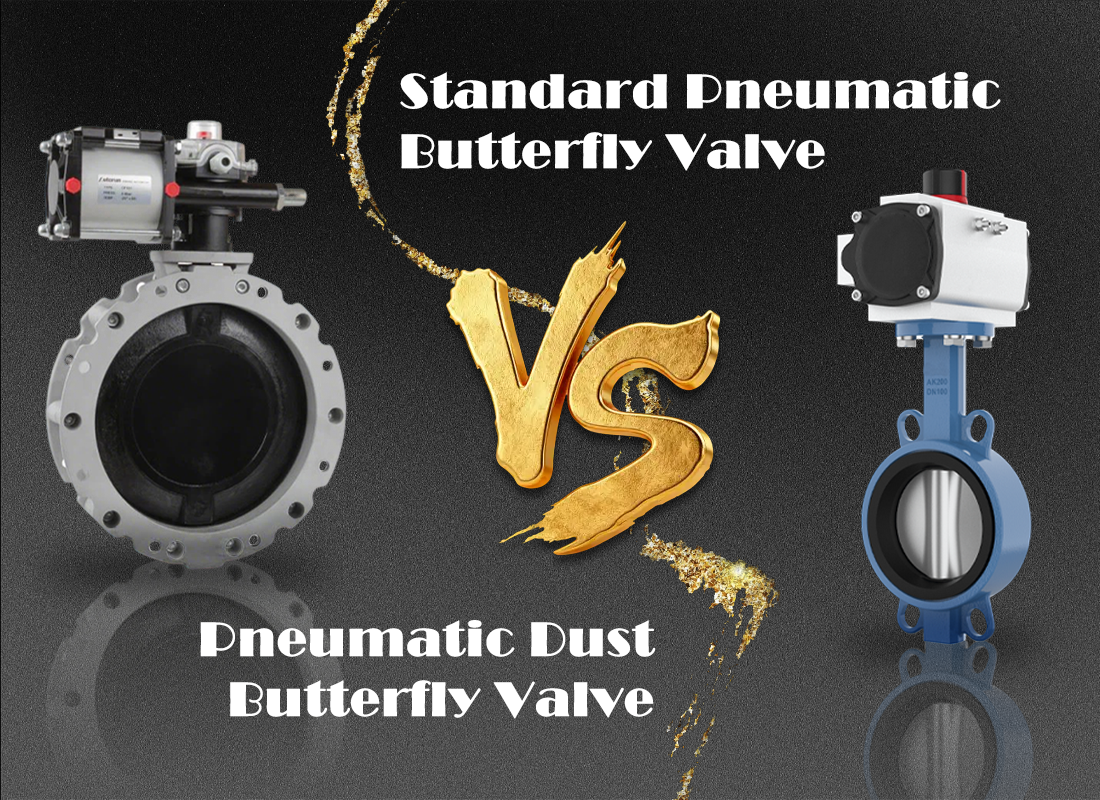
In industrial automation, the pneumatic butterfly valve is widely used for on–off and flow control. However, when the medium changes from clean fluid to powder or granules such as flour, cement, coal ash, or plastic pellets, a standard design can no longer meet the requirement. Particles may penetrate into the mechanism, causing severe wear and even blockage of the pneumatic butterfly valve actuator.
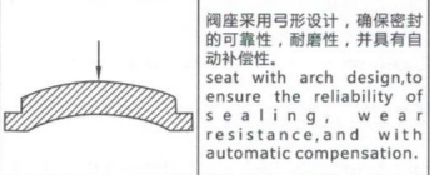
A normal pneumatic actuated butterfly valve focuses on sealing against liquid pressure, while a dust version emphasizes protection against solid particles. The most important feature is the U-type seat. This seat can provide automatic compensation after wear, maintaining tight contact and preventing leakage during long-term operation.
Dust-proof rings are added around the stem to isolate the actuator, which is essential for systems using double acting pneumatic butterfly valve or spring return pneumatic butterfly valve.
| Feature | Standard Type | Dust Type |
|---|---|---|
| Application | Water/HVAC | Powder handling |
| Sealing | PTFE/EPDM | U-type self-adjust |
| Protection | Limited | Enhanced dust barrier |
| Maintenance | Normal | Lower in dusty field |
In a conveying line, material may accumulate on the disc surface. A common wafer type pneumatic butterfly valve or lug type pneumatic butterfly valve often suffers from increasing torque requirement. Without special design, the pneumatic butterfly valve torque requirement rises quickly and the actuator may stall.
Dust butterfly valves are therefore preferred in cement plants, food processing, and plastic industries, where reliability is more important than precise.
◆ Choose models compatible with ISO5211 pneumatic butterfly valve mounting
◆ Ensure higher torque margin than liquid service
◆ Consider seat material rather than only PTFE/EPDM
◆ Add regular cleaning to reduce particle build-up
For automation projects, selecting the best pneumatic butterfly valve for automation depends on medium characteristics, not only pipe size such as 4 inch pneumatic butterfly valve. Proper design greatly reduces maintenance and improves safety.
(FK9025)
 Pneumatic Clamping Module Design in Packaging Machinery
 Pneumatic Fittings Replacement Cycle: How Often Should You Change Pneumatic Fittings
 Pneumatic Pusher Module Design in Pneumatic Packaging Machines
 Vacuum Filter and Response Time: Does Filtration Slow Down Vacuum Systems
 Metal Seated Pneumatic Ball Valve: When Is Metal Sealing Required?


Dec 05, 2024 Case Studies
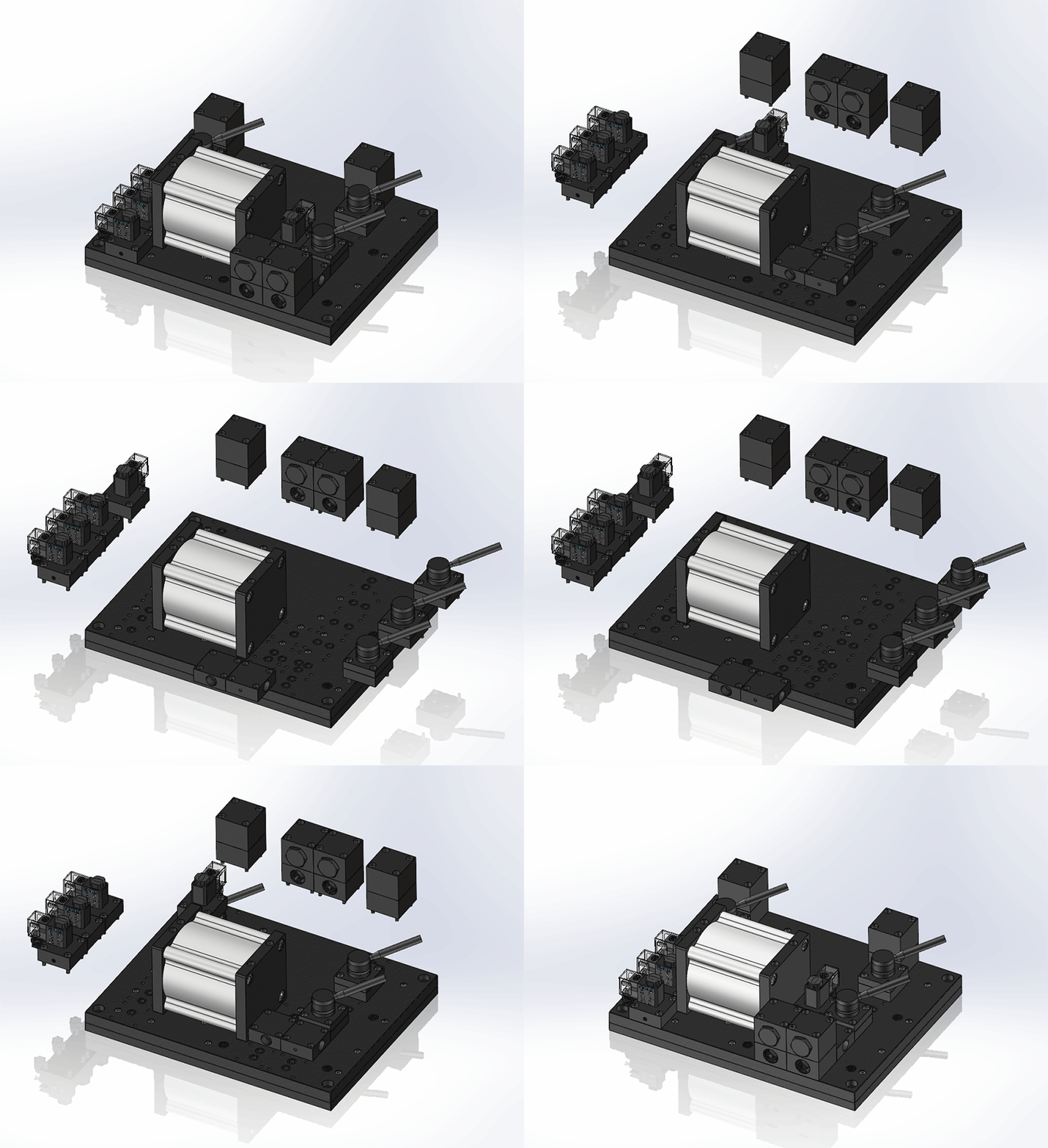
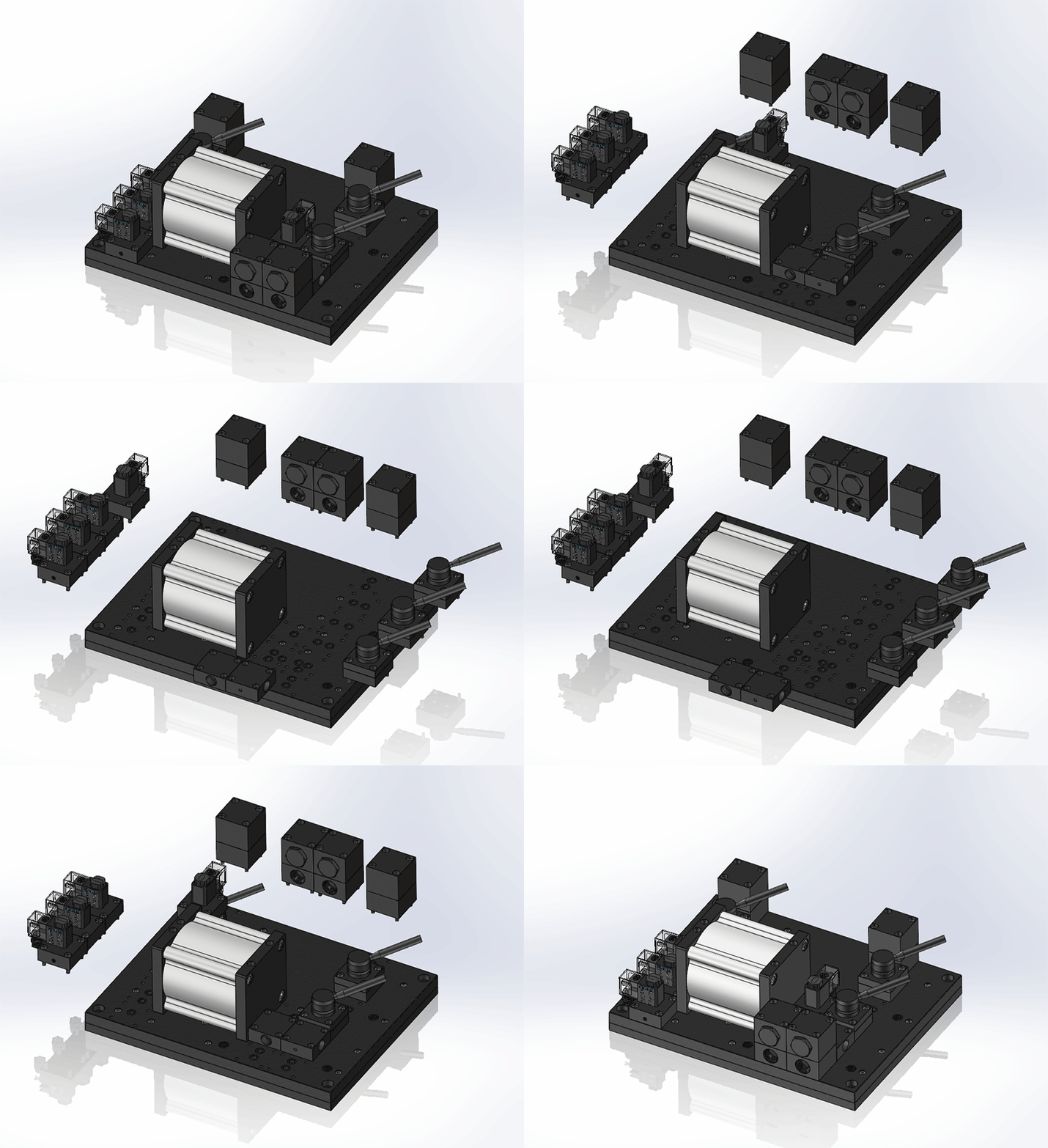
Customized Combination Manifold Valves
Whatsapp QR:

WeChat QR:

Tell us about your application requirements. Our engineers will review your project and provide practical feedback within 1–2 working days.

Fescolo is the specialized custom pneumatic cylinder brand operated by Ningbo Fokca Automation Co., Ltd.
Looking for standard pneumatic and automation components?
Visit Fokca
© 2026 Ningbo Fokca Automation Co., Ltd. All Rights Reserved. Sitemap