Dec 29, 2025
Pneumatic cylinders are critical components in industrial automation, converting compressed air into precise linear motion to drive machinery and production processes. Ensuring that these cylinders operate reliably and efficiently is essential for maintaining overall system performance and preventing costly downtime.
Regular inspection and proper checking of pneumatic cylinders allow operators to identify wear, leaks, misalignment, or other issues before they escalate into major problems. In this guide, we will walk you through the key steps and techniques to check and inspect pneumatic cylinders, helping you maintain optimal function, extend service life, and ensure the safety and reliability of your pneumatic systems.
After Installing New Equipment or Replacing Parts: After installing a new pneumatic cylinder or replacing critical components, an initial check is necessary to ensure everything is functioning properly.
Before System Startup: Before starting the machine or production line, check the basic functions and key parameters of the cylinder, such as air pressure, sealing, etc., to ensure safe operation.
If the cylinder's work efficiency decreases, if the motion becomes unstable or slow, it should be checked.
If any air leakage or oil stains are found at the cylinder connections or seals, immediate inspection and repair are required.
If abnormal noise occurs during cylinder operation, this could indicate an internal issue, and it should be inspected.
If the temperature or humidity in the cylinder’s working environment changes, it may affect the cylinder’s performance, so an inspection is necessary.
If the working environment of the cylinder contains excessive dust, oil, or moisture, consider increasing the inspection frequency to prevent damage to the internal components of the cylinder.
After prolonged use, some internal structural components of the cylinder, such as seals, piston rods, or lubrication, may develop undetectable faults. These issues often show small signs before a complete failure occurs. Regular checks can help identify and address these problems in advance, preventing downtime or damage.
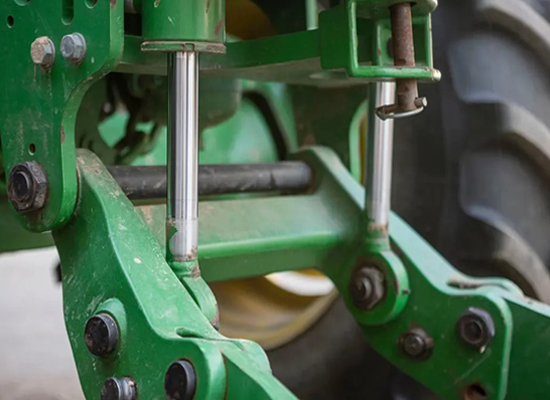
The size of a pneumatic cylinder includes its diameter, stroke length, and installation dimensions. Checking whether the cylinder size meets the required specifications is essential for ensuring its performance and compatibility. The following steps can be taken to check:
Measure Cylinder Diameter: Use calipers or specialized measuring tools to measure the piston diameter of the cylinder.
Check Stroke Length: Use measuring tools or markings to measure the stroke of the cylinder's piston, ensuring it matches the design requirements.
Installation Dimensions Check: Ensure the cylinder's mounting holes, flanges, and connection types are compatible with the equipment's requirements.
Over time, pneumatic cylinders may experience performance degradation due to various factors. It is crucial to regularly check the cylinder's appearance, seals, and components to ensure proper functioning.
Visual Inspection: Check the cylinder's surface for cracks, wear, or corrosion signs.
Seal Inspection: Check the cylinder's seals for aging or damage to ensure no air leakage.
Leakage in a pneumatic cylinder can reduce efficiency and even affect the stability of the system. Leakage checks can be done in several ways:
Visual Inspection: Look for oil stains or water droplets around the cylinder’s joints and seals, which are typically signs of leakage.
Gas Leakage Detection: Use leak detection liquid or foam to check if the cylinder’s seals are intact.
Auditory Inspection: Listen for any abnormal airflow sounds while the cylinder is operating, especially around joints or seals.
The stroke of a pneumatic cylinder refers to the distance its piston moves. Ensuring the stroke is normal and not exceeding the design limits or obstructed is essential.
Check Stroke Limits: Ensure there are no obstructions at both ends of the stroke so that the piston moves smoothly back and forth.
Stroke Adjustment: If the cylinder has stroke adjustment devices, verify they are set to the appropriate position.
The sealing of a pneumatic cylinder directly affects its efficiency and lifespan. Damaged seals can lead to air leakage and uneven movement.
Seal Inspection: Check the seals for wear, deformation, or aging signs.
Replace Seals: If the seals are found to be damaged, replace them with new ones in a timely manner.
Proper lubrication can reduce the wear of internal parts of the cylinder and ensure smooth operation.
Lubrication Check: Ensure the cylinder’s internal lubrication is adequate and has not deteriorated.
Lubrication Method Check: Check whether the cylinder is equipped with an automatic lubrication system to ensure regular replenishment of lubrication.
The piston rod is one of the core components of the pneumatic cylinder, bearing the motion and load pressure.
Piston Rod Visual Inspection: Check the piston rod for scratches, dents, or signs of corrosion.
Piston Rod Motion Check: Ensure the piston rod moves freely without any obstruction or resistance during operation.
The air pressure in a pneumatic cylinder directly affects its performance and efficiency. Ensuring the air pressure is within a reasonable range is crucial.
Pressure Gauge Check: Use a pressure gauge to check the air pressure at the cylinder’s intake, ensuring it falls within the set range.
Pressure Fluctuation Check: If the air pressure is unstable, it may indicate issues with the air source or the cylinder itself, requiring further inspection.
Excessive resistance and friction in a pneumatic cylinder can lead to higher energy consumption and damage internal parts.
Manual Test: Manually move the cylinder's piston to check for abnormal resistance or friction.
Friction Analysis: If uneven resistance is felt, it could indicate that the friction parts inside the cylinder are damaged or lack lubrication.
Pneumatic cylinders are designed to work within a specific temperature range. Excessive or insufficient temperatures can lead to performance degradation or damage.
Temperature Monitoring: Use a thermometer or temperature sensor to monitor the operating environment temperature of the cylinder, ensuring it does not exceed the cylinder's temperature resistance range.
Thermal Expansion Check: In high-temperature environments, check if the cylinder shows signs of thermal expansion or deformation.
(FK9016)
 Pneumatic Clamping Module Design in Packaging Machinery
 Pneumatic Fittings Replacement Cycle: How Often Should You Change Pneumatic Fittings
 Pneumatic Pusher Module Design in Pneumatic Packaging Machines
 Vacuum Filter and Response Time: Does Filtration Slow Down Vacuum Systems
 Metal Seated Pneumatic Ball Valve: When Is Metal Sealing Required?

Whatsapp QR:

WeChat QR:

Tell us about your application requirements. Our engineers will review your project and provide practical feedback within 1–2 working days.

Fescolo is the specialized custom pneumatic cylinder brand operated by Ningbo Fokca Automation Co., Ltd.
Looking for standard pneumatic and automation components?
Visit Fokca
© 2026 Ningbo Fokca Automation Co., Ltd. All Rights Reserved. Sitemap