Mar 03, 2026
In high-speed automation lines, engineers often ask whether adding a Vacuum Filter will reduce vacuum response time. The concern is valid: any component installed between the suction source and actuator can introduce resistance. However, the real answer depends on pressure drop, flow rate, and filter sizing. When selected correctly, a Vacuum line filter protects the system without noticeably slowing performance.
For equipment engineers, distributors, and plant managers, understanding the balance between filtration and airflow is essential for reliable system design.
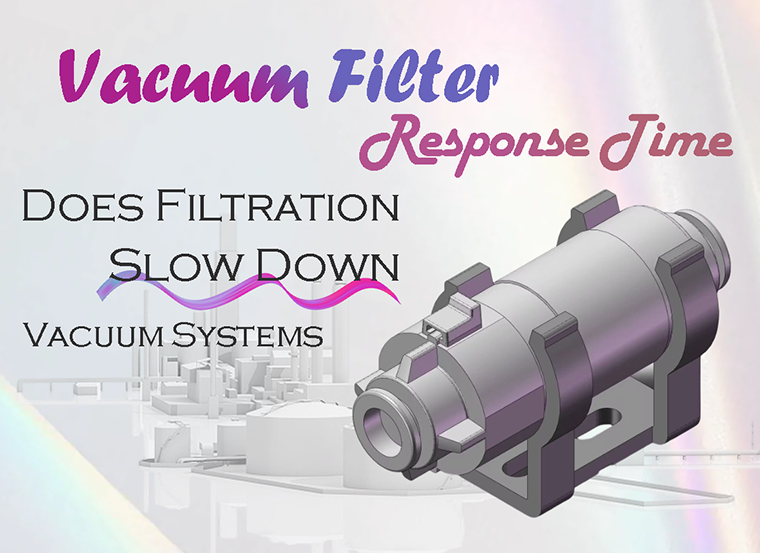
Every vacuum filter creates a certain level of pressure drop as air passes through the filter element. This pressure drop depends on:
◆Filter element porosity
◆Effective filtration area
◆Flow rate (L/min)
◆Contamination level
Higher flow through a small filter increases pressure loss. In vacuum systems, pressure drop translates directly into slower evacuation speed.
The relationship can be simplified as:
Higher flow velocity → Higher resistance → Longer vacuum build-up time
For example, a 200 L/min system using an undersized filter may experience a 10–15% increase in evacuation time. In contrast, a properly sized Vacuum filter unit typically keeps pressure drop below 5 kPa under rated conditions.
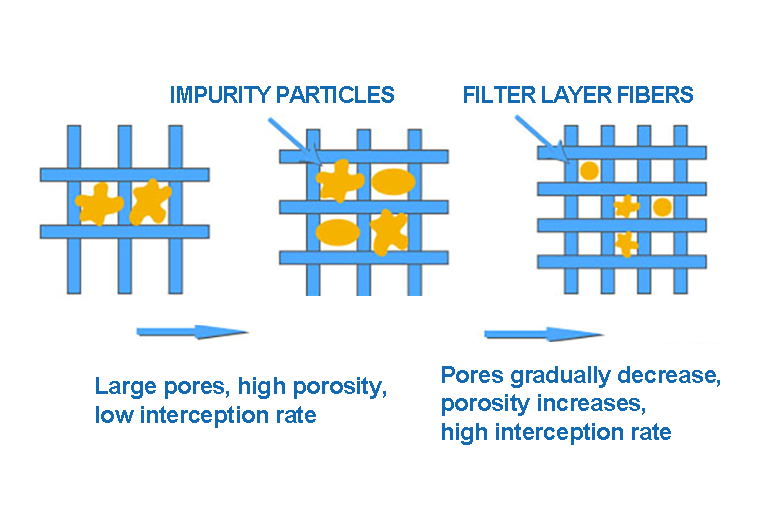
Vacuum response speed depends primarily on how quickly air can be removed from a chamber. When a Venturi vacuum filter is installed upstream of a Venturi generator, airflow restriction may reduce suction efficiency.
The table below illustrates the typical relationship:
| Flow Rate (L/min) | Filter Size | Pressure Drop (kPa) | Impact on Response Time |
|---|---|---|---|
| 100 | Standard | 2–3 | Minimal |
| 200 | Undersized | 6–8 | Moderate delay |
| 300 | Correctly sized | 3–4 | Stable performance |
Industry testing data from pneumatic component manufacturers shows that oversizing the filter by 20–30% significantly reduces response delay.
For systems using a Venturi generator, pairing the filter with a properly matched Venturi vacuum generator ensures consistent suction efficiency.
Some operators remove the Vacuum line filter to improve speed. While this may slightly reduce pressure loss, it introduces contamination risks.
Dust, oil mist, or fine particles entering the system can:
◆Damage vacuum generators
◆Reduce sealing performance
◆Increase maintenance frequency
According to guidance from the International Organization for Standardization regarding pneumatic system cleanliness, filtration is critical for long-term reliability.
System contamination causes more downtime than minor response delays.
In packaging and pick-and-place applications, stable vacuum is more important than marginal speed gains.
To maintain vacuum speed without sacrificing protection, consider the following technical criteria:
Select a filter rated above maximum system airflow.
Larger elements reduce airflow velocity and pressure drop.
High-efficiency but low-density materials maintain performance.
Shorter tubing reduces overall system loss.
In a consumer electronics assembly plant, engineers reported slower suction response after adding an vacuum filter. Initial suspicion pointed to filtration resistance.
After analysis, the issue was traced to an undersized 1/8" filter used in a 250 L/min system. Replacing it with a higher-capacity model reduced pressure drop by 40%, restoring original cycle speed.
Proper sizing solved the issue without removing filtration.
For distributors and procurement managers, the key message is clear: vacuum filtration does influence airflow, but design optimization eliminates most drawbacks.
When discussing solutions with customers:
◆Emphasize correct flow rating
◆Avoid undersized models for cost savings
◆Promote matched vacuum generator and filter configurations
In modern automation systems, reliability and response speed must coexist. A well-designed Vacuum Filter protects equipment while maintaining fast vacuum build-up, ensuring both performance and durability in demanding industrial environments.
(FK9026)
 Pneumatic Clamping Module Design in Packaging Machinery
 Pneumatic Fittings Replacement Cycle: How Often Should You Change Pneumatic Fittings
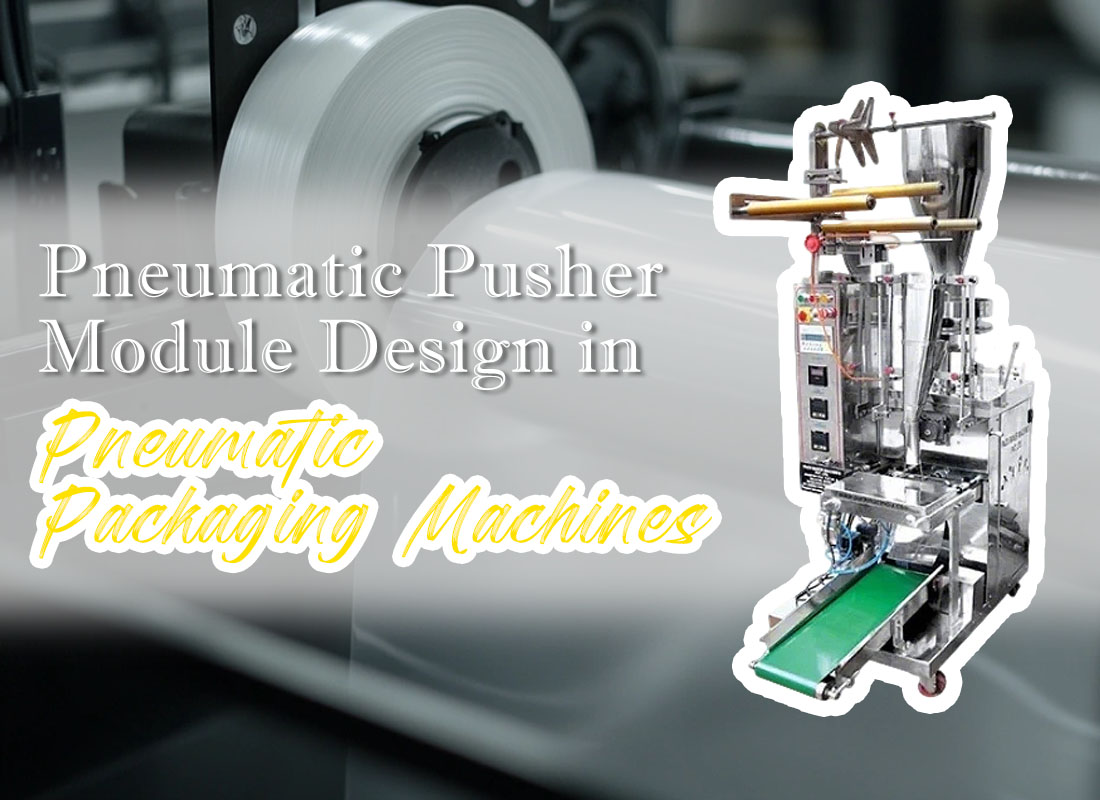 Pneumatic Pusher Module Design in Pneumatic Packaging Machines
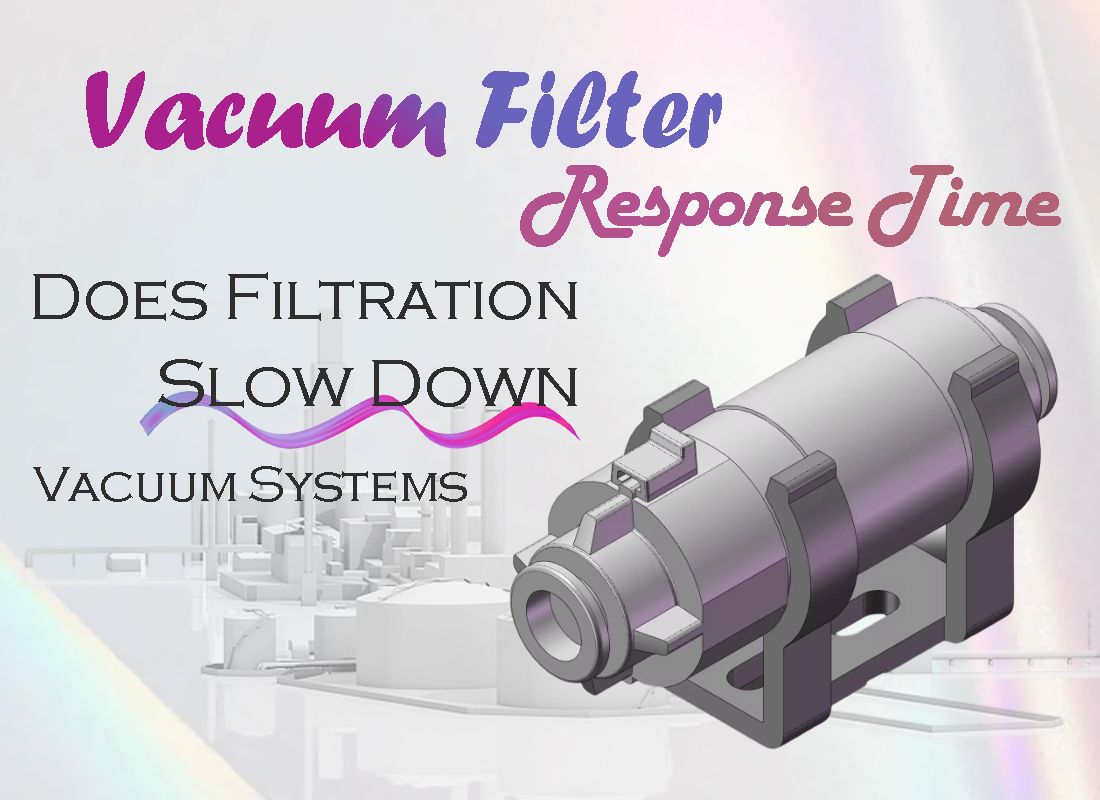 Vacuum Filter and Response Time: Does Filtration Slow Down Vacuum Systems
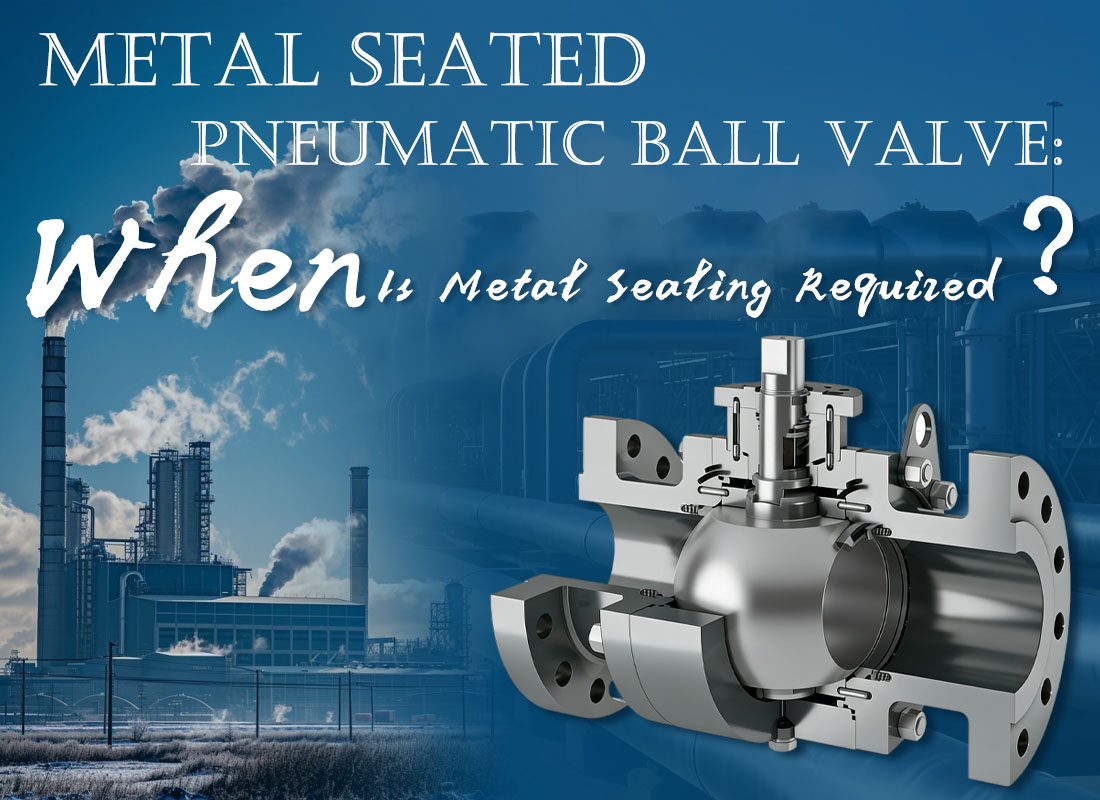 Metal Seated Pneumatic Ball Valve: When Is Metal Sealing Required?

Whatsapp QR:

WeChat QR:

Tell us about your application requirements. Our engineers will review your project and provide practical feedback within 1–2 working days.

Fescolo is the specialized custom pneumatic cylinder brand operated by Ningbo Fokca Automation Co., Ltd.
Looking for standard pneumatic and automation components?
Visit Fokca
© 2026 Ningbo Fokca Automation Co., Ltd. All Rights Reserved. Sitemap