Dec 30, 2025
Pneumatic Cylinder Connection refers to the process of physically connecting a pneumatic cylinder to other components in a pneumatic system, such as air pipes, valves, controllers, etc. Through these connections, the cylinder can receive air pressure and convert it into mechanical motion, enabling it to perform specific tasks within an automated system.
Pneumatic cylinder connection involves not only the piping connection for air flow but also the mechanical installation of the cylinder, ensuring that it operates stably and efficiently during its work.
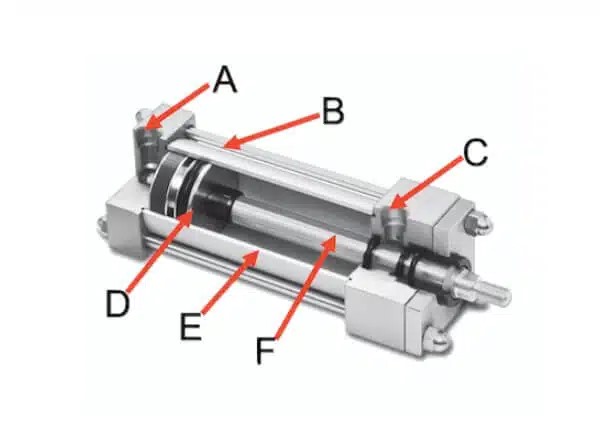
Cylinder Barrel
The outer casing of the cylinder, providing the track for the piston to move and withstanding internal air pressure.
Piston
Converts air pressure into linear force, driving the internal motion of the cylinder.
Piston Rod
Connects the piston to the external load, transmitting the piston’s movement.
End Caps
Seal the two ends of the cylinder, securing internal components and providing air flow inlets and outlets.
Seals
Prevent air leakage, maintain internal pressure, and reduce friction within the cylinder.
Cushioning System
Reduces impact at the end of the piston stroke, protecting the cylinder from damage.
Cylinder Head
Part of the end cap, providing the passage for air to enter and exit the cylinder.
Guide Bushing
Guides the piston rod’s movement, preventing misalignment or bending.
Exhaust Port
Releases excess air from the cylinder and helps control the cylinder's speed.
Control Valve
Controls the flow of air into and out of the cylinder, regulating the direction and speed of piston movement.
Mounting Accessories
Used to secure the cylinder to equipment or systems, ensuring stable installation.These components work together to ensure the proper functioning of the pneumatic cylinder.
Installing a pneumatic cylinder can be challenging, but breaking the process down into small steps can make it easier and smoother.
The first step is to place the cylinder in the desired position. Use brackets, clamps, or other mounting accessories. The installation position must be stable to ensure that the cylinder will not move during operation.
Ensure the cylinder is properly aligned. The piston rod should not be bent downward; it should remain straight.
Next, connect the cylinder’s interface to the air supply line. This allows air to flow through the cylinder.
Using the appropriate pneumatic fittings to connect the pipe ensures a secure connection. Use thread sealing tape (such as Teflon tape) to prevent air leakage from the cylinder. This helps maintain air pressure and ensures smooth operation of the cylinder.
The cushioning adjustment screws are located at the end of the end caps. You can rotate these screws to control the amount of shock absorption the cylinder can handle at the end of each stroke. You can also adjust the stroke length as needed.
Now, connect the control valve to the cylinder to help control the airflow. This will allow the piston to move in the desired direction.
If the valve sizes do not meet your requirements, they will not work properly. Therefore, be sure to choose the correct size and shape.
It’s now time to test the pneumatic system. First, slowly and carefully pressurize the system. Do not apply full pressure all at once, as it may be dangerous if the cylinder connections are loose.
Check around the connection points for hissing sounds, which may indicate a leak. You can also use soapy water; if bubbles form, it indicates a leak. Try moving the piston from one position to another to see if it operates smoothly. If any abnormal sounds occur, you should recheck the installation.
Any safety neglect can lead to injury to the system or operators. Here are some safety precautions you can take to protect yourself:
Release all air pressure in the system: Otherwise, sudden pressure changes can cause parts to fly out and result in personal injury.
Wear safety goggles and gloves during installation: Protect your eyes and hands from dust, debris, or air pressure impacts. This reduces the risk of injury.
Ensure proper wiring connections: To prevent the risk of electric shock.
Do not place hands near moving parts: Sudden air pressure on the piston can cause injury.
Install the cylinder in a clean, dry area: Keeping the workspace clean and organized helps avoid mistakes.
(FK9016)
 Pneumatic Clamping Module Design in Packaging Machinery
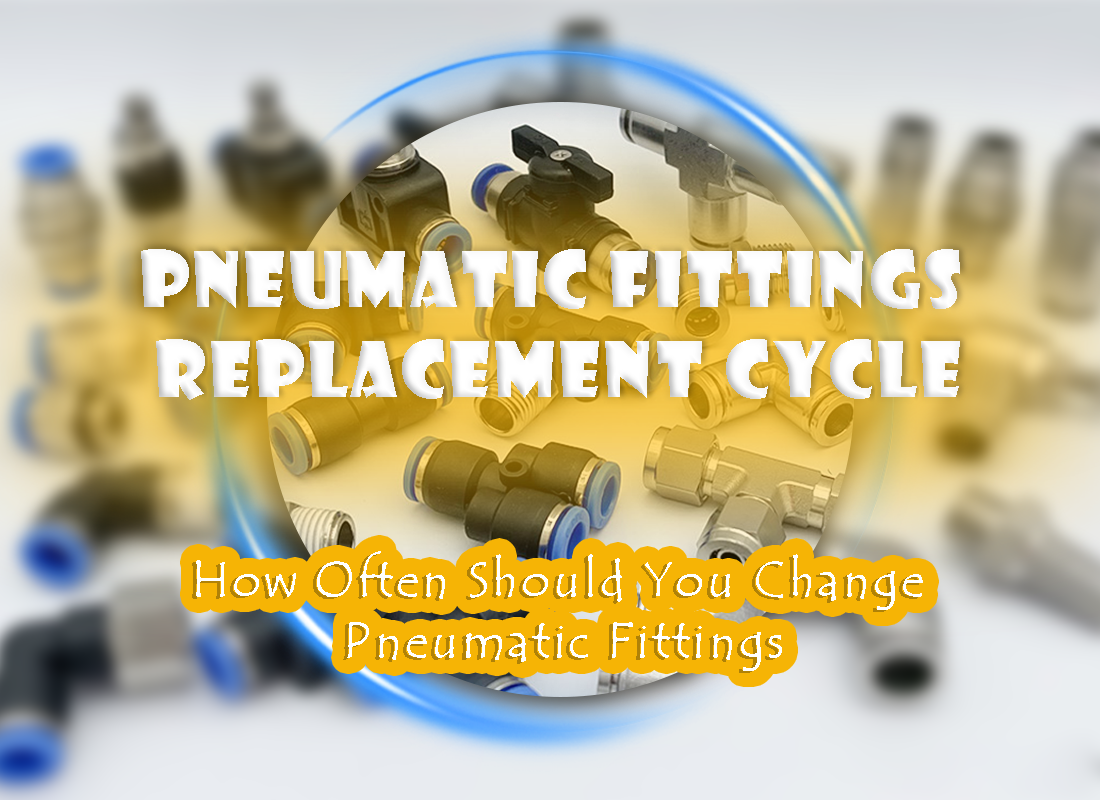 Pneumatic Fittings Replacement Cycle: How Often Should You Change Pneumatic Fittings
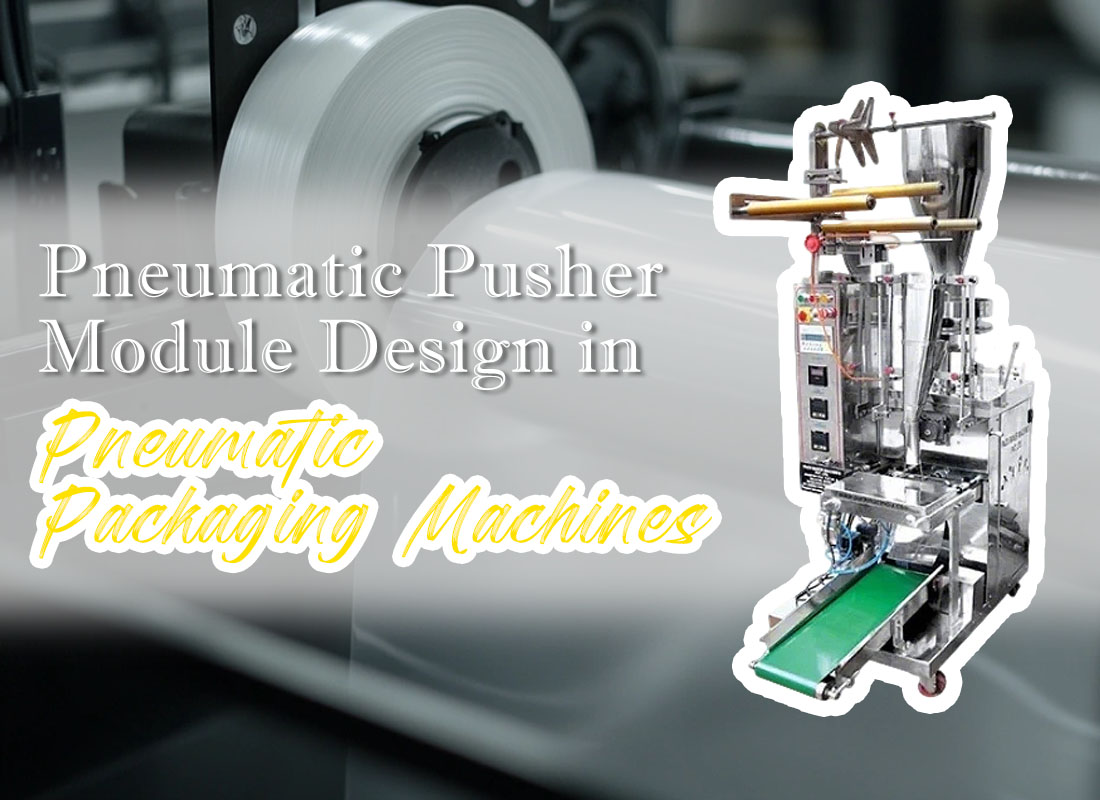 Pneumatic Pusher Module Design in Pneumatic Packaging Machines
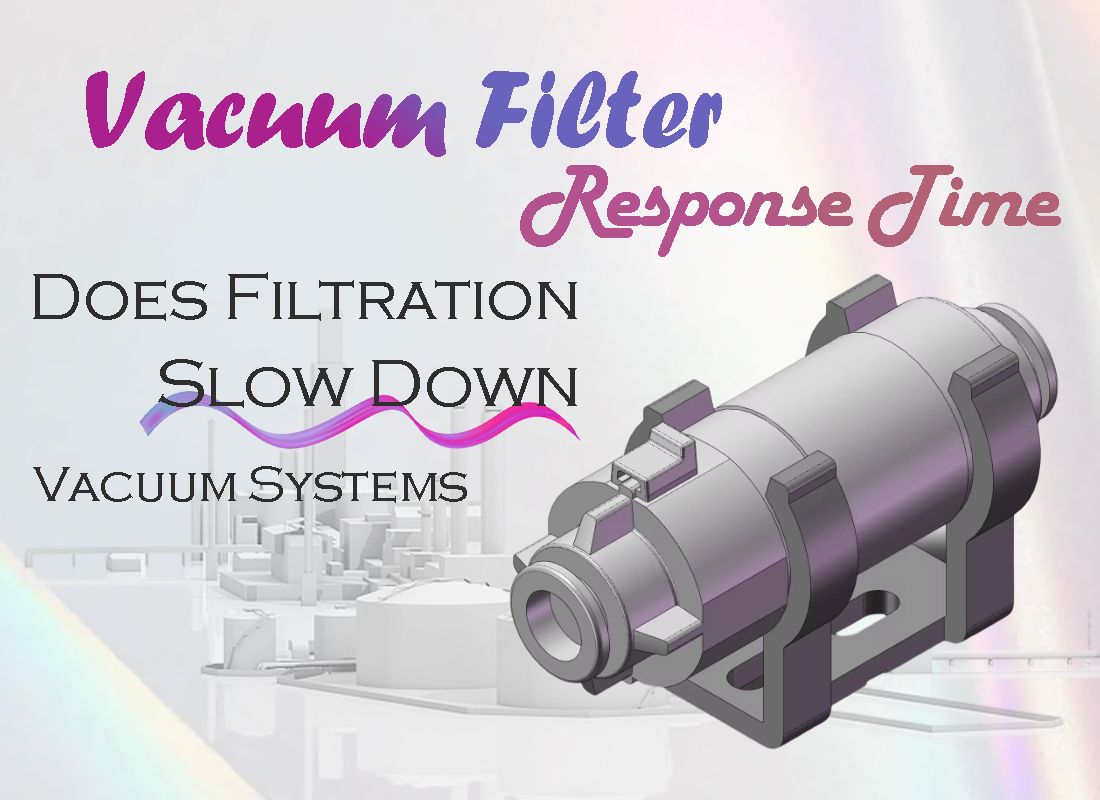 Vacuum Filter and Response Time: Does Filtration Slow Down Vacuum Systems
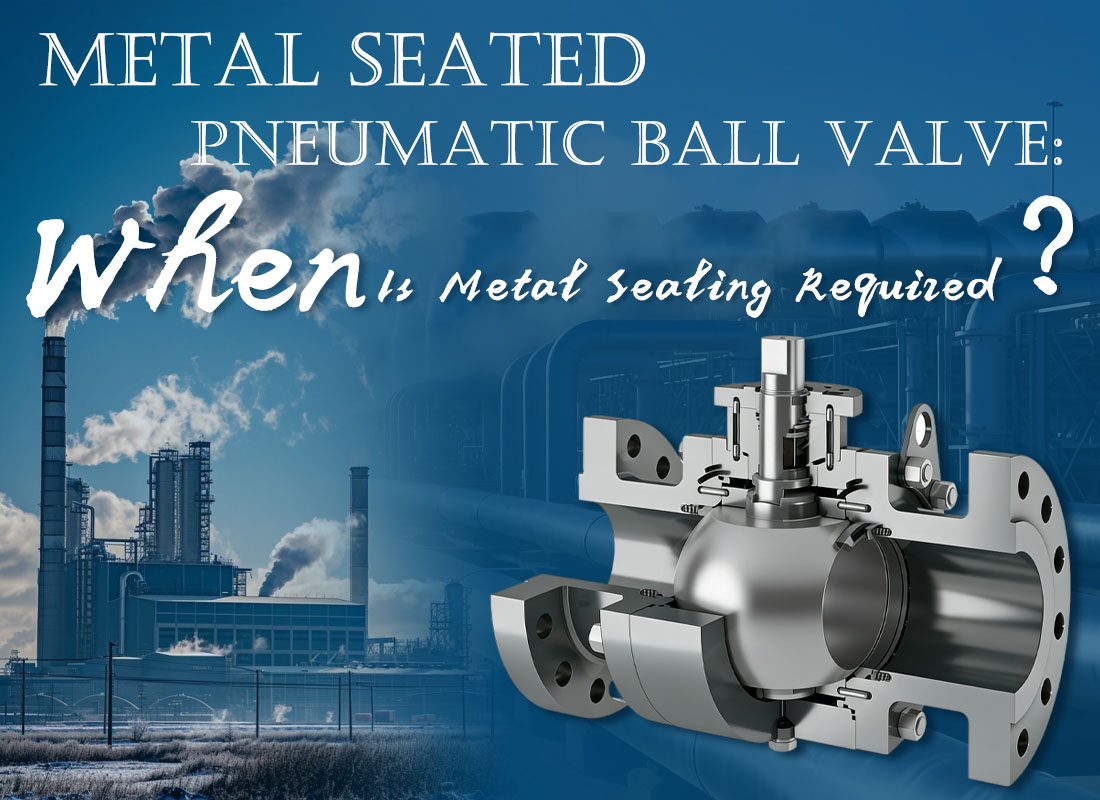 Metal Seated Pneumatic Ball Valve: When Is Metal Sealing Required?

Whatsapp QR:

WeChat QR:

Tell us about your application requirements. Our engineers will review your project and provide practical feedback within 1–2 working days.

Fescolo is the specialized custom pneumatic cylinder brand operated by Ningbo Fokca Automation Co., Ltd.
Looking for standard pneumatic and automation components?
Visit Fokca
© 2026 Ningbo Fokca Automation Co., Ltd. All Rights Reserved. Sitemap