Mar 03, 2026
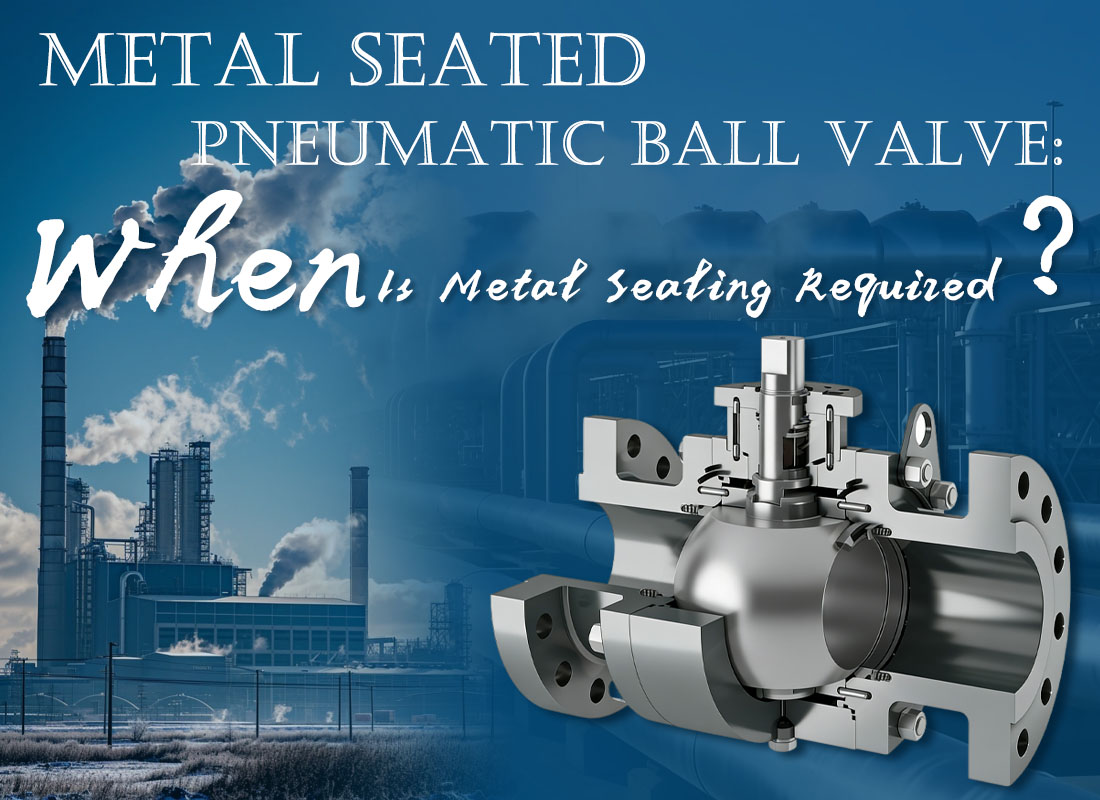
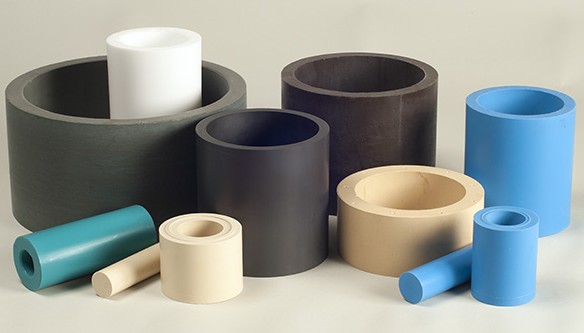
Most standard pneumatic ball valves use PTFE or similar soft sealing materials due to their excellent elasticity and low leakage performance. Under normal temperature conditions, these materials provide reliable shutoff in a quarter turn pneumatic ball valve design. However, when operating conditions exceed material limits, soft seats may fail prematurely.
The continuous service temperature of PTFE is generally limited to around 180–200°C. In applications such as a pneumatic ball valve for steam, thermal oil systems, or high-temperature flue gas lines, temperatures above this range can cause seat softening, deformation, and sealing loss. In these environments, a metal seated pneumatic actuated ball valve becomes necessary.
In high-temperature systems, prolonged exposure above 200°C reduces seat elasticity and may lead to creep deformation. Even a properly sized pneumatic ball valve actuator cannot compensate for seat degradation once structural integrity is lost.
A high pressure pneumatic ball valve used in steam service must therefore rely on metal-to-metal sealing surfaces to maintain structural stability. This is particularly important in continuous industrial automation where shutdowns are costly.
When handling abrasive media such as mineral slurry, coal powder, or alumina dust, soft seats wear rapidly. In a standard pneumatic stainless steel ball valve, PTFE seats may become scratched after repeated cycles.
Metal seated pneumatic ball valves are typically hard-faced or alloy-coated to enhance wear resistance. Although initial sealing tightness may be slightly lower compared to soft seats, long-term durability is significantly improved.
| Operating Condition | Soft Seat Performance | Metal Seat Performance | Recommended Application |
|---|---|---|---|
| >200°C Steam | Deformation risk | Stable | Steam & thermal oil |
| Abrasive slurry | Rapid wear | High resistance | Mining & cement |
| Frequent cycling | Elastic fatigue | Structural stability | Automation systems |
| Low temperature gas | Flexible | Limited elasticity | Soft seat preferred |
In high-cycle pneumatic ball valve automation systems, metal seats demonstrate superior resistance to mechanical wear. However, metal-to-metal contact increases friction coefficient, directly affecting the pneumatic ball valve torque requirement.
A double acting pneumatic ball valve may require higher air supply pressure to overcome breakaway torque. Similarly, a spring return pneumatic ball valve must be selected with adequate torque margin.
Engineers comparing pneumatic ball valve vs electric ball valve often note that pneumatic actuators provide higher instantaneous torque, which is beneficial for metal seated configurations. Nevertheless, proper sizing according to the pneumatic ball valve sizing chart remains essential.
Choosing between soft and metal sealing in a pneumatic ball valve for oil & gas or chemical service involves balancing sealing tightness and durability. A metal seated air operated ball valve offers:
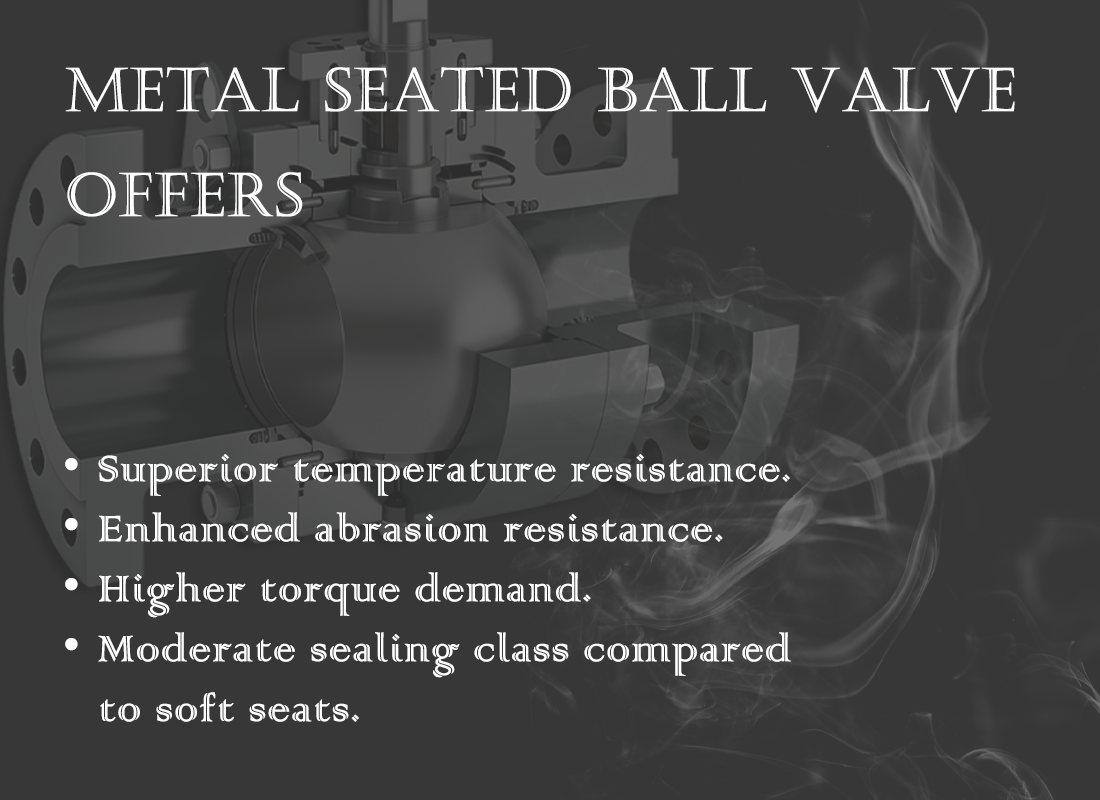
◆ Superior temperature resistance
◆ Enhanced abrasion resistance
◆ Higher torque demand
◆ Moderate sealing class compared to soft seats
For procurement teams and equipment designers, referencing a reliable pneumatic ball valve selection guide ensures actuator capacity aligns with the increased torque demand.
In demanding environments, a properly specified metal seated valve does not simply replace a soft seat—it safeguards operational continuity under conditions where conventional materials would fail.
(FK9025)
 Pneumatic Clamping Module Design in Packaging Machinery
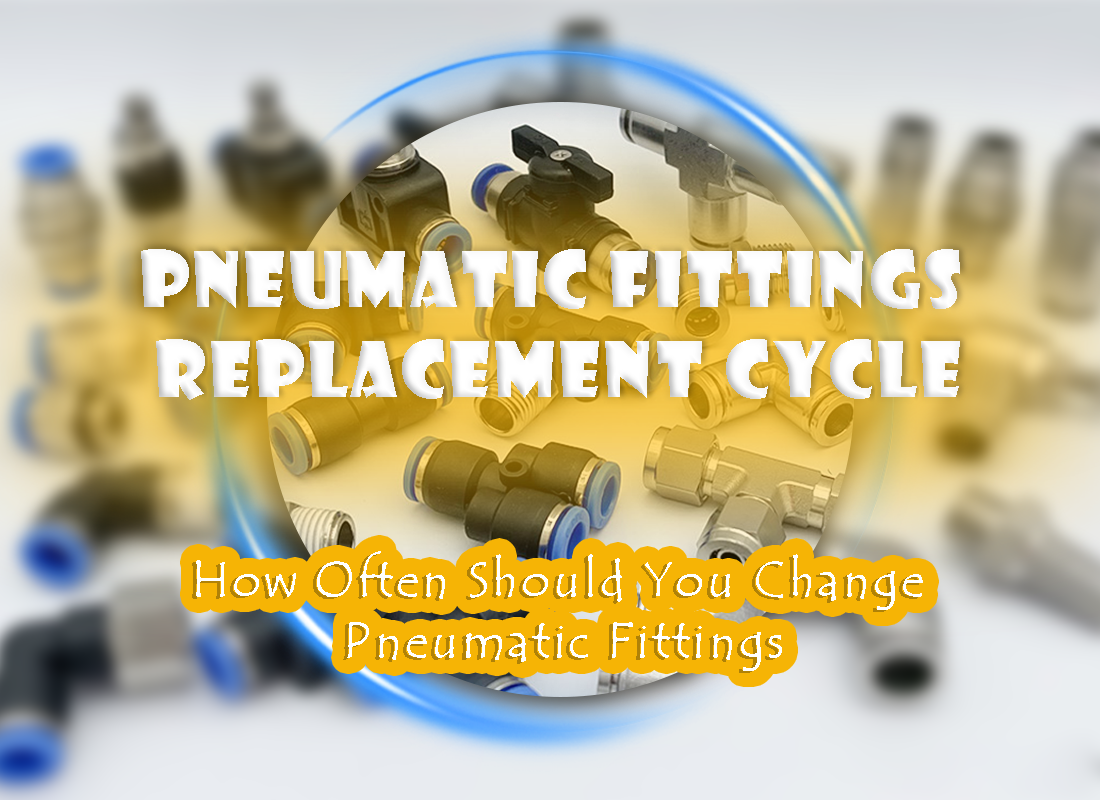 Pneumatic Fittings Replacement Cycle: How Often Should You Change Pneumatic Fittings
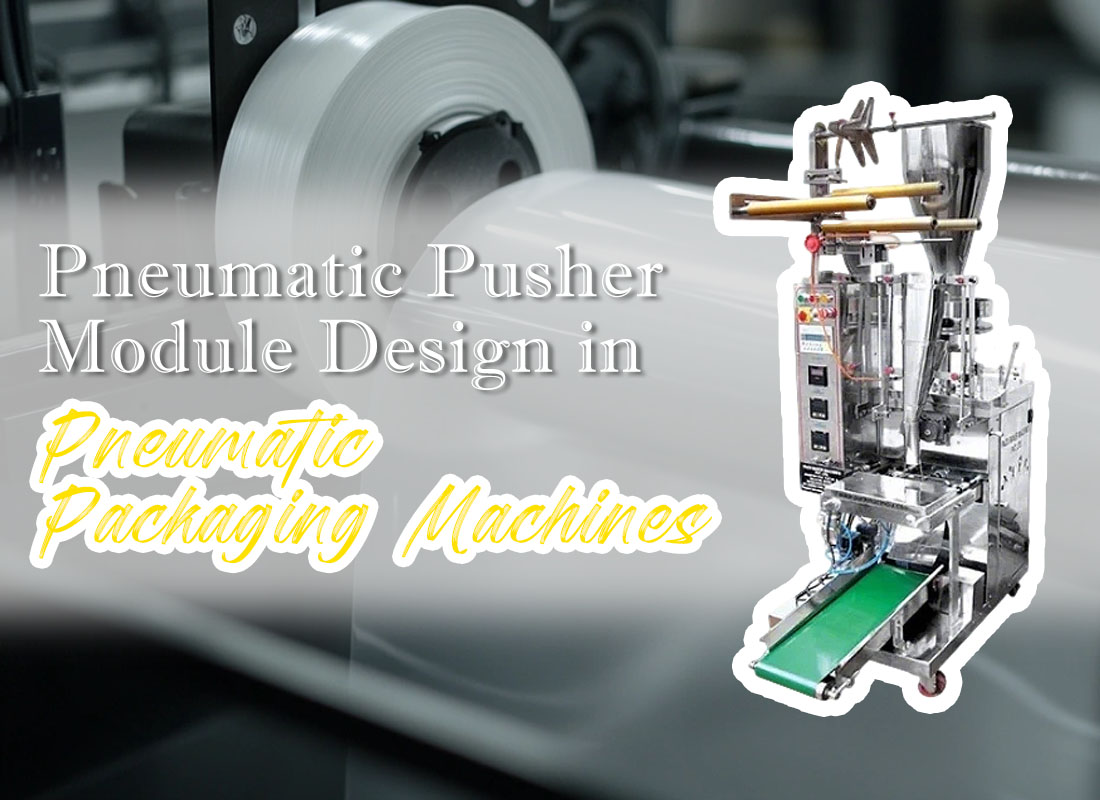 Pneumatic Pusher Module Design in Pneumatic Packaging Machines
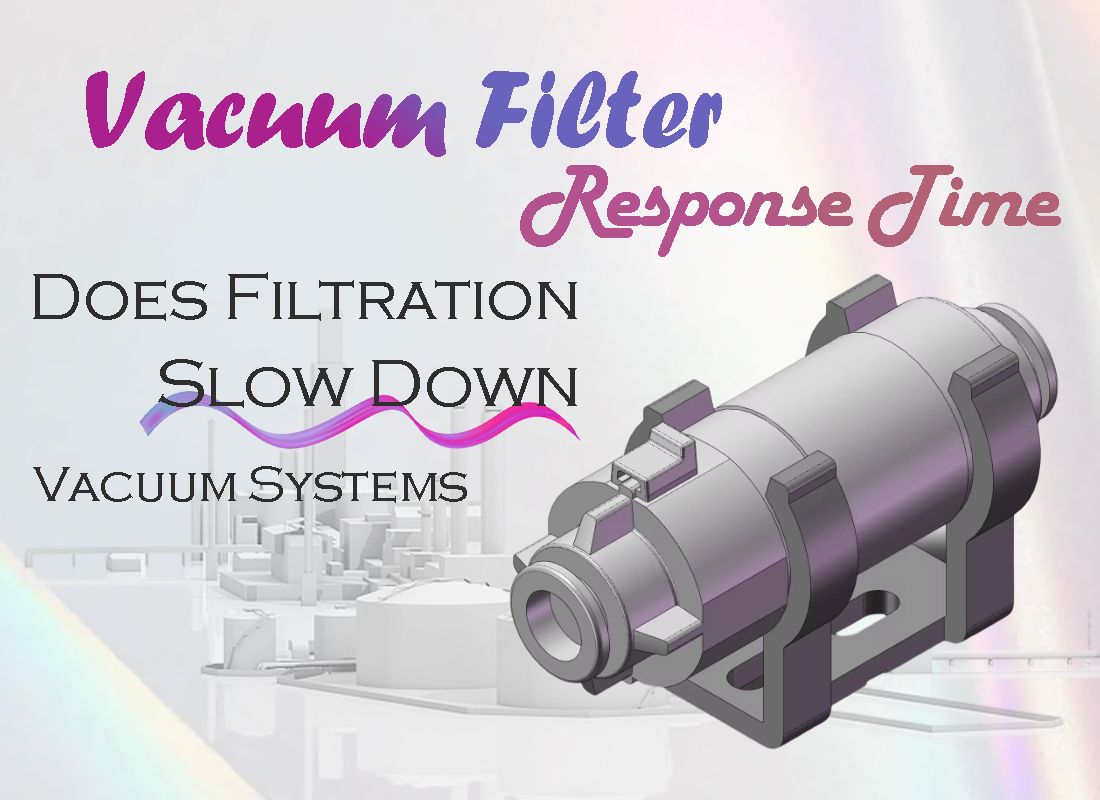 Vacuum Filter and Response Time: Does Filtration Slow Down Vacuum Systems
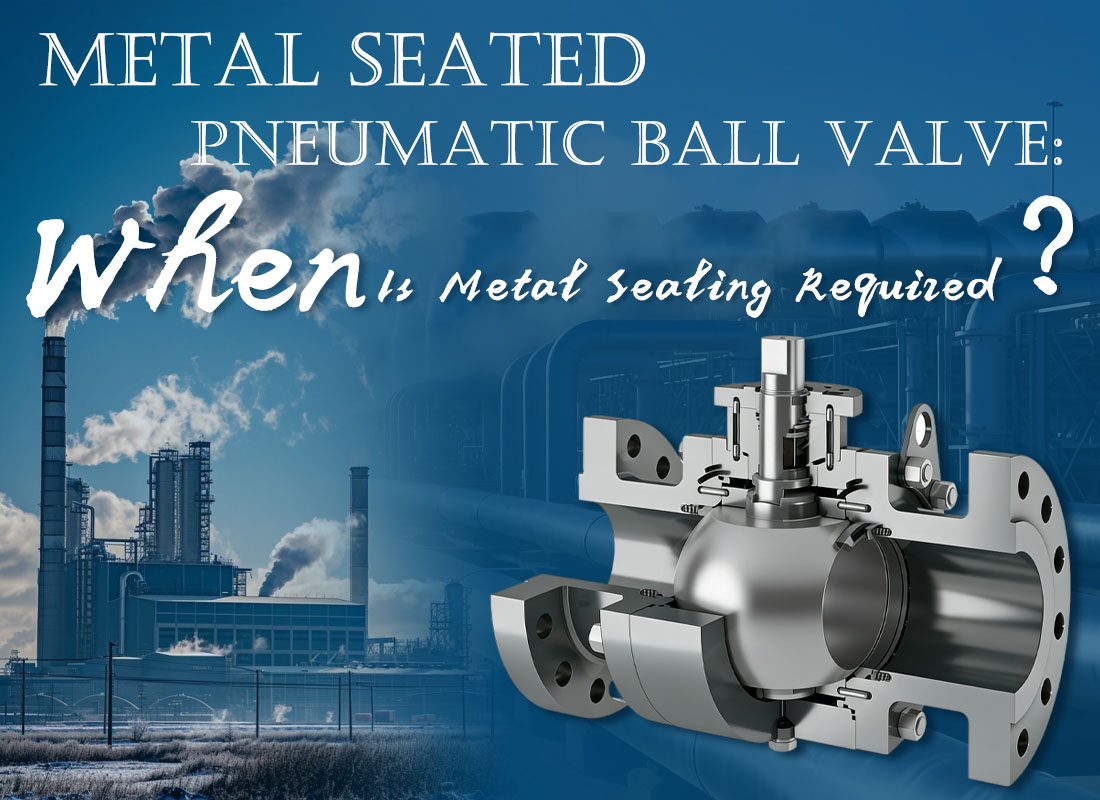 Metal Seated Pneumatic Ball Valve: When Is Metal Sealing Required?
Feb 17, 2026 Cylinder Fundamentals
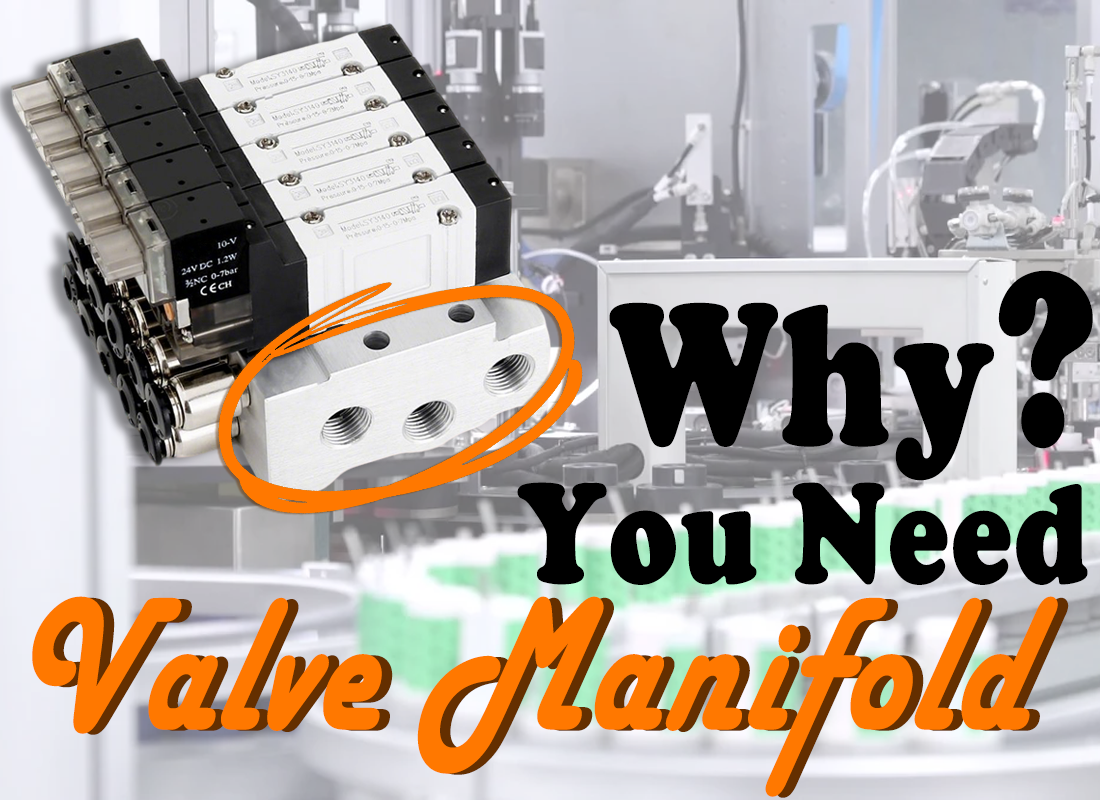
Why You Need a Valve Manifold

Whatsapp QR:

WeChat QR:

Tell us about your application requirements. Our engineers will review your project and provide practical feedback within 1–2 working days.

Fescolo is the specialized custom pneumatic cylinder brand operated by Ningbo Fokca Automation Co., Ltd.
Looking for standard pneumatic and automation components?
Visit Fokca
© 2026 Ningbo Fokca Automation Co., Ltd. All Rights Reserved. Sitemap