Jan 27, 2026
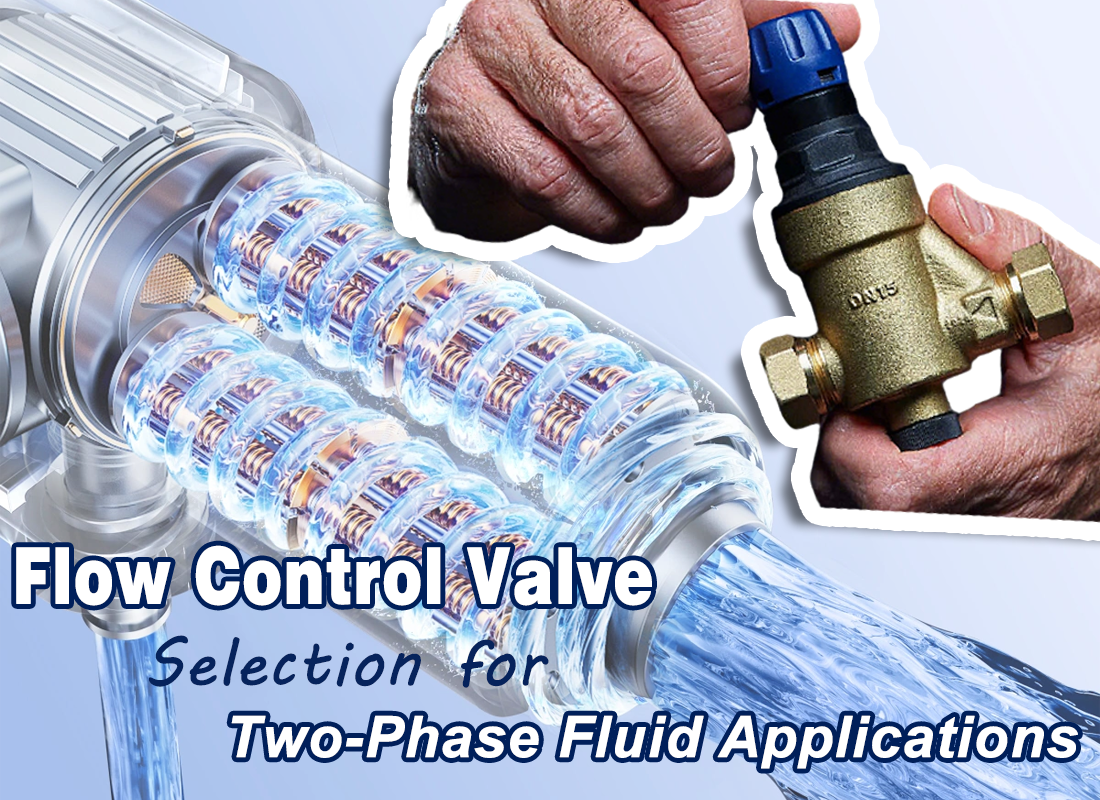
In industrial fluid systems, media is rarely ideal. Steam pipelines, gas–liquid mixtures, and solid–liquid suspensions all represent typical two-phase flow conditions. These environments place significantly higher demands on a flow control valve than single-phase applications.
As two-phase fluid passes through a valve, rapid changes in density and velocity often create local low-pressure zones. When pressure drops below the vapor pressure, flashing and cavitation occur. Over time, these phenomena compromise flow stability and cause severe erosion to valve internals.
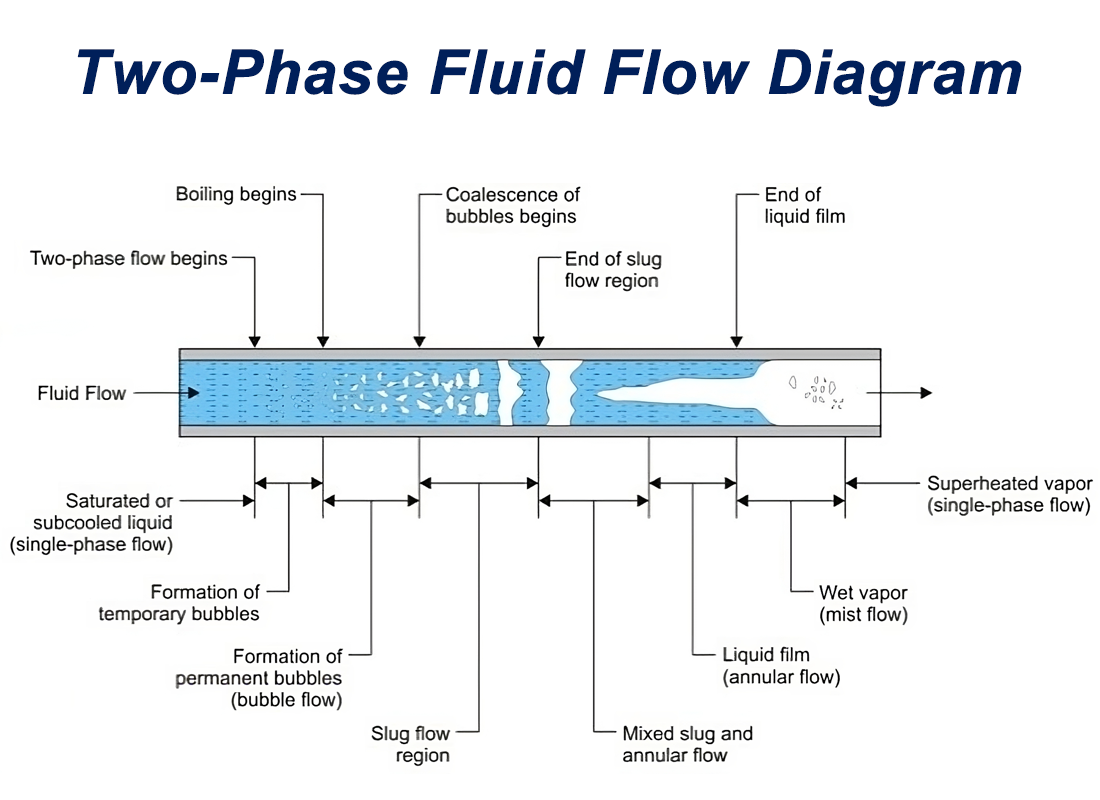
Many valve failures originate not from incorrect sizing, but from underestimated two-phase effects. Bubble collapse near valve surfaces produces high-energy micro-jets that repeatedly strike metal components. This leads to pitting, leakage, and early failure.
For a flow control valve, resistance to erosion depends not only on material selection, but also on internal flow geometry. Sharp turns, sudden restrictions, and multiple throttling points significantly increase cavitation intensity.
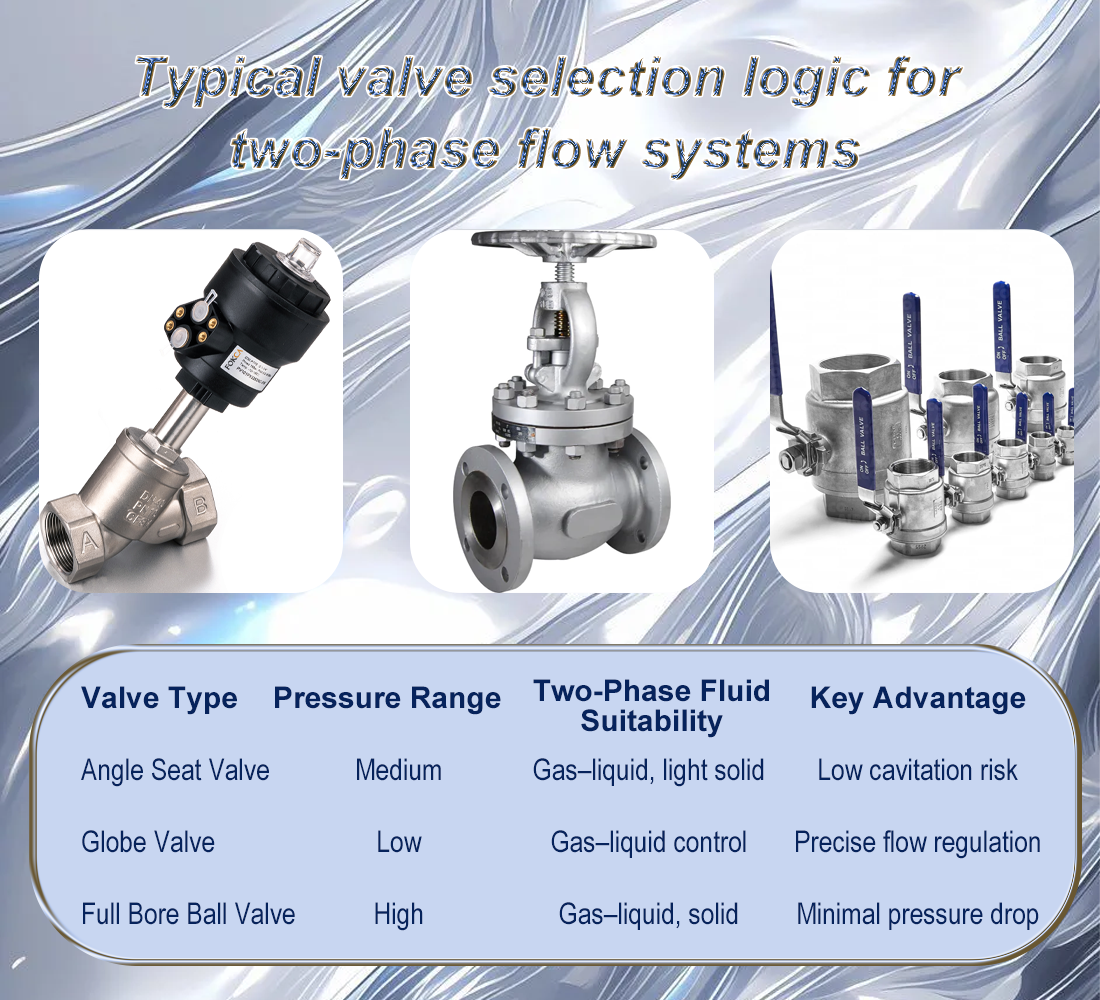
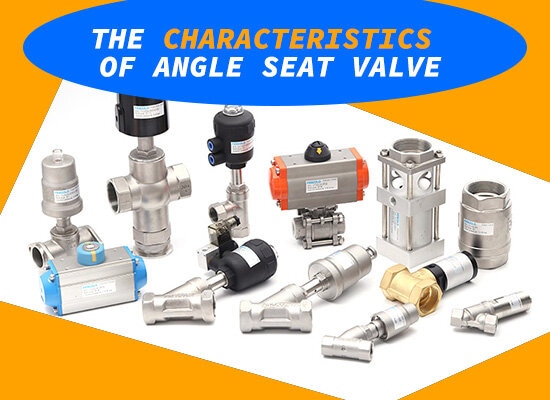
For gas–liquid mixtures and mild solid content, angle seat valves are often a practical solution. Their near-linear flow path minimizes abrupt directional changes, resulting in lower velocity loss and smoother pressure distribution.
This structural advantage reduces the likelihood of vapor bubble formation near the valve seat. In steam systems and thermal circuits, angle seat valves demonstrate stable performance where conventional designs struggle.
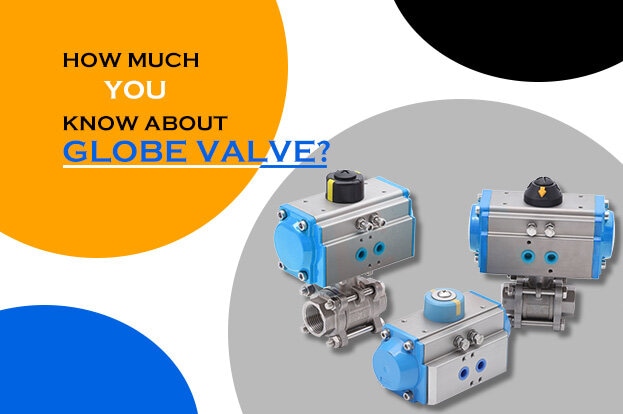
In low-pressure systems requiring precise regulation, the globe valve remains a reliable option. Its defined throttling geometry allows predictable flow adjustment, making it suitable for controlled two-phase applications such as heat exchangers.
Lower flow velocity inside the valve reduces erosion risk, while adjustable stroke length enables accurate flow modulation—an important advantage for process control engineers.
At higher pressures, throttling-focused valves often become erosion hotspots. Full bore ball valves address this issue through a nearly straight-through flow channel.
With minimal pressure drop and no internal restrictions, these valves reduce cavitation risk and prevent particle accumulation. For high-pressure two-phase systems, this design enhances durability and operational safety.
Selecting a flow control valve for two-phase flow requires more than pressure and size calculations. Engineers should evaluate flow path geometry, throttling behavior, and fluid phase transitions.
For distributors and system designers, understanding how valve structure interacts with two-phase dynamics helps reduce downtime, maintenance costs, and unexpected failures—delivering long-term reliability in demanding applications.
(FK9025)
 Pneumatic Clamping Module Design in Packaging Machinery
 Pneumatic Fittings Replacement Cycle: How Often Should You Change Pneumatic Fittings
 Pneumatic Pusher Module Design in Pneumatic Packaging Machines
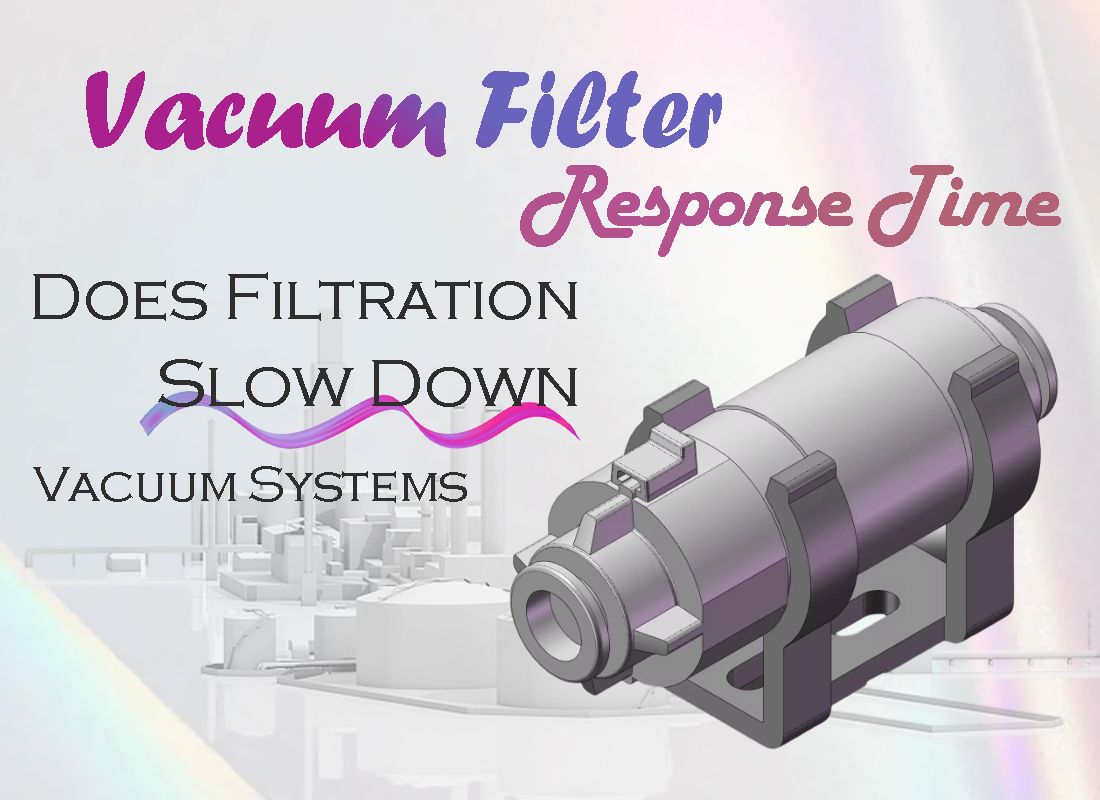 Vacuum Filter and Response Time: Does Filtration Slow Down Vacuum Systems
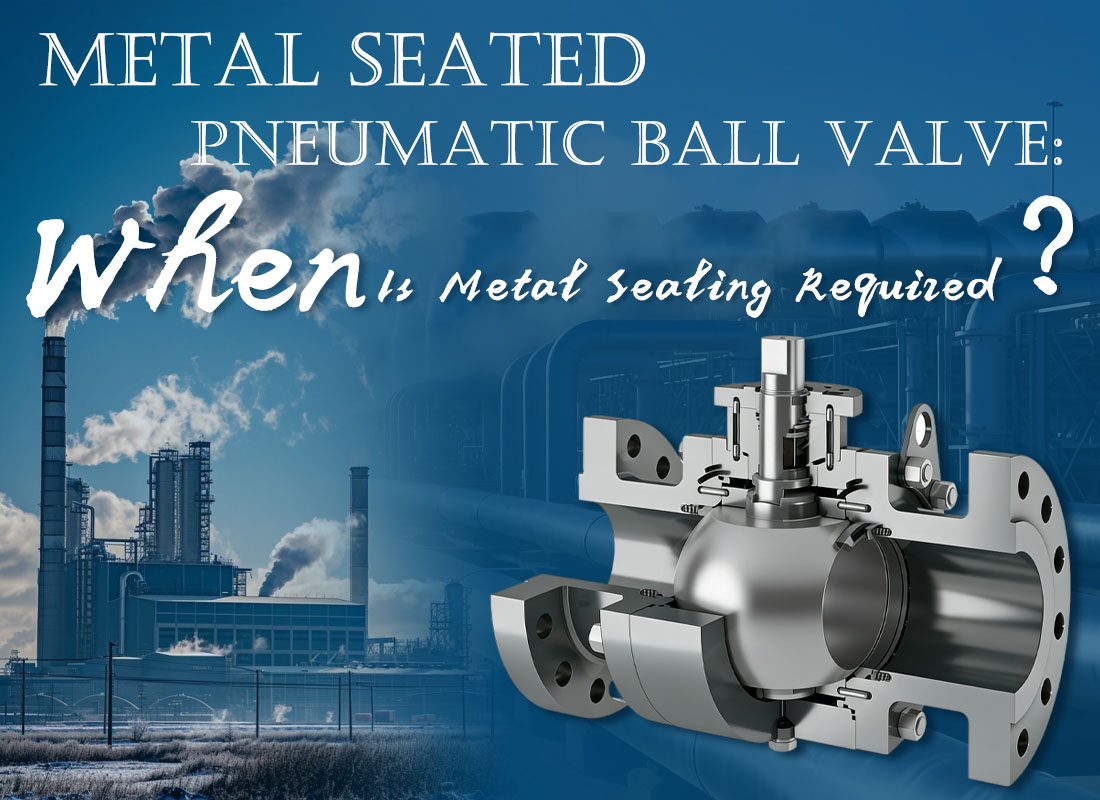 Metal Seated Pneumatic Ball Valve: When Is Metal Sealing Required?
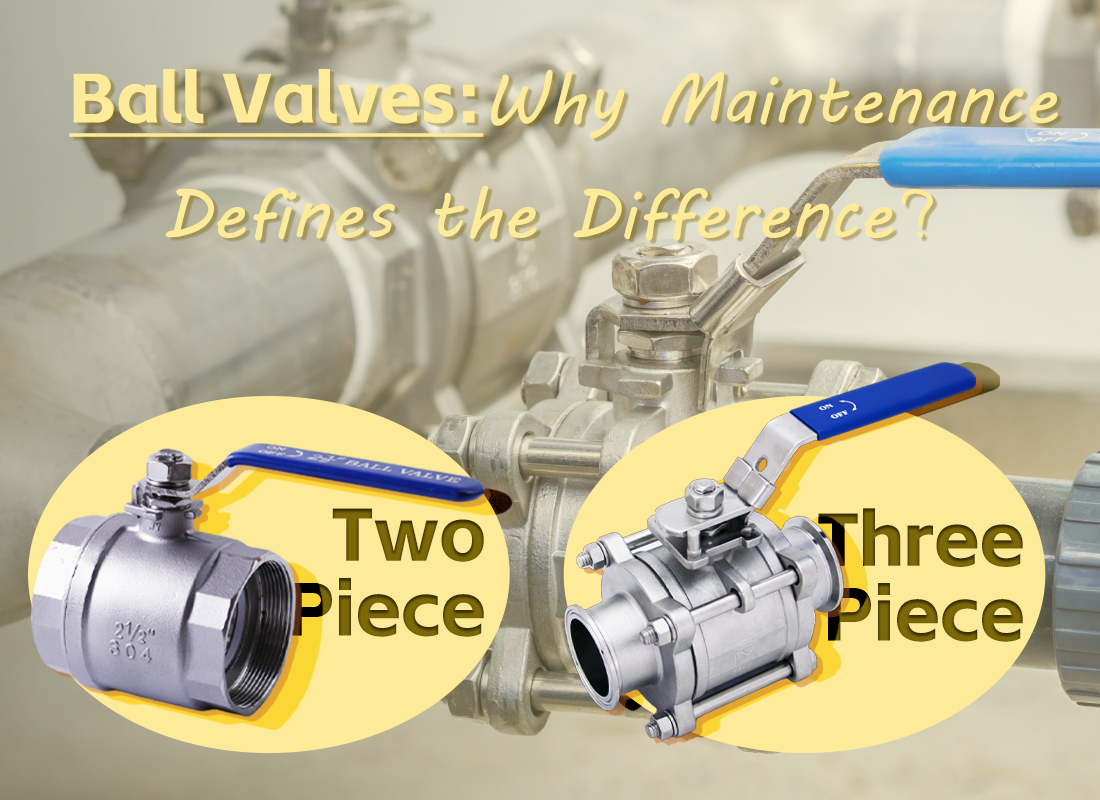

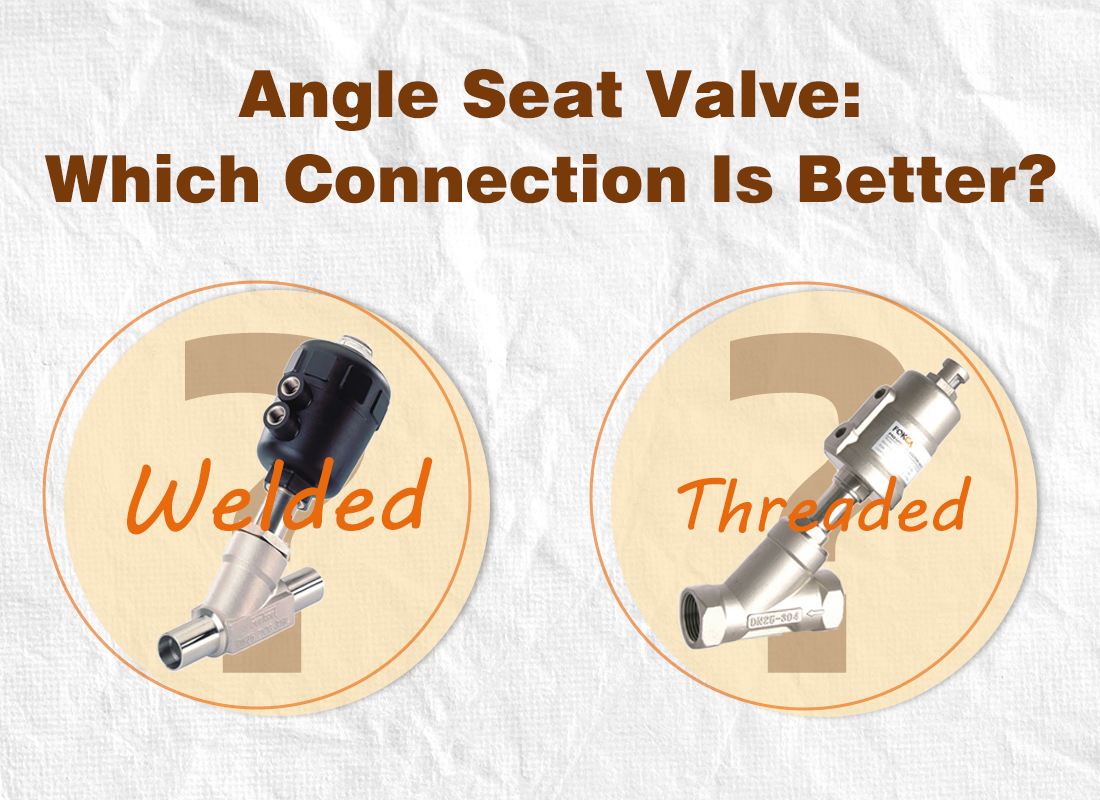
Dec 05, 2024 Case Studies
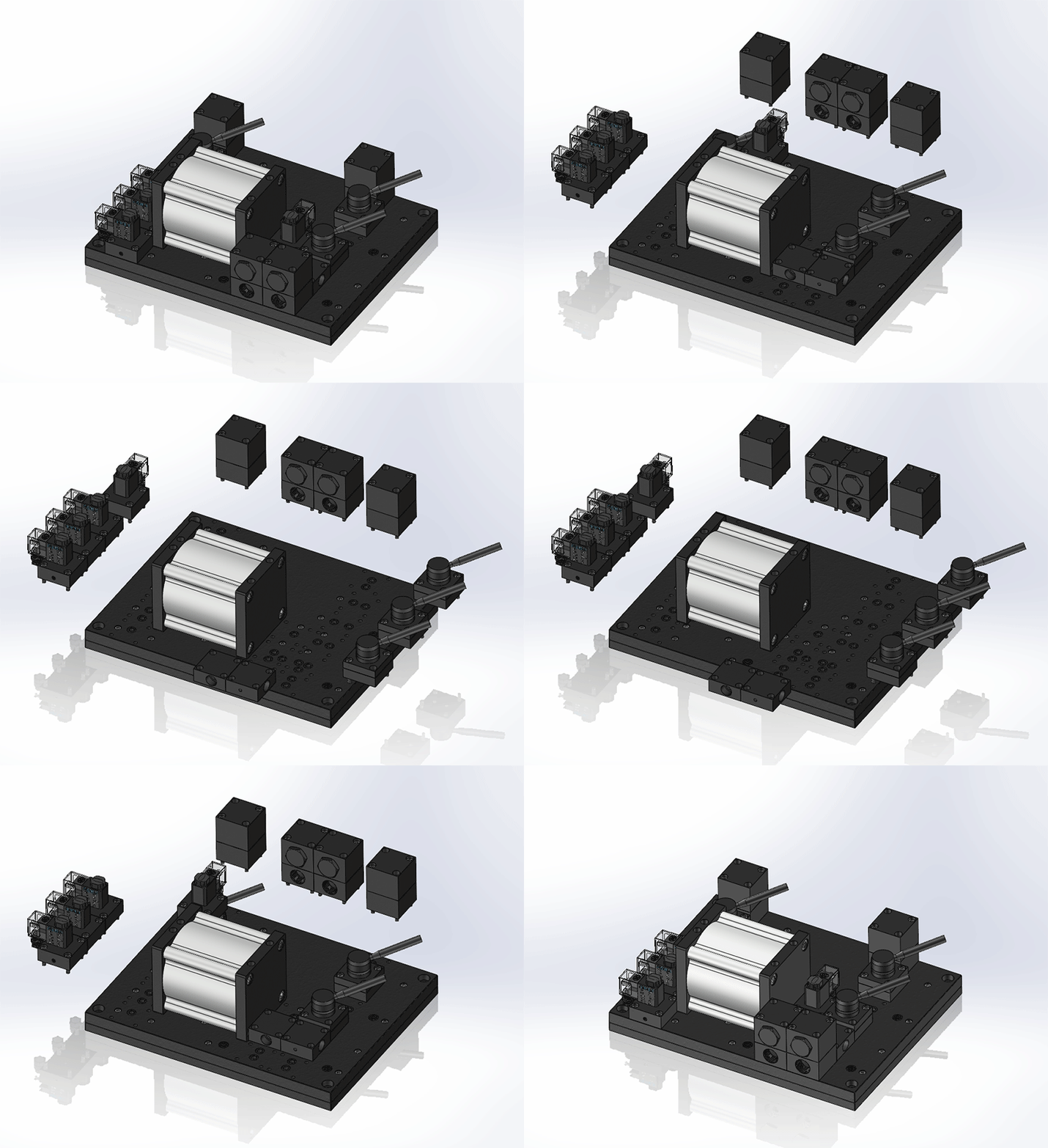
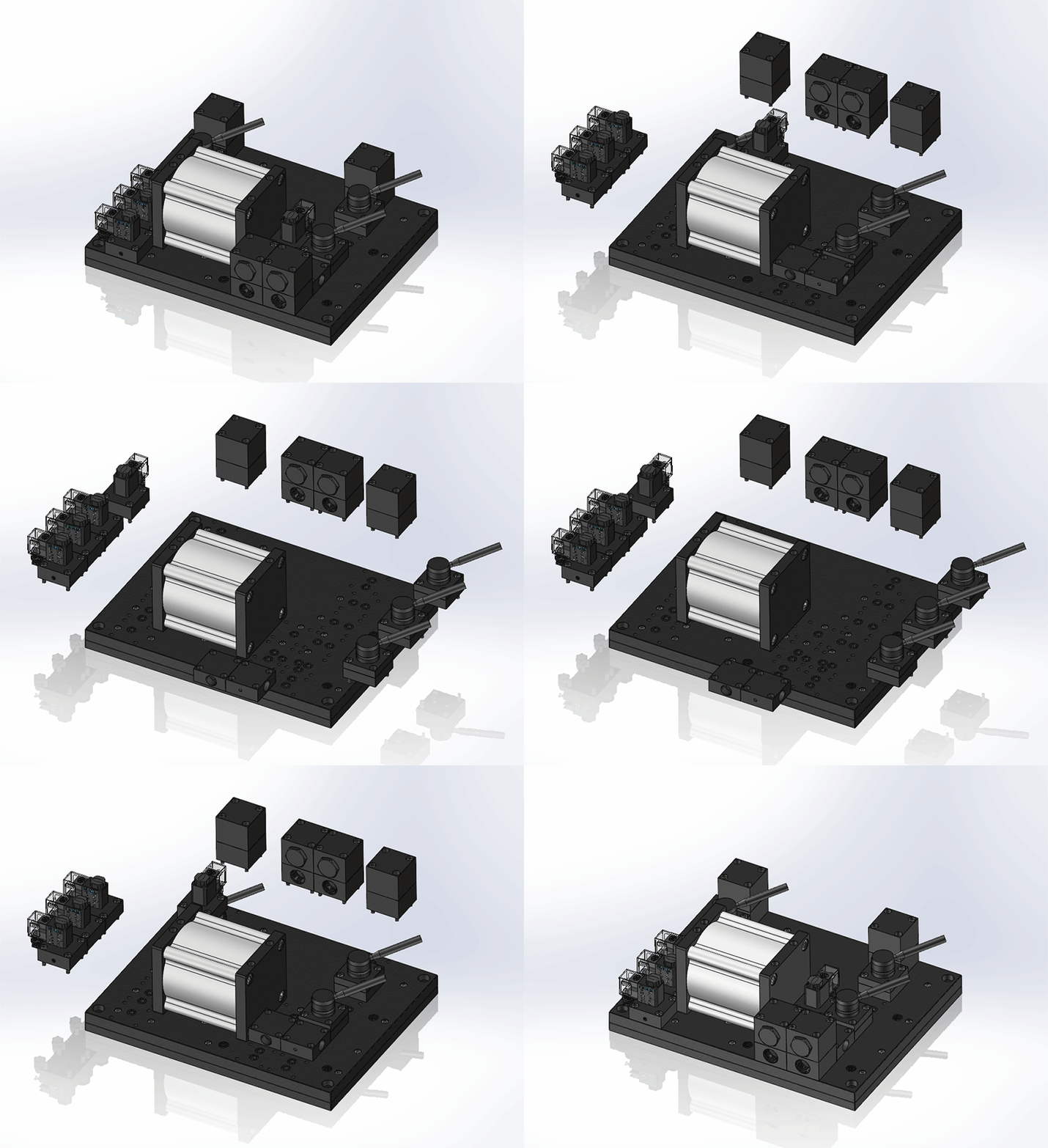
Customized Combination Manifold Valves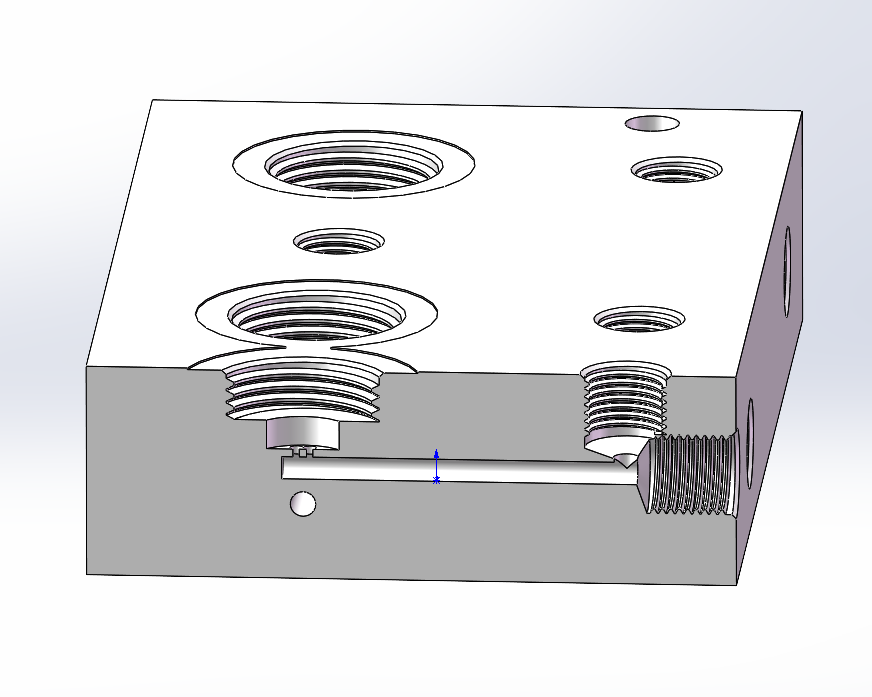
Dec 02, 2024 Case Studies
Custom Valve Manifolds design


Whatsapp QR:

WeChat QR:

Tell us about your application requirements. Our engineers will review your project and provide practical feedback within 1–2 working days.

Fescolo is the specialized custom pneumatic cylinder brand operated by Ningbo Fokca Automation Co., Ltd.
Looking for standard pneumatic and automation components?
Visit Fokca
© 2026 Ningbo Fokca Automation Co., Ltd. All Rights Reserved. Sitemap