Mar 16, 2026
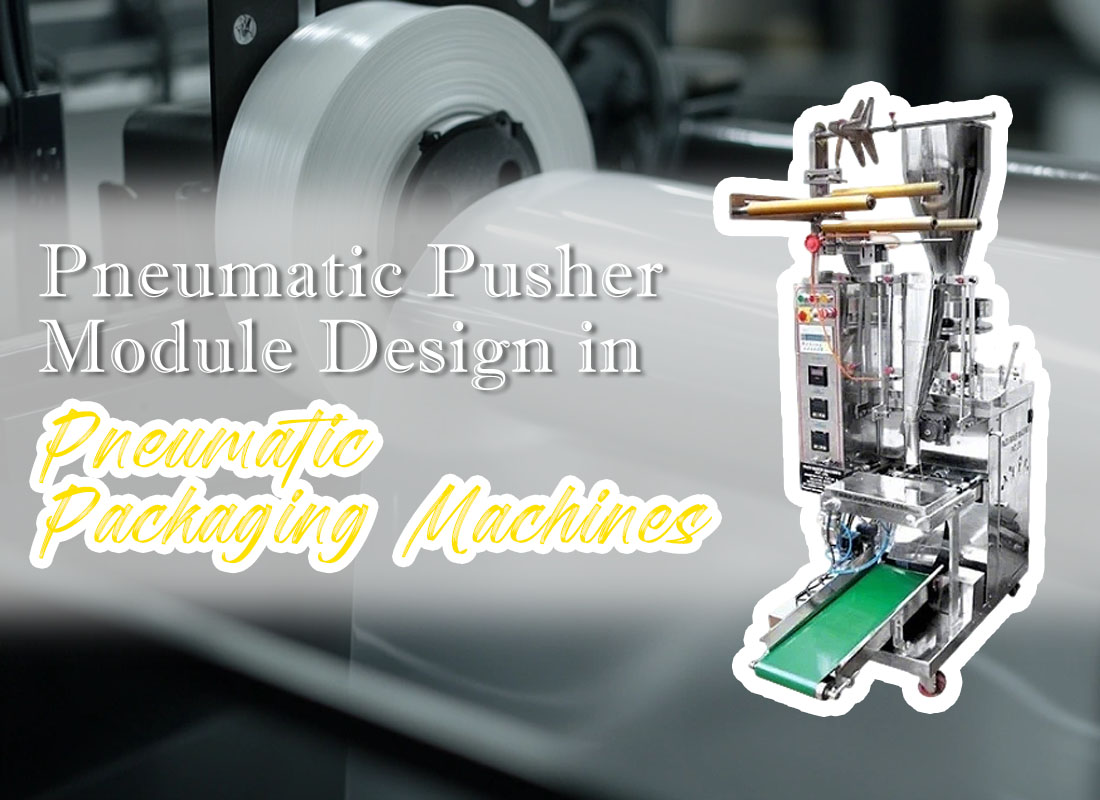
In modern pneumatic packaging machines, many product movements rely on simple but reliable pneumatic functional modules. One of the most common structures is the pusher module, which uses a pneumatic cylinder to push products from a conveyor to the next process station. This action is widely used in pneumatic packaging machinery for operations such as carton loading, product positioning, bag filling, and sorting.
Although the mechanism appears simple, the performance of a pusher module directly affects the operating rhythm of the entire pneumatic packaging system. If the cylinder size, air pressure, or valve flow capacity is not properly matched, the machine may suffer from slow pushing speed, unstable movement, or excessive mechanical impact. For equipment engineers and distributors involved in packaging machinery pneumatic design, understanding how these parameters interact is essential for achieving stable operation.
In most pneumatic packaging machines, the pusher module is installed beside the conveyor belt. When a product reaches a designated position, a control signal activates a solenoid valve, allowing compressed air to enter the cylinder chamber. The piston rod then extends quickly, pushing the product into the next station.
After the pushing action is completed, the valve switches position, allowing air to enter the opposite chamber and retract the cylinder. This cycle is repeated continuously as products move through the packaging process.
A typical pusher module used in packaging machine pneumatic systems includes several key components:
This combination is widely adopted in pneumatic packaging systems because pneumatic actuation offers fast response, simple structure, and reliable operation even in high-speed production lines.
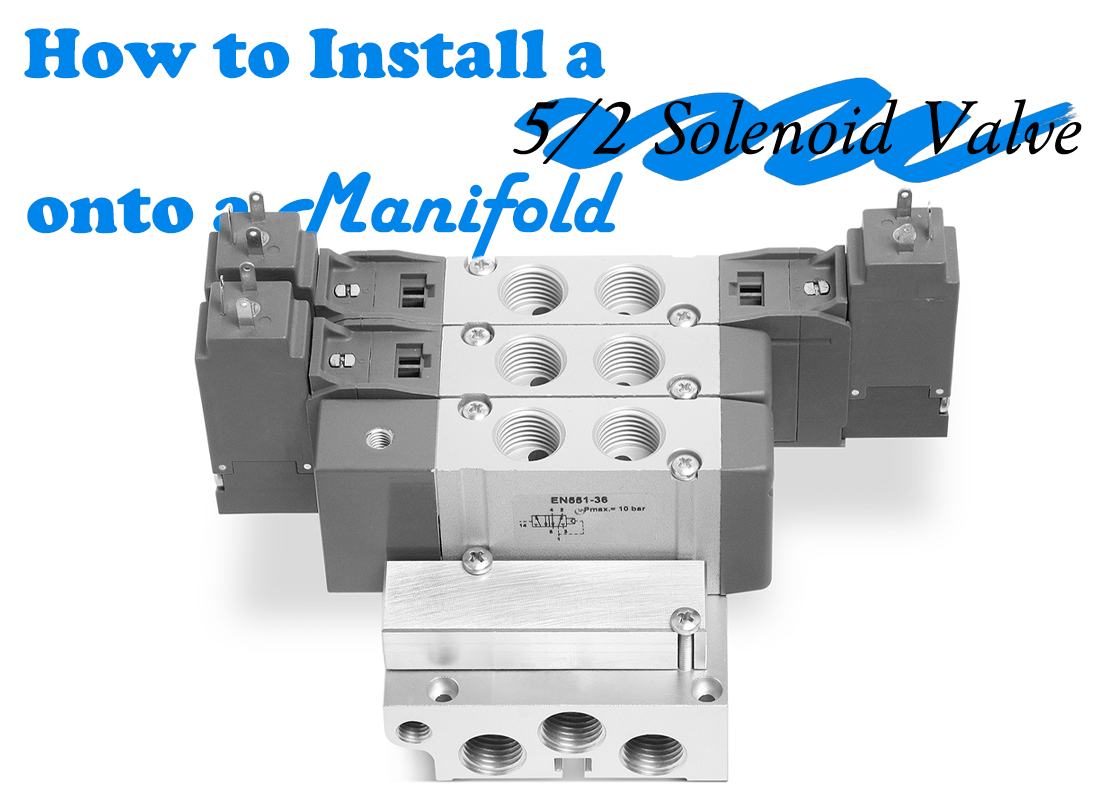
The coordination between the pneumatic cylinder and solenoid valve determines how efficiently the pusher module operates. In a typical design, a 5/2-way solenoid valve controls the direction of compressed air flow to the cylinder.
When the valve receives an electrical signal from the machine controller, it switches the air path so that compressed air enters the cylinder's front chamber. The pressure forces the piston to extend, creating the pushing motion. When the signal changes, the valve redirects the airflow to the opposite chamber, retracting the piston.
In many pneumatic packaging machinery applications, engineers also install flow control valves to regulate the cylinder speed. This ensures that the pushing movement remains smooth and prevents products from being damaged by sudden impact.
One of the most important design considerations in a pusher module is ensuring that the cylinder provides enough pushing force. The theoretical force generated by a pneumatic cylinder can be calculated using the following equation:
F = P × A
Where:
◆ F = cylinder force
◆ P = air pressure
◆ A = piston area
For example, when the air pressure in a pneumatic packaging machine is 0.6 MPa, a cylinder with a 32 mm bore can generate approximately 480 N of pushing force. This is usually sufficient for medium-size cartons or packaged products.
If heavier packages must be moved, engineers may select larger cylinders or increase the operating pressure within safe limits.
While pushing force depends on pressure and cylinder size, pusher speed is mainly determined by air flow capacity. This flow is influenced by several factors:
◆ Solenoid valve flow rate
◆ Air tube diameter
◆ Pipe length
◆ System pressure
If the valve flow capacity is too small, the cylinder will receive compressed air more slowly, reducing movement speed. This is why many packaging machine pneumatic designs use high-flow solenoid valves.
In high-speed pneumatic packaging machinery, engineers often install quick exhaust valves near the cylinder port. These valves allow air to exit directly from the cylinder instead of flowing back through the solenoid valve, significantly increasing the retraction speed.
Different packaging applications require different cylinder sizes. The table below shows typical cylinder selections used in pneumatic packaging systems.
| Cylinder Bore | Force at 0.6 MPa | Typical Stroke | Application |
|---|---|---|---|
| 20 mm | 188 N | 50–100 mm | Small product pushing |
| 25 mm | 294 N | 80–150 mm | Carton alignment |
| 32 mm | 482 N | 100–200 mm | Medium package transfer |
| 40 mm | 754 N | 150–250 mm | Heavy product pushing |
These values are commonly referenced in industrial packaging machinery design guidelines and are widely used by engineers working with pneumatic packaging machines.
Designing a reliable pusher module requires balancing speed, force, and system efficiency. Experienced engineers working on pneumatic packaging systems usually consider several practical factors:
◆ Select a cylinder bore that matches product weight and friction conditions
◆ Ensure the solenoid valve flow capacity supports the required cylinder speed
◆ Keep pneumatic tubing as short as possible to reduce response delays
◆ Use quick exhaust valves in high-speed machines to improve cycle time
When these parameters are properly matched, the pusher module can operate smoothly and maintain the consistent rhythm required in modern pneumatic packaging machinery production lines.
(FK9025)
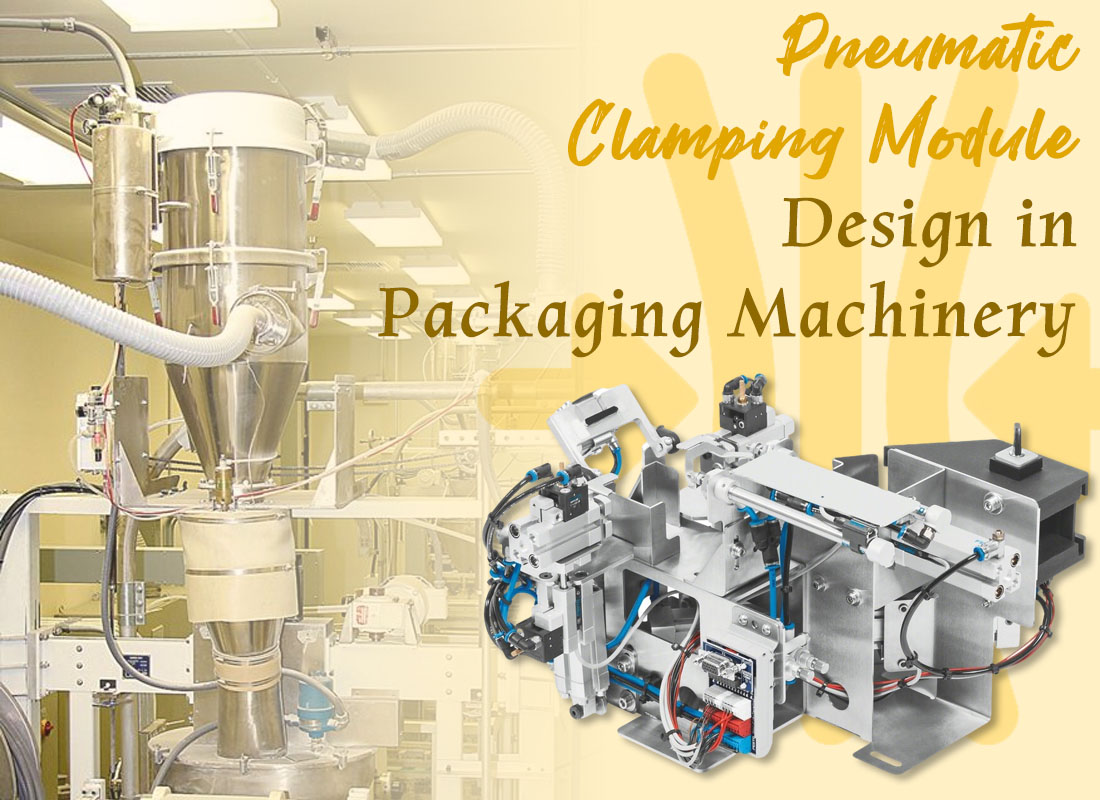 Pneumatic Clamping Module Design in Packaging Machinery
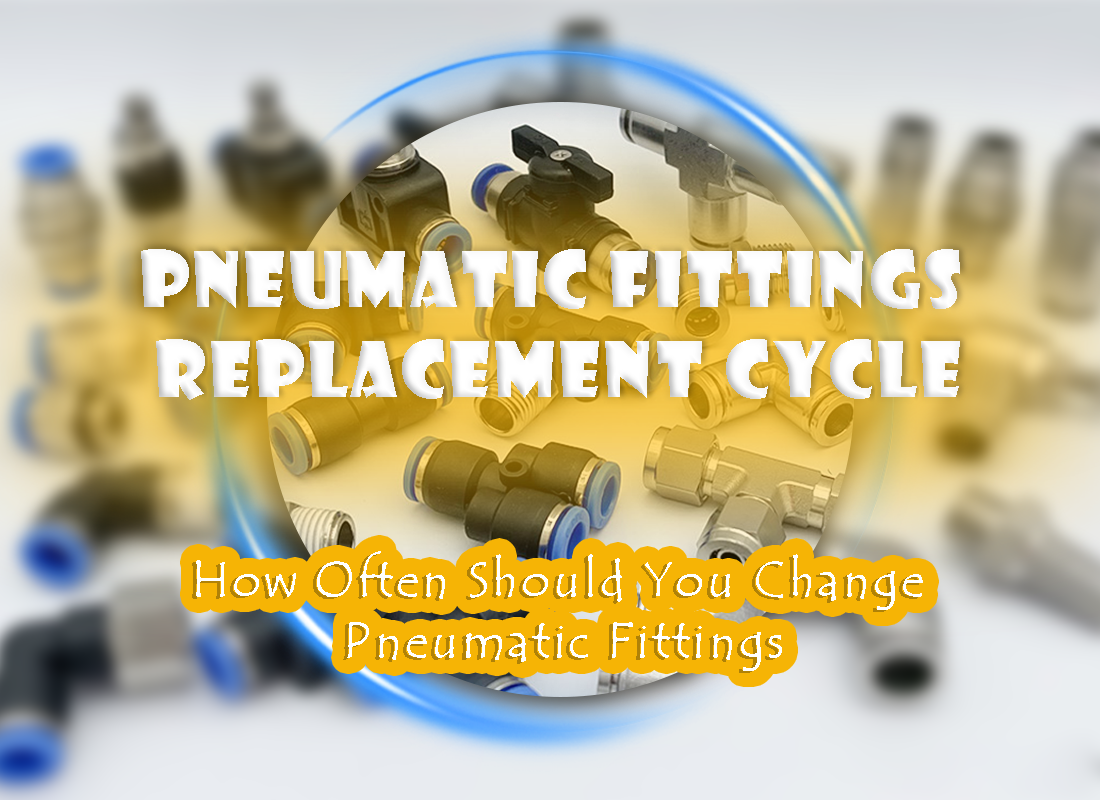 Pneumatic Fittings Replacement Cycle: How Often Should You Change Pneumatic Fittings
 Pneumatic Pusher Module Design in Pneumatic Packaging Machines
 Vacuum Filter and Response Time: Does Filtration Slow Down Vacuum Systems
 Metal Seated Pneumatic Ball Valve: When Is Metal Sealing Required?

Feb 17, 2026 Cylinder Fundamentals
Why You Need a Valve Manifold

Whatsapp QR:

WeChat QR:

Tell us about your application requirements. Our engineers will review your project and provide practical feedback within 1–2 working days.

Fescolo is the specialized custom pneumatic cylinder brand operated by Ningbo Fokca Automation Co., Ltd.
Looking for standard pneumatic and automation components?
Visit Fokca
© 2026 Ningbo Fokca Automation Co., Ltd. All Rights Reserved. Sitemap