Dec 31, 2025
Disassembling a pneumatic cylinder is often necessary when seals need replacement, internal wear must be inspected, or a cylinder has developed leakage, sticking, or abnormal movement. The mechanical work may look straightforward, but safe disassembly starts before any end cap or tie rod is loosened.
A pneumatic cylinder can retain pressure, support a suspended load, or remain connected to a mechanism that can move unexpectedly. Cylinder designs also differ: some are intended to be serviced, while others are better replaced or returned to the manufacturer. The correct approach is therefore to isolate the machine, remove stored energy, identify the cylinder construction, and only then begin disassembly.
This guide focuses on serviceable industrial pneumatic cylinders and explains what to check as each part is removed. Always follow the cylinder manufacturer's service instructions, machine safety procedures, and applicable lockout/tagout requirements when they are available.
Not every pneumatic cylinder is designed for field repair. Tie-rod cylinders and many cylinders with removable end caps can often be serviced, but compact, crimped, rolled, permanently assembled, or application-specific designs may require a different procedure or may not be intended for disassembly at all.
Before opening the cylinder, identify the model and construction. Check the manufacturer's service information and confirm that the correct seal kit and replacement parts are available. If the cylinder is safety-critical, badly damaged, heavily corroded, or of an unfamiliar construction, replacement or manufacturer-supported service may be the better option.
The most important step is to make the cylinder unable to move unexpectedly. Shut down the machine according to the site's energy-isolation procedure, isolate the compressed-air supply, and lock out the energy source where required.
Then release pressure from both cylinder chambers and the connected pneumatic circuit. Do not assume that switching off a valve has removed all pressure; trapped air can remain between valves, check valves, flow controls, or closed ports.
Also consider mechanical stored energy. A cylinder may be holding a vertical load, compressing a spring, supporting a linkage, or resisting gravity. Secure or mechanically support the load before disconnecting the actuator. A depressurized cylinder does not automatically mean the machine is safe to work on.
Before disconnecting anything, record how the cylinder is installed. Photos are useful for documenting port connections, sensor positions, mounting orientation, rod-end attachments, cushion-adjustment settings, and any spacers or special hardware.
Mark pneumatic lines if their function is not obvious. If magnetic sensors are fitted, note their positions before removal. This reduces the risk of reassembly errors and makes commissioning faster after maintenance.
Disconnect the air tubing and fittings only after pressure has been verified as released. Protect open ports and tubing from contamination. Remove sensors or external accessories that could be damaged during handling.
Support the cylinder and the connected mechanism before removing mounting pins, flange bolts, foot mounts, clevis connections, or rod-end hardware. Large or long-stroke cylinders may require additional support because their weight and length make them difficult to control on a workbench.
Dirt that enters during maintenance can damage seals and the cylinder bore after reassembly. Clean the outside of the cylinder, especially around the rod, ports, end caps, and fasteners, before opening it. Work on a clean bench and prepare trays or labeled areas so components can be kept in removal order.
Use cleaning materials and fluids compatible with the cylinder materials and seals. Avoid introducing lint, abrasive particles, or aggressive solvents unless the manufacturer specifically permits them.
There is no single disassembly method for every pneumatic cylinder. The end-cap retention method determines how the cylinder should be opened.
Cylinder construction | Typical retention | Maintenance point |
Tie-rod cylinder | Tie rods / nuts clamp the end caps and barrel | Loosen fasteners evenly and keep the original component orientation. |
Bolted or threaded end-cap design | Bolts, threads, or retaining hardware | Use the specified tools and sequence; do not force an unfamiliar end-cap design. |
Retaining-ring design | Internal or external retaining ring | Control the end cap before releasing the ring and follow the manufacturer procedure. |
Crimped / rolled / non-serviceable design | Permanent mechanical retention | Do not improvise disassembly; replacement or factory service may be required. |
Do not use excessive force to separate parts. If an end cap does not release as expected, stop and confirm the construction. Hammering, prying, or clamping directly on precision surfaces can turn a repairable cylinder into a damaged one.
Once the end-cap arrangement has been released, remove the piston and piston-rod assembly carefully. Protect the rod surface, barrel bore, seal grooves, and bearing surfaces from scratches and dents. These surfaces directly affect sealing and service life.
Do not grip a finished piston rod with serrated pliers or clamp it directly in an unprotected vise. If the assembly must be held, use a method that protects the rod finish and follows the manufacturer's service procedure.
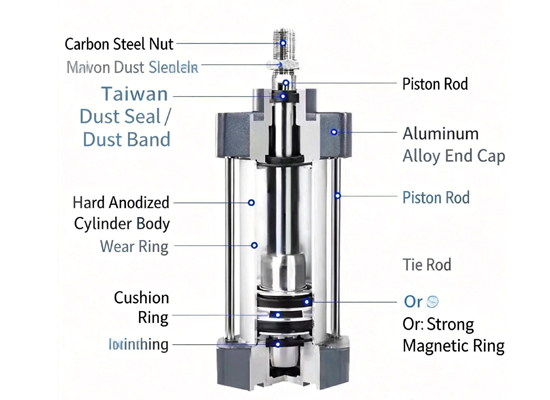
Disassembly is useful only if the inspection explains why the cylinder was opened. A leaking cylinder does not always need only a new seal; a damaged rod or scored bore can quickly damage the replacement seal again.
Part | What to inspect | Why it matters |
Piston rod | Scratches, corrosion, dents, bending, damaged threads | Rod damage can wear the rod seal and create external leakage or binding. |
Cylinder bore / tube | Scoring, corrosion, contamination, abnormal wear | A damaged bore can reduce sealing performance and shorten new-seal life. |
Piston and guides | Wear, looseness, damaged guide or wear rings | Excessive clearance can allow misalignment and uneven seal wear. |
Seals | Cuts, flattening, hardening, swelling, wear | Seal condition can indicate age, contamination, lubrication or compatibility problems. |
End caps / bearing area | Wear, cracks, damaged threads or sealing surfaces | Damage can affect rod guidance, sealing and structural integrity. |
Cushion components | Needles, seals and cushion sleeves/plungers for damage or contamination | Cushion faults can cause hard end-of-stroke impact or poor adjustment. |
Ports and passages | Contamination, damaged threads, blockage | Restrictions or damaged connections can affect airflow and sealing. |
If the failure pattern suggests side loading, misalignment, contamination, unsuitable seal material, excessive speed, or repeated end-of-stroke impact, correct the root cause as well as replacing the worn parts. Otherwise the same failure may return after the cylinder is rebuilt.
Use replacement parts that match the cylinder model, dimensions, material requirements, and operating environment. Seal profile and installation direction matter; an O-ring, U-cup, rod seal, piston seal, wiper, and wear ring do not perform the same function.
Clean seal grooves and mating surfaces before installation. Lubrication should be compatible with the seal material and the cylinder manufacturer's requirements. More grease is not automatically better: excessive or unsuitable lubricant can attract contamination or interfere with some applications.
Reassemble components in their original orientation unless the service instructions specify otherwise. Protect seal lips as they pass threads, grooves, ports, or sharp edges. Install the piston and rod assembly without forcing it through the barrel.
Tighten tie rods, end-cap bolts, and other fasteners evenly and to the specified torque where values are provided. Reinstall cushion adjustments, sensors, fittings, and mounting hardware in the documented positions. If a component does not fit smoothly, stop and check alignment rather than forcing the assembly together.
After reassembly, the cylinder should not immediately be returned to full production. Reconnect it in a controlled condition and begin with reduced pressure or another manufacturer-approved commissioning method where practical.
Check for external leakage, smooth extension and retraction, abnormal friction, correct sensor operation, and proper cushioning. Run the cylinder through its full stroke while observing the mounting and connected mechanism. Only restore normal operating pressure and production speed after the cylinder and machine function have been verified.
A seal kit cannot correct every cylinder problem. Replacement is often more appropriate when the barrel is deeply scored, the rod is bent or severely corroded, structural parts are cracked, threads are damaged, replacement parts are unavailable, or the cylinder is not designed for service.
For an OEM or maintenance team, the useful question is not simply whether a cylinder can be taken apart. It is whether the rebuilt cylinder can return to service with predictable sealing, alignment, and mechanical integrity. If that cannot be established, replacement is the safer engineering decision.
If the same cylinder repeatedly needs seals or internal parts, the cylinder itself may not be the root cause. Side load, poor alignment, contaminated compressed air, unsuitable materials, excessive cycling, inadequate cushioning, or an application that exceeds the original cylinder design can all shorten service life.
This is particularly important for custom equipment. When a standard cylinder repeatedly fails because of the installation envelope, mounting geometry, stroke, load direction, environment, or duty cycle, changing the application design or cylinder configuration may be more effective than repeatedly rebuilding the same actuator.
No. Some cylinders are designed for maintenance and seal replacement, while others use crimped, rolled, compact, or application-specific constructions that are not intended for field disassembly. Identify the model and follow the manufacturer instructions first.
Removing compressed air eliminates pneumatic energy, but a cylinder can still be connected to gravity loads, springs, linkages, or other stored mechanical energy. Both energy sources must be controlled before work begins.
Check the seals, but also inspect the piston rod, bore, guide surfaces, fittings, ports, and alignment. A new seal may fail quickly if a scratched rod, scored bore, contamination, or side loading is left uncorrected.
Follow the manufacturer's service recommendation and use the correct repair kit. In many service procedures, seals and other wear parts are replaced while the cylinder is open, but the exact parts depend on the cylinder design and condition.
Begin in a controlled condition. Check leakage, smooth movement, full stroke, sensor operation, mounting, and cushioning before returning the machine to normal pressure and production speed.
 Pneumatic Clamping Module Design in Packaging Machinery
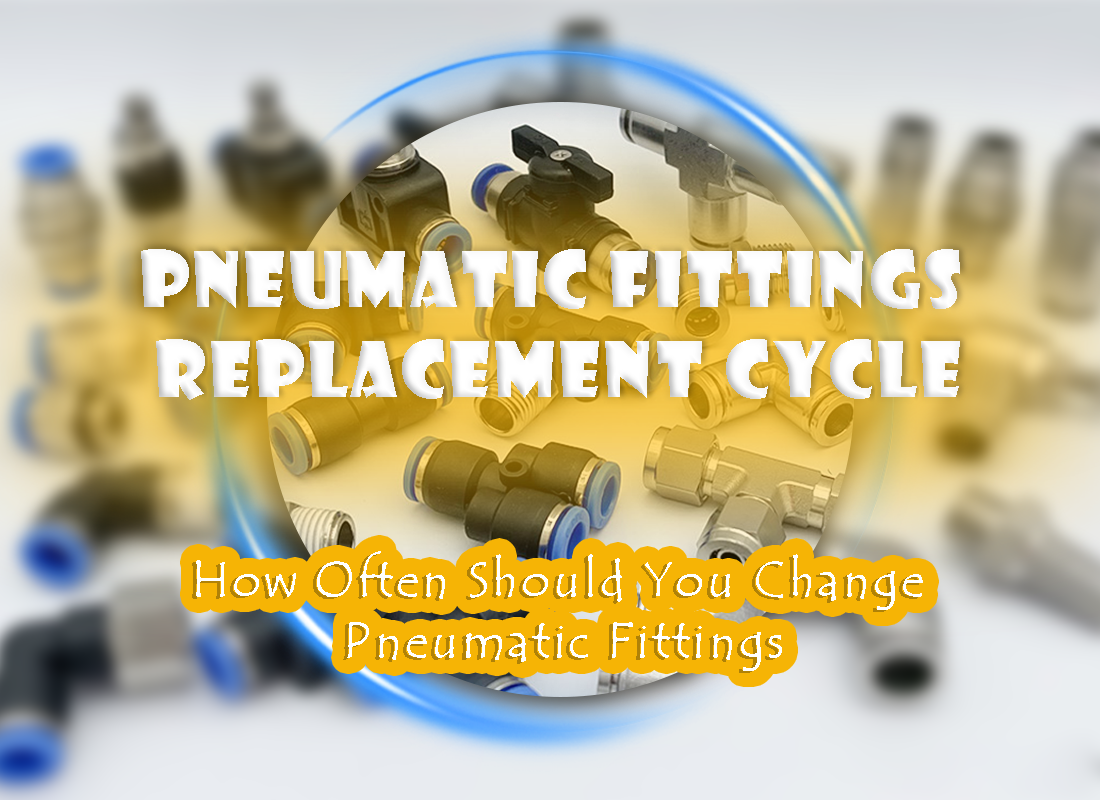 Pneumatic Fittings Replacement Cycle: How Often Should You Change Pneumatic Fittings
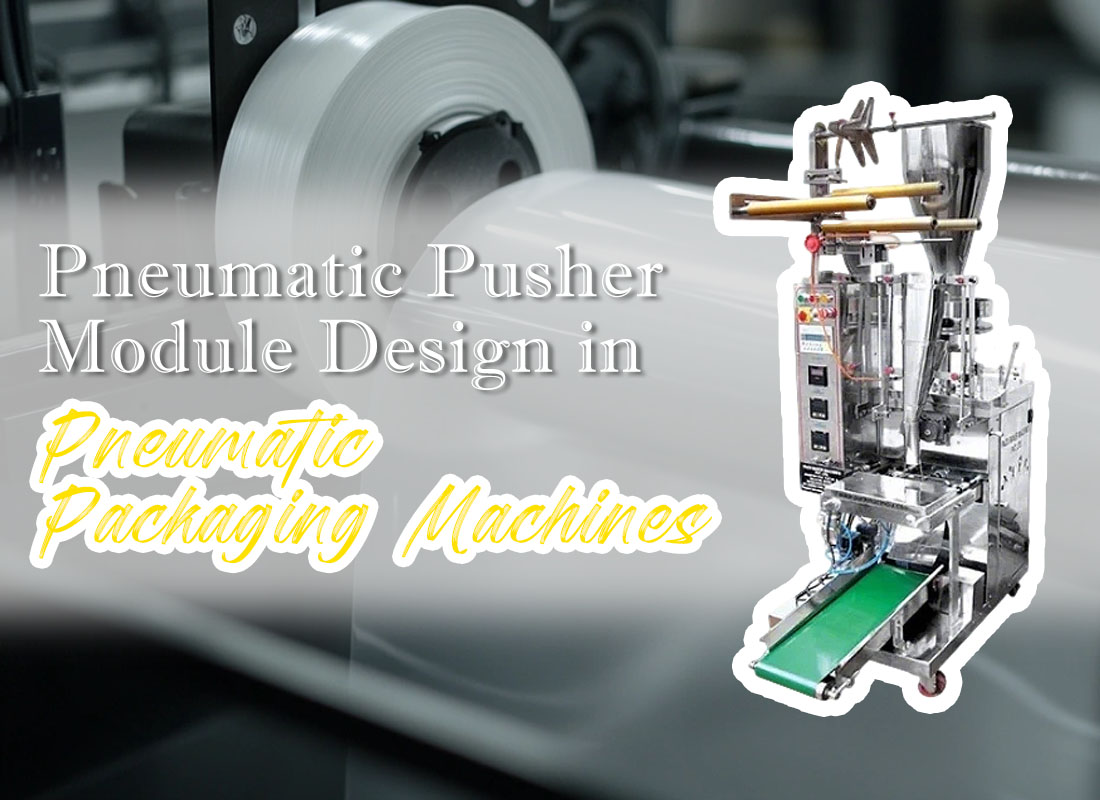 Pneumatic Pusher Module Design in Pneumatic Packaging Machines
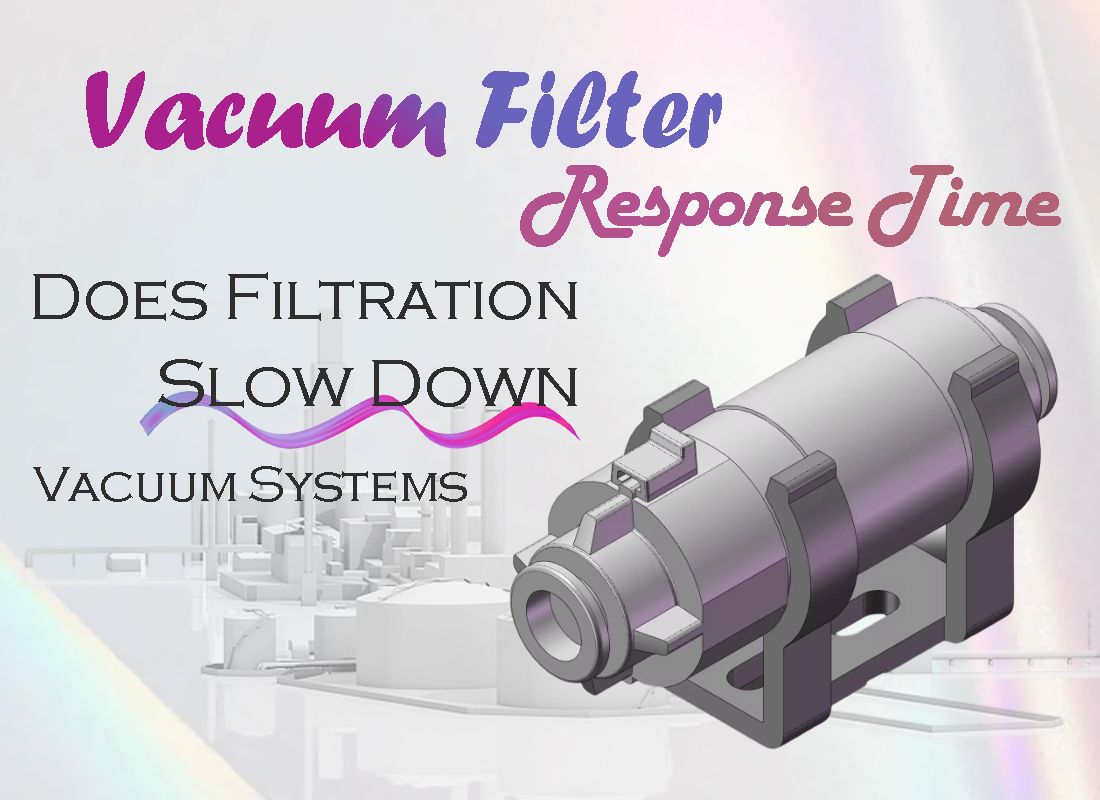 Vacuum Filter and Response Time: Does Filtration Slow Down Vacuum Systems
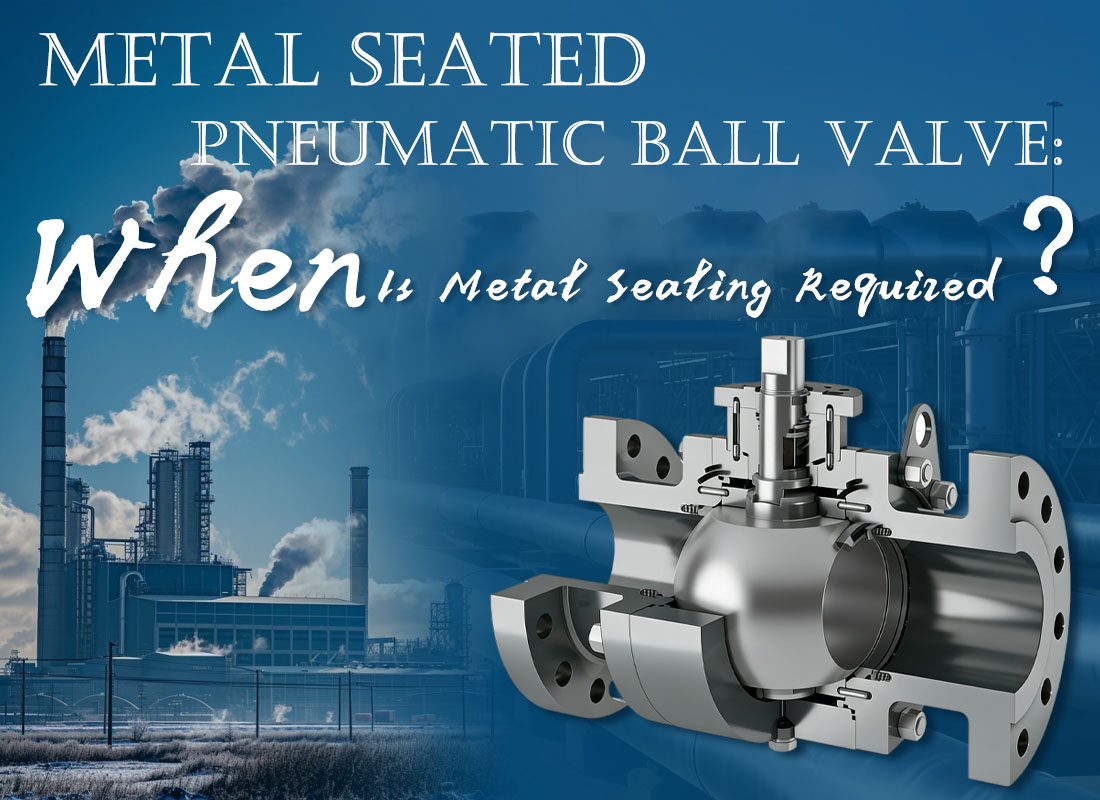 Metal Seated Pneumatic Ball Valve: When Is Metal Sealing Required?

Whatsapp QR:

WeChat QR:

Tell us about your application requirements. Our engineers will review your project and provide practical feedback within 1–2 working days.

Fescolo is the specialized custom pneumatic cylinder brand operated by Ningbo Fokca Automation Co., Ltd.
Looking for standard pneumatic and automation components?
Visit Fokca
© 2026 Ningbo Fokca Automation Co., Ltd. All Rights Reserved. Sitemap