Mar 19, 2026
In most industrial systems, pneumatic fittings are often overlooked because they are small and inexpensive. However, they play a critical role in sealing and system stability. Under normal working conditions—such as room temperature, standard pressure, and non-corrosive indoor environments—pneumatic push in fittings do not require regular replacement. Instead, periodic inspection is usually sufficient to ensure long-term performance.
Unlike consumables, pneumatic quick coupling and push-in fittings are designed for long service life. Their internal structure—typically including sealing rings and gripping claws—allows repeated use without frequent failure.
In stable environments, these components can last for years because:
◆No continuous wear under static conditions
◆Minimal exposure to heat or chemical degradation
◆Stable air pressure reduces mechanical stress
This is why many equipment engineers treat them as semi-permanent parts rather than scheduled replacement items.
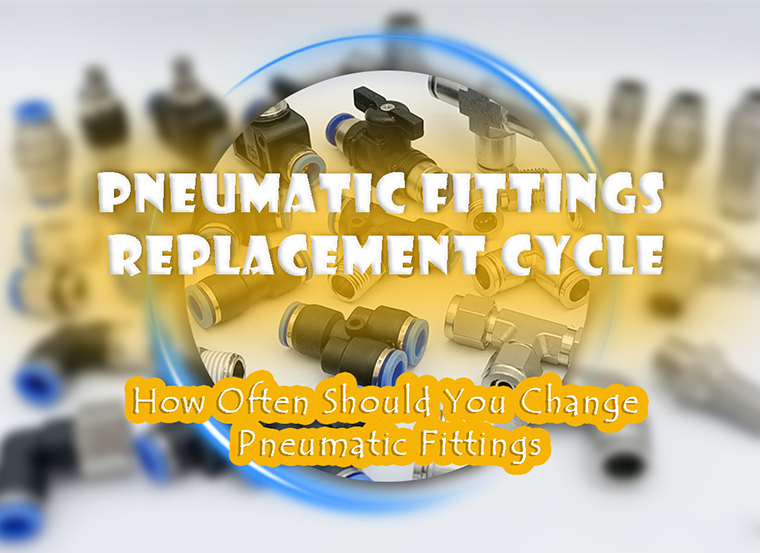
Although routine replacement is unnecessary, certain symptoms clearly indicate intervention is required. Recognizing these signs early helps avoid downtime.
The most common issues include:
◆Air leakage at connection points
◆Difficulty inserting or removing tubes
◆Tubes becoming loose or slipping out
Each symptom points to a different internal issue. For example, leakage often relates to sealing problems, while loosening usually indicates structural damage inside the fitting.
In many cases, replacing the entire fitting is not necessary. The root cause often lies in the sealing component.
| Issue Type | Likely Cause | Recommended Action |
|---|---|---|
| Air leakage | Aging or damaged sealing ring | Replace seal ring |
| Hard insertion | Deformed internal structure | Replace fitting |
| Tube slipping | Worn gripping claws | Replace fitting |
Seal rings are typically the first component to degrade, especially in environments with higher temperatures or frequent tube insertion cycles.
For example, in automated assembly lines where tubes are frequently disconnected, sealing wear occurs much faster than in static systems.
Even though pneumatic fittings are durable, certain conditions can shorten their lifespan significantly:
1.High temperature environments accelerating rubber aging
2.Frequent tube insertion/removal cycles
3.Poor air quality with moisture or particles
4.Mechanical vibration in equipment
In such cases, inspection intervals should be shortened. Pairing fittings with proper air treatment units can greatly extend service life. For instance, using air filter regulators helps reduce contamination inside the system.
For distributors and maintenance teams, the goal is not frequent replacement, but predictive inspection and selective replacement.
A practical approach includes:
1.Scheduled visual inspection every 3–6 months
2.Leak testing in critical systems
3.Keeping spare pneumatic push in fittings and seal kits available
Additionally, choosing high-quality components from the start reduces long-term maintenance costs. Products like pneumatic push in fittings with reinforced claws and high-grade seals perform more reliably over time.
There are situations where replacing the entire pneumatic quick coupling is unavoidable:
1.Internal claw failure leading to unsafe tube retention
2.Cracks in the fitting body due to impact or stress
3.Severe corrosion in harsh environments
Once structural integrity is compromised, partial repair is no longer safe. Immediate replacement is the only reliable solution.
In real-world applications, pneumatic fittings rarely fail without warning. Most issues develop gradually and can be addressed through simple inspection or minor component replacement. For engineers and buyers, understanding this behavior helps reduce unnecessary costs while maintaining system reliability.
For systems requiring consistent performance, combining proper maintenance with high-quality components—such as durable pneumatic quick couplings —ensures long-term operational stability without excessive replacement cycles.
(FK9026)
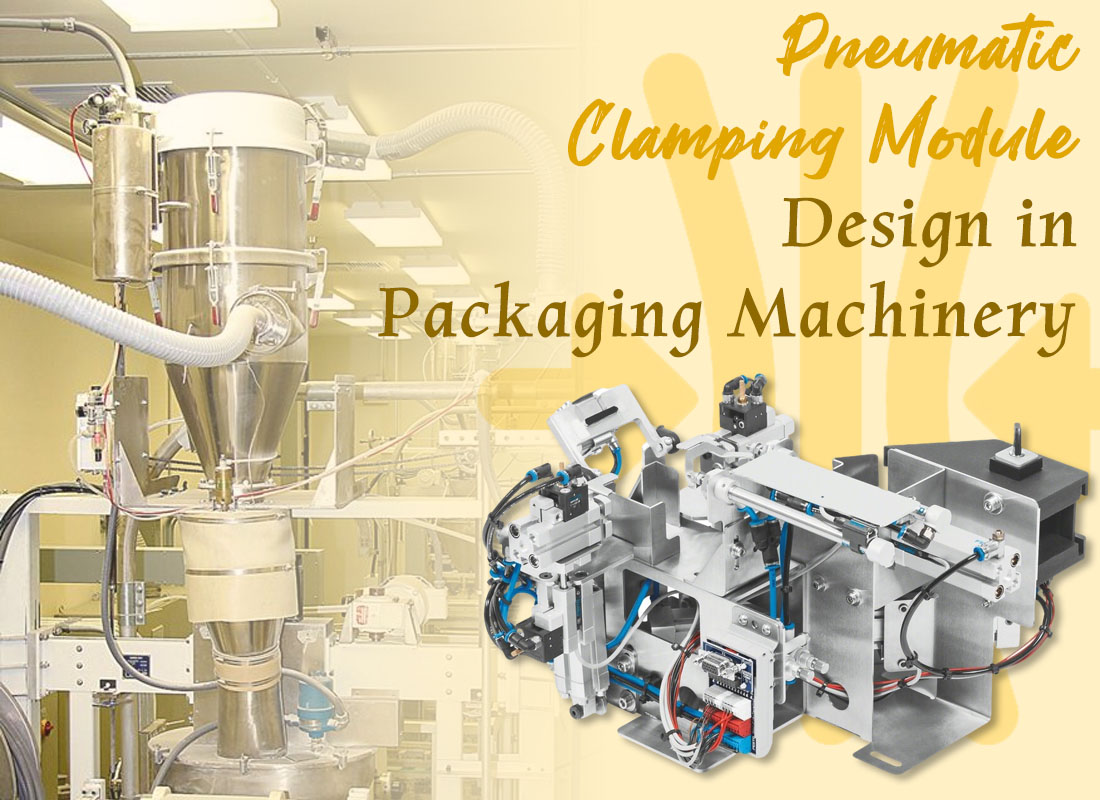 Pneumatic Clamping Module Design in Packaging Machinery
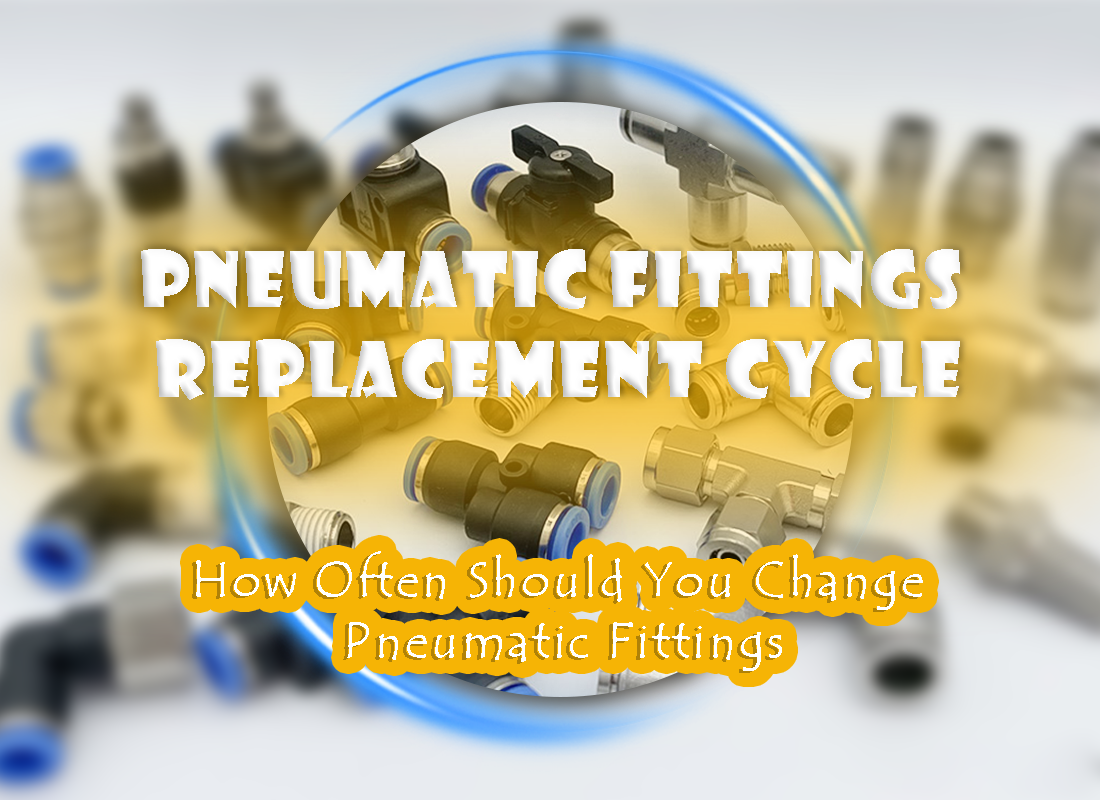 Pneumatic Fittings Replacement Cycle: How Often Should You Change Pneumatic Fittings
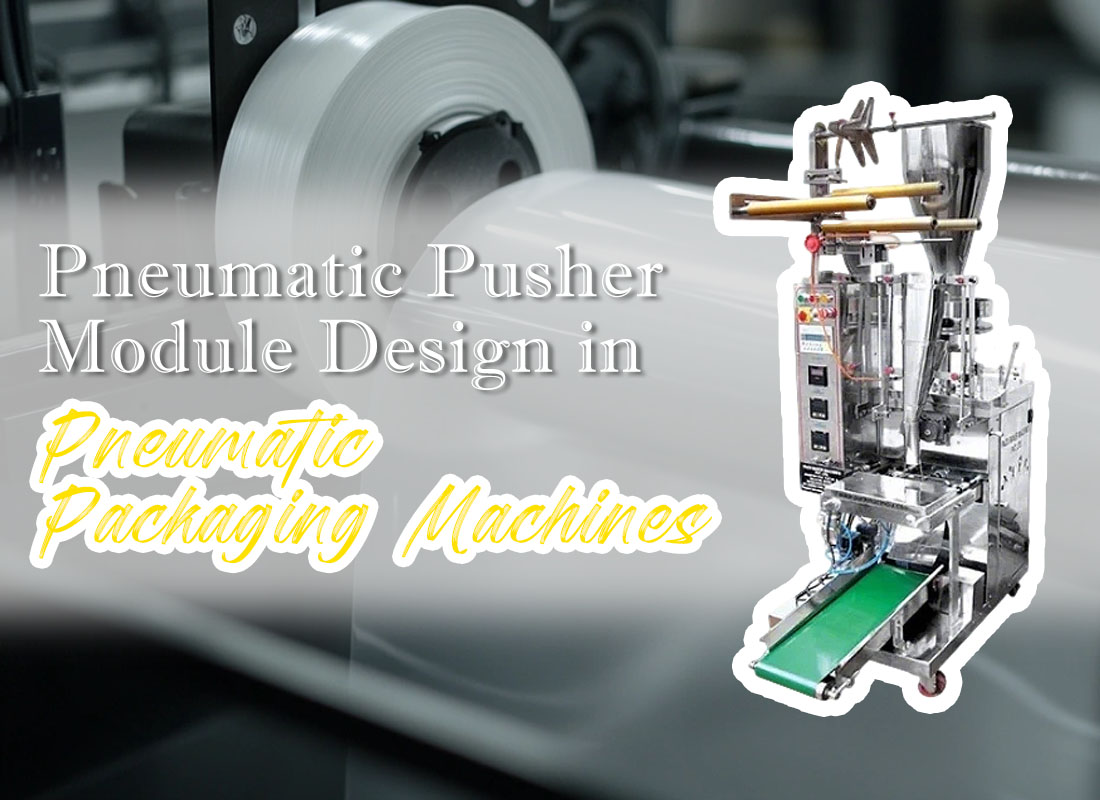 Pneumatic Pusher Module Design in Pneumatic Packaging Machines
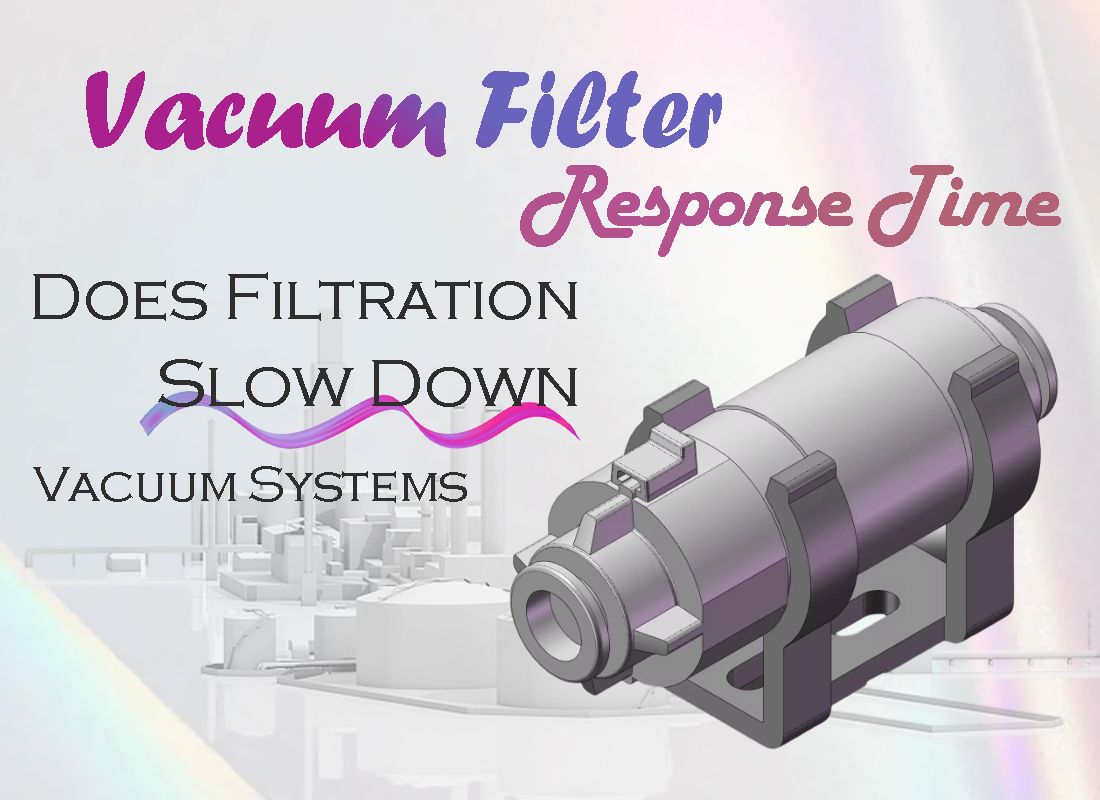 Vacuum Filter and Response Time: Does Filtration Slow Down Vacuum Systems
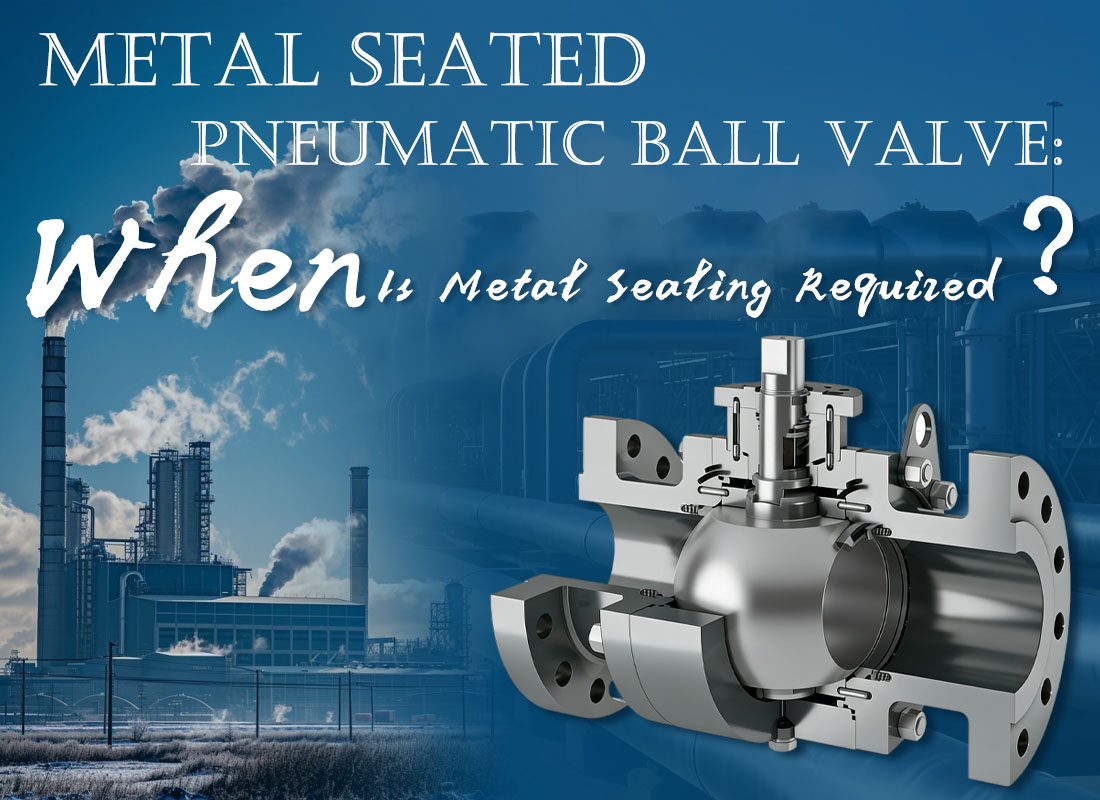 Metal Seated Pneumatic Ball Valve: When Is Metal Sealing Required?

Whatsapp QR:

WeChat QR:

Tell us about your application requirements. Our engineers will review your project and provide practical feedback within 1–2 working days.

Fescolo is the specialized custom pneumatic cylinder brand operated by Ningbo Fokca Automation Co., Ltd.
Looking for standard pneumatic and automation components?
Visit Fokca
© 2026 Ningbo Fokca Automation Co., Ltd. All Rights Reserved. Sitemap