Feb 25, 2026
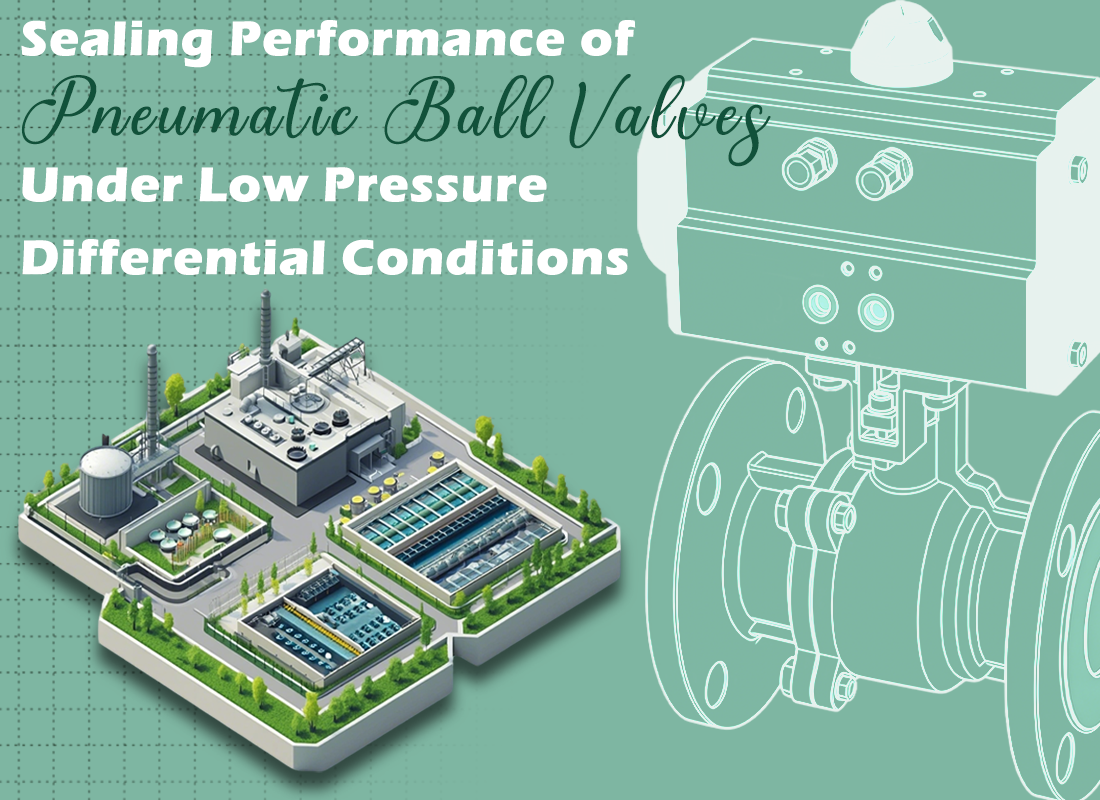
The pneumatic ball valve is widely recognized for its reliable shutoff performance. However, sealing behavior changes significantly when operating under low pressure differential or near-zero differential conditions.
Understanding this mechanism helps distributors, engineers, and end users select the correct valve design for demanding applications.
In high differential pressure conditions, the media itself pushes the ball against the seat, enhancing contact force and ensuring tight shutoff. This is commonly observed in a high pressure pneumatic ball valve used in oil & gas or chemical systems.

Under low pressure differential:
◆ Media assistance disappears
◆ Sealing force depends mainly on seat preload
◆ Contact pressure between ball and seat is reduced
This explains why some pneumatic actuated ball valve installations may experience slight internal leakage at low differential pressure.
In systems such as pneumatic ball valve for HVAC, balanced gas lines, or water circulation loops, the valve may face minimal pressure differential.
Typical risks include:
◆ Minor internal seepage
◆ Uneven seat contact
◆ Preload relaxation over time
These issues are related to seat structure rather than the pneumatic ball valve actuator or control system.
The sealing behavior under different pressure conditions is shown below:
| Condition | Sealing Force Source | Shutoff Reliability | Risk of Micro Leakage |
|---|---|---|---|
| High Pressure Differential | Media pressure + seat preload | Excellent | Very Low |
| Medium Pressure Differential | Seat preload + partial media force | Good | Low |
| Low Pressure Differential | Seat preload only | Moderate | Medium |
| Near Zero Pressure | Seat preload only | Depends on seat design | Higher |
Modern pneumatic ball valves compensate for low pressure differential sealing challenges through:
◆ Enhanced elastic seat structure
◆ Spring-loaded seat preload system
◆ Bidirectional sealing design
◆ Advanced PTFE or reinforced seat materials
For a stainless steel pneumatic ball valve 316, seat design is especially critical in corrosive or clean applications.
When selecting a quarter turn pneumatic ball valve for low differential systems:
◆ Verify seat preload structure
◆ Consider a double acting pneumatic ball valve for stable closing force
◆ Review the pneumatic ball valve sizing chart carefully
◆ Confirm shutoff class requirement during specification
Applications such as pneumatic ball valve for water system, pneumatic ball valve for gas, and other pneumatic ball valve for automation systems may require additional sealing considerations.
Understanding how pneumatic ball valve works under varying pressure conditions helps avoid unexpected micro leakage and improves long-term reliability.
(FK9025)
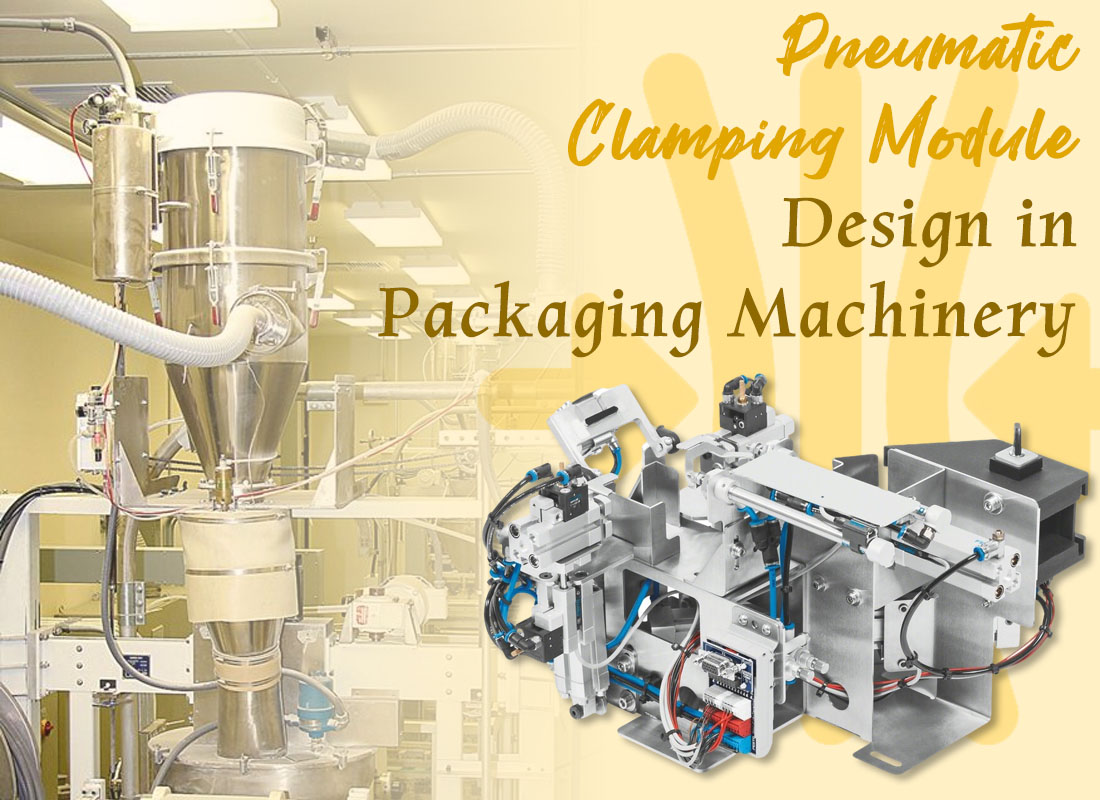 Pneumatic Clamping Module Design in Packaging Machinery
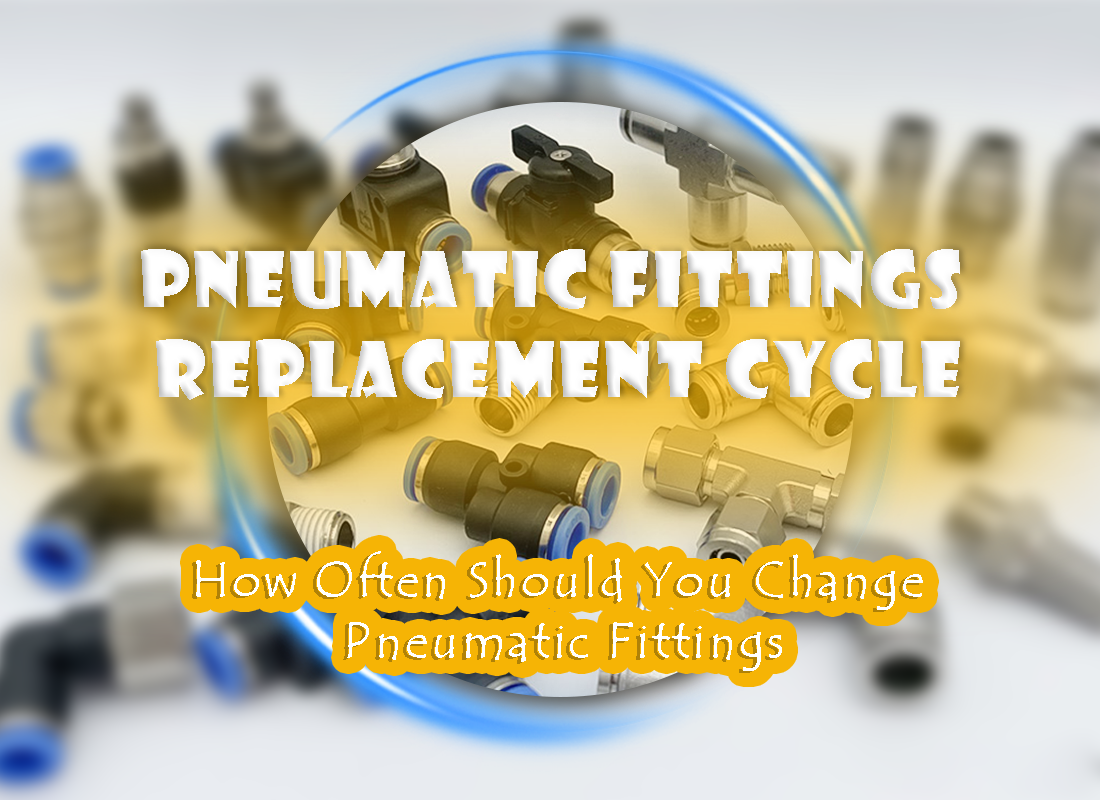 Pneumatic Fittings Replacement Cycle: How Often Should You Change Pneumatic Fittings
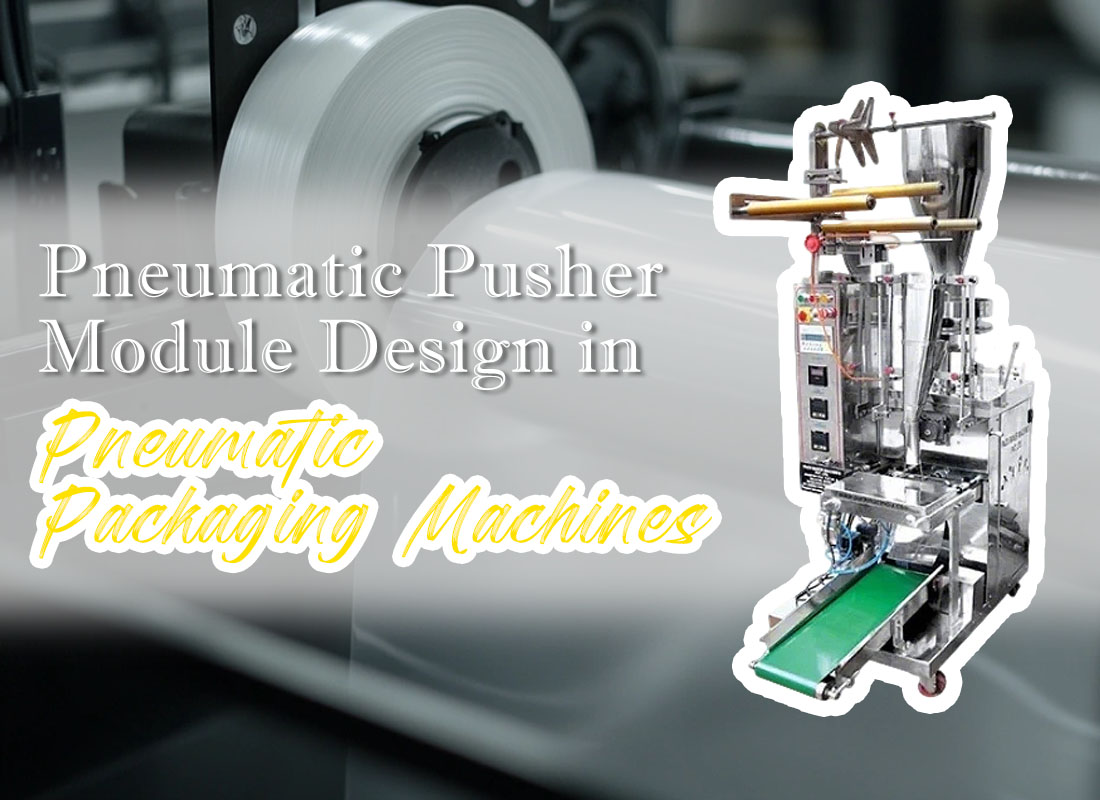 Pneumatic Pusher Module Design in Pneumatic Packaging Machines
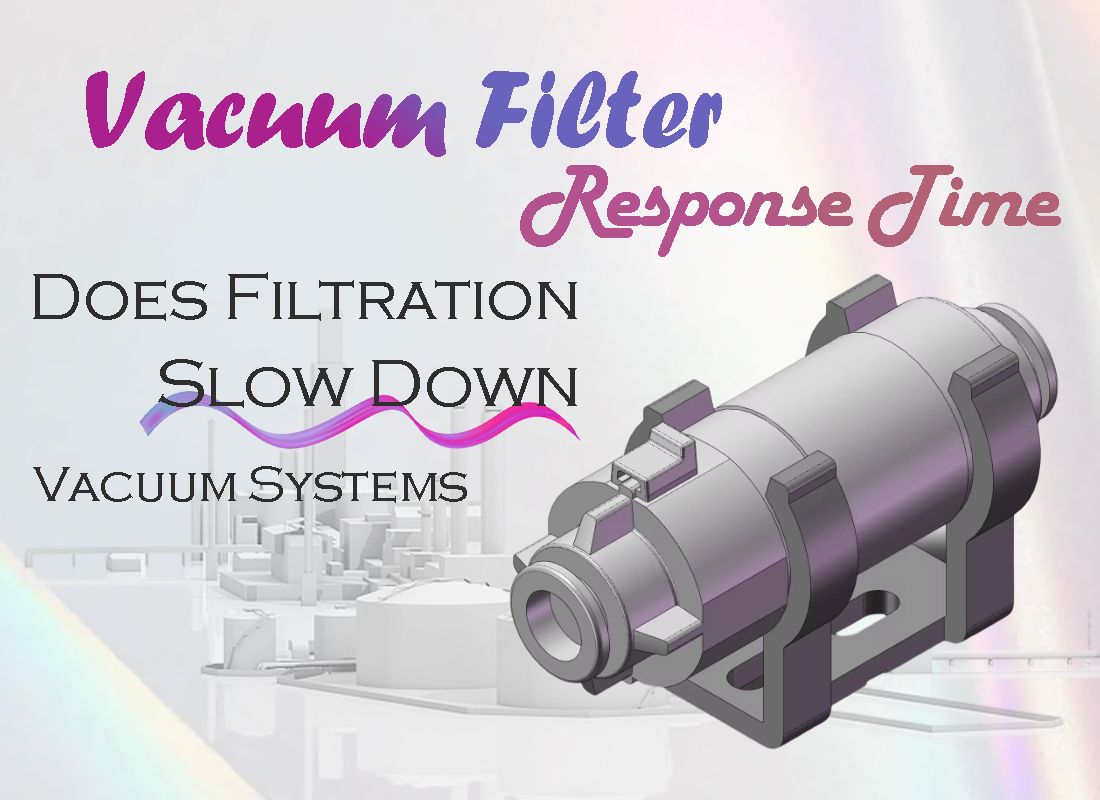 Vacuum Filter and Response Time: Does Filtration Slow Down Vacuum Systems
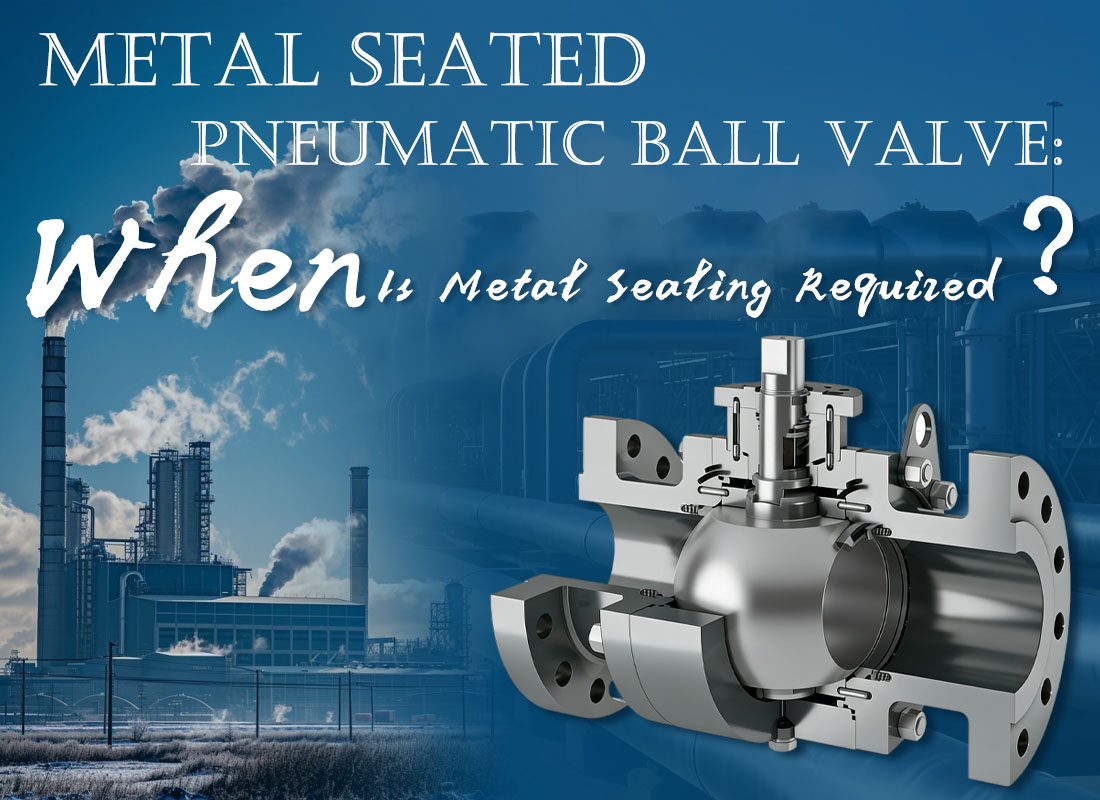 Metal Seated Pneumatic Ball Valve: When Is Metal Sealing Required?
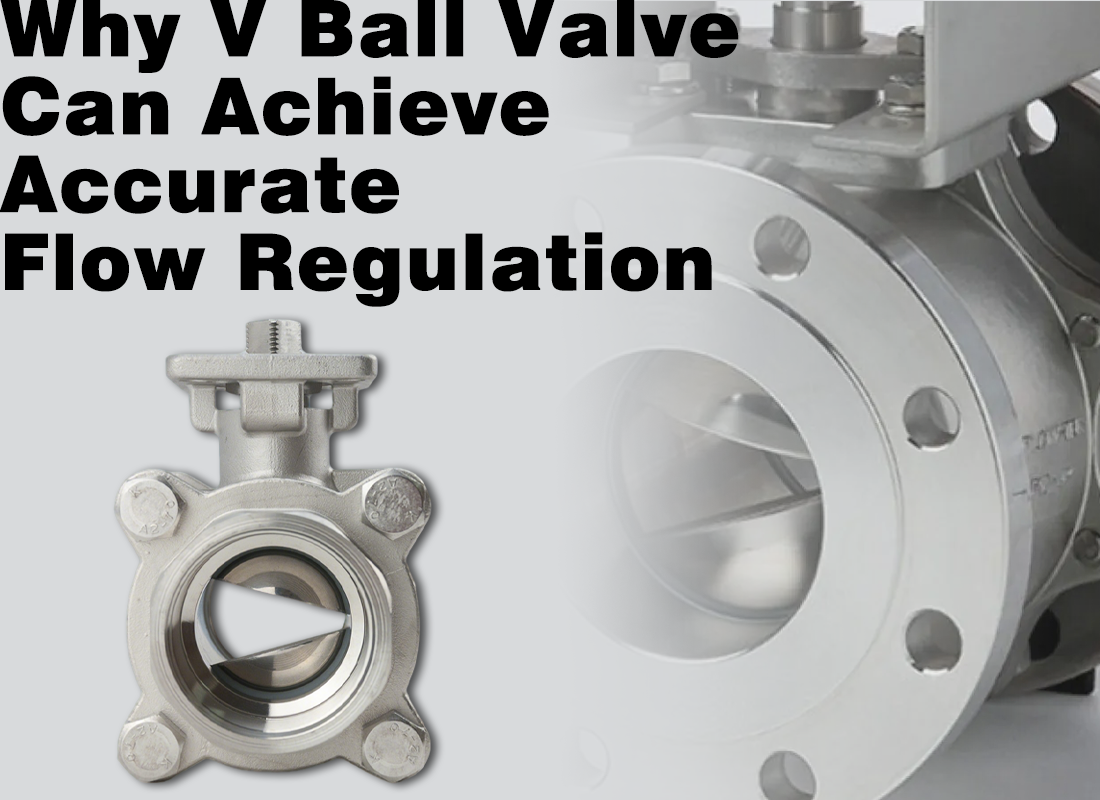
Feb 17, 2026 Cylinder Fundamentals
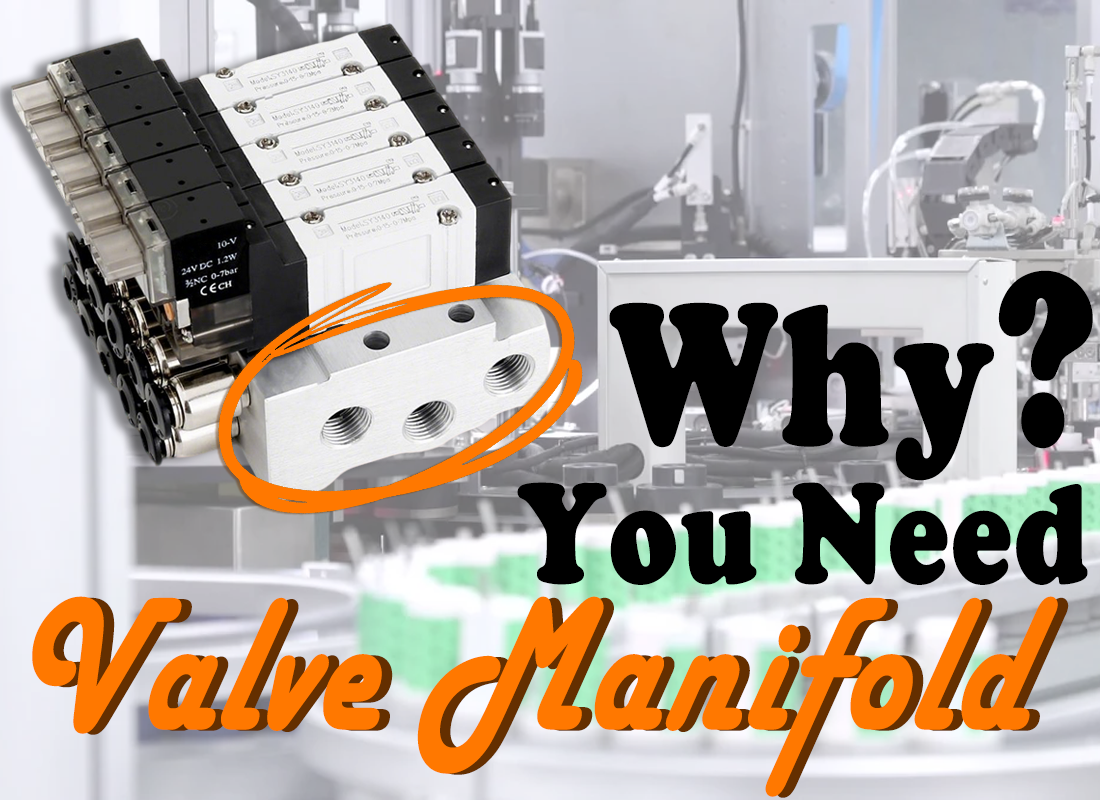
Why You Need a Valve Manifold

Whatsapp QR:

WeChat QR:

Tell us about your application requirements. Our engineers will review your project and provide practical feedback within 1–2 working days.

Fescolo is the specialized custom pneumatic cylinder brand operated by Ningbo Fokca Automation Co., Ltd.
Looking for standard pneumatic and automation components?
Visit Fokca
© 2026 Ningbo Fokca Automation Co., Ltd. All Rights Reserved. Sitemap