Jan 16, 2026
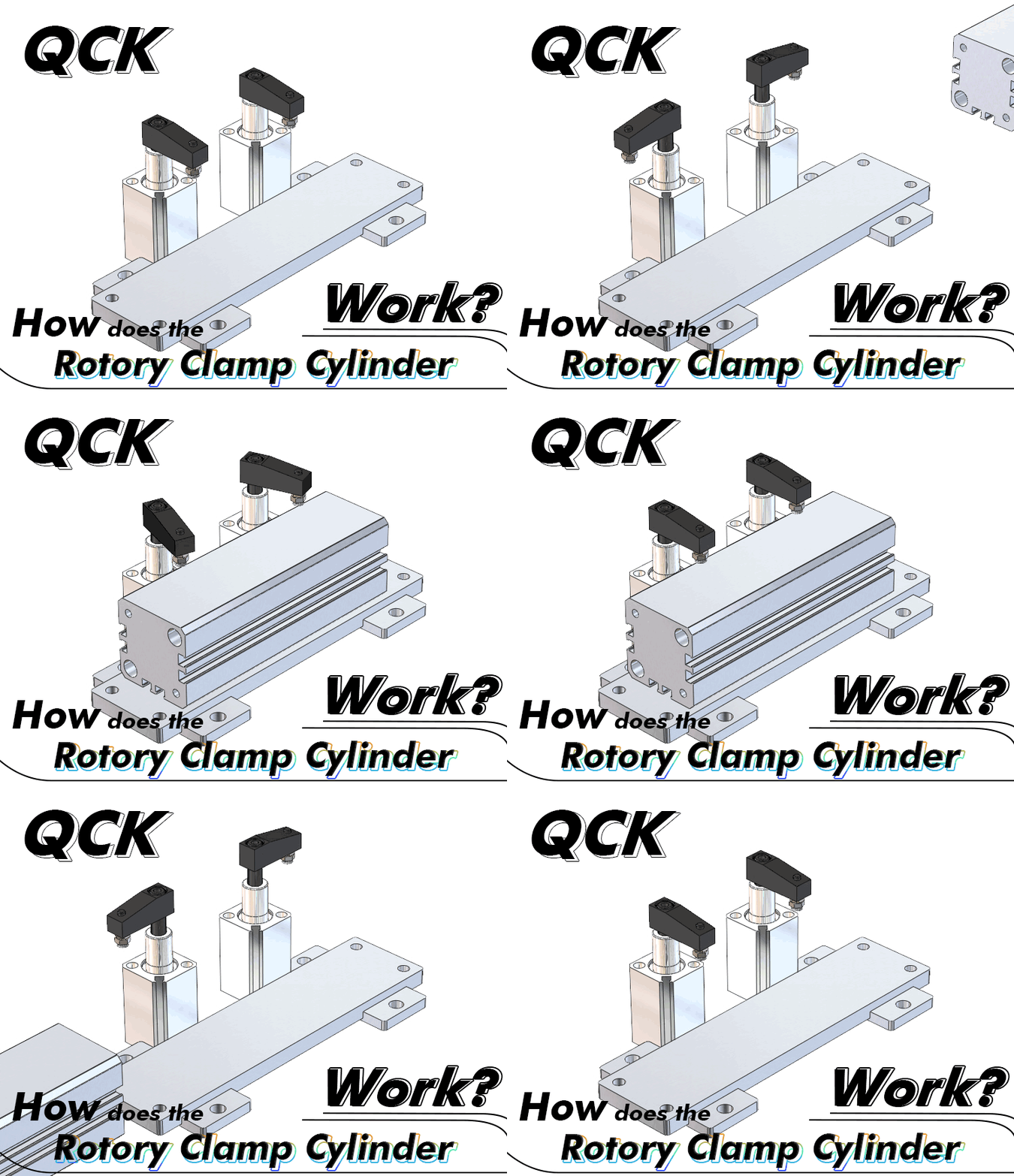
The rotary clamp cylinder is not just a type of pneumatic cylinder; it represents a classic application of cylinder technology. In the era of industrial modernization and automation, you often see this type of cylinder when visiting assembly lines in large production workshops. But do you truly understand it?
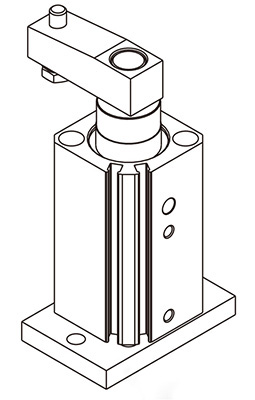
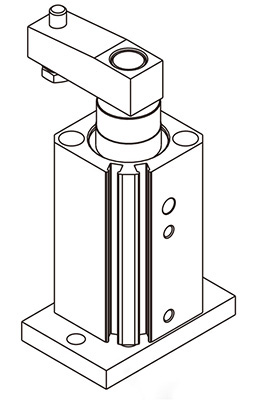 A rotary clamp cylinder is a composite pneumatic actuator. It is not limited to traditional linear reciprocating motion but integrates rotational movement with linear clamping action into a single unit.
During operation, the piston and piston rod of the cylinder first rotate under pressure-driven force. After reaching the preset angle and position, they then perform a linear axial motion to achieve the clamping function.
Typically, a cross-arm pressure plate or other specific fixture is mounted on the piston rod. This enables the fixture to rotate 90 degrees while moving downward to clamp the workpiece. After processing is complete, it rises to release the workpiece, then rotates 90 degrees in the reverse direction, returning the pressure plate to its initial position. This clears the operating space, facilitating the removal and placement of workpieces.
This continuous sequence of "rotate-clamp-release-return" significantly optimizes the automated clamping process. It is particularly suitable for tooling applications with space constraints or where interference needs to be avoided, effectively improving production cycle time and operational safety.
In automated assembly, machining, and positioning, rapid and reliable workpiece clamping is a core requirement. By integrating two motion sequences into one unit, the rotary clamping cylinder greatly simplifies mechanical structures, improves space utilization, and reduces costs.
Its compact design allows for installation at very close intervals, enabling multi-point, multi-directional clamping of workpieces. It also facilitates the dense arrangement of multiple clamping points along an entire production line, which is difficult to achieve with traditional decentralized drive solutions.
In terms of reliability, its motion posture, sequence, and rotation angle are mechanically guaranteed by the internal structure, ensuring 100% repeatability and consistency in the clamping posture.
Various series are available, with parameters such as clamping force, clamping stroke, and clamping angle being customizable to meet the vast majority of conventional industrial needs.
In fact, rotary cylinders are widely used in current automated production lines and fixture clamping industries, especially in electronics manufacturing and CNC tooling fixture sectors. Aligning with automation trends, their use is expected to expand further in the future.
The biggest difference between a rotary clamping cylinder and a standard cylinder is that its entire action is clearly divided into two distinct stages, each with an independent stroke. This is due to its special internal piston rod structure.
Taking the Airtac QCK series cylinder as an example, the piston and piston rod are rigidly connected. The piston rod has a helical groove, and a guide pin inserted into the cylinder barrel engages with this groove. This guide pin plays a crucial role in controlling the motion posture of the piston rod. The two motion stages are explained below:
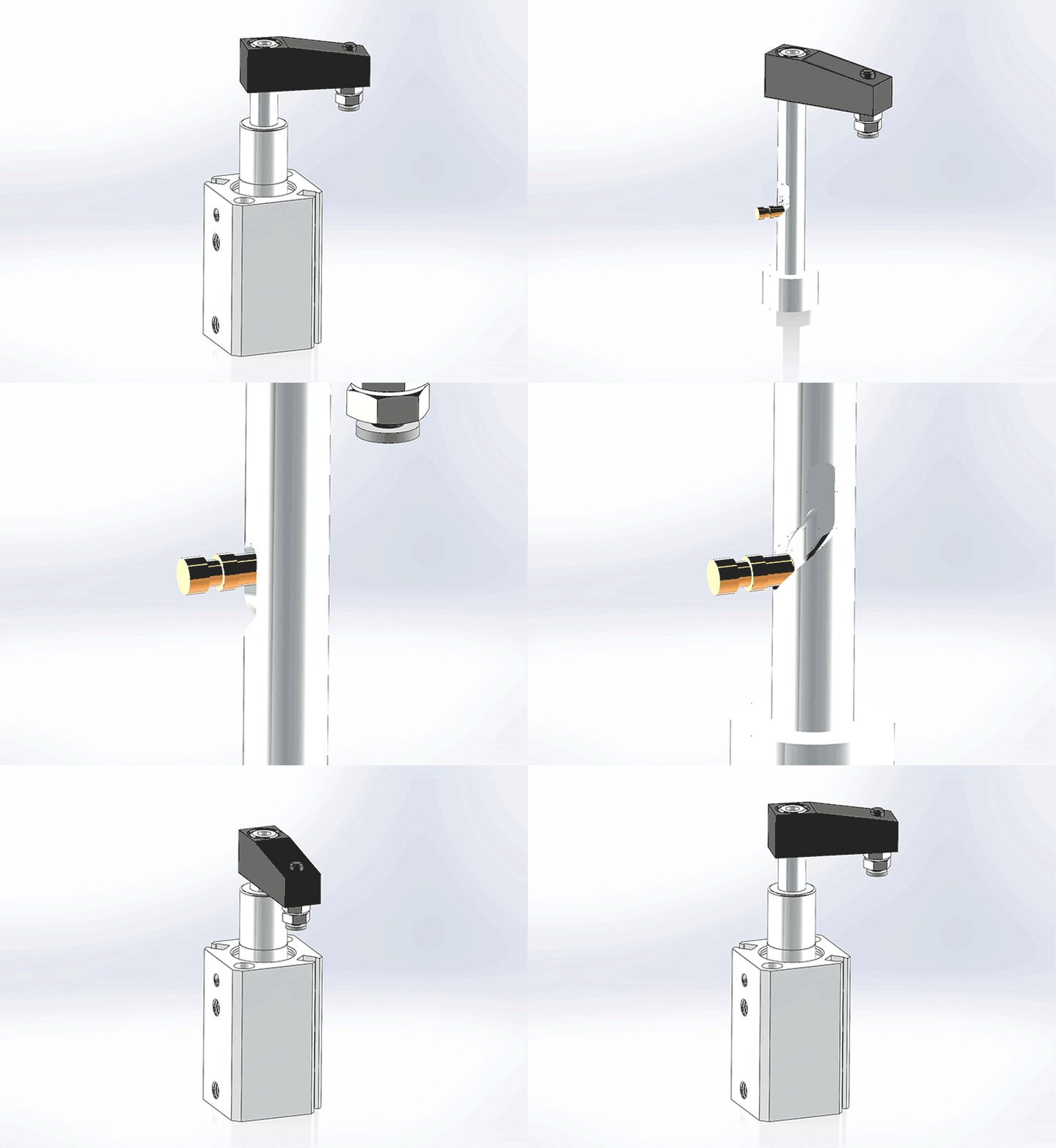
Initial Setup: To clamp a workpiece, first, supply air to keep the piston rod in the extended state, then place the workpiece in the designated position.
When compressed air enters through the upper inlet port, the piston, driven by air pressure, begins to retract, pulling the piston rod back. Simultaneously, the guide pin fixed on the cylinder barrel engages with the helical groove machined on the piston rod's outer surface. This converts the linear motion of the piston into precise rotational motion. The piston rod rotates 90° in the predetermined direction, thereby accurately positioning the clamping device mounted on its end directly above the workpiece.
It is important to note that during this stage, rotation and piston rod retraction occur synchronously. The distance the piston rod retracts during this process is defined as the rotation stroke.
After rotational positioning is complete, the cylinder continues to receive compressed air. At this point, the piston and piston rod, driven by air pressure, continue to retract axially. This drives the clamping device (such as a pressure arm or plate) downward until it stably presses against the workpiece surface. At this stage, the workpiece is securely fixed and ready for subsequent processing.
After workpiece processing is finished, by switching the air supply direction, the piston rod pushes the clamping device upward to release the workpiece. Then, again through the interaction of the helical groove and guide pin, it rotates 90° in reverse, returning the clamping device to its initial position. This facilitates the removal of the processed workpiece and the installation of a new one.
◆ Quick Tool/Workpiece Change in Machining Centers: In compact spaces like beside the spindle, the clamping jaw first rotates to avoid interference, then extends linearly to clamp the tool holder or workpiece. This perfectly solves the motion interference problem traditional mechanisms have with the spindle.
◆ Workpiece Repositioning in Automated Assembly Lines: The cylinder drives the clamping jaw to rotate and change the workpiece orientation, then clamps it linearly. A single unit completes both flipping/reorienting and fixing, simplifying the multi-process linkage structures on assembly lines.
◆ Intelligent Grasping in Material Handling: As an end-effector on robots, it can first rotate to adjust the grasping angle, clamp the item, then rotate again to place it in a precise orientation. This simplifies the motion path planning for the robot itself.
Fokca(Fescolo)is a pneumatic cylinder supplier. As a leading Chinese supplier in this field, we specialize in providing high-quality, precision-engineered cylinders designed for a variety of applications.
Our products are widely used in robotics, automation, and other industries where compact and efficient solutions are essential. If you want to learn more about cylinders and their benefits in applications, please contact us.We offers a wide range of articles, videos and other resources on cylinders to help you better understand their working principles. You can visit more articles.
(FK9009)
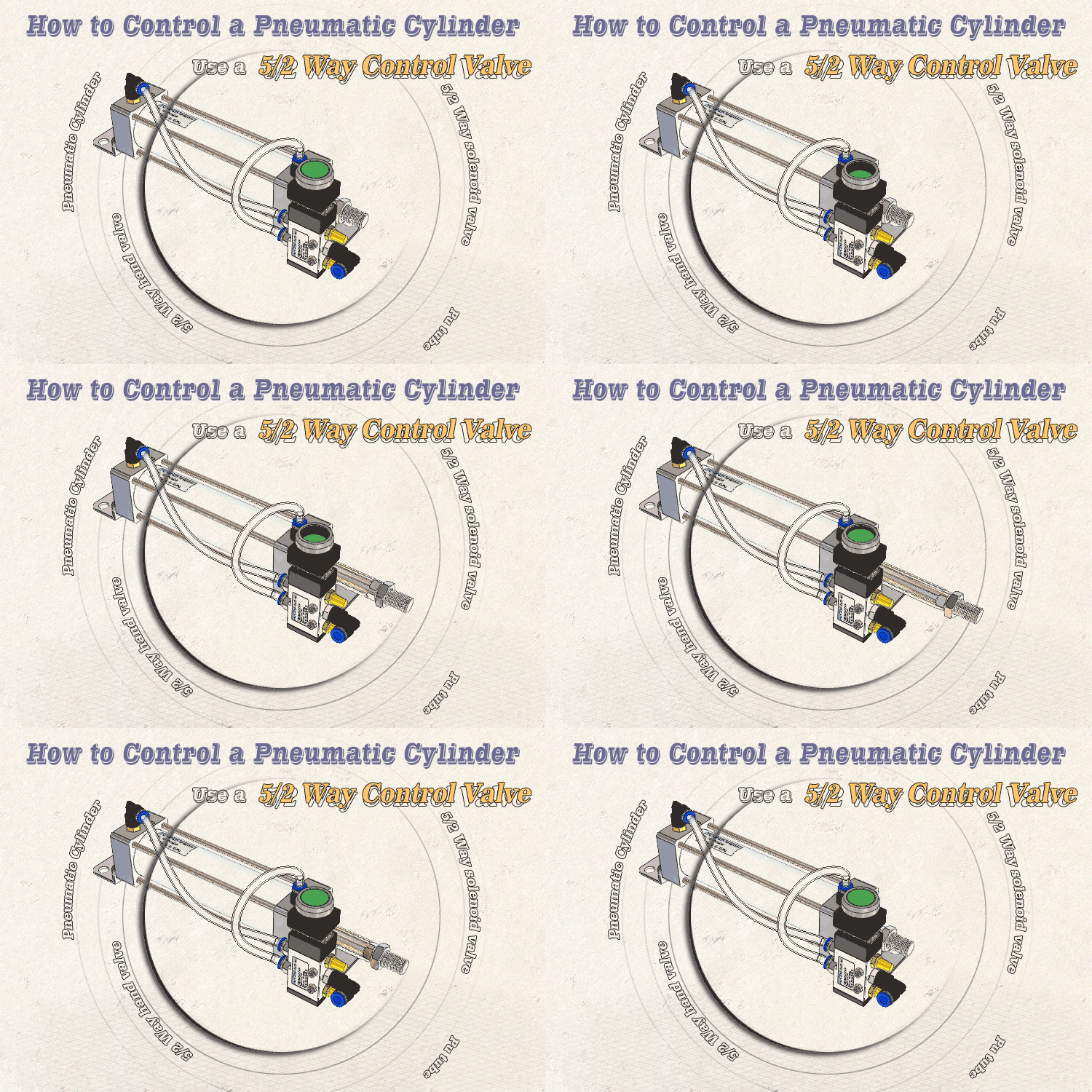 How to Control a Pneumatic Cylinder Use a 5/2 Way Valve
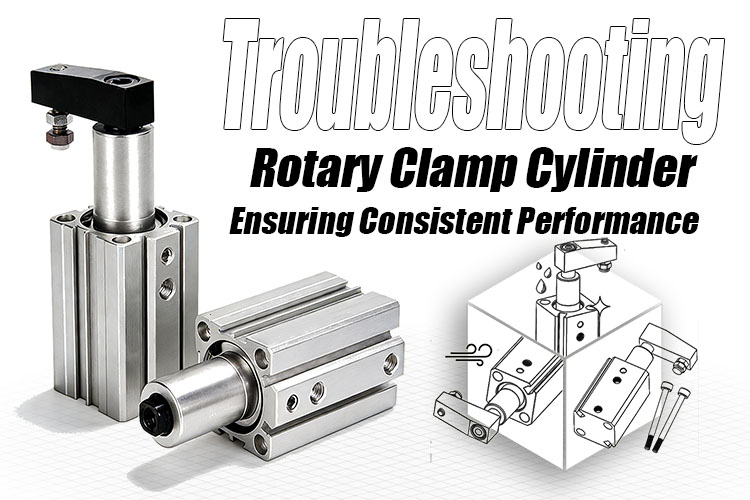 Rotary Clamping Cylinder Troubleshooting: Ensuring Consistent Performance
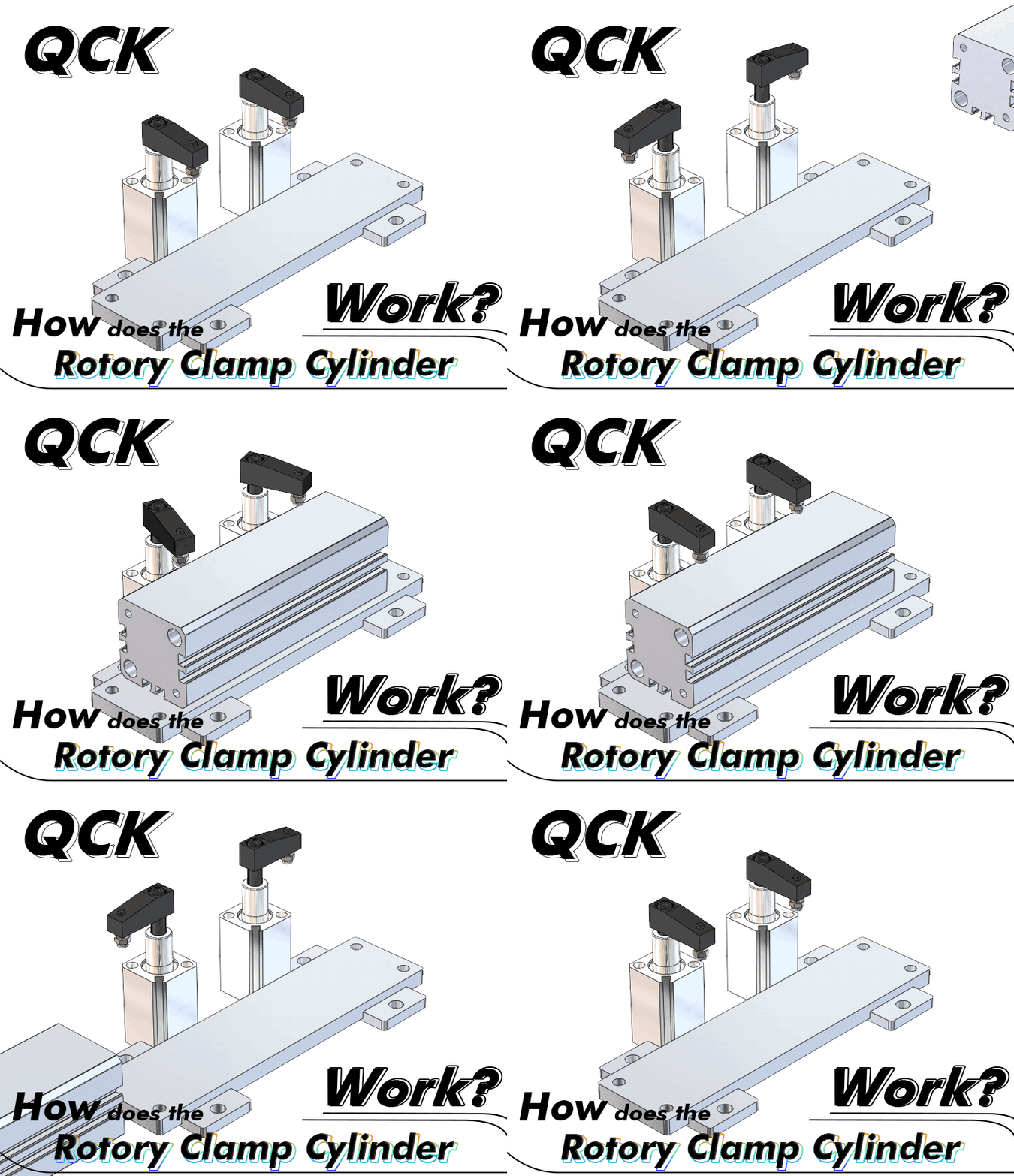 How Does the Rotary Clamp Cylinder Work?
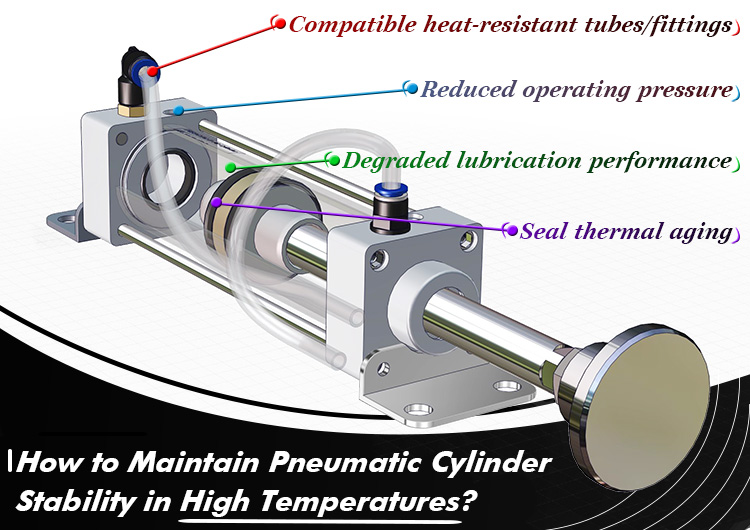 How to Maintain Pneumatic Cyinder Stability in High Tempurature?
 How to Safely Disassemble a Pneumatic Cylinder for Maintenance and Inspection

Whatsapp QR:

WeChat QR:

Tell us about your application requirements. Our engineers will review your project and provide practical feedback within 1–2 working days.

Fescolo is the specialized custom pneumatic cylinder brand operated by Ningbo Fokca Automation Co., Ltd.
Looking for standard pneumatic and automation components?
Visit Fokca
© 2026 Ningbo Fokca Automation Co., Ltd. All Rights Reserved. Sitemap