Jan 29, 2026
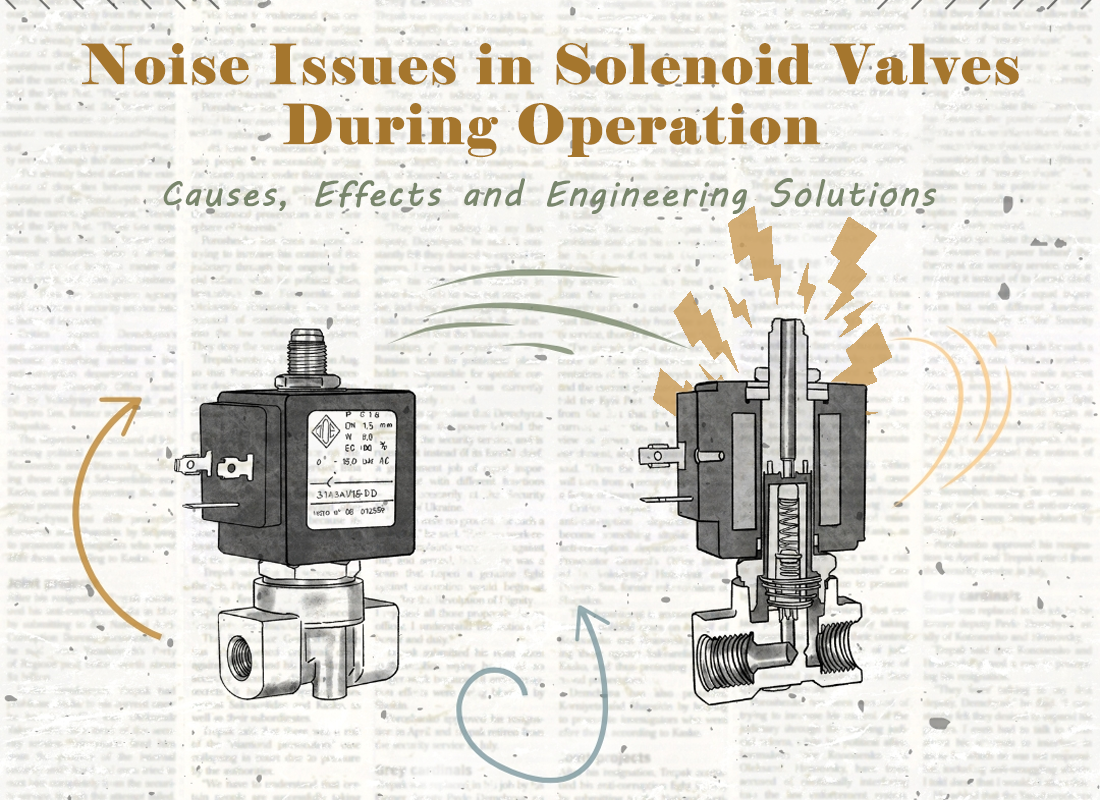
Solenoid valves are widely used in industrial automation, fluid control systems, HVAC equipment, and process industries. While their fast response and compact structure make them ideal for automated control, noise generated during operation is a frequent concern—especially in applications requiring quiet environments or high reliability.
Understanding why solenoid valves produce noise, what types of noise occur, and how to reduce them can help engineers and buyers make better selection and installation decisions.
Noise in a solenoid valve typically originates from electromagnetic action, fluid dynamics, or mechanical vibration. In practice, several noise sources often overlap.
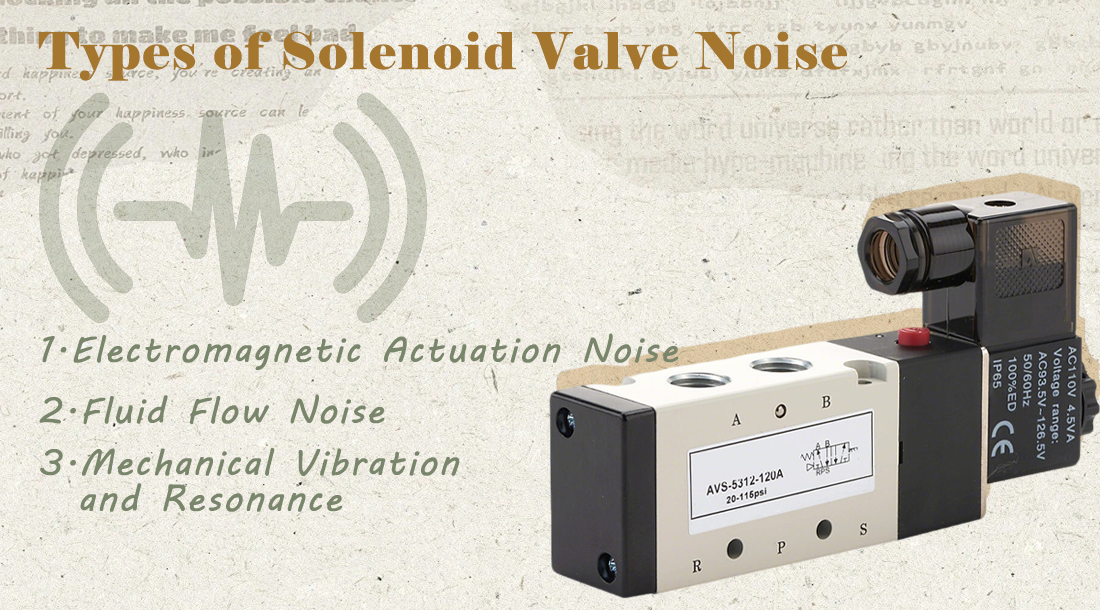
When the coil is energized, the magnetic field pulls the plunger or armature rapidly toward the core. This sudden movement can cause a distinct clicking or snapping sound, especially in direct acting solenoid valves.
Factors influencing this noise include:
◆ Coil voltage stability
◆ Armature mass
◆ Spring stiffness
◆ Magnetic force imbalance
In normally closed solenoid valves, the opening action is often louder than the closing process due to higher acceleration at startup.
Once the valve opens, fluid turbulence becomes a major noise source. High flow velocity, pressure drop, or cavitation can create audible hissing or vibration.
This is especially noticeable in:
◆ Pneumatic solenoid valves
◆ High pressure solenoid valves
◆ Applications with compressible media such as air or steam
Improper sizing can worsen the issue. An oversized valve may cause unstable flow, while an undersized valve increases velocity and pressure loss.
Noise may also result from mechanical vibration transmitted to pipes, manifolds, or mounting panels. Thin sheet metal brackets or long pipe runs can amplify sound through resonance.
This is common in:
◆ Industrial solenoid valve applications
◆ Skid-mounted automation systems
◆ Manifold-mounted solenoid valve assemblies
| Noise Type | Primary Cause | Typical Condition | Impact |
|---|---|---|---|
| Clicking sound | Armature impact | Coil energizing | Acceptable but noticeable |
| Buzzing noise | AC coil vibration | Voltage fluctuation | Indicates instability |
| Hissing noise | High flow velocity | Gas or air media | Efficiency loss |
| Rattling sound | Loose mounting | Poor installation | Accelerated wear |
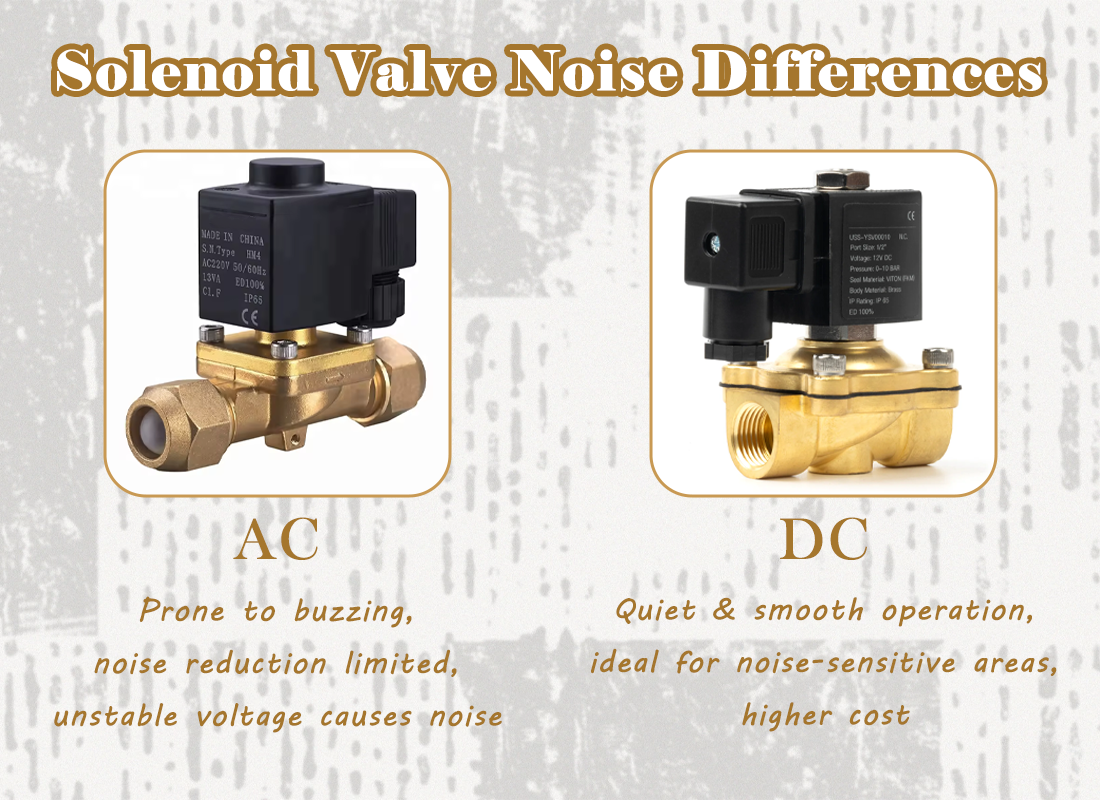
AC solenoid valves are more prone to buzzing due to alternating magnetic fields. Laminated cores and shading rings help reduce vibration, but noise can still occur under unstable voltage.
DC solenoid valves, especially those driven by regulated power supplies, usually operate more quietly and smoothly. For noise-sensitive environments, DC coils are often preferred despite higher cost.
Although noise may seem like a comfort issue, it often signals underlying technical problems:
◆ Increased wear on the plunger and seat
◆ Reduced sealing life
◆ Energy inefficiency
◆ Risk of valve sticking or delayed response
In safety-critical systems, abnormal noise can indicate a potential failure mode requiring immediate inspection.
To minimize noise in solenoid valve operation, engineers can apply multiple strategies:
◆ Select pilot operated solenoid valves for larger flow rates
◆ Match valve size correctly to system flow
◆ Use pressure regulators or flow restrictors
◆ Install vibration-damping mounts
◆ Choose DC coils for quiet operation
◆ Ensure clean media to prevent plunger chatter
In procurement decisions, noise performance should be considered alongside pressure rating and response time.
Noise in solenoid valves is not random—it reflects electromagnetic behavior, fluid dynamics, and mechanical design choices. By understanding these factors, engineers and buyers can select low-noise solenoid valves that improve system stability, operator comfort, and long-term reliability.
(FK9025)
 Pneumatic Clamping Module Design in Packaging Machinery
 Pneumatic Fittings Replacement Cycle: How Often Should You Change Pneumatic Fittings
 Pneumatic Pusher Module Design in Pneumatic Packaging Machines
 Vacuum Filter and Response Time: Does Filtration Slow Down Vacuum Systems
 Metal Seated Pneumatic Ball Valve: When Is Metal Sealing Required?

Dec 05, 2024 Case Studies
Customized Combination Manifold Valves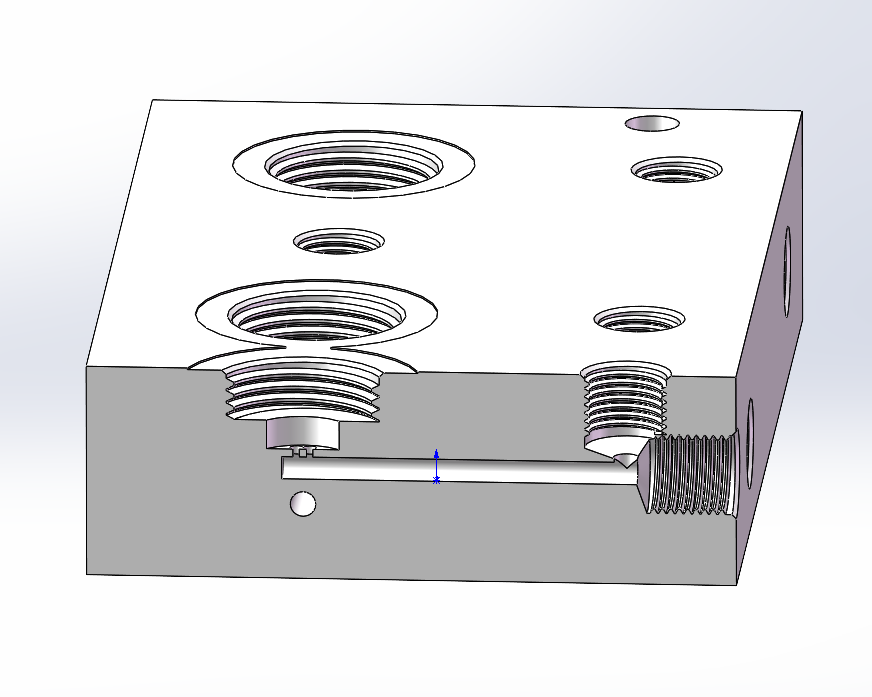
Dec 02, 2024 Case Studies
Custom Valve Manifolds design


Whatsapp QR:

WeChat QR:

Tell us about your application requirements. Our engineers will review your project and provide practical feedback within 1–2 working days.

Fescolo is the specialized custom pneumatic cylinder brand operated by Ningbo Fokca Automation Co., Ltd.
Looking for standard pneumatic and automation components?
Visit Fokca
© 2026 Ningbo Fokca Automation Co., Ltd. All Rights Reserved. Sitemap