Feb 27, 2026
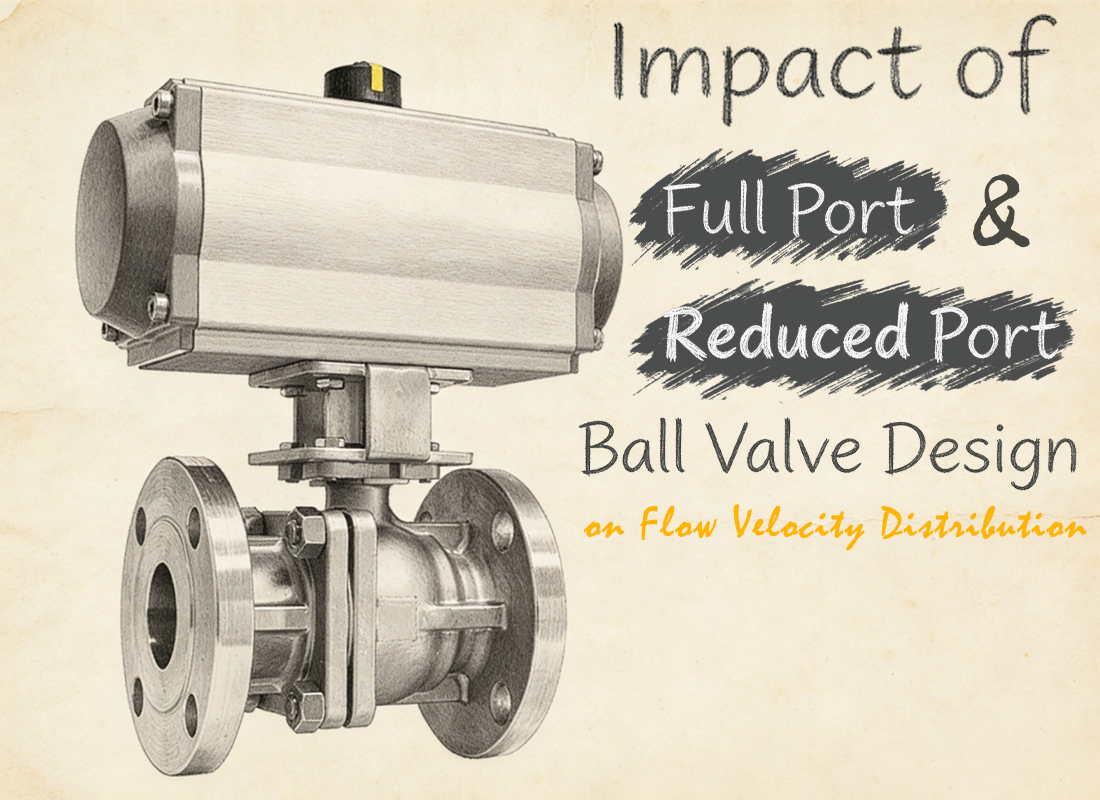
In fluid automation systems, selecting the right pneumatic ball valve involves more than pressure rating and connection size. Internal bore design—full port versus reduced port—directly affects velocity distribution, pressure drop, and downstream stability.
When fluid passes through a quarter turn pneumatic ball valve, any change in cross-sectional area modifies local velocity. According to the continuity principle, if volumetric flow remains constant, reducing the flow area increases velocity. This is the fundamental reason why reduced port designs create acceleration zones inside the valve cavity.
A full port pneumatic actuated ball valve maintains an internal bore nearly equal to pipeline diameter. This minimizes flow restriction and keeps velocity distribution uniform.
In systems such as a pneumatic ball valve for water system or gas transfer lines, uniform velocity reduces turbulence intensity and lowers energy loss. Pressure drop across a full port pneumatic ball valve is typically smaller compared to reduced designs, making it suitable for high-flow or pigging applications.
For distributors and OEM buyers, this design is often preferred when long-term efficiency and minimal disturbance are required.
A reduced port air operated ball valve features a smaller internal bore than the connecting pipe. As fluid enters the narrowed section, velocity increases sharply before expanding again at the outlet.
This creates a localized acceleration region within the valve body. In a high pressure pneumatic ball valve or gas application, this effect becomes more pronounced.
The comparison below illustrates structural differences:
| Design Type | Bore Diameter vs Pipe | Local Velocity Change | Pressure Drop | Downstream Stability |
|---|---|---|---|---|
| Full Port Pneumatic Ball Valve | Nearly equal | Minimal change | Low | High stability |
| Reduced Port Pneumatic Ball Valve | Smaller than pipe | Significant increase | Moderate | Potential turbulence |
In pneumatic ball valve for gas systems, velocity spikes may increase turbulence intensity and noise levels.
After fluid exits a reduced port pneumatic stainless steel ball valve, velocity redistributes across the pipe cross-section. If a flow meter or sensor is installed too close to the valve outlet, measurement deviation may occur.
In automation lines using a double acting pneumatic ball valve or spring return pneumatic ball valve, repeated cycling does not change bore size, but high-frequency operation combined with velocity acceleration can amplify vibration effects.
For applications in HVAC, chemical processing, or compact skid systems, engineers should evaluate:
◆ Required straight pipe length after valve
◆ Acceptable pressure drop
◆ Sensitivity of downstream instruments
◆ Overall pneumatic ball valve sizing chart alignment
A compact pneumatic ball valve with reduced bore may reduce cost and weight, but system-level analysis is essential to avoid long-term instability.
When comparing a pneumatic ball valve for automation systems, bore design should be matched with flow demand rather than selected purely by connection size.
Full port structures are generally recommended when:
◆ Flow efficiency is critical
◆ Pipeline cleaning is required
◆ Downstream measurement accuracy is sensitive
Reduced port configurations may be acceptable when:
◆ Flow rate is moderate
◆ Space and cost constraints dominate
◆ Slight pressure drop is tolerable
Understanding how internal geometry influences velocity distribution allows procurement teams and equipment designers to make decisions based on performance rather than appearance.
(FK9025)
 Pneumatic Clamping Module Design in Packaging Machinery
 Pneumatic Fittings Replacement Cycle: How Often Should You Change Pneumatic Fittings
 Pneumatic Pusher Module Design in Pneumatic Packaging Machines
 Vacuum Filter and Response Time: Does Filtration Slow Down Vacuum Systems
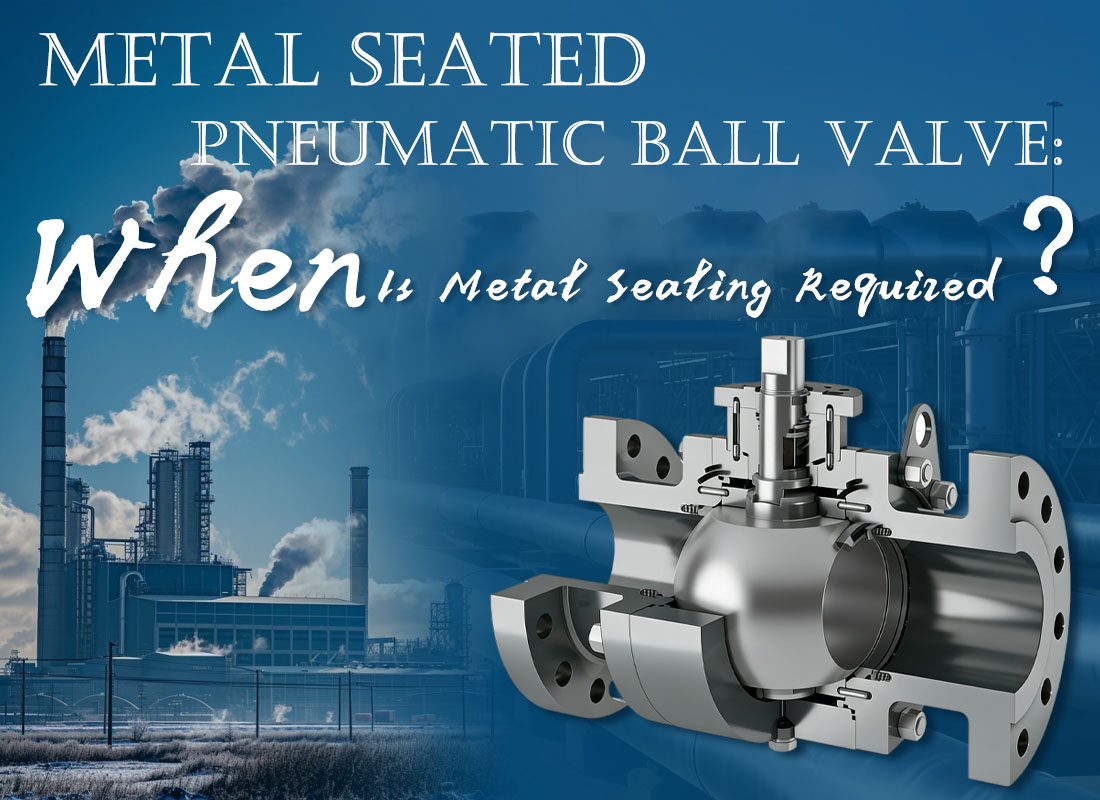 Metal Seated Pneumatic Ball Valve: When Is Metal Sealing Required?
Feb 17, 2026 Cylinder Fundamentals
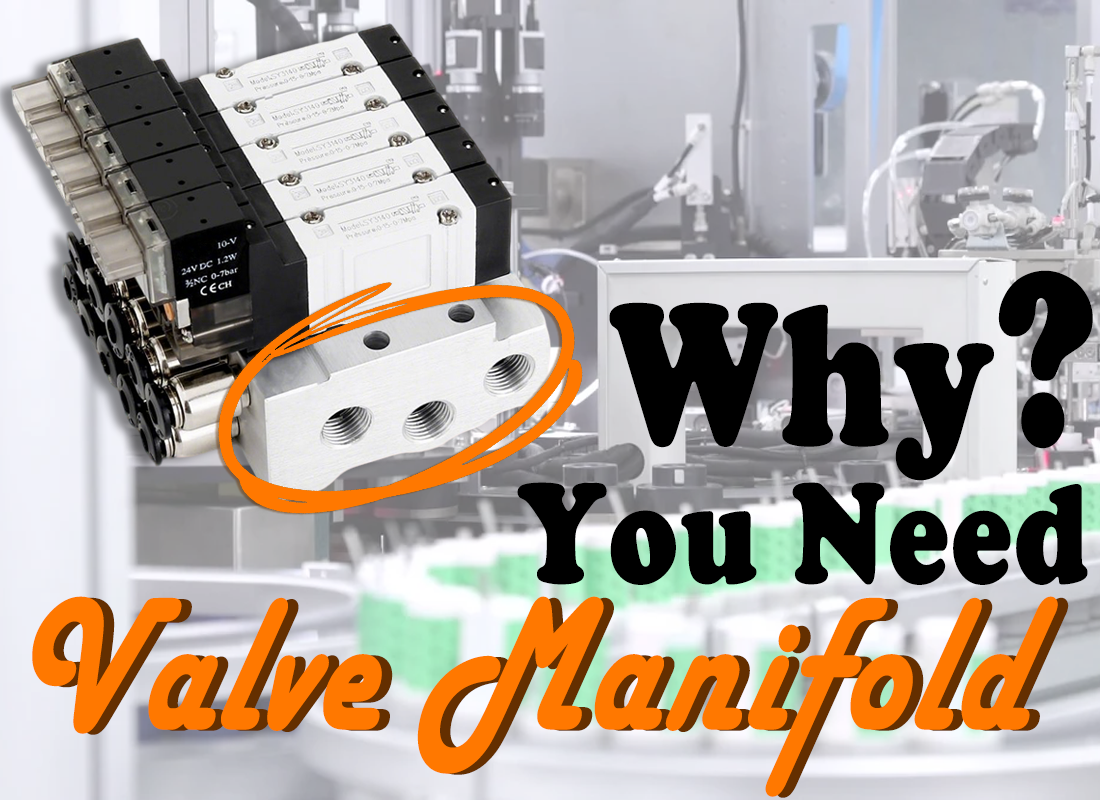
Why You Need a Valve Manifold

Whatsapp QR:

WeChat QR:

Tell us about your application requirements. Our engineers will review your project and provide practical feedback within 1–2 working days.

Fescolo is the specialized custom pneumatic cylinder brand operated by Ningbo Fokca Automation Co., Ltd.
Looking for standard pneumatic and automation components?
Visit Fokca
© 2026 Ningbo Fokca Automation Co., Ltd. All Rights Reserved. Sitemap