Feb 10, 2026
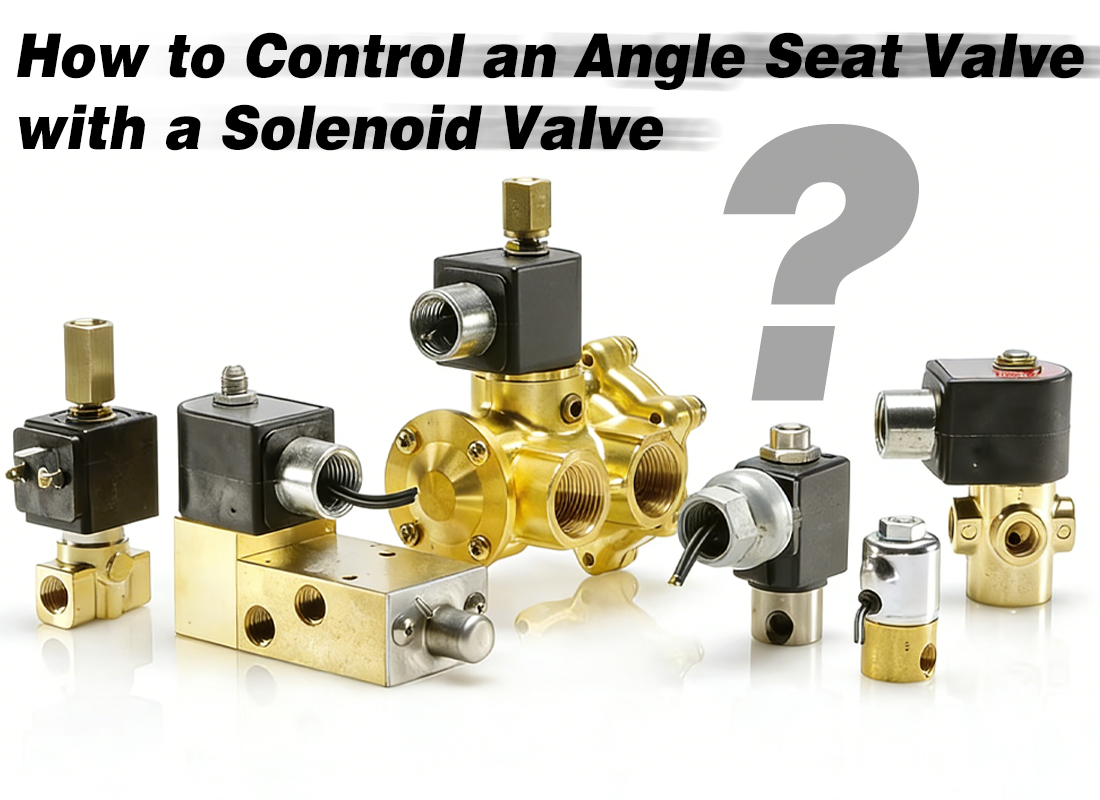
Using a solenoid valve to control an angle seat valve is a standard solution in industrial automation. The angle seat valve performs the actual media switching, while the solenoid valve directs compressed air to the actuator. This combination creates a reliable and highly repeatable automated solenoid valve control system.
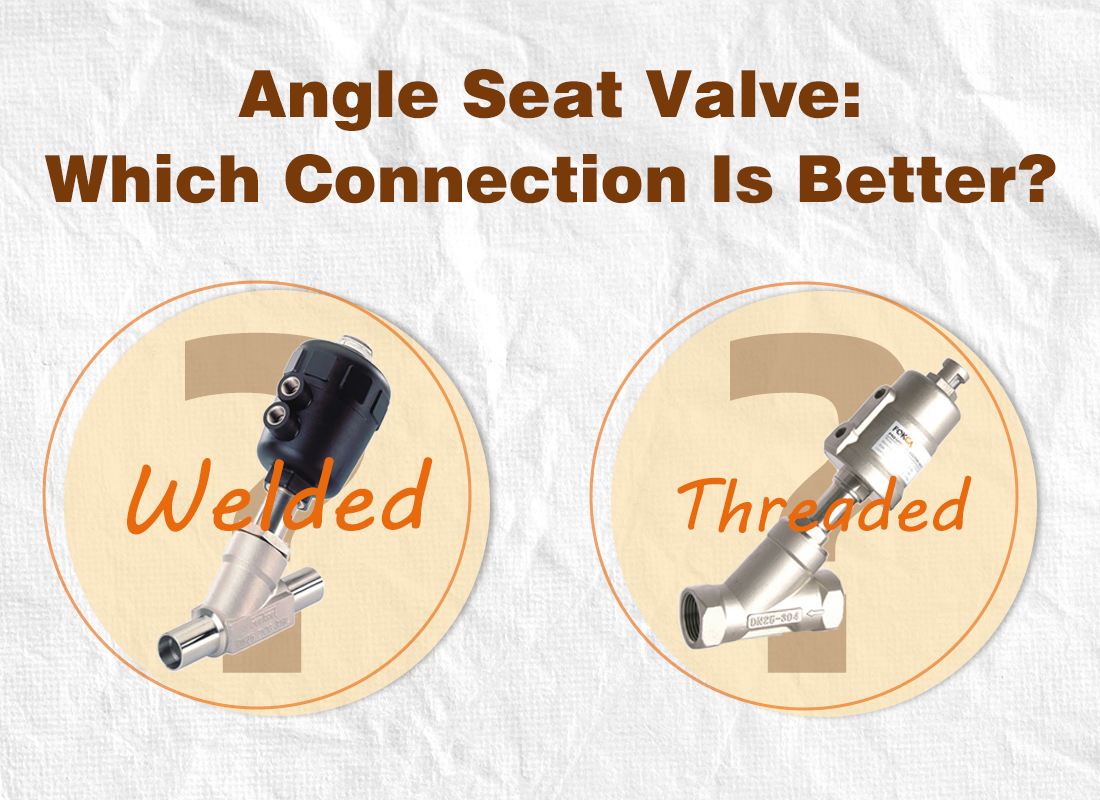
Angle seat valves are divided into single acting and double acting types.
◆ Single acting valves require a 3 way solenoid valve because the spring provides the return force.
◆ Double acting valves need a 4 way solenoid valve or five-port configuration to supply air to two chambers alternately.
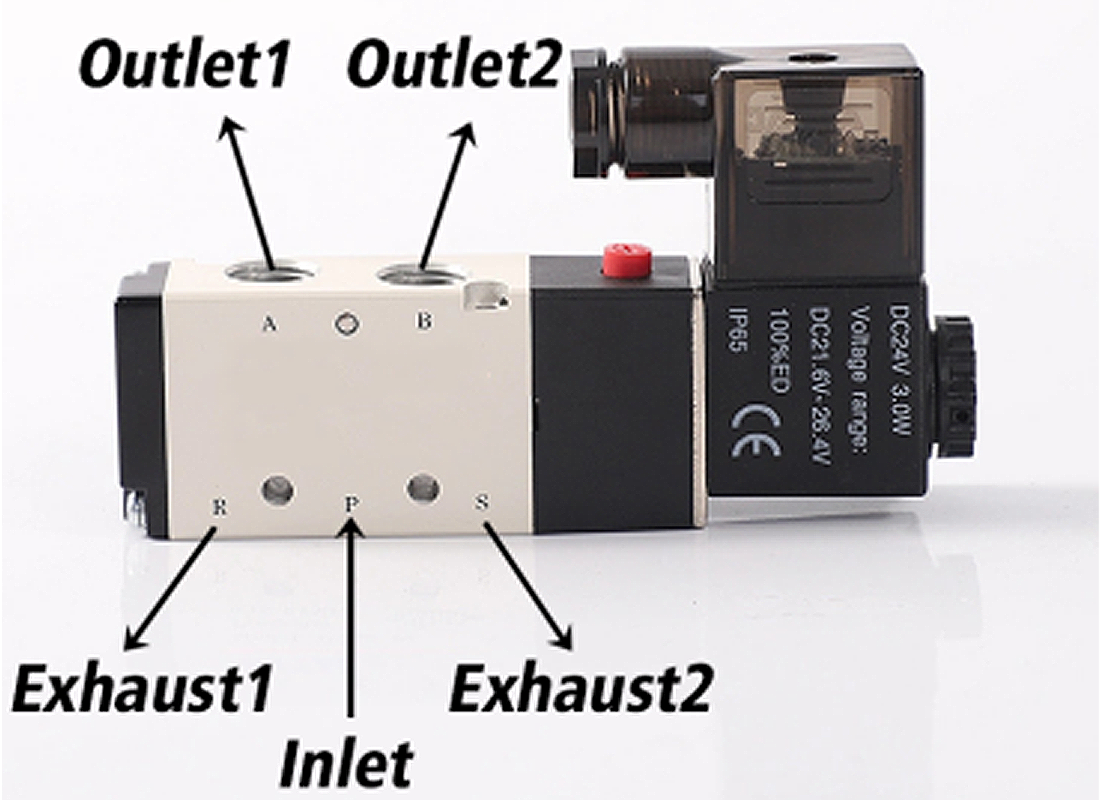
Taking an AIRTAC-style valve as an example, ports are marked A/B/P/R/S.
P connects to the air source, A and B connect to the actuator ports, and R/S are exhaust ports where silencers are normally installed. By energizing or de-energizing the coil, the industrial solenoid valves change flow direction and drive the angle seat valve.
① Coil OFF – air flows from P to A, valve closes.
② Coil ON – air flows from P to B, valve opens.
This simple logic allows the system to meet requirements for high speed solenoid valve operation in steam, water, and gas control. Compared with electric actuators, pneumatic solutions offer better performance in humid or high-temperature environments.
When engineers choose a pneumatic solenoid valve for an angle seat valve, several factors are important:
◆ Coil voltage (24V DC / 220V AC)
◆ Flow capacity for solenoid valve flow control
◆ Response time
◆ Protection level and DIN connector solenoid valve wiring
If the valve is used in compressed air lines, a solenoid valve for compressed air with adequate Cv value should be selected; otherwise the actuator may move slowly.
| System Type | Recommended Product | Advantage |
|---|---|---|
| Single acting angle seat | 3 way solenoid valve | Simple structure |
| Double acting angle seat | 4 way solenoid valve | Precise bidirectional control |
| Steam pipeline | pilot solenoid valve | Stable at high temperature |
| Compact machine | DIN connector solenoid valve | Fast maintenance |
| Automation line | solenoid valve manifold | Centralized control |
To achieve stable performance in a solenoid valve for pneumatic systems, the distance between the solenoid valve and the angle seat valve should be as short as possible. Long tubing increases delay and reduces cycle life. During maintenance, check coil temperature, leakage at exhaust ports, and follow a solenoid valve maintenance and troubleshooting routine.
This control mode is widely used in food & beverage, water treatment, HVAC, and chemical processes. The combination of angle seat valve and automatic solenoid valve converts electrical commands into powerful pneumatic action, making it a core element of industrial automation solenoid valve uses.
(FK9025)
 Pneumatic Clamping Module Design in Packaging Machinery
 Pneumatic Fittings Replacement Cycle: How Often Should You Change Pneumatic Fittings
 Pneumatic Pusher Module Design in Pneumatic Packaging Machines
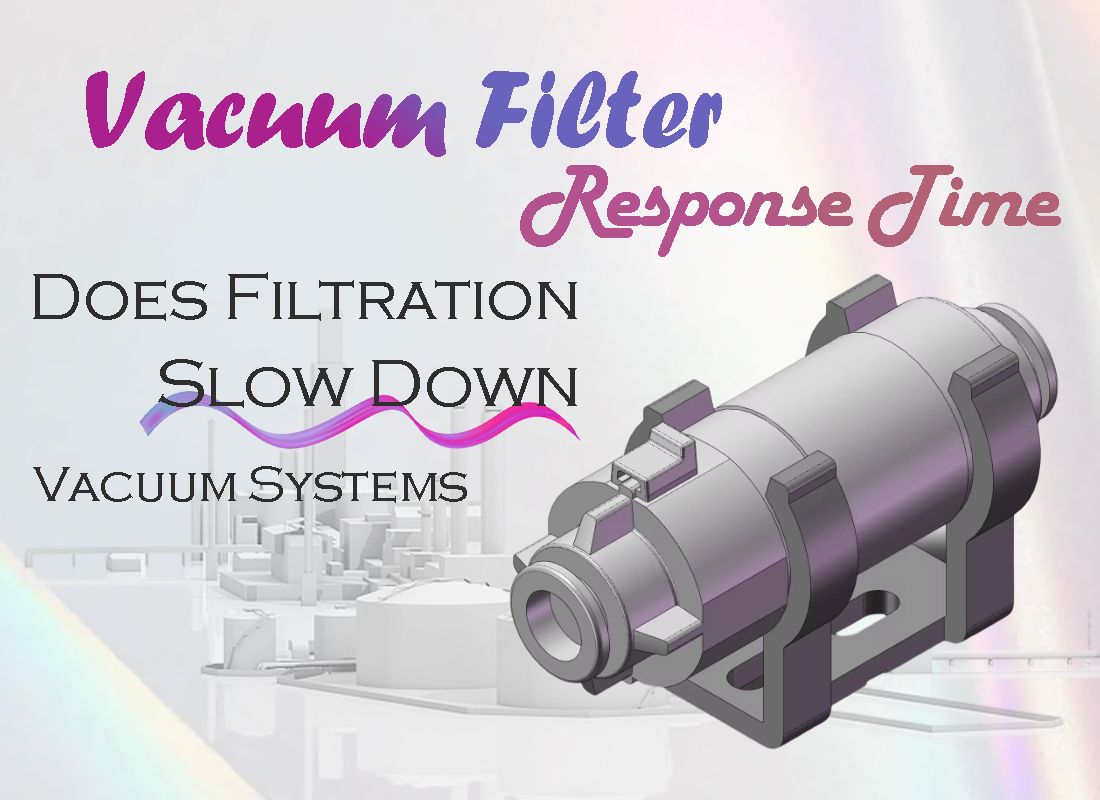 Vacuum Filter and Response Time: Does Filtration Slow Down Vacuum Systems
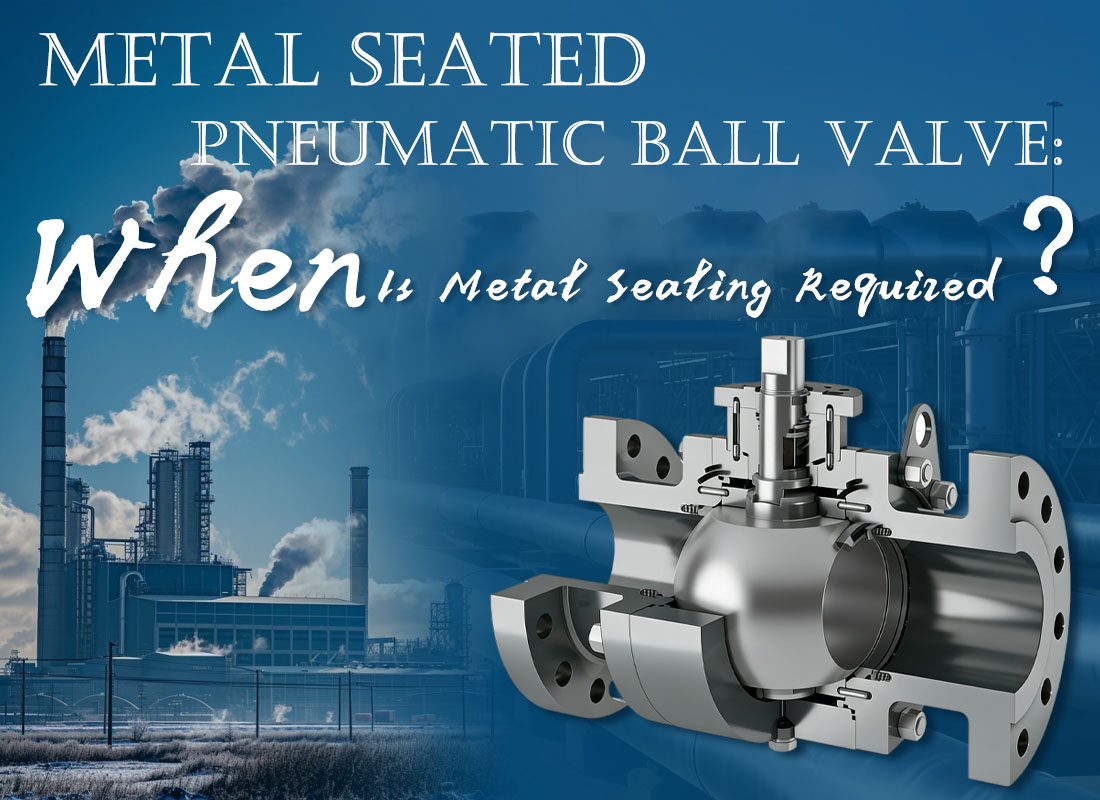 Metal Seated Pneumatic Ball Valve: When Is Metal Sealing Required?

Whatsapp QR:

WeChat QR:

Tell us about your application requirements. Our engineers will review your project and provide practical feedback within 1–2 working days.

Fescolo is the specialized custom pneumatic cylinder brand operated by Ningbo Fokca Automation Co., Ltd.
Looking for standard pneumatic and automation components?
Visit Fokca
© 2026 Ningbo Fokca Automation Co., Ltd. All Rights Reserved. Sitemap