Feb 21, 2026
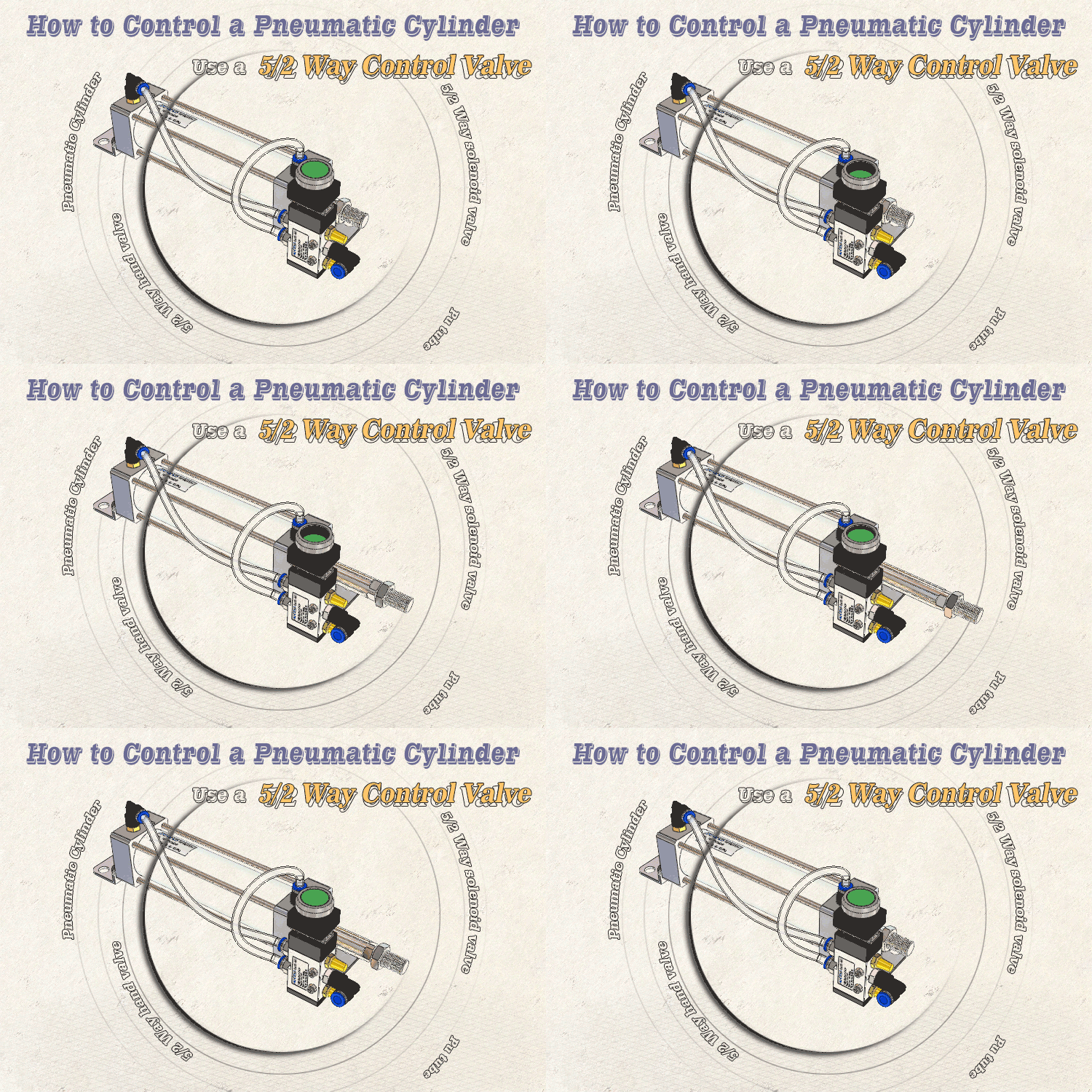
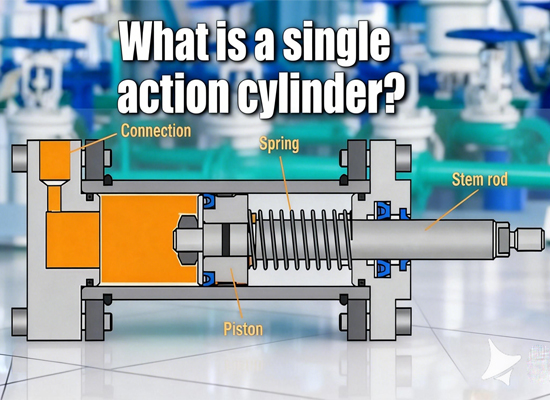
After a basic understanding of cylinders, we know that they are divided into two types: single-acting and double-acting. A single-acting cylinder requires only one air inlet; when air is supplied, the piston rod extends, and when the air supply is cut off, a spring force retracts the piston rod. A double-acting cylinder, on the other hand, uses air supplied to both ends to move the piston rod. So, how do we achieve the free switching of the air intake direction?
The most common choice is to use a 5/2-way valve, along with PU tubing and pneumatic push-in fittings.
5/2 refers to five ports and two positions.
Two positions: Means the valve has two switching positions, typically referred to as Position A and Position B.
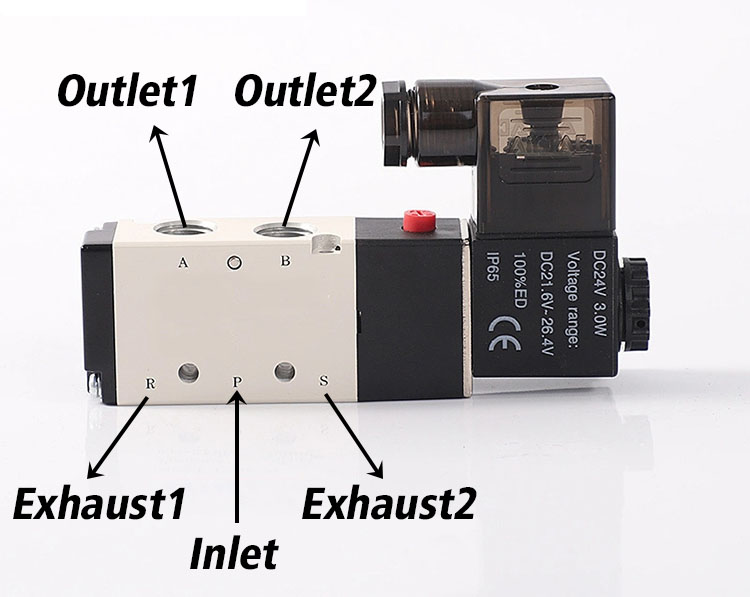
Five ports: Means the valve has five air connection ports, namely:
◆ P: Pressure inlet (connects to the air source)
◆ A: Output port A
◆ B: Output port B
◆ R: Exhaust port 1
◆ S: Exhaust port 2
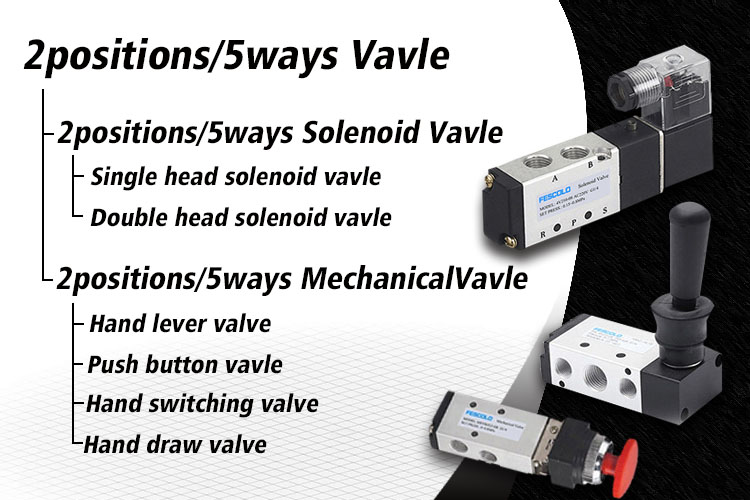
5/2-way valves can be electrically or manually controlled. Manual control offers various actuation options, such as push buttons, levers, rotary knobs, etc.
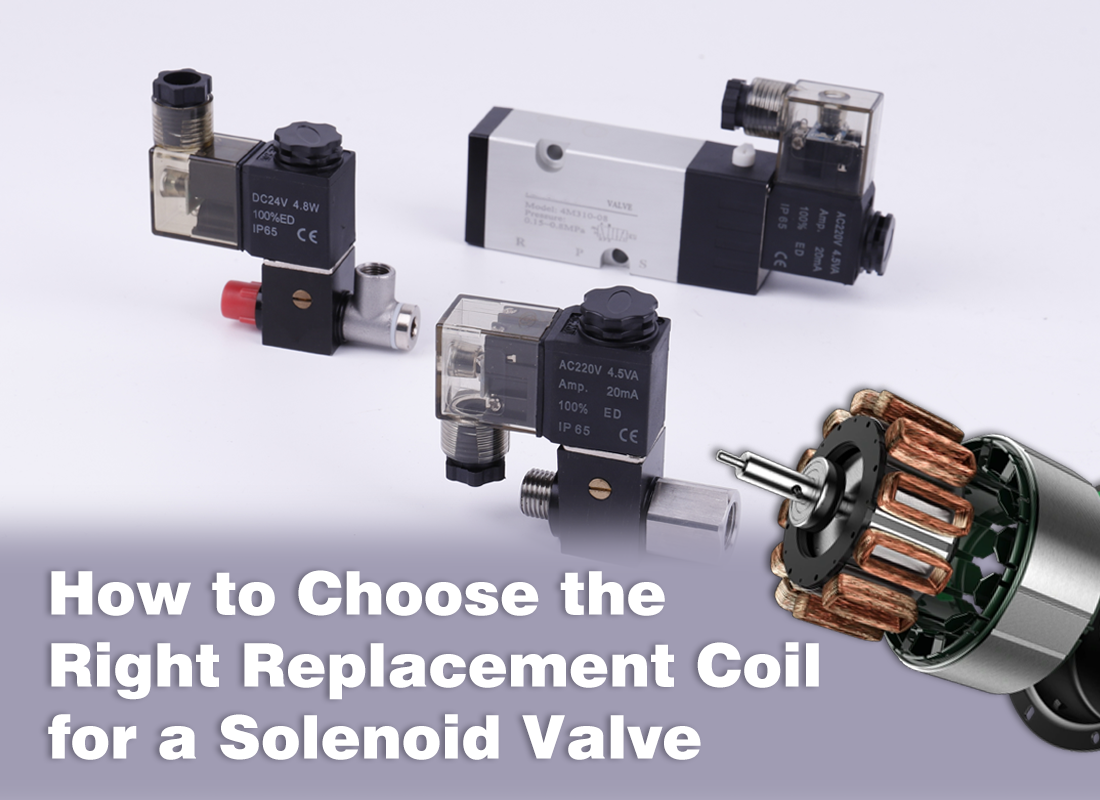
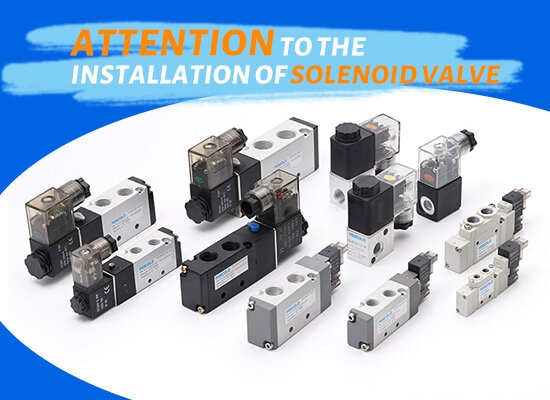
Electrically controlled versions are further divided into single solenoid and double solenoid.
◆ A single solenoid valve uses one solenoid coil and a return spring on the opposite end—it actuates when powered and resets when power is cut.
◆ A double solenoid valve has solenoid coils on both ends and remains in its last position after power-off until the opposite coil is energized. This distinction is similar to the difference between single-acting and double-acting cylinders.
Take a normally-closed push-button type manual 5/2-way valve as an example:
Connect port A to the front end cover of the cylinder and port B to the rear end cover using pneumatic tubing. Install mufflers on both exhaust ports, and connect the air source to the P port. By default, P is connected to A, and the piston rod remains retracted.
◆ When the button is pressed, the P→A connection is closed, and the air inside the cylinder is exhausted through the R port. At the same time, P→B opens, allowing air to flow into the rear end cover of the cylinder, pushing the piston rod to extend.
◆ When the button is released, the P→B connection is closed, and the air inside the cylinder is exhausted through the S port. P→A reopens, allowing air to flow into the front end cover, retracting the piston rod.
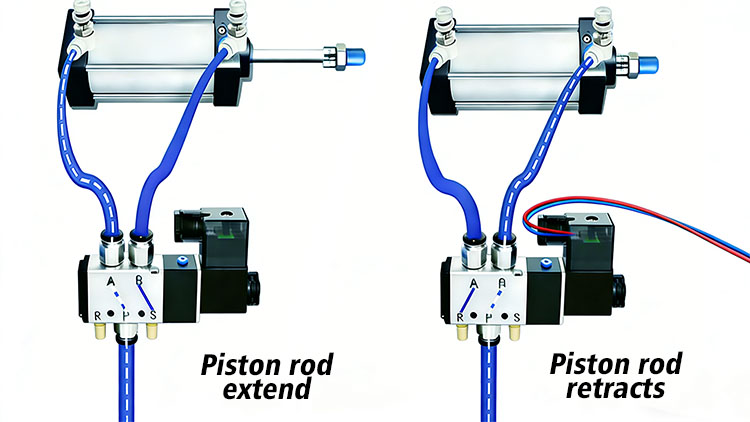
If a double solenoid valve is used, the two solenoid coils must be energized separately to switch the airflow direction. However, it is strictly forbidden to energize both coils of a double solenoid valve simultaneously; interlocking must be implemented either in the circuit or in the control program.
For a cylinder controlled by a 5/2-way valve to achieve smooth, precise, and reliable motion, the valve and cylinder alone are not enough. A complete pneumatic control system requires a series of essential auxiliary components working together.
Installed downstream of the air compressor or pump, also known as F.R.L., which includes air filter, air regulator, and lubricator. It removes moisture, dust, and other contaminants from the compressed air and adjusts the pressure to a suitable level. Even when using oil-less cylinders, a filter and regulator should still be installed.
Installed at the air inlet and outlet ports of the cylinder. These valves regulate the amount of air entering the cylinder, enabling smoother operation and allowing easy adjustment of the cylinder's speed.
Essential for precise control of the cylinder's stroke. These switches detect the built-in magnet on the piston and send electrical signals to control the solenoid valve. By installing them at different positions, the effective stroke of the cylinder can be adjusted.
When it is necessary to stop the cylinder at an intermediate position, a 3-position 5-way center-closed valve can be used instead of a 5/2-way valve. Shifting the valve to the middle position stops the cylinder's movement. However, due to internal leakage, the piston position may drift slowly over time, making it unsuitable for long-term precision positioning.
Through proper selection and correct configuration, a 5/2-way valve system can meet various requirements—from simple clamping fixtures to complex automated equipment—making it one of the most cost-effective and reliable solutions in industrial automation.
Just Remember: A good system is not necessarily the most complex, but the most suitable—under the premise of fulfilling functional requirements, simplicity, reliability, and ease of maintenance should always be the top priority.
(FK9009)
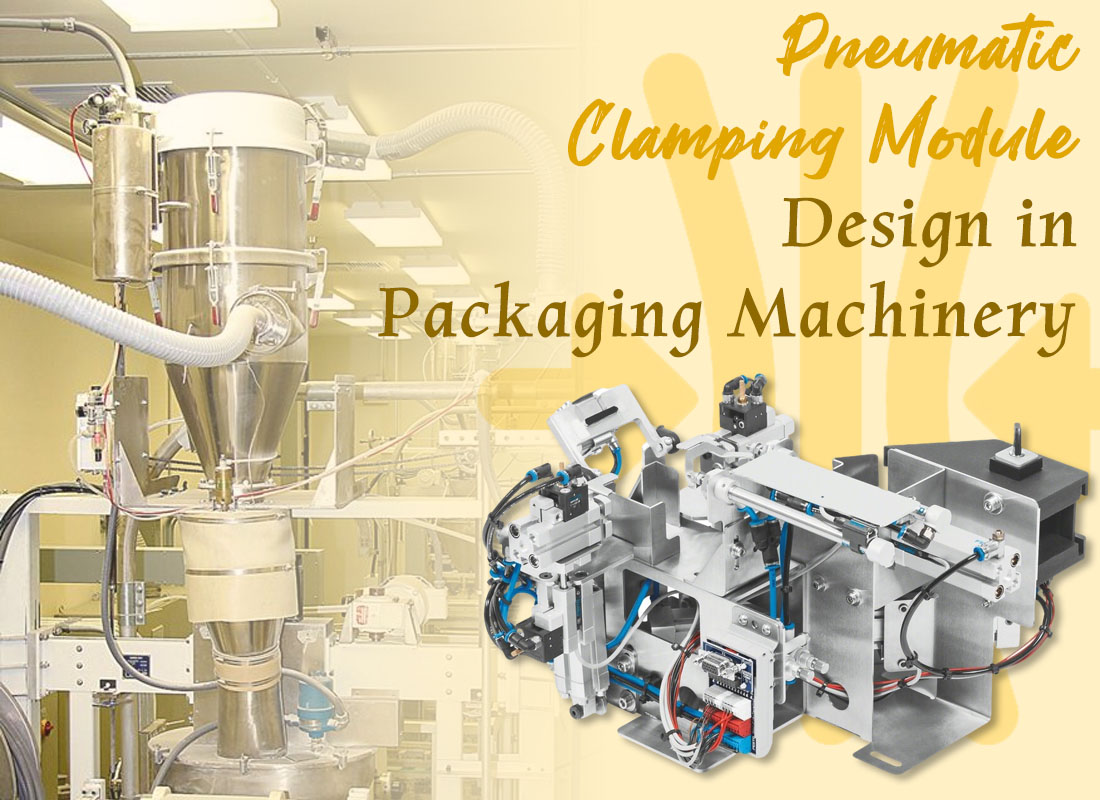 Pneumatic Clamping Module Design in Packaging Machinery
 Pneumatic Fittings Replacement Cycle: How Often Should You Change Pneumatic Fittings
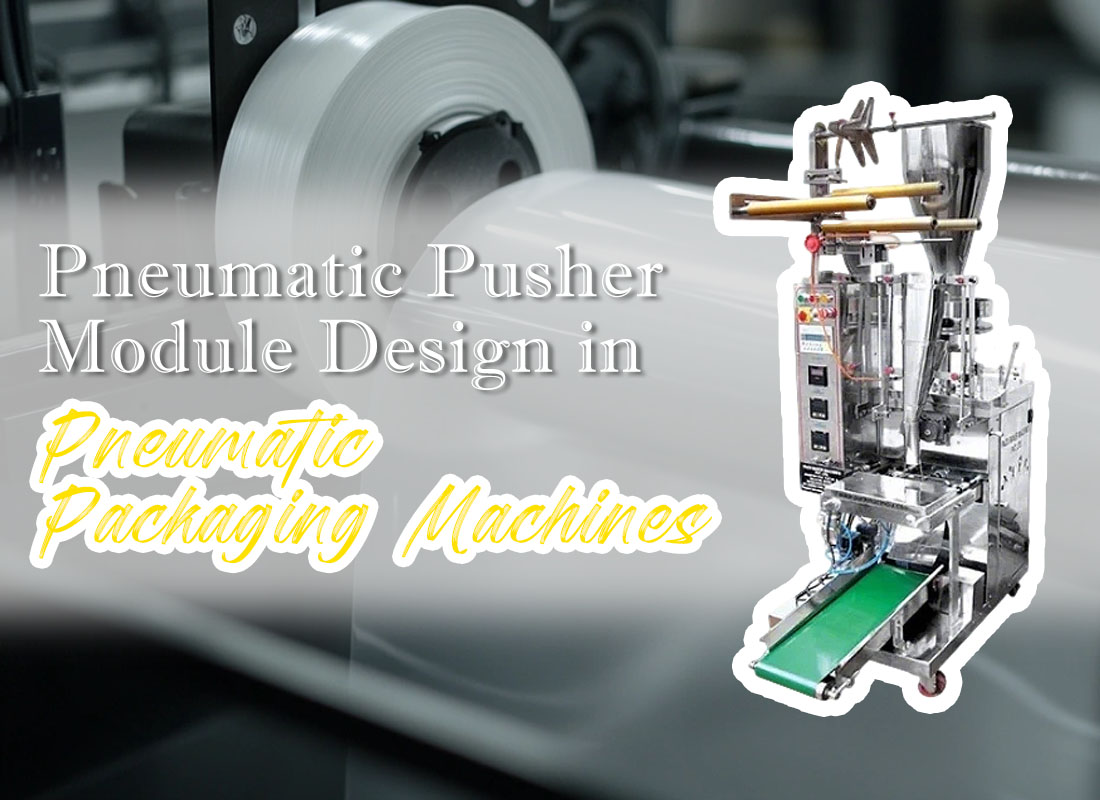 Pneumatic Pusher Module Design in Pneumatic Packaging Machines
 Vacuum Filter and Response Time: Does Filtration Slow Down Vacuum Systems
 Metal Seated Pneumatic Ball Valve: When Is Metal Sealing Required?
Dec 01, 2025 Cylinder Fundamentals
What is a single action cylinder?
Nov 30, 2025 Cylinder Fundamentals
What ia a double action cylinder?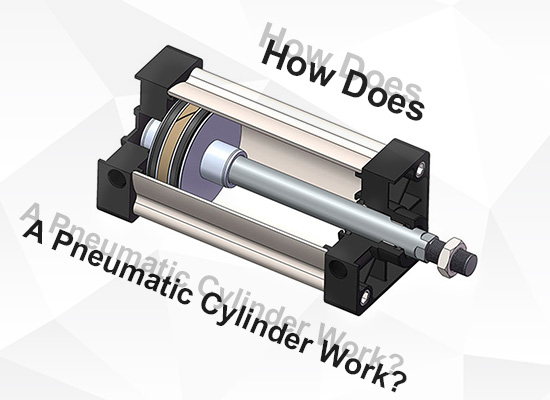

Whatsapp QR:

WeChat QR:

Tell us about your application requirements. Our engineers will review your project and provide practical feedback within 1–2 working days.

Fescolo is the specialized custom pneumatic cylinder brand operated by Ningbo Fokca Automation Co., Ltd.
Looking for standard pneumatic and automation components?
Visit Fokca
© 2026 Ningbo Fokca Automation Co., Ltd. All Rights Reserved. Sitemap