Jan 20, 2026

In industrial automation systems, limited installation space is often a reality rather than a design flaw. Compact machine frames, dense piping layouts, and restricted maintenance access all place strict limits on valve selection. In such conditions, valve structure, actuator size, and connection method become far more critical than nominal pipe size alone.
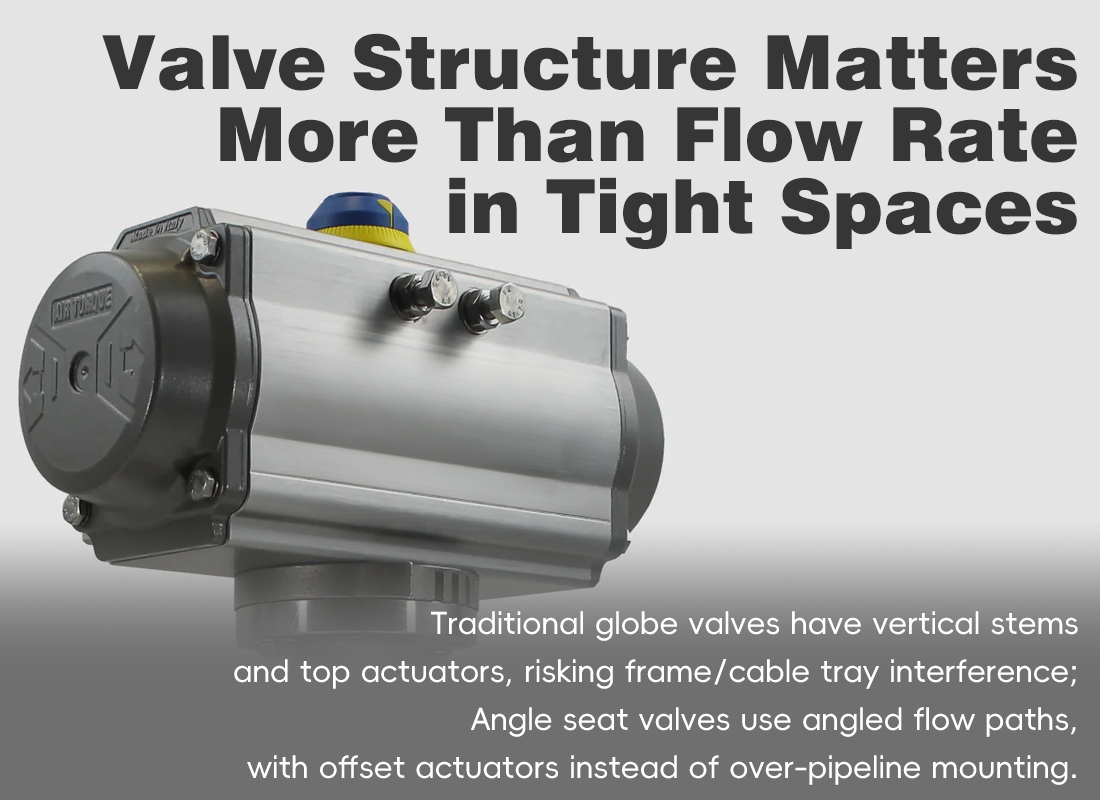
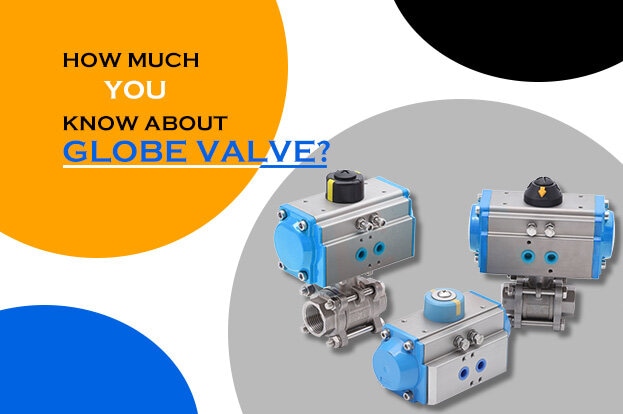
When space is restricted, engineers are usually constrained by overall height and lateral clearance rather than flow capacity. Traditional globe valves feature a vertical stem and top-mounted actuator, which requires significant overhead clearance. In compact equipment layouts, this often leads to mechanical interference with frames or cable trays.
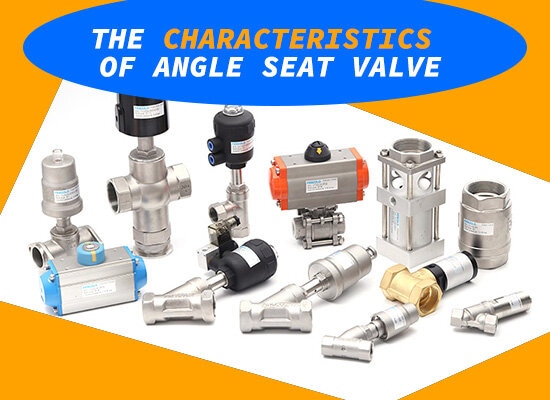
By contrast, an angle seat valve uses an angled flow path, allowing the actuator to be offset rather than directly above the pipeline. This geometry significantly reduces installation height and improves layout flexibility, making it a preferred choice in space-limited systems.
The structural benefits of angle seat valves extend beyond size. With media entering beneath the seat, the valve plug experiences a more balanced force during opening. This reduces lateral load on the stem and allows stable operation even with smaller actuators.
In real-world installations, engineers frequently observe that angle seat valves fit where globe valves simply cannot. This advantage comes from geometry, not compromise.
Not all angle seat valves are equally compact. When installation space is extremely limited, actuator design becomes a decisive factor. Engineers should evaluate actuator diameter, stroke length, and housing profile.
Compact designs such as mini cylinder types or slim-profile actuators reduce overall dimensions by optimizing piston travel and spring configuration. These designs maintain sufficient actuation force while minimizing envelope size, making them suitable for high-cycle automation systems with limited clearance.
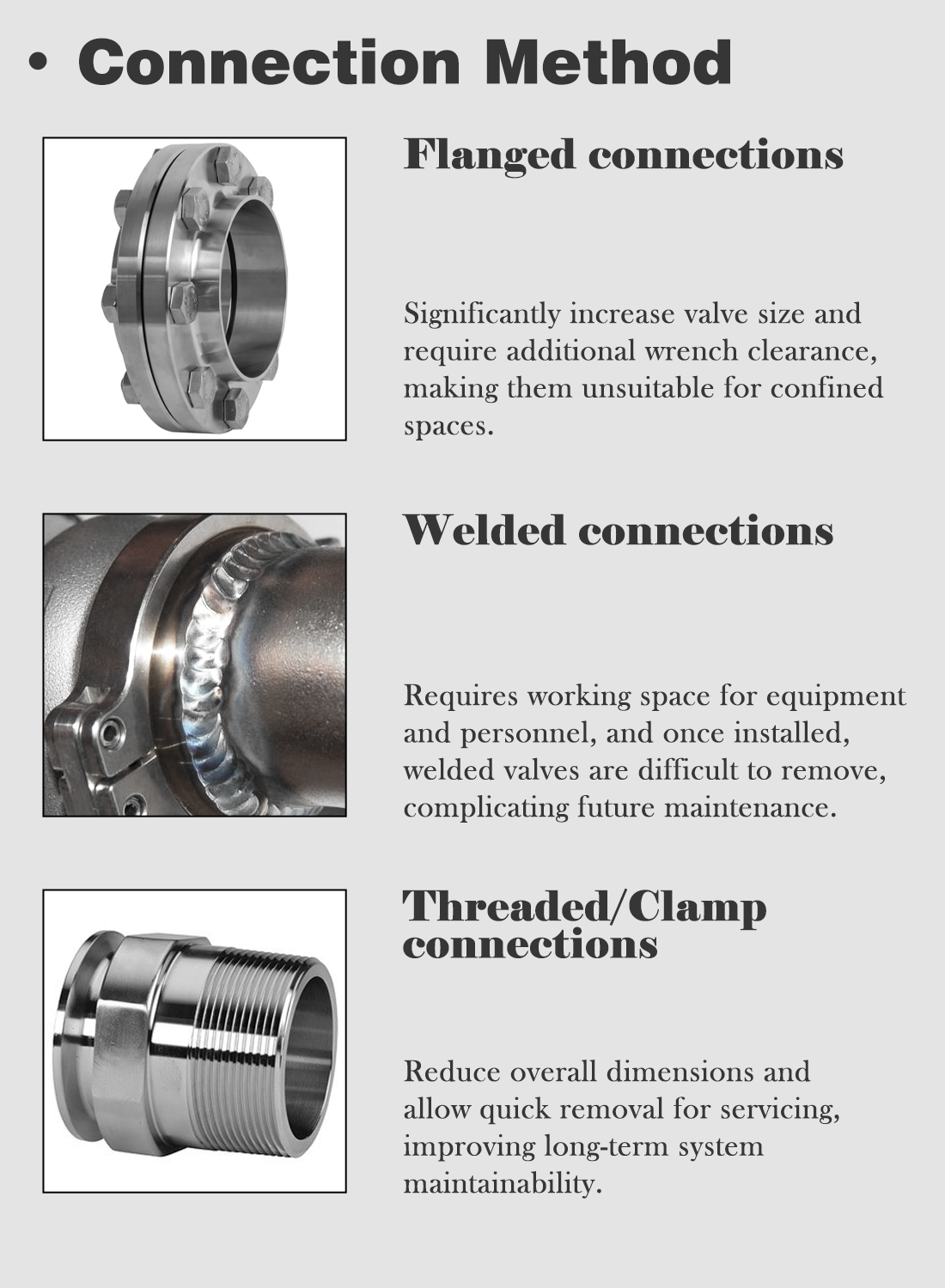
Connection method is another often-overlooked factor. Flanged connections, while robust, significantly increase valve size and require additional wrench clearance, making them unsuitable for confined spaces.
Welded connections present other challenges. Welding requires working space for equipment and personnel, and once installed, welded valves are difficult to remove, complicating future maintenance.
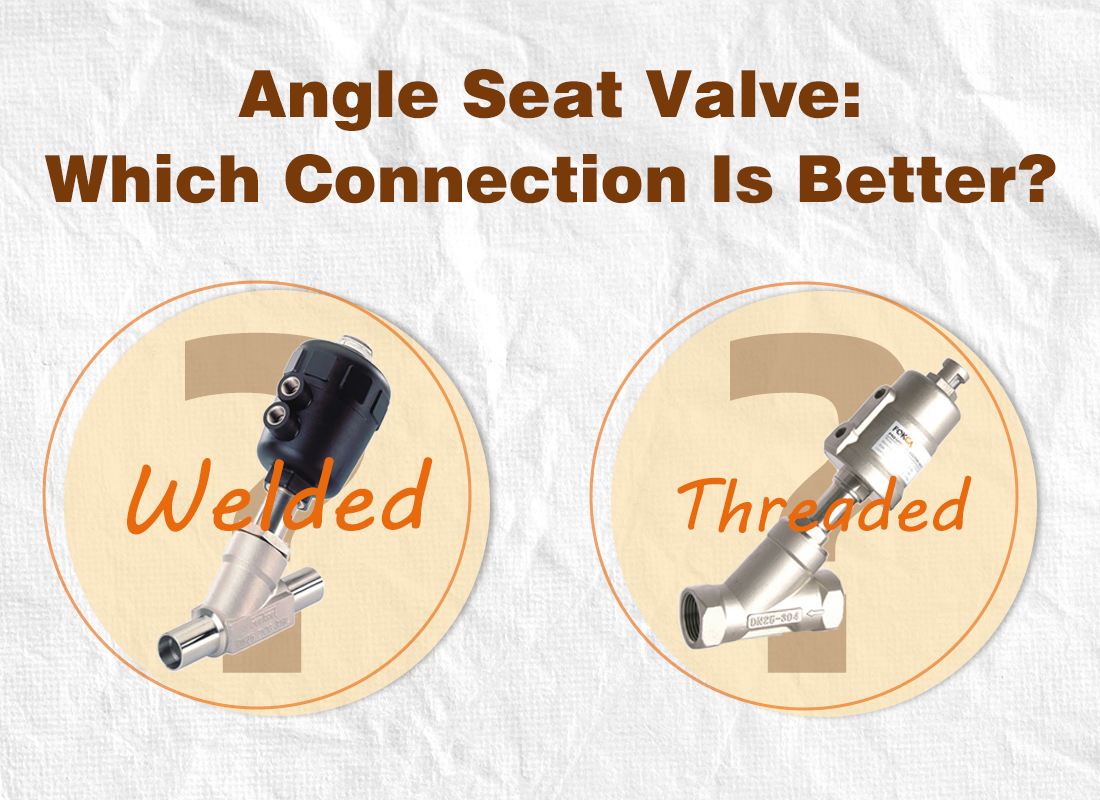
For space-restricted installations, threaded or clamp connections offer clear advantages. They reduce overall dimensions and allow quick removal for servicing, improving long-term system maintainability.
A common mistake in compact systems is focusing solely on whether a valve can be installed, without considering whether it can be serviced later. Even the most compact valve becomes problematic if the actuator or pilot solenoid cannot be accessed.
A well-chosen pneumatic control valve balances compact installation, reliable operation, and realistic maintenance access—a principle that becomes increasingly important as automation systems grow more compact.
(FK9025)

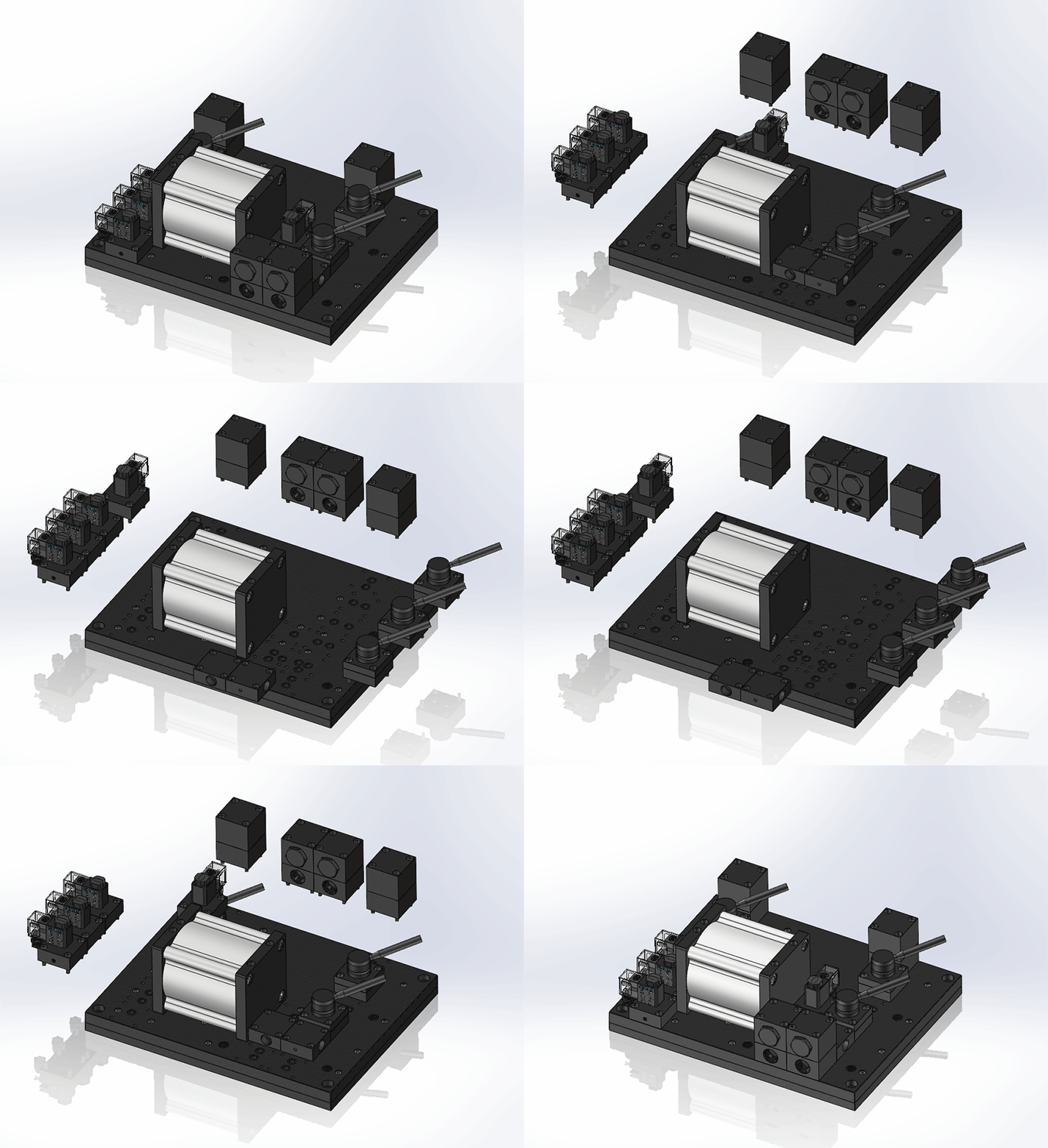
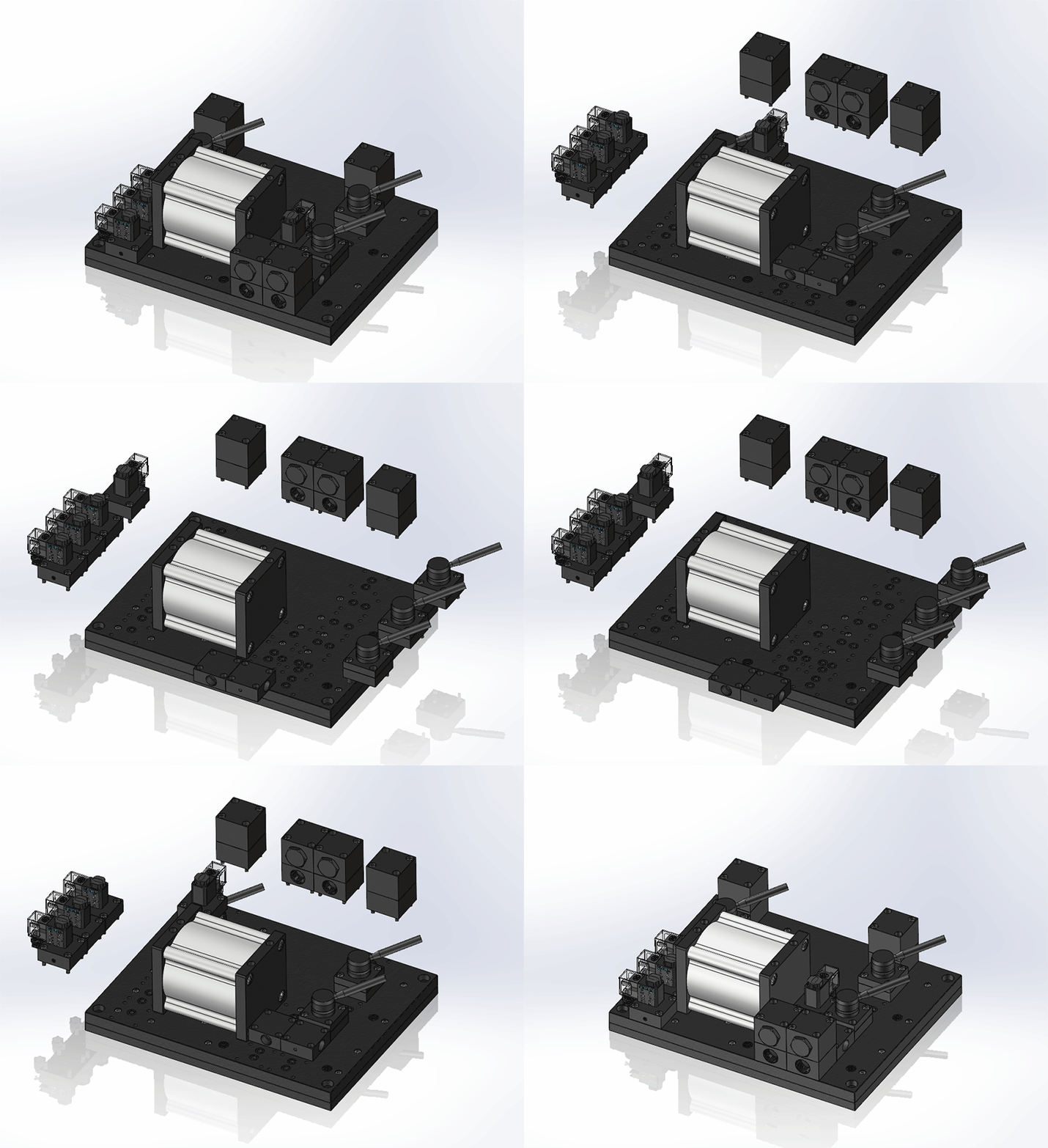
Dec 05, 2024 Case Studies
Customized Combination Manifold Valves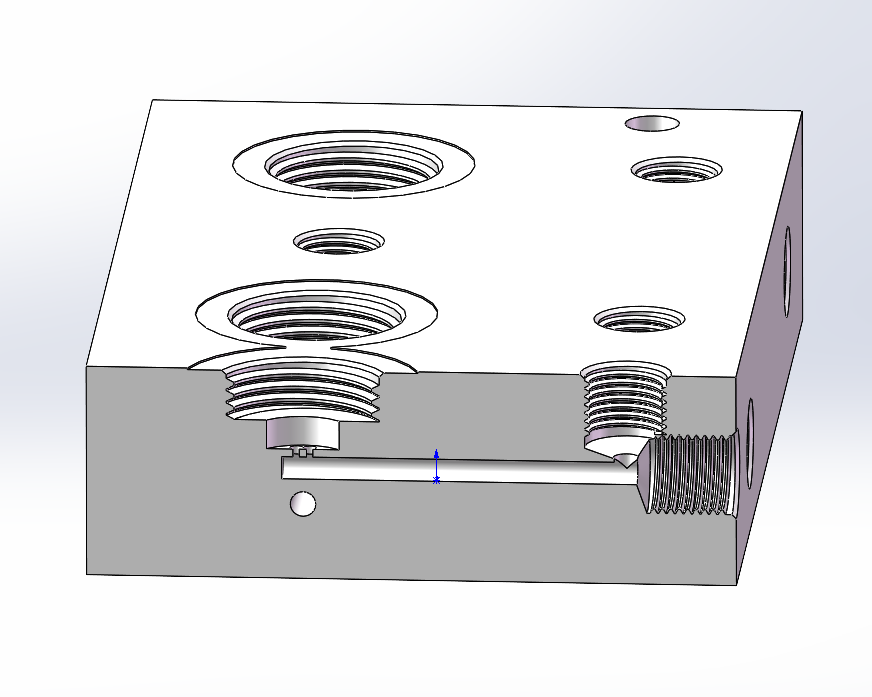
Dec 02, 2024 Case Studies
Custom Valve Manifolds design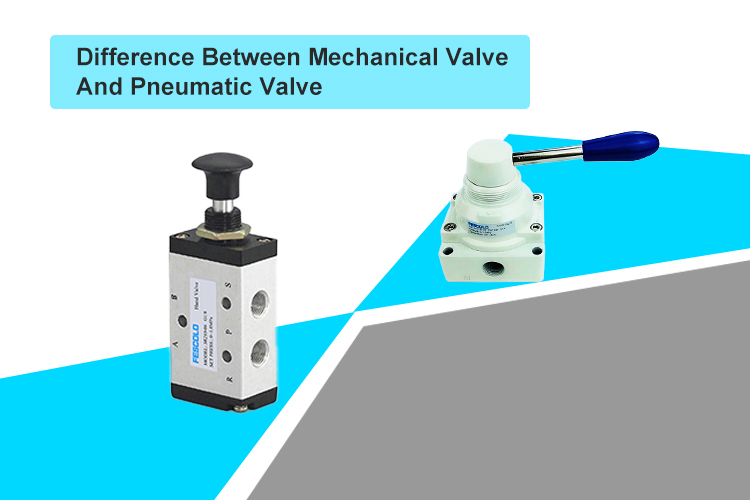


Whatsapp QR:

WeChat QR:

Tell us about your application requirements. Our engineers will review your project and provide practical feedback within 1–2 working days.

Fescolo is the specialized custom pneumatic cylinder brand operated by Ningbo Fokca Automation Co., Ltd.
Looking for standard pneumatic and automation components?
Visit Fokca
© 2026 Ningbo Fokca Automation Co., Ltd. All Rights Reserved. Sitemap