Jan 15, 2026
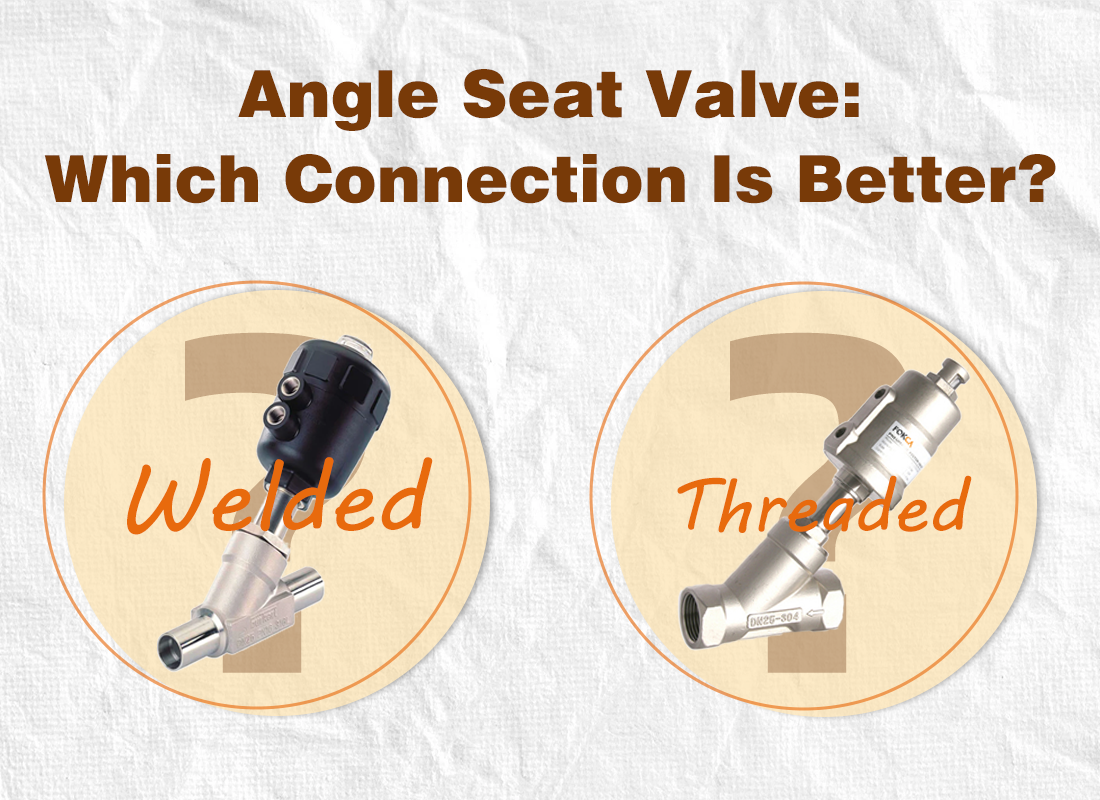
In industrial piping systems, angle seat valves rarely operate alone. They are integrated into steam lines, fluid circuits, and automated equipment where connection type directly affects sealing performance, maintenance effort, and long-term reliability. Common options include threaded angle seat valves (such as AV101) and welded angle seat valves (such as AV103), each suited to different operating priorities.
In steam, food processing, and pharmaceutical systems, angle seat valves often face high temperatures, frequent cycling, and pressure fluctuations. Field experience shows that even a well-designed valve can become a weak point if the connection method is not suitable. The choice impacts not only installation but also future servicing and system upgrades.
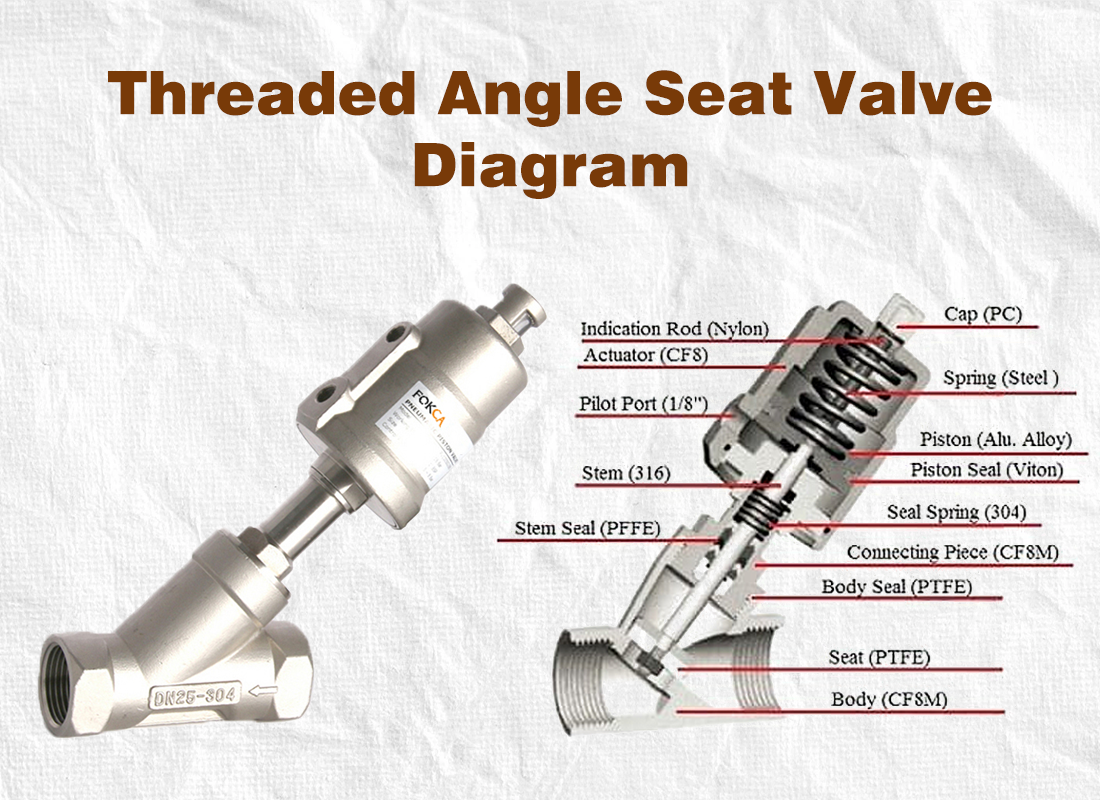
Threaded angle seat valves connect directly to piping via internal threads, making installation fast and flexible. They are widely used in compact equipment and modular systems where welding is impractical.
Under low to medium pressure, proper thread machining combined with suitable sealing materials can deliver reliable sealing. Another key advantage is easy disassembly, allowing quick valve replacement during maintenance or system modifications. However, in high-temperature steam systems, thermal expansion and vibration may gradually affect thread tightness, requiring periodic inspection.
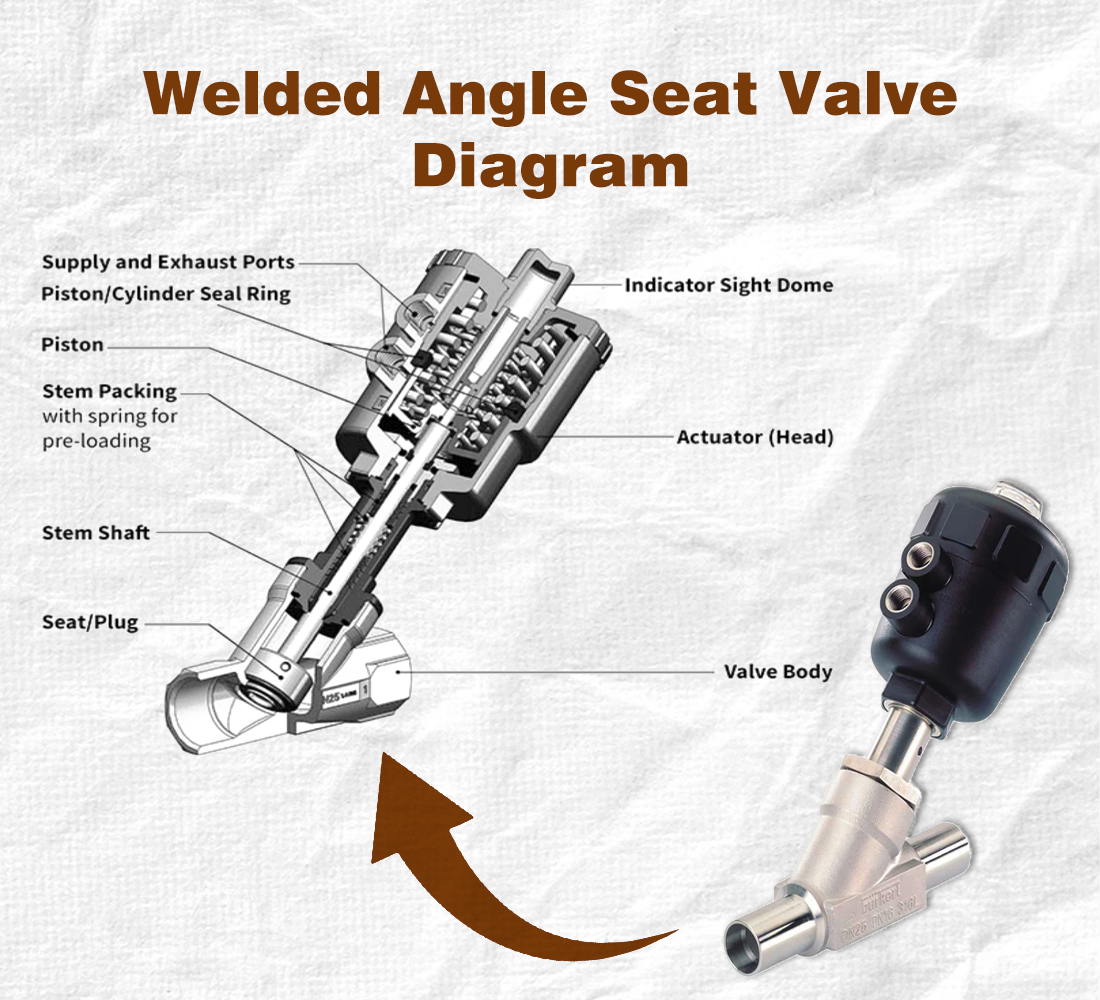
Welded angle seat valves form a rigid, permanent connection with the pipeline. By eliminating threaded interfaces, they significantly reduce the risk of leakage under high pressure and high temperature conditions.
This structural integrity makes welded connections ideal for continuous-duty steam lines and chemical processes. The trade-off is reduced flexibility: valve replacement usually involves cutting and re-welding, increasing downtime and labor requirements.
From an initial installation perspective, threaded valves are more economical and easier to deploy. However, in demanding environments, welded connections often lower the total cost of ownership by minimizing leakage-related failures and unplanned shutdowns.
For OEMs and system integrators, the decision often depends on whether frequent disassembly is expected, whether on-site welding is feasible, and how critical uninterrupted operation is to the process.
| Item | Threaded Connection | Welded Connection |
|---|---|---|
| Sealing reliability | Medium, depends on thread quality | High, no threaded joints |
| Installation cost | Low | Higher (welding required) |
| Maintenance & replacement | Easy to remove | Difficult, cutting required |
| Pressure resistance | Moderate | High |
| Typical applications | Equipment skids, low–medium pressure | Steam lines, high-temperature systems |
Threaded angle seat valves are well suited for applications prioritizing flexibility and maintenance efficiency. Welded angle seat valves, on the other hand, provide superior stability for high-temperature, high-pressure systems where long-term sealing reliability is essential. The optimal choice lies in matching the connection type to real operating conditions rather than defaulting to one option.
(FK9025)
 Pneumatic Clamping Module Design in Packaging Machinery
 Pneumatic Fittings Replacement Cycle: How Often Should You Change Pneumatic Fittings
 Pneumatic Pusher Module Design in Pneumatic Packaging Machines
 Vacuum Filter and Response Time: Does Filtration Slow Down Vacuum Systems
 Metal Seated Pneumatic Ball Valve: When Is Metal Sealing Required?
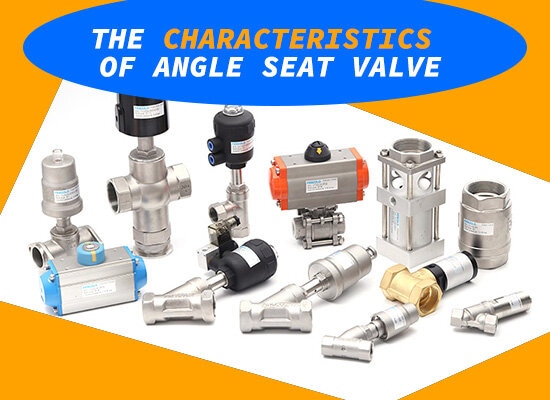
Dec 05, 2024 Case Studies
Customized Combination Manifold Valves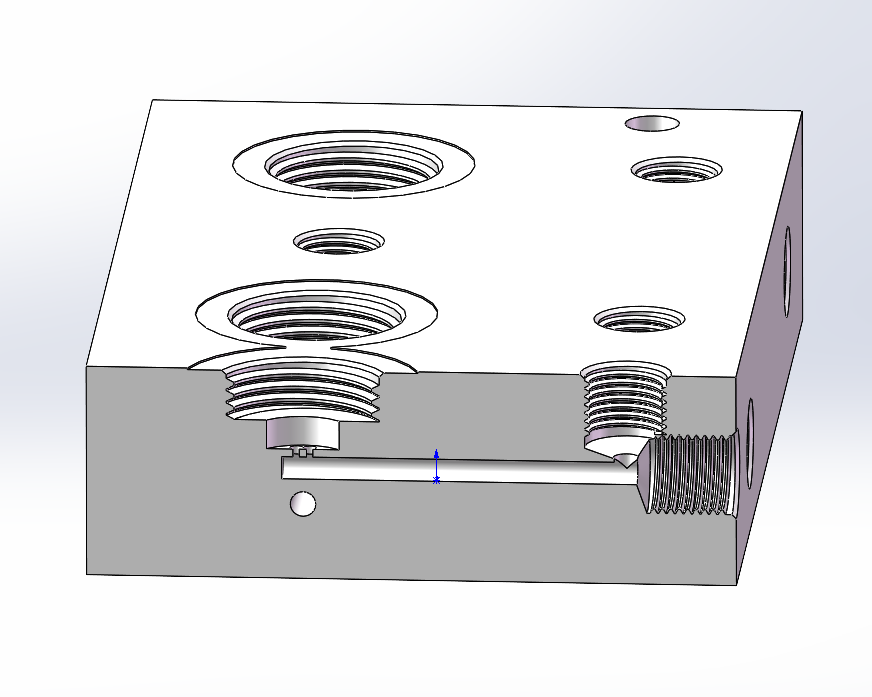
Dec 02, 2024 Case Studies
Custom Valve Manifolds design


Whatsapp QR:

WeChat QR:

Tell us about your application requirements. Our engineers will review your project and provide practical feedback within 1–2 working days.

Fescolo is the specialized custom pneumatic cylinder brand operated by Ningbo Fokca Automation Co., Ltd.
Looking for standard pneumatic and automation components?
Visit Fokca
© 2026 Ningbo Fokca Automation Co., Ltd. All Rights Reserved. Sitemap