Jan 13, 2026
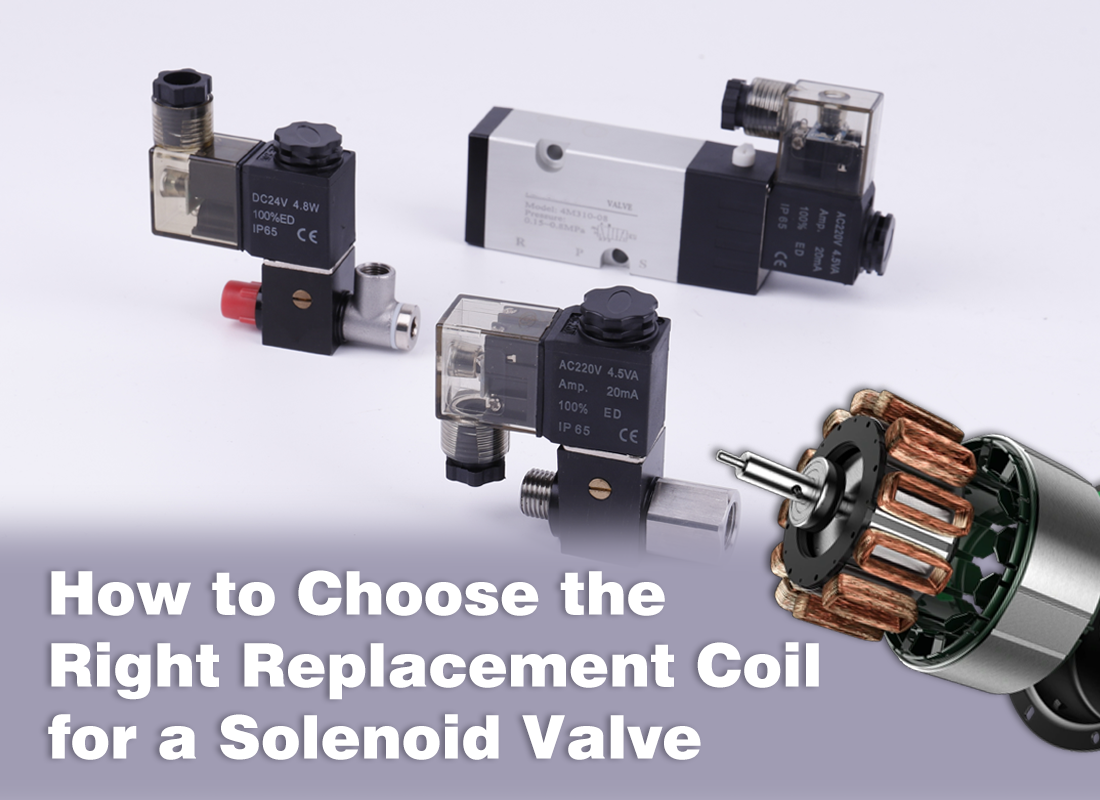
In many industrial systems, the solenoid valve coil is one of the most frequently replaced components. Continuous energizing, temperature rise, voltage fluctuation, and harsh environments all contribute to coil failure. While replacing a coil may seem straightforward, improper selection often leads to unstable valve operation, repeated burnouts, or unexpected downtime.
Whenever possible, choosing the original coil with the same part number is the safest and most reliable option. The original manufacturer has already optimized the magnetic circuit, pilot guide dimensions, and power rating for the specific valve design. With an OEM coil, no additional verification is usually required.
For distributors and purchasing teams, this approach minimizes after-sales risk and technical disputes, even if the unit price is slightly higher.
If the original coil is discontinued or unavailable, engineers often jump directly to voltage checks. In practice, mechanical compatibility should always be verified first, especially:
◆ Pilot hole diameter matching the pilot guide
◆ Overall coil height fitting the valve structure
| Check Item | Why It Matters | What to Verify |
|---|---|---|
| Original part number | Ensures full compatibility | Same model or manufacturer reference |
| Pilot hole diameter | Affects magnetic force transfer | Must match the pilot guide size |
| Coil height | Impacts stroke and sealing | Equal or very close to original |
| AC or DC type | Determines magnetic behavior | AC ≠ DC, never interchangeable |
| Rated voltage | Prevents coil burnout or weak pull | 12V, 24V, 110V, 220V, etc. |
| Frequency (AC only) | Affects coil performance | 50Hz or 60Hz |
| Power consumption | Determines pulling force | Must meet or exceed original |
| Insulation class | Impacts service life | Class F or higher recommended |
If the pilot hole is too small or misaligned, the magnetic force cannot be transmitted efficiently. The coil may energize and make noise, but the valve will not open fully. This issue is commonly misdiagnosed as an electrical problem in the field.
Once mechanical fit is confirmed, electrical parameters can be evaluated. AC and DC coils are not interchangeable.
• DC solenoid coils provide stable magnetic force, low noise, and are suitable for continuous-duty applications.
• AC solenoid coils offer strong initial pull-in force and fast response but usually generate a noticeable hum during operation.
Replacing a DC coil with an AC version, even at the same voltage, often results in unreliable valve actuation.
Even within AC or DC categories, voltage and frequency must match exactly. Using a 110V coil in a 220V system or a 60Hz coil in a 50Hz environment can significantly increase heat generation and shorten coil life.
Coil power rating is equally critical. Insufficient power may prevent the valve from opening under high pressure or flow conditions, while excessive power can overheat the coil and damage internal components. In most cases, matching the original power specification is the safest strategy.
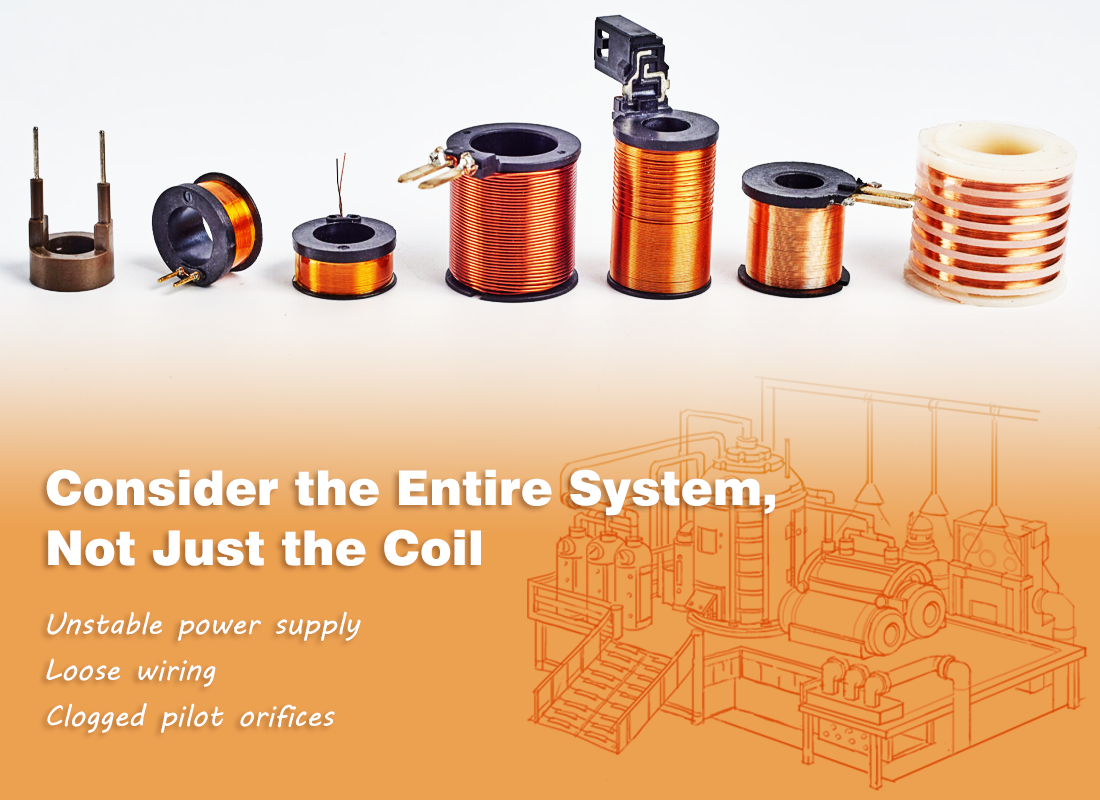
Experienced engineers rarely replace a coil without checking surrounding factors. Unstable power supply, loose wiring, or clogged pilot orifices often cause symptoms similar to coil failure. Replacing the coil without addressing these issues may lead to repeated breakdowns.
For users managing multiple valve types, maintaining a coil–valve compatibility list is extremely helpful. Recording pilot hole size, voltage, frequency, and power range allows quick and accurate selection when original parts are unavailable.
A solenoid valve coil may be a consumable item, but when selected correctly, it ensures quiet, reliable operation. When selected incorrectly, it becomes a recurring source of problems.
(FK9025)
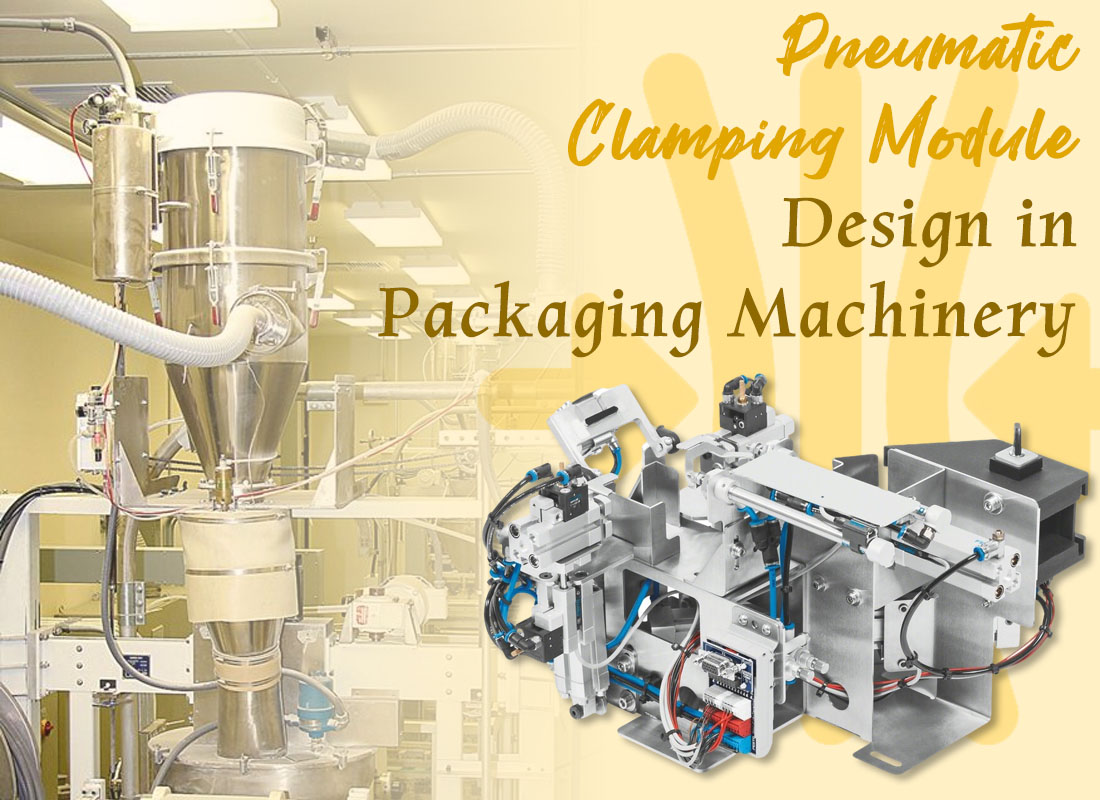 Pneumatic Clamping Module Design in Packaging Machinery
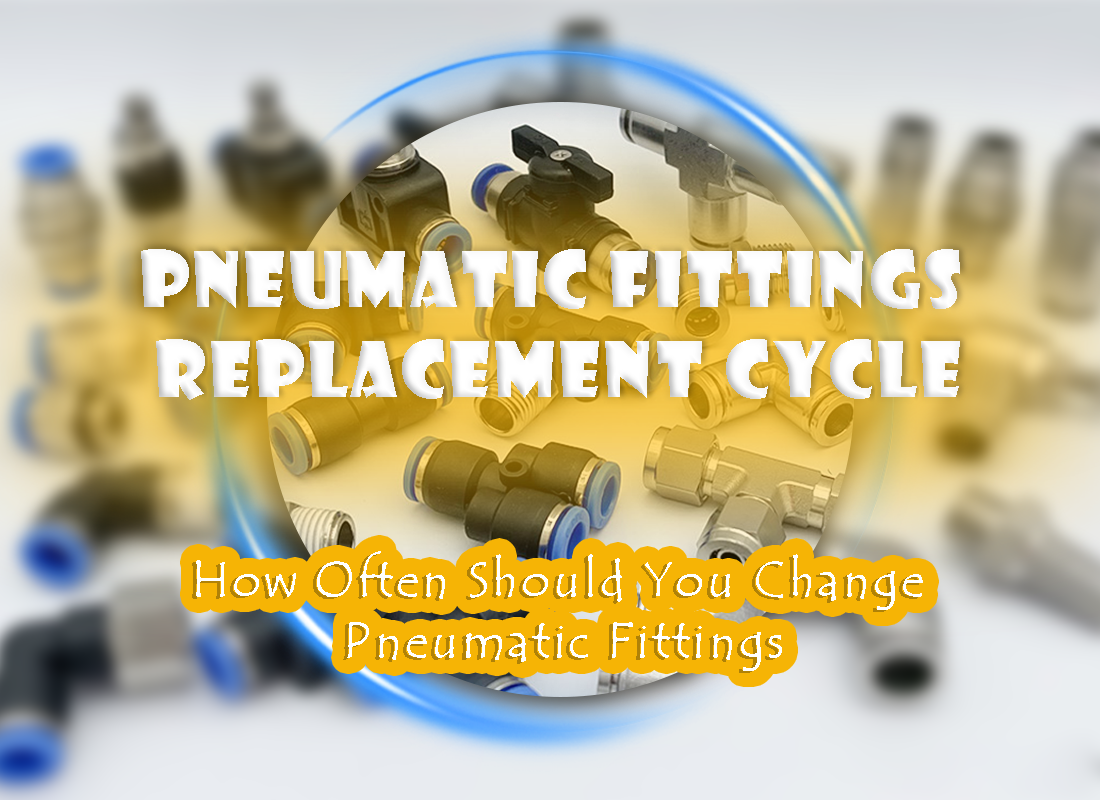 Pneumatic Fittings Replacement Cycle: How Often Should You Change Pneumatic Fittings
 Pneumatic Pusher Module Design in Pneumatic Packaging Machines
 Vacuum Filter and Response Time: Does Filtration Slow Down Vacuum Systems
 Metal Seated Pneumatic Ball Valve: When Is Metal Sealing Required?
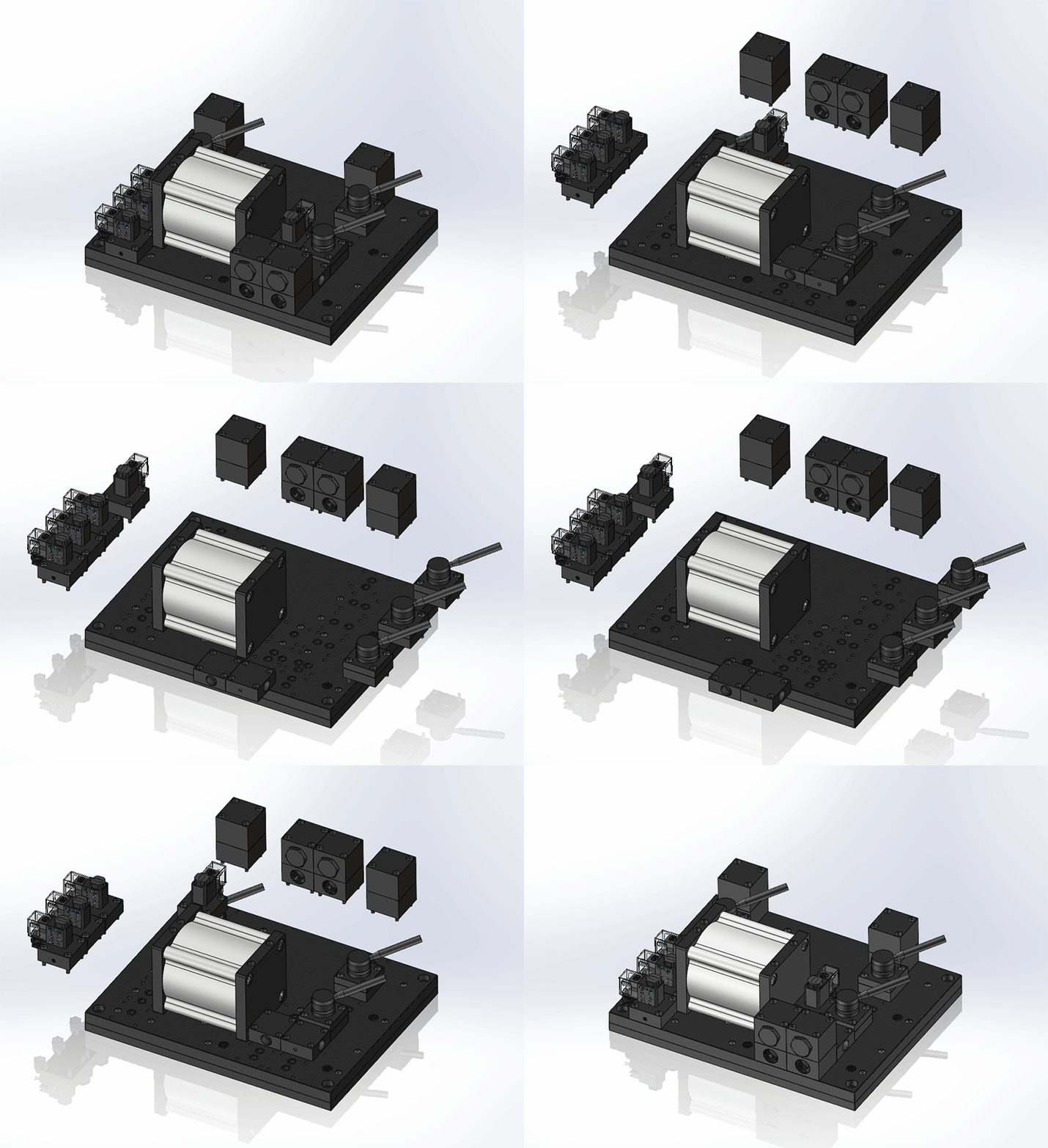
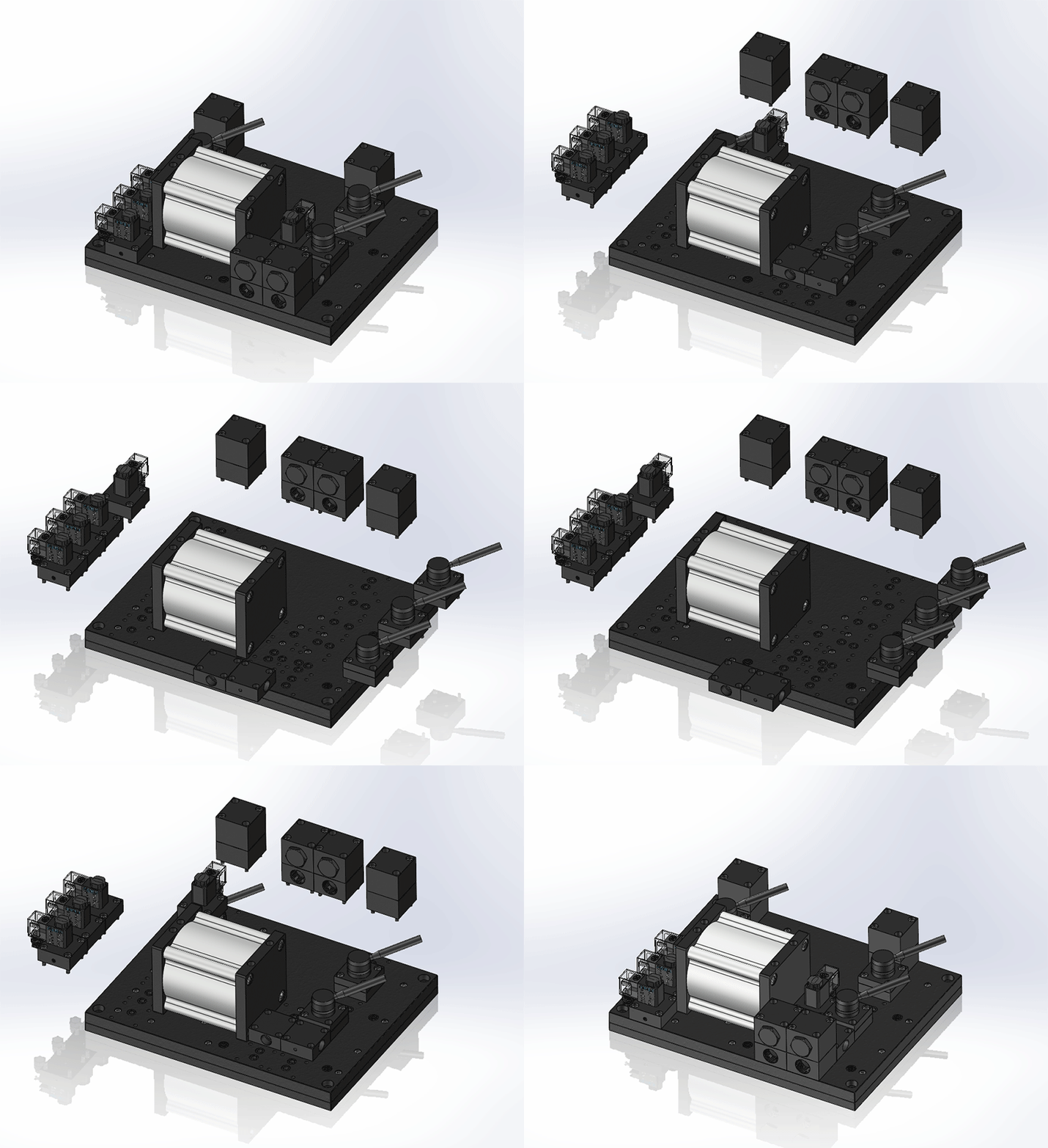
Dec 05, 2024 Case Studies
Customized Combination Manifold Valves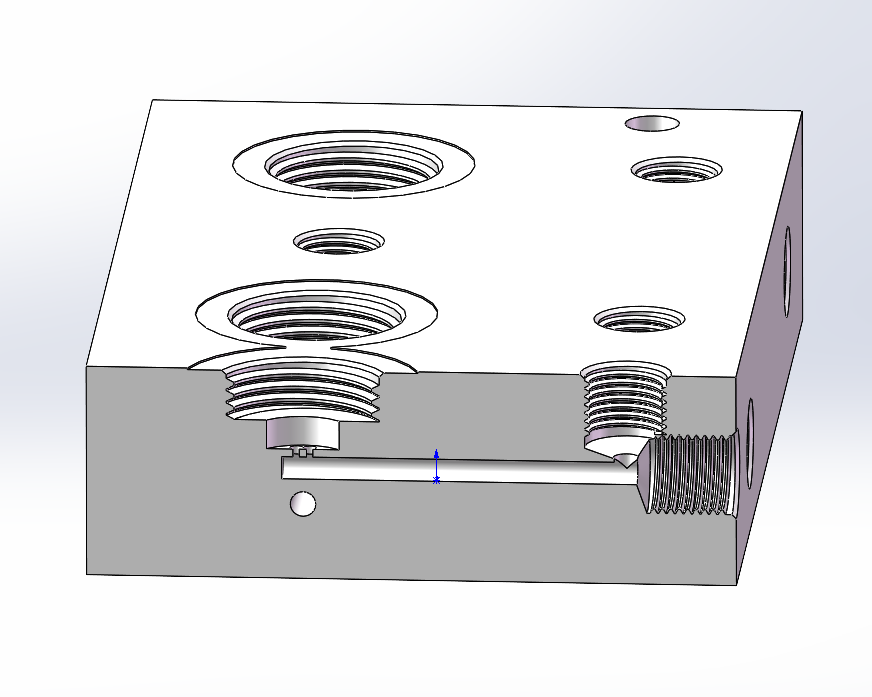
Dec 02, 2024 Case Studies
Custom Valve Manifolds design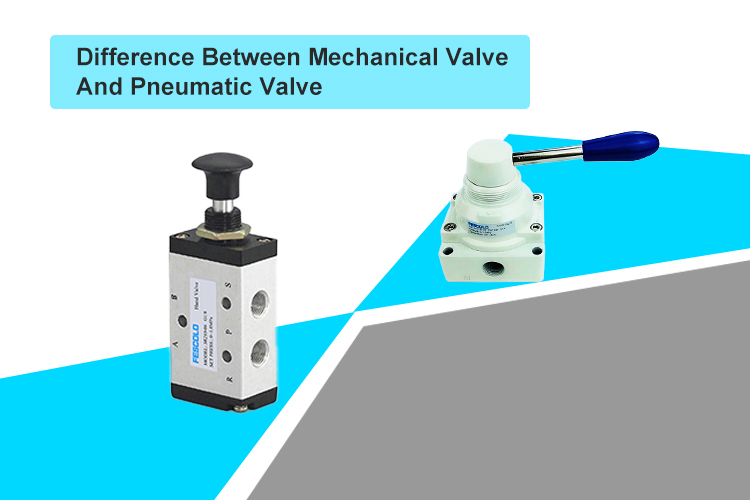


Whatsapp QR:

WeChat QR:

Tell us about your application requirements. Our engineers will review your project and provide practical feedback within 1–2 working days.

Fescolo is the specialized custom pneumatic cylinder brand operated by Ningbo Fokca Automation Co., Ltd.
Looking for standard pneumatic and automation components?
Visit Fokca
© 2026 Ningbo Fokca Automation Co., Ltd. All Rights Reserved. Sitemap