Jan 22, 2026
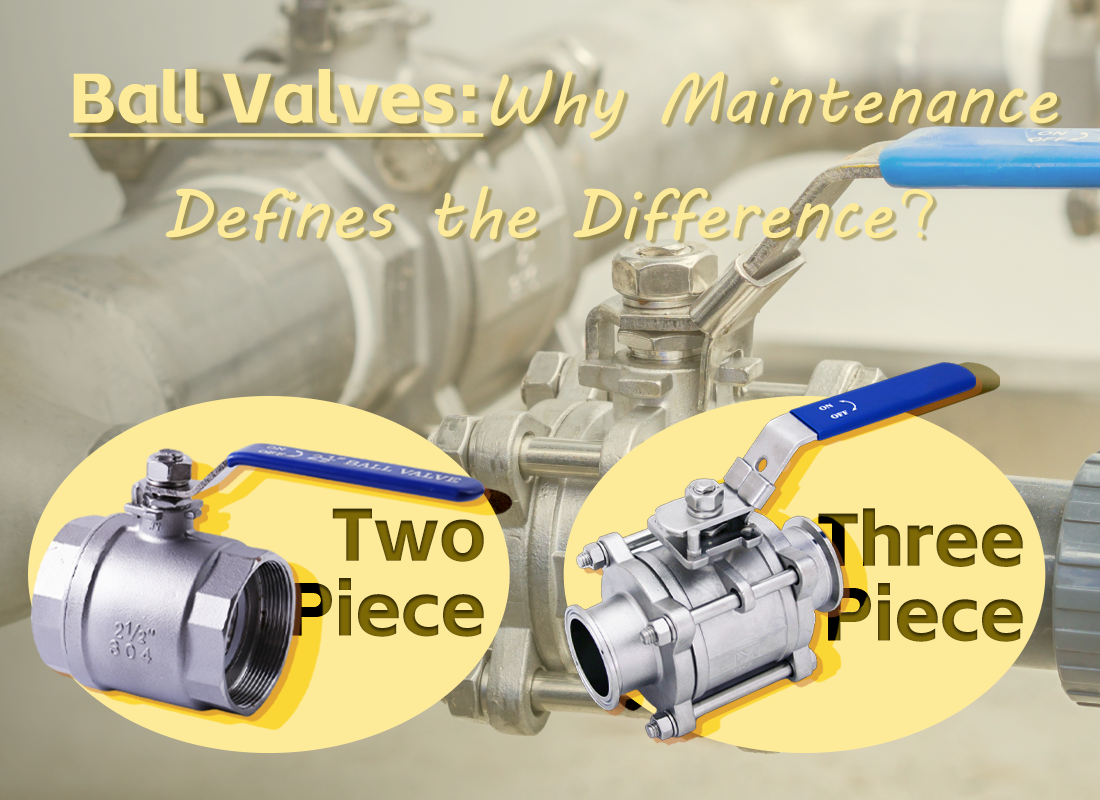
In industrial piping systems, the ball valve is one of the most widely used shut-off valves. While two-piece and three-piece ball valves may look similar on paper, their body construction leads to very different maintenance realities once the system is in operation.
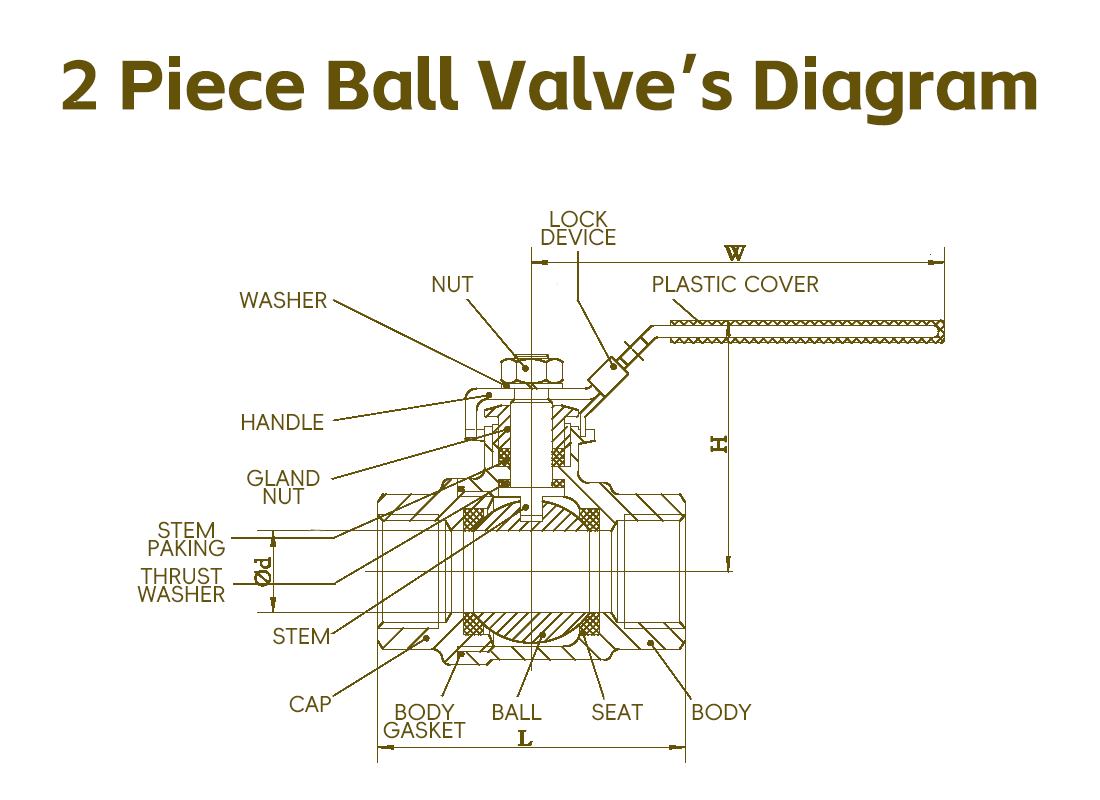
A two piece ball valve consists of one main body and one end cap. The ball, seats, and stem are assembled from one side, and the valve is then installed into the pipeline.
This simple structure makes the ball valve two piece cost-effective and easy to install, which explains its popularity in water, air, and general industrial applications.
When sealing components wear out, the entire valve usually must be removed from the pipeline. In tight installations or continuous-process systems, this results in longer downtime and higher labor cost.
A two-piece ball valve is reliable, but not maintenance-friendly.
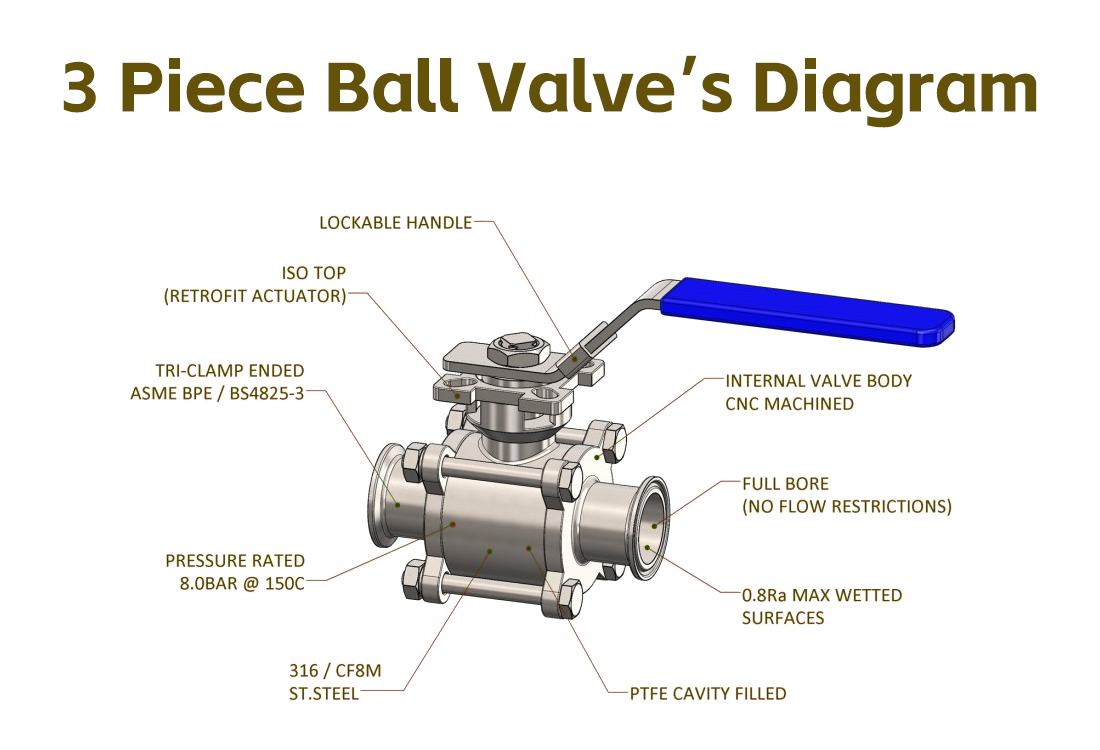
A three piece ball valve features a central body section and two removable end caps. The end caps remain connected to the pipeline, while the center body can be removed independently.
This design allows internal parts to be serviced without disturbing the piping, which is why 3 piece stainless ball valves are widely used in demanding industrial environments.
With a three-piece design, maintenance tasks such as seat replacement, cleaning, or inspection can be completed quickly. There is no need to realign or rework the pipeline, making this structure ideal for systems where downtime must be minimized.
Although three piece ball valves cost more initially, they often reduce total ownership cost by shortening maintenance time and extending service life. In many production environments, this advantage outweighs the higher purchase price.
| Feature | Two Piece Ball Valve | Three Piece Ball Valve |
|---|---|---|
| Body Construction | One body + one end cap | One body + two end caps |
| Service Access | Full removal required | Center body removable |
| Downtime | Longer | Shorter |
| Initial Price | Lower | Higher |
| Typical Industries | Utilities, general industry | Food, pharma, chemical |
If your system prioritizes low upfront cost and infrequent maintenance, a two piece ball valve is sufficient.
If uptime, hygiene, or fast servicing matters, a three piece ball valve is the more practical solution.
Good valve selection is less about price—and more about how easily you can deal with problems when they occur.
(FK9025)
 Pneumatic Clamping Module Design in Packaging Machinery
 Pneumatic Fittings Replacement Cycle: How Often Should You Change Pneumatic Fittings
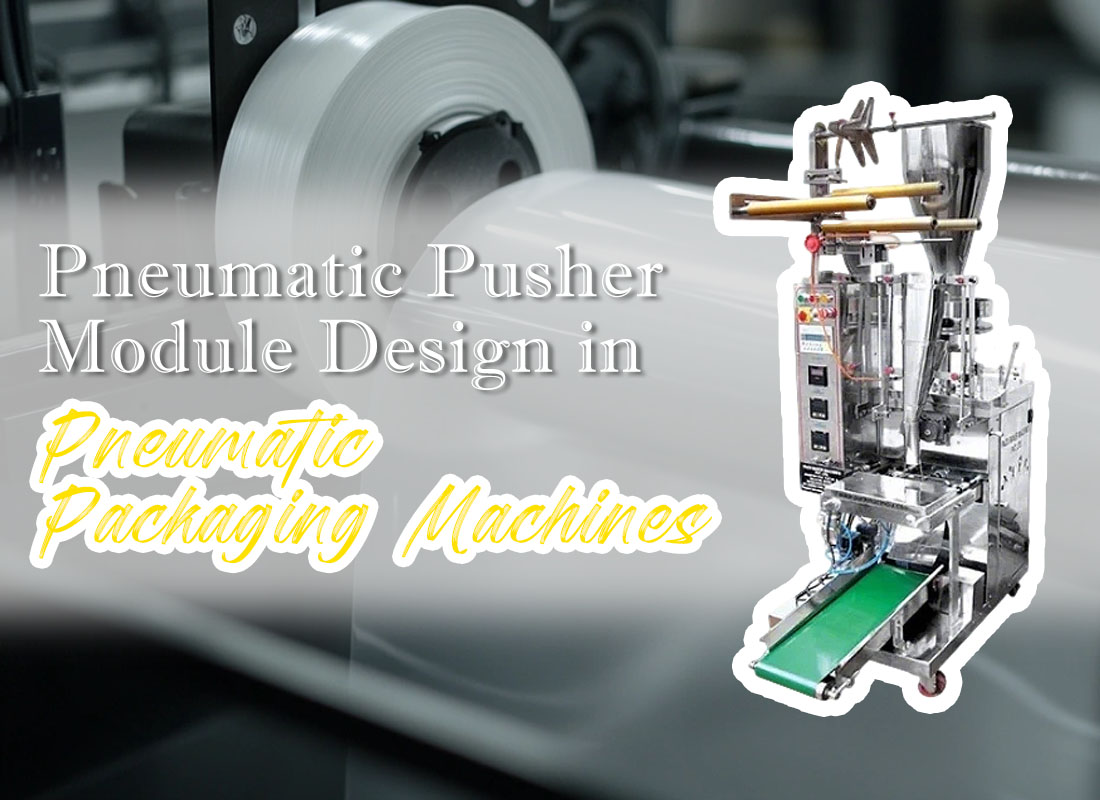 Pneumatic Pusher Module Design in Pneumatic Packaging Machines
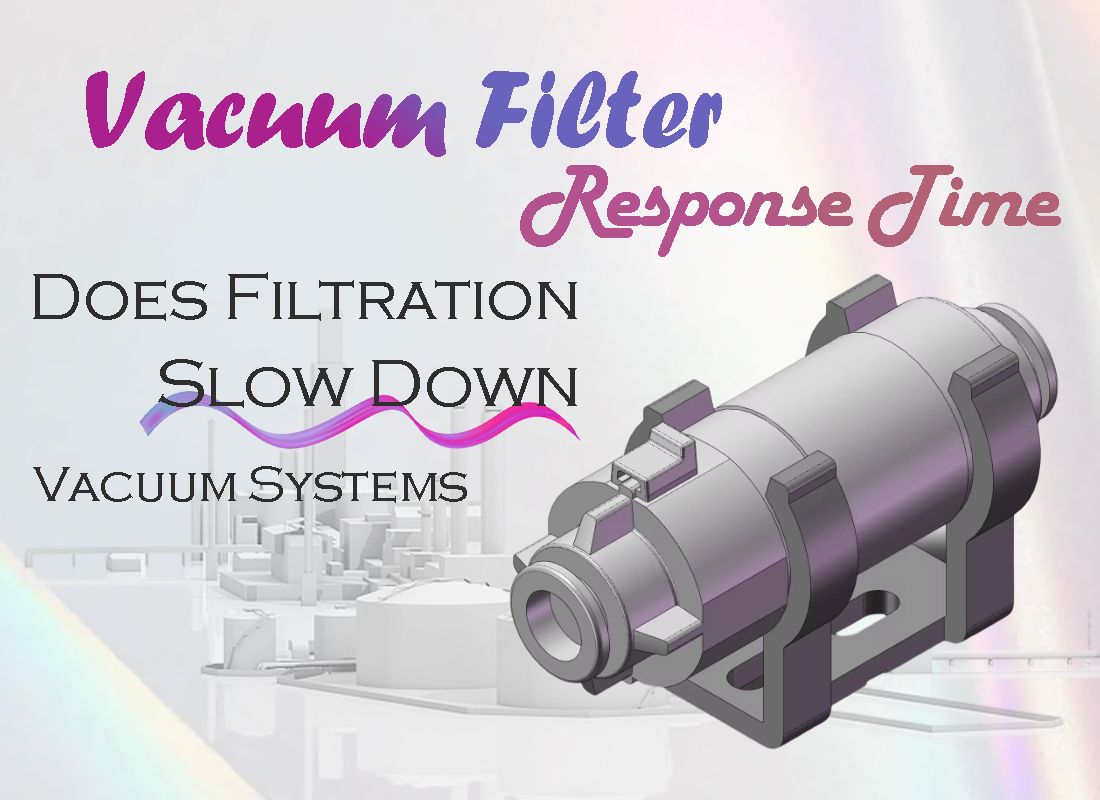 Vacuum Filter and Response Time: Does Filtration Slow Down Vacuum Systems
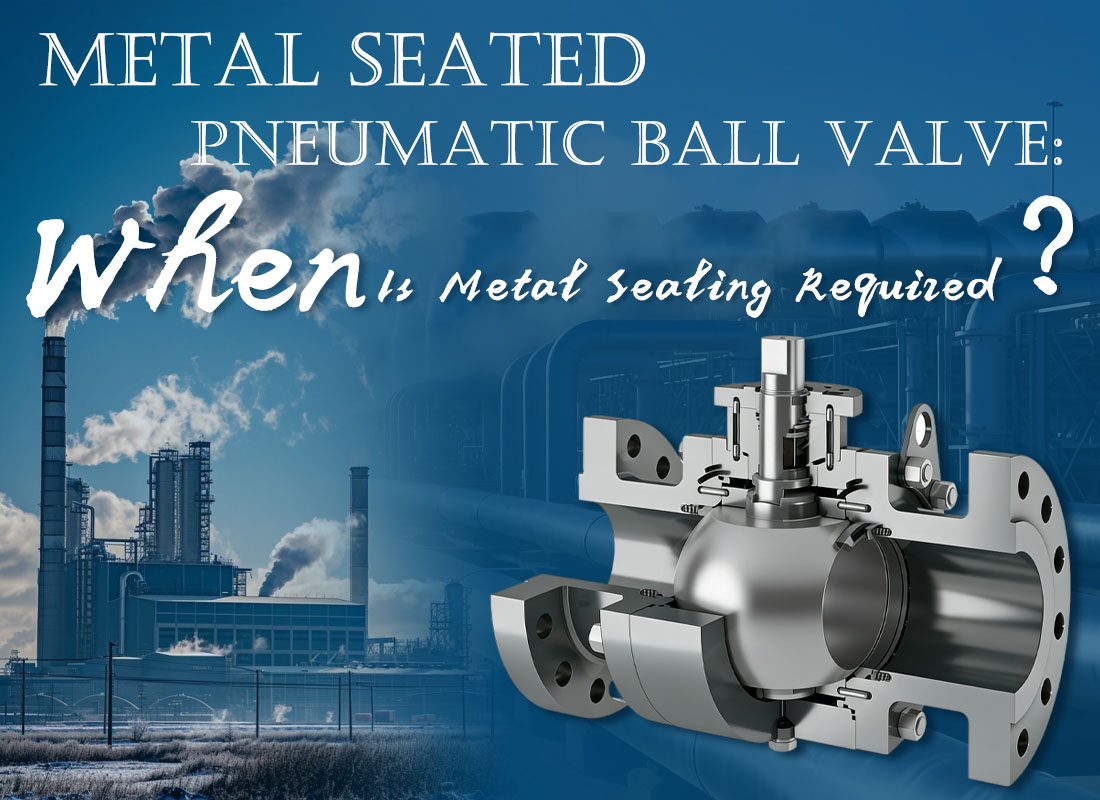 Metal Seated Pneumatic Ball Valve: When Is Metal Sealing Required?

Dec 05, 2024 Case Studies
Customized Combination Manifold Valves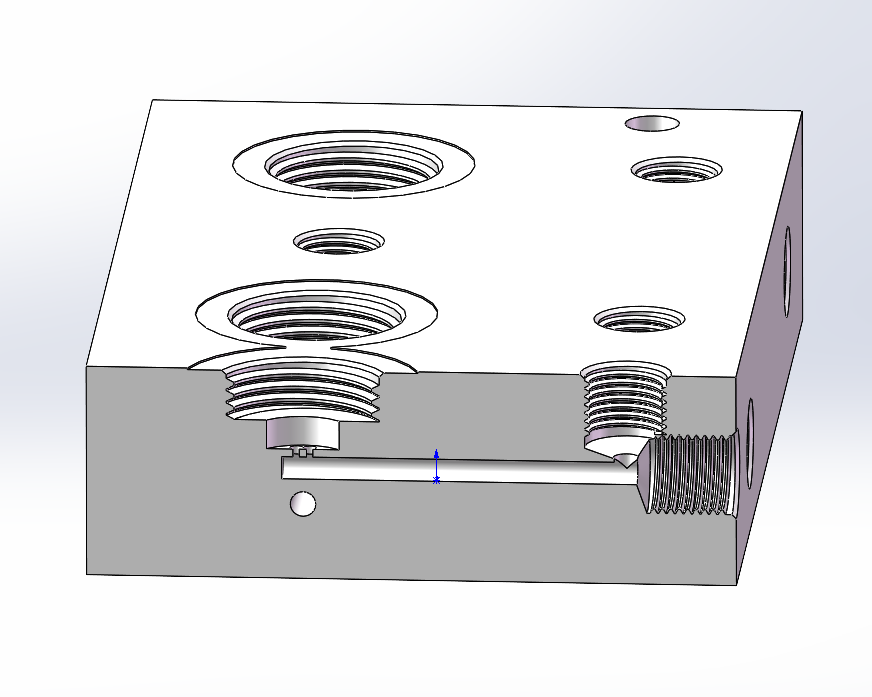
Dec 02, 2024 Case Studies
Custom Valve Manifolds design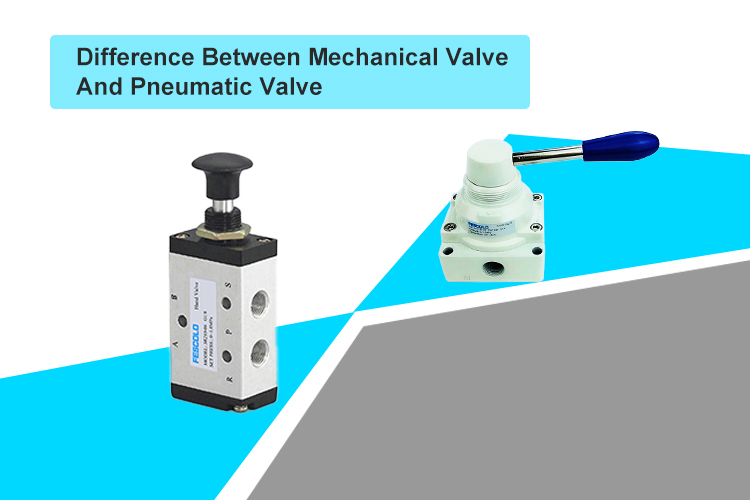

Whatsapp QR:

WeChat QR:

Tell us about your application requirements. Our engineers will review your project and provide practical feedback within 1–2 working days.

Fescolo is the specialized custom pneumatic cylinder brand operated by Ningbo Fokca Automation Co., Ltd.
Looking for standard pneumatic and automation components?
Visit Fokca
© 2026 Ningbo Fokca Automation Co., Ltd. All Rights Reserved. Sitemap