Jan 13, 2026
In pneumatic tube systems, pressure stability, durability, and long-term reliability are rarely determined by material choice alone. Engineers who have worked with high-cycle automation equipment know that a tube failing prematurely is often not caused by a single overload event, but by repeated stress, pressure fluctuations, and gradual material fatigue. This is exactly why PUB Braided Polyurethane Tube has evolved into a multi-layer composite structure rather than relying on a thickened single-layer design.
Unlike basic pneumatic tubes, braided polyurethane tubing is engineered to manage pressure, motion, and environmental exposure simultaneously. Understanding why this structure is widely adopted helps distributors recommend the right solution, engineers design more stable systems, and buyers avoid hidden maintenance costs.
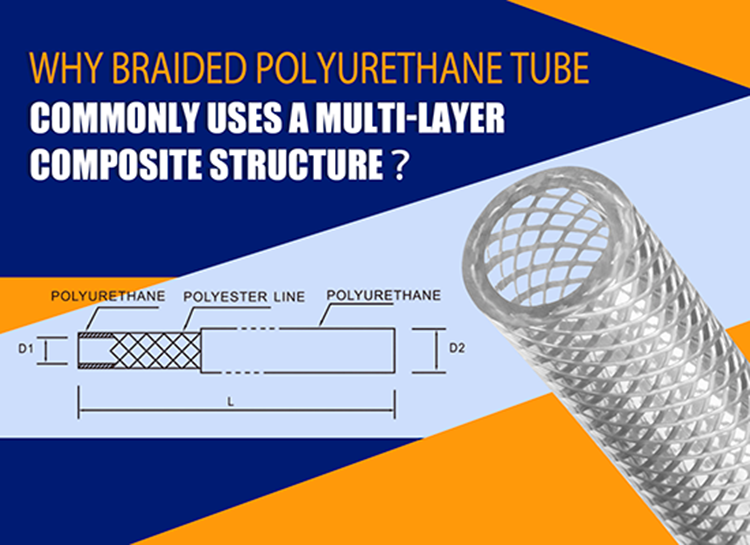
Single-layer polyurethane pneumatic tubes are widely used for low-pressure, static applications. Their flexibility and ease of installation make them attractive, but these advantages diminish as operating pressure increases or when the system experiences frequent pressure cycling.
Under load, a single-layer PU tube must absorb all circumferential stress directly through the polymer wall. As internal pressure rises, the tube tends to expand radially. Over time, this expansion leads to material creep, wall thinning, and micro-cracking—especially in systems with frequent start-stop cycles or pressure spikes. In real pneumatic tube systems, pressure is rarely perfectly stable.
For equipment engineers, this often shows up as gradual loss of dimensional stability. Fittings loosen, sealing performance degrades, and tube replacement becomes a routine maintenance task rather than an exception. Simply increasing wall thickness may raise the pressure rating slightly, but it also reduces flexibility and increases stress concentration during bending.
This structural limitation is the key reason pneumatic tubes designed for higher performance move beyond single-layer construction.
The introduction of a tube braid fundamentally changes how pressure is handled inside the tube. Instead of relying solely on the PU material to resist expansion, the braided layer converts internal pressure into distributed tensile forces along the fiber network.
In braided polyurethane hose designs, the braid acts as a reinforcement skeleton. When pressure increases, the braid tightens and restrains radial expansion, significantly improving pressure stability without excessive wall thickness. This allows the inner PU layer to focus on flow consistency and chemical resistance, rather than structural load-bearing alone.
From a mechanical perspective, this separation of roles is critical. The pu braid absorbs dynamic stress, reduces pulsation-induced fatigue, and improves resistance to sudden pressure surges. For pneumatic tube systems operating near their upper pressure limits, this reinforcement is often the difference between predictable service life and repeated failures.
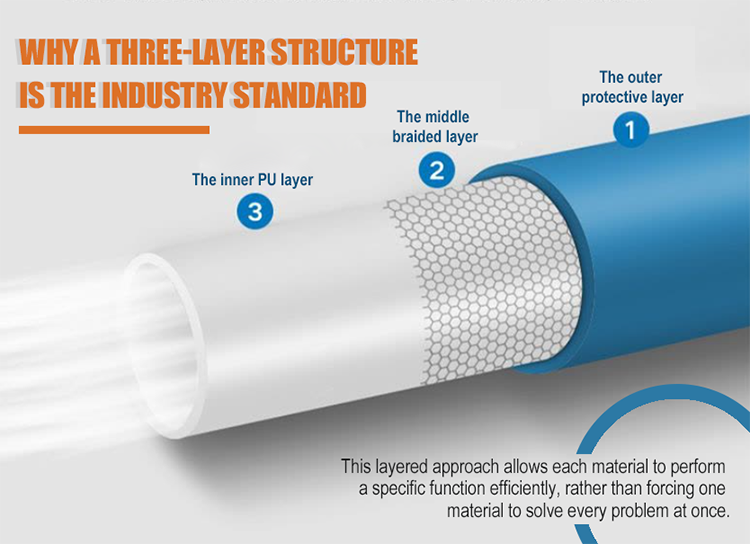
Most PUB Braided Polyurethane Tube designs follow a three-layer composite structure, not by convention, but by engineering necessity.
◆The inner PU layer is optimized for smooth flow, abrasion resistance, and compatibility with compressed air or compatible fluids. Its surface quality directly affects pressure drop and long-term cleanliness within the pneumatic tubes.
◆The middle braided layer, typically made from high-strength polyester or similar fibers, provides structural reinforcement. Its braid angle and density are carefully selected to balance pressure resistance and flexibility. A braid that is too tight increases stiffness, while one that is too loose reduces pressure capability.
◆The outer protective layer shields the reinforcement from abrasion, oil exposure, and environmental damage. In real factory conditions, tubes are dragged, bent, and exposed to contaminants daily. Without this outer layer, even the strongest braid would degrade prematurely.
This layered approach allows each material to perform a specific function efficiently, rather than forcing one material to solve every problem at once.
In many pneumatic tube systems, average working pressure tells only part of the story. Rapid valve switching, actuator cycling, and emergency stops introduce pressure pulsations that are far more damaging than steady-state loads.
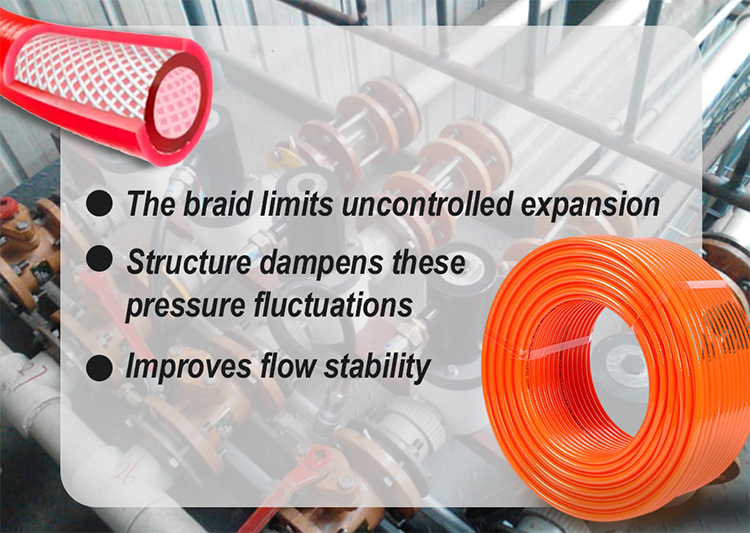
A braided polyurethane tubing structure dampens these pressure fluctuations by distributing stress across the braided layer. Instead of repeated radial expansion of the PU wall, stress is shared across hundreds of fiber intersections. Over time, this dramatically reduces fatigue accumulation.
Equipment engineers often observe that systems using pu braided hose maintain fitting integrity and dimensional stability far longer than those using standard pneumatic tubes, even when nominal pressure ratings appear similar. This reliability advantage becomes increasingly important in automated production lines where downtime costs far exceed component price differences.
One common misconception is that adding reinforcement always reduces flexibility. In practice, a well-designed braided polyurethane hose often bends more predictably than a thick single-layer tube.
Because the braid limits uncontrolled expansion, the tube maintains a more consistent cross-section during bending. This improves flow stability and reduces localized stress at bend points. For installations with tight routing or moving components, this controlled flexibility is a major advantage.
In compact pneumatic tube systems, especially those integrated with actuators, valves, and quick couplings, maintaining a small bending radius without compromising pressure performance is essential. Multi-layer composite construction makes this balance achievable.
Multi-layer PUB Braided Polyurethane Tube is particularly well suited for automation equipment, assembly lines, packaging machinery, and systems with frequent pressure cycling. It is also commonly used where space constraints require tight routing without sacrificing pressure safety margins.
In applications combining compressed air with light fluid transfer, the structural stability of a braided polyurethane hose helps maintain consistent performance across different media, further extending its usability beyond basic pneumatic tubes.
Selecting the correct pneumatic tube is not just about pressure ratings on a datasheet. It requires understanding how pressure behaves in real systems, how tubes move during operation, and how environmental factors accelerate wear.
The widespread adoption of PUB Braided Polyurethane Tube reflects years of practical engineering experience across industries. Its multi-layer composite structure addresses the limitations of single-layer PU tubes in a balanced, cost-effective way—delivering strength, flexibility, and durability without unnecessary complexity.
For distributors, engineers, and buyers evaluating pneumatic tube systems, recognizing the structural logic behind braided polyurethane tubing makes selection decisions clearer and system outcomes more reliable.
(FK9026)
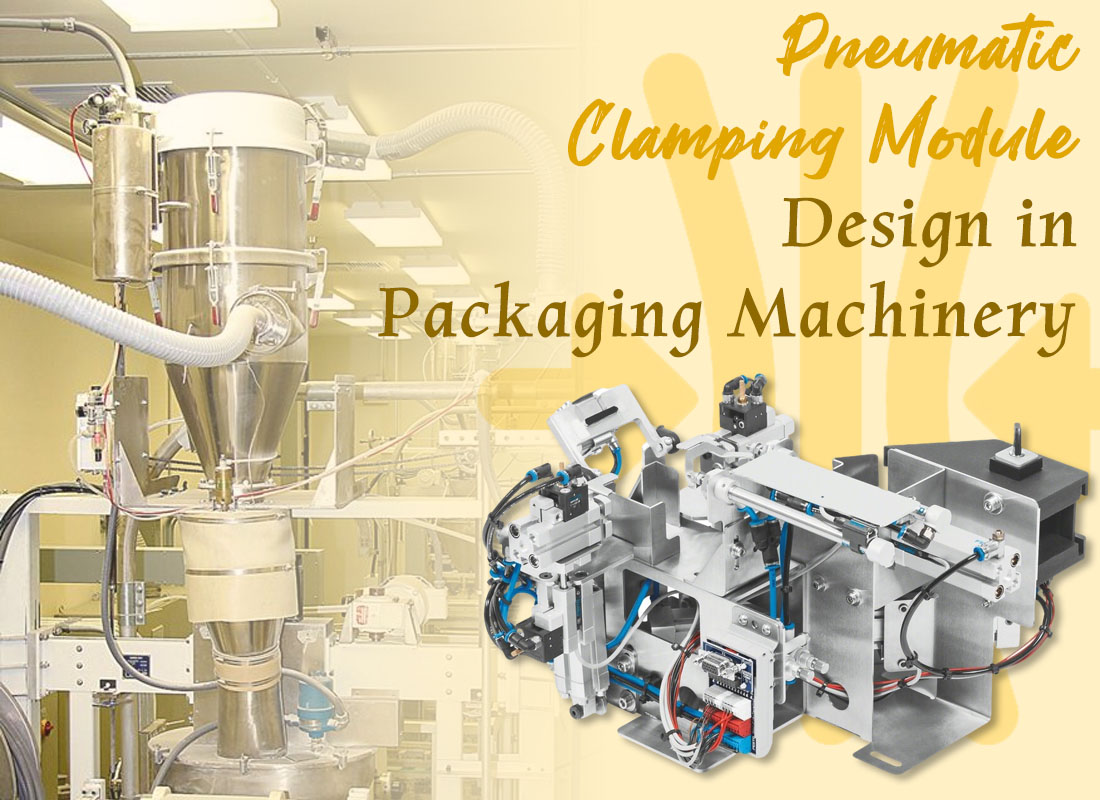 Pneumatic Clamping Module Design in Packaging Machinery
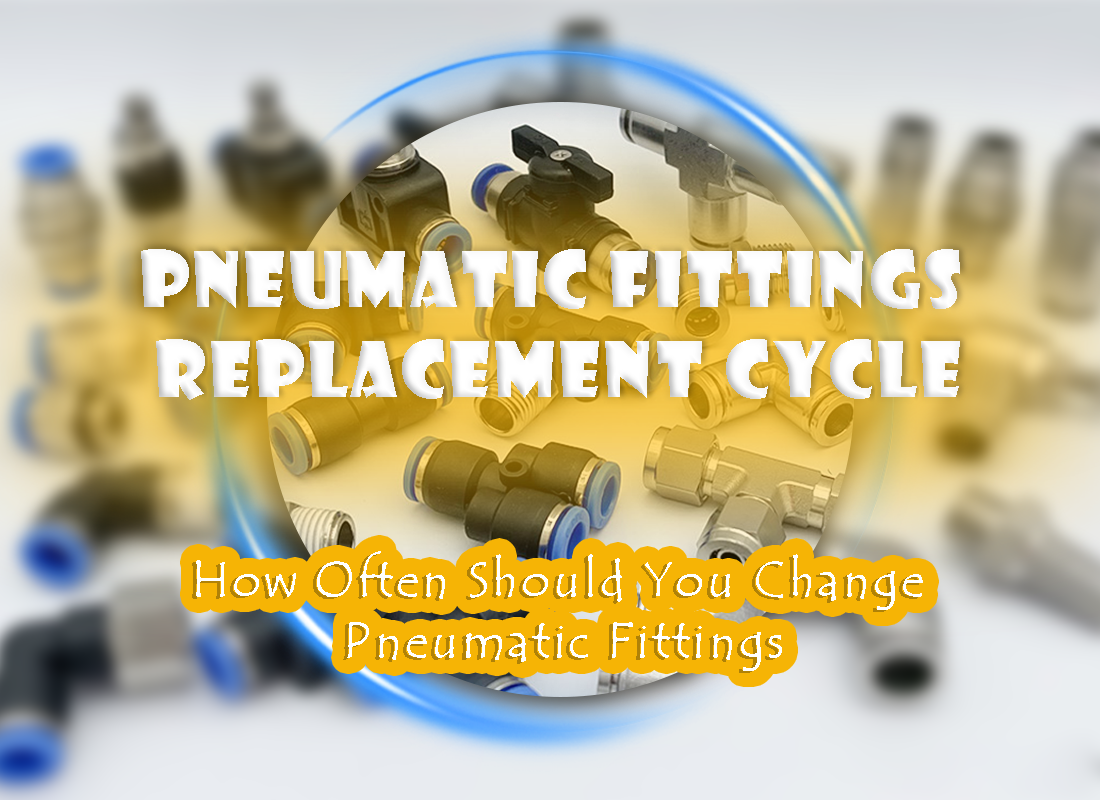 Pneumatic Fittings Replacement Cycle: How Often Should You Change Pneumatic Fittings
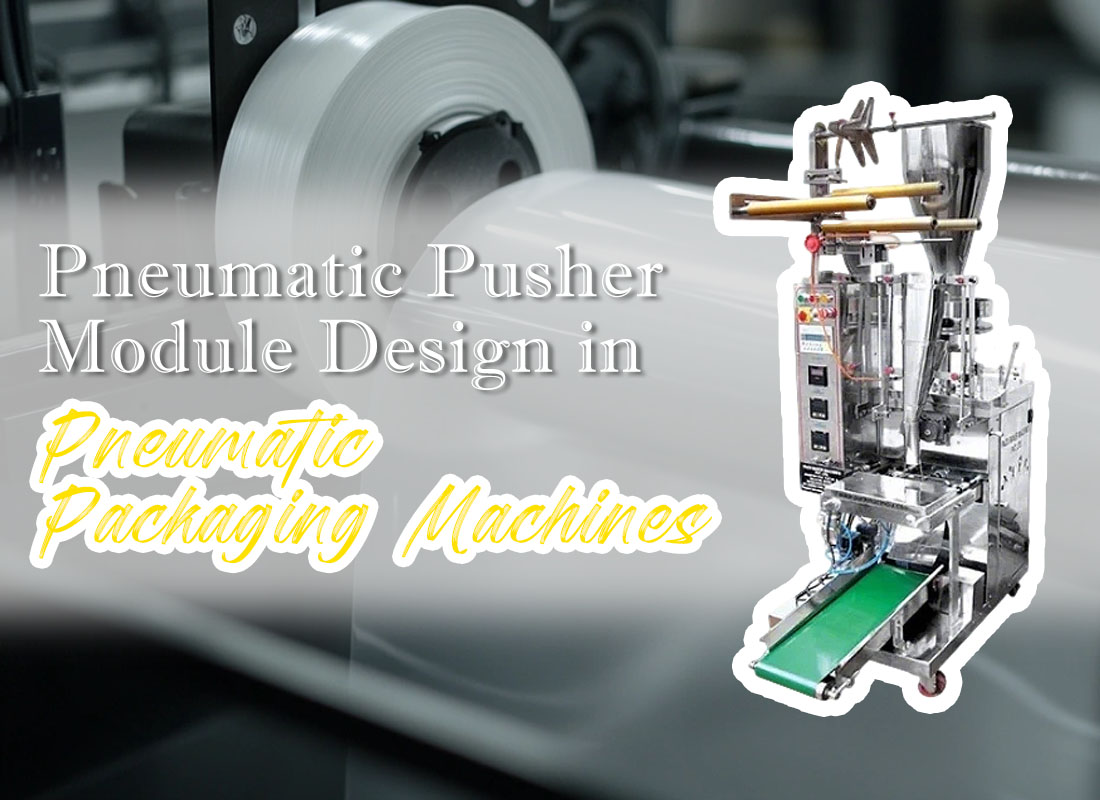 Pneumatic Pusher Module Design in Pneumatic Packaging Machines
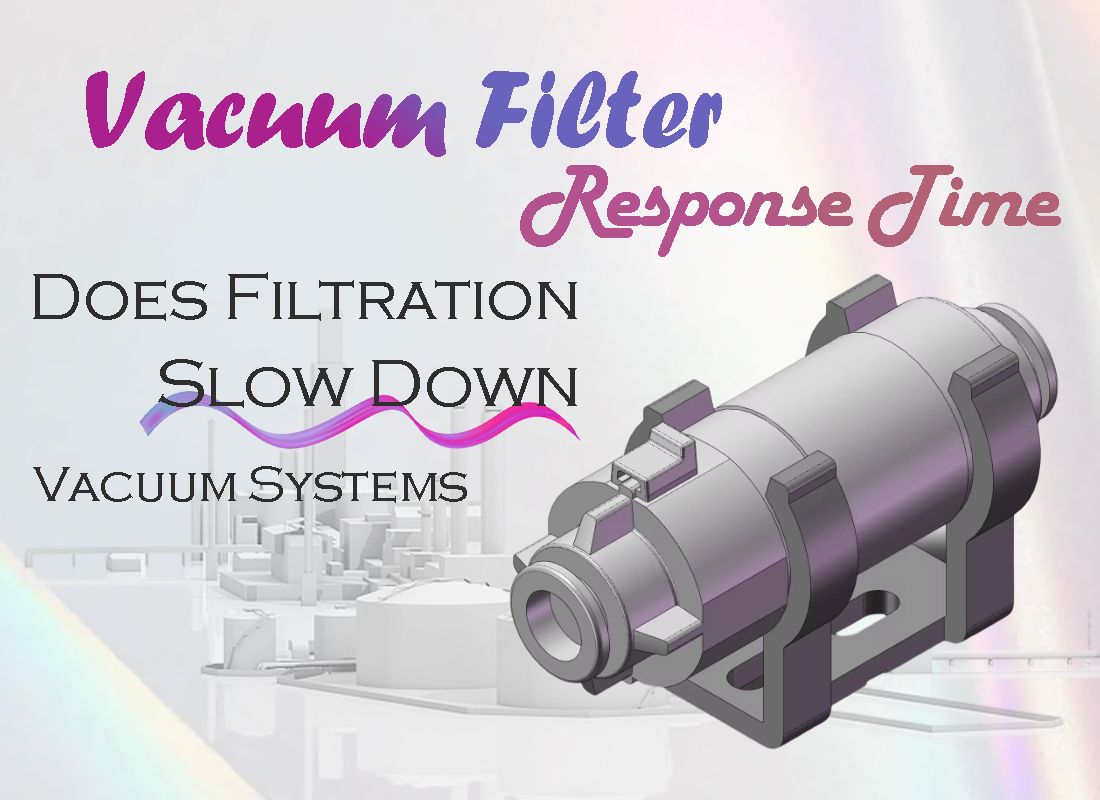 Vacuum Filter and Response Time: Does Filtration Slow Down Vacuum Systems
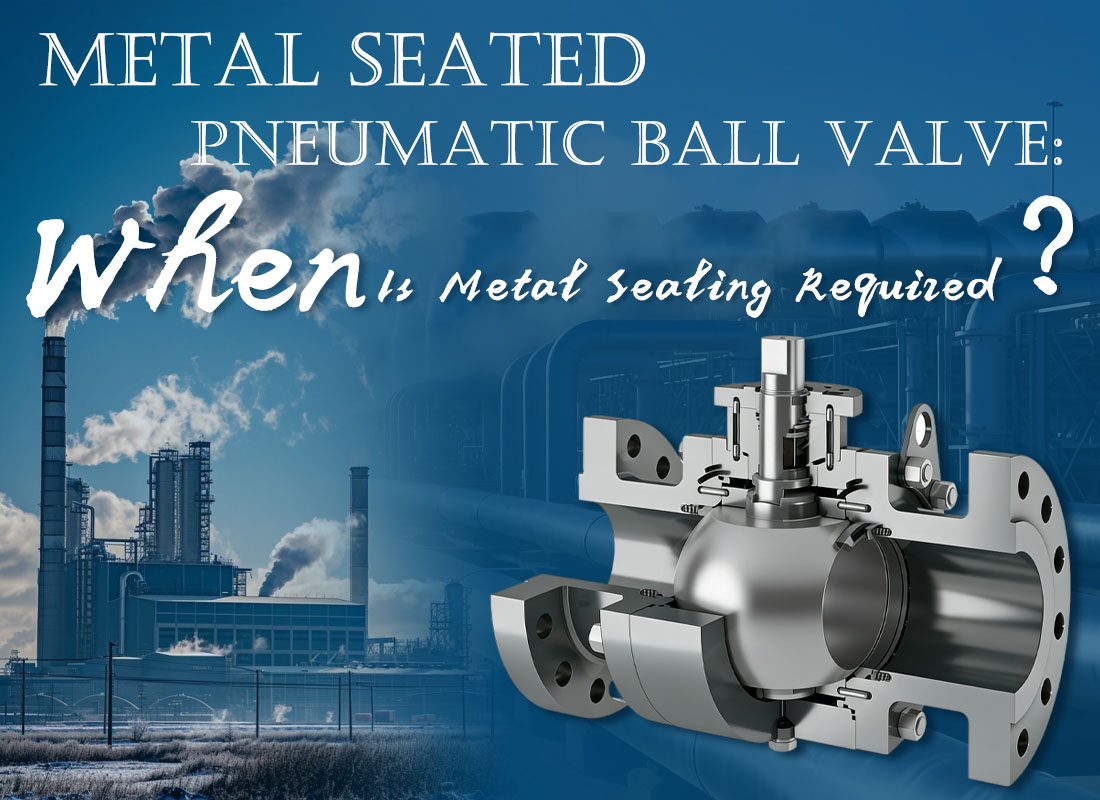 Metal Seated Pneumatic Ball Valve: When Is Metal Sealing Required?

Whatsapp QR:

WeChat QR:

Tell us about your application requirements. Our engineers will review your project and provide practical feedback within 1–2 working days.

Fescolo is the specialized custom pneumatic cylinder brand operated by Ningbo Fokca Automation Co., Ltd.
Looking for standard pneumatic and automation components?
Visit Fokca
© 2026 Ningbo Fokca Automation Co., Ltd. All Rights Reserved. Sitemap