Introduction
In piping systems, male and female fittings are common types of connector structures in industrial manufacturing. Proper connection of male and female fittings is a key factor in ensuring safe connections, reliable sealing, and system compatibility. The following provides a detailed analysis of male and female fittings, covering their definitions, structural features, performance characteristics, application scenarios, standards, and selection recommendations, to help you gain a thorough understanding and choose the appropriate type of fitting correctly.
Definition of Male and Female Fittings
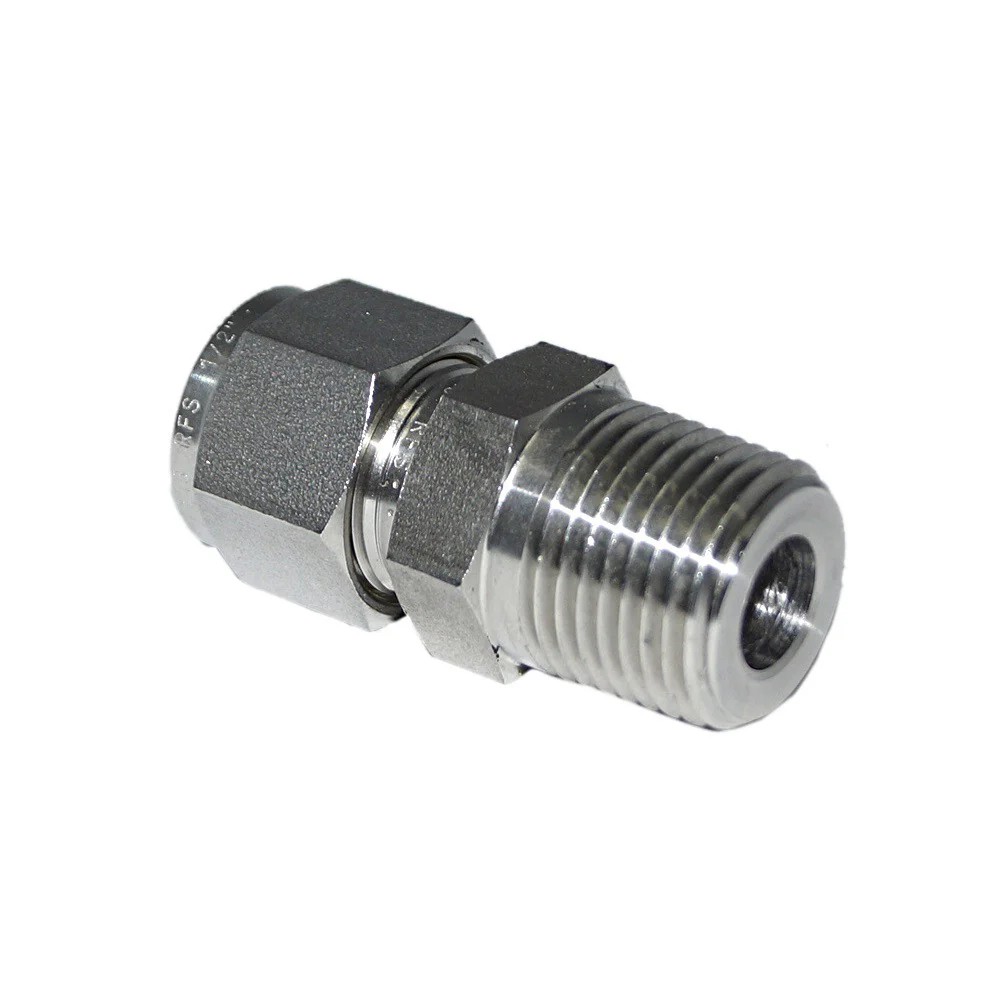
Male Fitting: A male fitting is a pipe component with external threads or a protruding end. Its connecting part is located on the outer surface of the component and is designed to be inserted into a female fitting or socket. The male fitting typically serves as the “inserting end,” engaging tightly with the female fitting to ensure a secure connection.
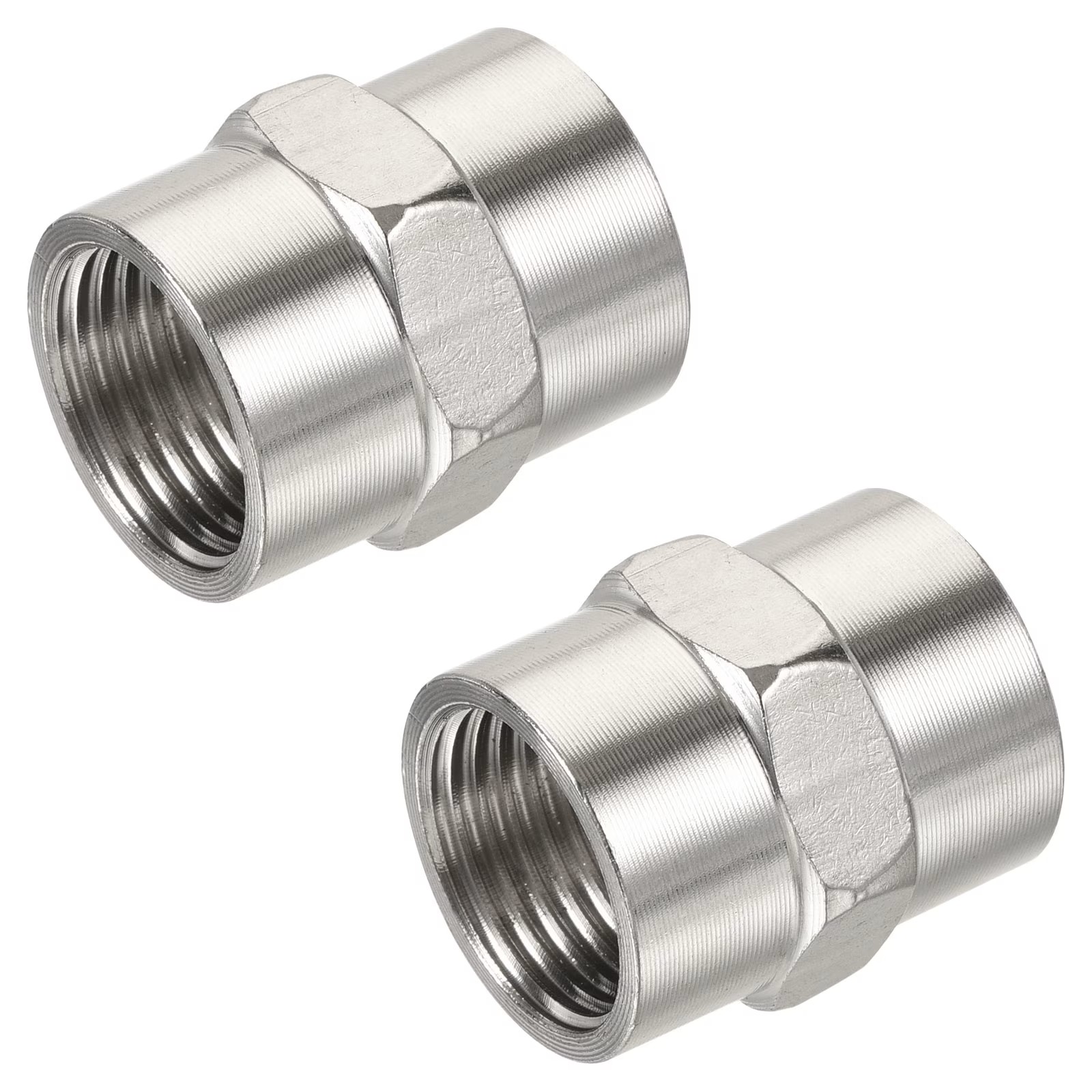
Female Fitting: A female fitting is a pipe component with internal threads or a recessed end. Its connecting part is located on the inner surface of the component and is designed to receive the male fitting. The female fitting is structured to accept the male fitting, forming a stable seal and a reliable pipe connection.
This male-female configuration ensures safe connections, reliable sealing, and proper alignment, making it one of the most commonly used connection methods in both industrial and residential piping systems.
Structural Features and Performance Characteristics
Thread Design:
Male fittings have external threads, while female fittings have internal threads. The threads engage with each other to form a secure connection.
Threads can be standard pipe threads (such as NPT or BSP) or custom specifications, ensuring compatibility and interchangeability.
End Shape:
Male fittings usually have a protruding or insertion end for easy engagement with the female fitting.
Female fittings feature a recessed or receiving end that accommodates the male fitting and forms a seal.
Sealing Structure:
Sealing surfaces may be built-in or used in combination with washers or O-rings to ensure leak-free connections.
For high-pressure or liquid pipelines, tapered threads or reinforced sealing surfaces can be added for enhanced sealing.
Material Selection:
Common materials include PVC, CPVC, metals (copper, stainless steel, galvanized steel), PEX, etc., suitable for different media and temperature environments.
Performance Characteristics
Stable and Reliable: Thread engagement and insertion design ensure a firm connection that resists loosening.
Excellent Sealing: Thread fit combined with sealing components effectively prevents liquid or gas leakage.
Reusable: Some male and female fittings can be disassembled and reassembled, facilitating pipeline maintenance and system adjustments.
Wide Application Range: Suitable for water supply and drainage, pneumatic systems, chemical pipelines, industrial piping, and other scenarios.
Pressure and Temperature Resistance: Depending on the material and thread specifications, they can withstand medium to high pressures and high-temperature environments, with stable performance.
Male-Female Fitting Connection Mechanism
Male End: The male end is a protruding or externally threaded pipe component designed to be inserted into the female end.
Female End: The female end is a recessed or internally threaded pipe component designed to receive the male end.
Sealing and Locking:
Threaded Fittings: The male threads screw into the female threads, creating a tight connection. Teflon tape or washers can be used to ensure a leak-free seal.
Push-Fit / Quick-Connect Fittings: The male end is inserted into the female socket, where an internal O-ring provides sealing, and locking claws or springs secure the male end in place.
Types of Fittings with Male and Female Ends
The reason why quick-connect fittings are generally composed of male and female parts is primarily to ensure a combination of secure connection, reliable sealing, and ease of installation.
Pneumatic Quick Coupling
American Type Pneumatic Quick Coupling
European Type Pneumatic Quick Coupling
Japanese Type Quick Coupling
British Type Quick Coupling
Israel Type Quick Coupling
Hydraulic Quick Coupling
ISO7241-IA Series
ISO7241-IB Series
ISO5675 Series
ISO16028 Series
Thread Connected Series
A commonly used Chinese Series
Non-Valve Series
High pressure Series
(FK9016)