Feb 25, 2026
Medical pneumatic systems require components that go beyond standard industrial specifications. Mini Push In Fittings used in analyzers, ventilators, and diagnostic devices must maintain clean air quality, low odor emission, and resistance to repeated disinfection. Unlike conventional pneumatic connectors, medical applications require strict control of materials and surface conditions to ensure long-term stability and patient safety.
Medical equipment often uses compressed air for control or fluid handling, where contamination can affect sensors or valves. Mini Push In Fittings designed for medical use must have low particle release and clean internal surfaces, preventing debris from entering pneumatic circuits.
Standard industrial fittings sometimes contain machining residues or lubricants that are acceptable in factory automation but unsuitable for sensitive devices. Using properly cleaned mini air connector components helps maintain stable system performance and reduces maintenance cycles.
Equipment manufacturers often combine fittings with precision regulators and filters such as pneumatic air filters to ensure consistent air quality.
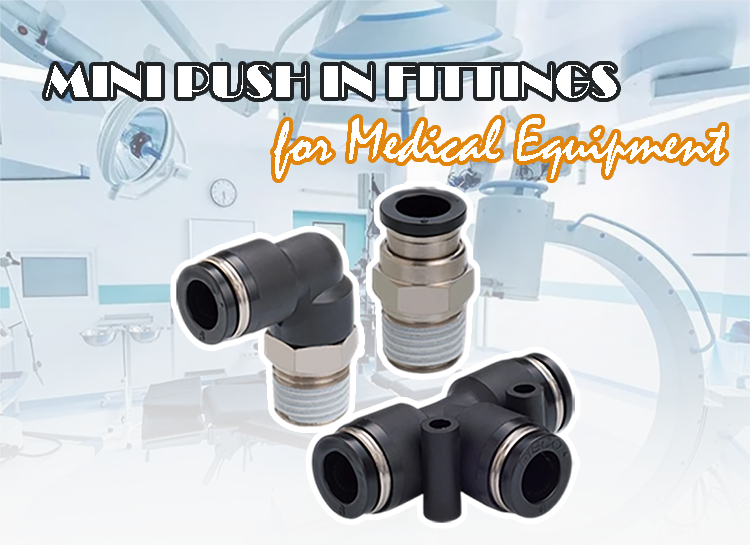
Material odor is often overlooked during early design stages. In enclosed medical devices, plastic or lubricant odor may accumulate and affect sensitive environments. Medical pneumatic fitting designs typically require silicone-free materials to prevent vapor contamination.
Some sealing greases used in standard brass push in fitting products contain silicone oil. In medical analyzers or optical inspection devices, silicone vapor may deposit on sensors and cause inaccurate readings.
Silicone-free mini push fittings reduce the risk of sensor contamination and long-term drift.
For this reason, many medical equipment manufacturers specify controlled lubrication or dry assembly processes.
Medical devices are routinely cleaned using alcohol or mild disinfectants. Mini Push In Fittings must maintain sealing performance after repeated exposure to cleaning agents.
Typical industrial fittings may experience seal swelling or cracking when exposed to solvents. In contrast, medical-grade designs use chemical-resistant seals and stable engineering plastics.
Common compatible cleaning agents include:
| Cleaning Agent | Compatibility Requirement | Typical Material Solution |
|---|---|---|
| Isopropyl alcohol | No cracking or swelling | PU or EPDM seals |
| Mild disinfectants | Stable surface finish | Nickel-plated brass body |
| Hydrogen peroxide solutions | Corrosion resistance | Stainless steel components |
Material stability helps maintain consistent airflow and prevents unexpected leakage.
Material selection directly affects long-term reliability. Mini Push In Fittings for medical applications often use controlled raw materials and traceable production processes.
Typical materials include:
| Component | Industrial Version | Medical-Oriented Version |
|---|---|---|
| Body | Standard brass | Low-lead brass or stainless steel |
| Release ring | Standard POM | Medical-grade POM |
| Seal | NBR | EPDM or silicone-free elastomer |
| Lubrication | Standard grease | Silicone-free lubrication |
These material improvements help produce clean air connector solutions suitable for sensitive environments.
For corrosion-sensitive environments, stainless steel pneumatic fittings are often preferred.
Medical equipment designers typically focus on compact layouts and stable connections. Mini Push In Fittings allow flexible tubing installation while minimizing internal volume and dead space.
When selecting fittings, engineers usually consider:
1.Silicone-free construction
2.Low odor materials
3.Stable sealing performance
4.Compact installation space
5.Chemical resistance
Miniature fittings are commonly used together with compact valves such as pneumatic solenoid valves in portable or bench-top devices.
Properly selected connectors improve both reliability and service life, especially in equipment that operates continuously.
Medical pneumatic systems benefit from connectors designed specifically for clean environments. Mini push fittings with controlled materials and silicone-free assembly provide stable long-term performance, while still maintaining compatibility with standard pneumatic tubing and installation methods.
(FK9026)
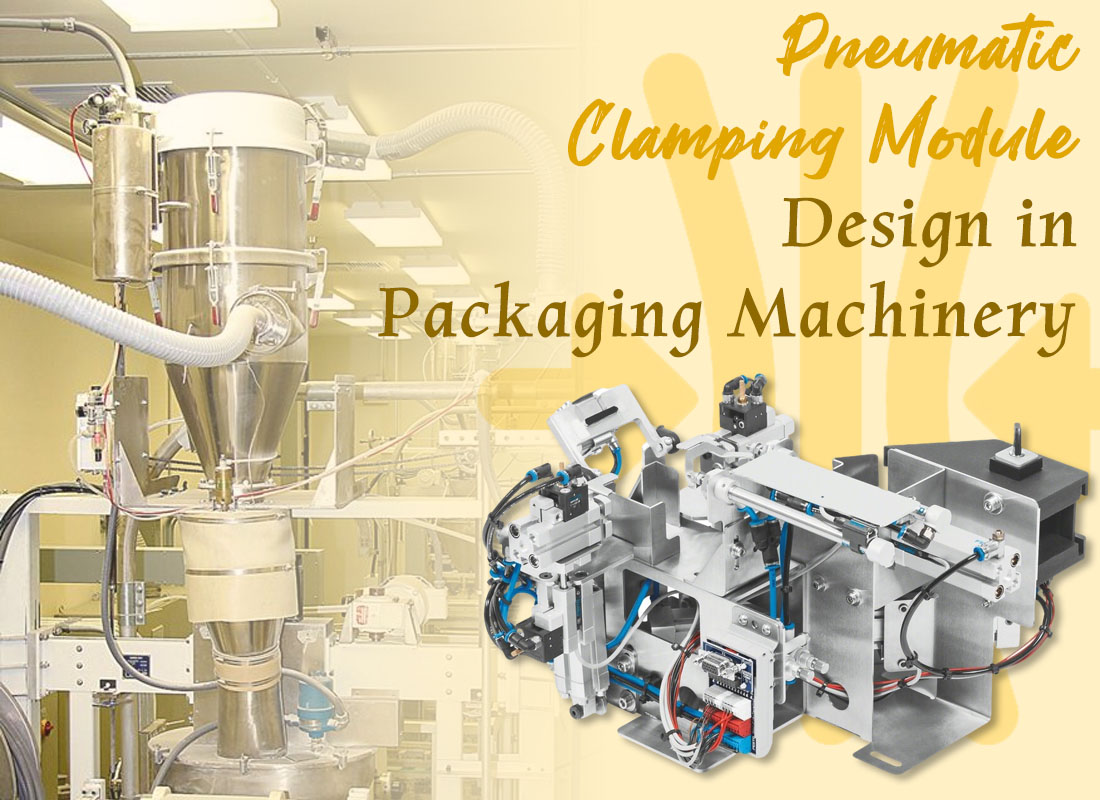 Pneumatic Clamping Module Design in Packaging Machinery
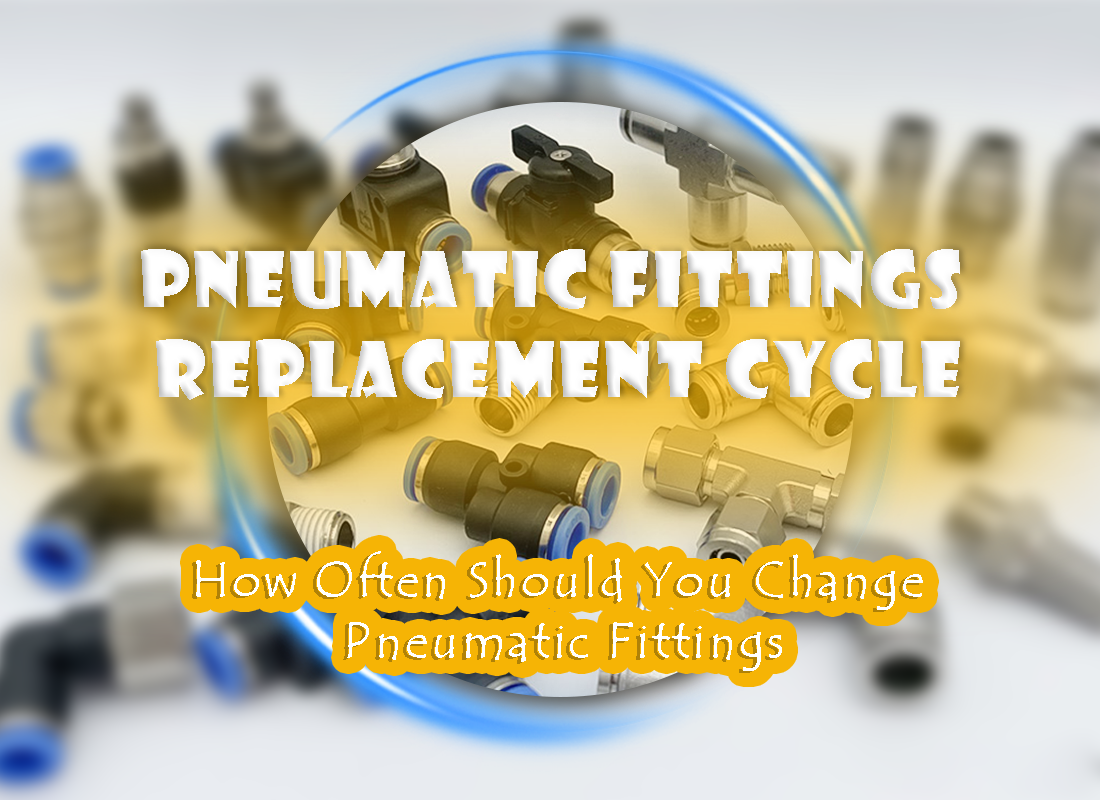 Pneumatic Fittings Replacement Cycle: How Often Should You Change Pneumatic Fittings
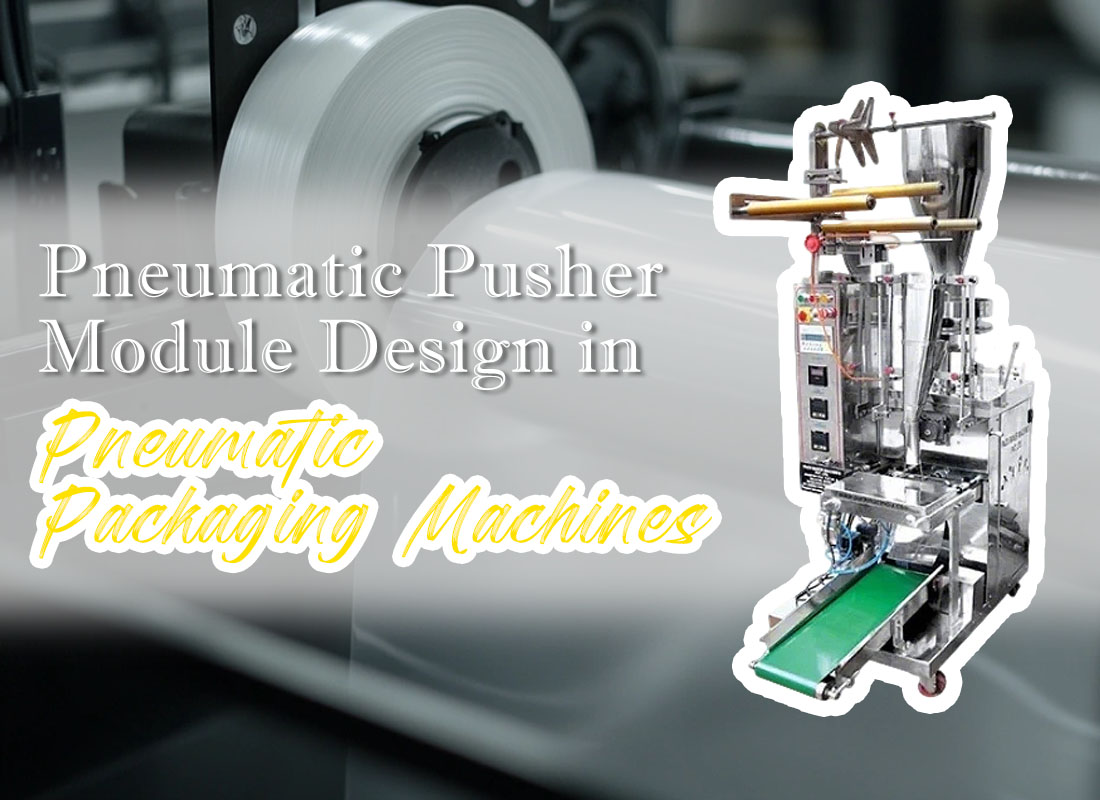 Pneumatic Pusher Module Design in Pneumatic Packaging Machines
 Vacuum Filter and Response Time: Does Filtration Slow Down Vacuum Systems
 Metal Seated Pneumatic Ball Valve: When Is Metal Sealing Required?

Whatsapp QR:

WeChat QR:

Tell us about your application requirements. Our engineers will review your project and provide practical feedback within 1–2 working days.

Fescolo is the specialized custom pneumatic cylinder brand operated by Ningbo Fokca Automation Co., Ltd.
Looking for standard pneumatic and automation components?
Visit Fokca
© 2026 Ningbo Fokca Automation Co., Ltd. All Rights Reserved. Sitemap