Feb 27, 2026
In robotic automation cells, Robot Pneumatic Tubing is more than a simple air line—it directly affects motion accuracy, cycle stability, and maintenance intervals. When engineers compare 98A PU Tubing and 85A PU Air Tube, the real question is stiffness versus flexibility under continuous dynamic movement. For equipment engineers, distributors, and purchasing managers, understanding this difference helps prevent premature failure and costly downtime.
Shore hardness determines how a Polyurethane Pneumatic Hose behaves under pressure and motion.
◆98A PU Tubing: high rigidity, stronger shape retention
◆85A PU Air Tube: softer structure, superior bending flexibility
In multi-axis robotic arms, tubing experiences torsion, repetitive bending, and vibration. A harder PU Tubing resists deformation under higher working pressure, while a softer grade absorbs movement stress more effectively. Hardness directly influences lifespan in dynamic routing systems.
For systems requiring higher pressure stability, many engineers pair rigid tubing with high-performance valves such as those described in our industrial solenoid valve guide (internal link).
When the pneumatic line is mounted along linear guides or inside cable carriers with limited torsion, 98A PU Tubing offers clear advantages.
| Property | 98A PU Tubing | Engineering Impact |
|---|---|---|
| Working Pressure | Up to 10–12 bar | Stable air supply |
| Shape Retention | High | Reduced kinking |
| Abrasion Resistance | Strong | Longer service life |
| Flexibility | Moderate | Best for semi-static lines |
In welding robots or heavy payload manipulators, compressed air consumption can fluctuate rapidly. The higher rigidity of 98A Polyurethane Pneumatic Hose minimizes micro-expansion under pressure peaks, improving actuator response consistency.
According to industrial automation market analyses (industry report source type), nearly 60% of fixed-position robotic tooling stations prefer harder PU Tubing for durability reasons.
Robots with continuous rotational joints—especially delta robots and collaborative robots—require tubing that bends thousands of times per shift. Here, 85A PU Air Tube performs better.
1.Reduced internal stress during tight-radius bending
2.Lower risk of stress whitening and cracking
3.Better suitability for drag chain systems
In pick-and-place packaging robots, engineers often report that softer Robot Pneumatic Tubing extends replacement cycles by 15–20% compared to rigid lines in high-frequency motion zones (source type: internal application data).
For compact end-effectors, combining flexible PU Tubing with lightweight pneumatic cylinders improves overall motion efficiency.
If the tubing must move with the robot arm, flexibility usually outweighs rigidity.
Before selecting a Polyurethane Pneumatic Hose, it helps to evaluate mechanical layout, routing length, and environmental exposure.
| Application Scenario | Recommended Grade | Reason |
|---|---|---|
| Fixed cabinet routing | 98A | Higher structural stability |
| High-speed articulated arm | 85A | Superior bending endurance |
| High-pressure tooling (>8 bar) | 98A | Reduced expansion |
| Compact collaborative robots | 85A | Easier routing in tight spaces |
Both types comply with common industrial pneumatic standards. For reference, air system quality guidelines published by ISO emphasize consistent pressure and material compatibility for long-term system safety.
For distributors, stocking both hardness levels allows flexible response to different OEM demands. Many automation builders request custom color, diameter, or printing specifications.
Engineers, on the other hand, should evaluate:
1.Bending radius requirements
2.Maximum operating pressure
3.Ambient temperature
4.Chemical exposure
In harsh industrial environments, pairing the right Robot Pneumatic Tubing with proper air filtration systems significantly reduces contamination-related wear.
Correct hardness selection reduces maintenance cost and improves robotic precision over time.
Robotic automation continues to demand lighter, faster, and more reliable pneumatic systems. Whether choosing 98A for structural stability or 85A for dynamic flexibility, the right PU Air Tube ensures consistent air delivery, longer service life, and improved system performance. For automation integrators and distributors alike, hardness is not just a number—it is a strategic engineering decision.
(FK9026)
 Pneumatic Clamping Module Design in Packaging Machinery
 Pneumatic Fittings Replacement Cycle: How Often Should You Change Pneumatic Fittings
 Pneumatic Pusher Module Design in Pneumatic Packaging Machines
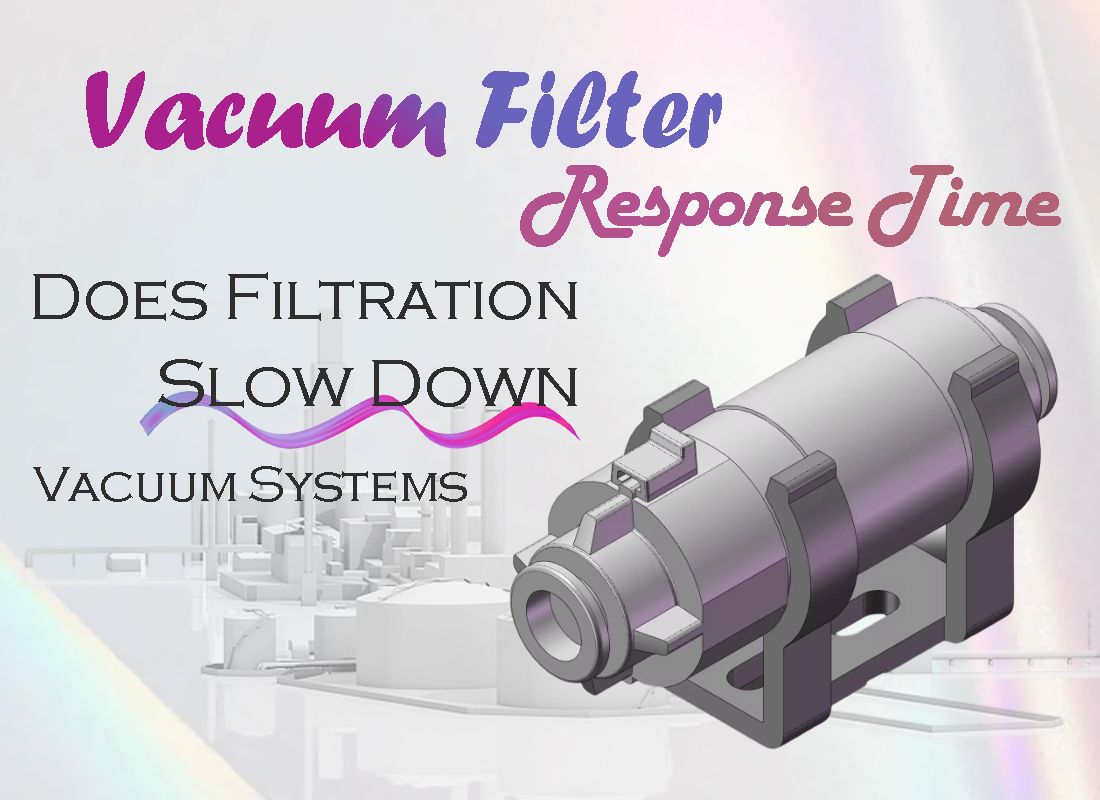 Vacuum Filter and Response Time: Does Filtration Slow Down Vacuum Systems
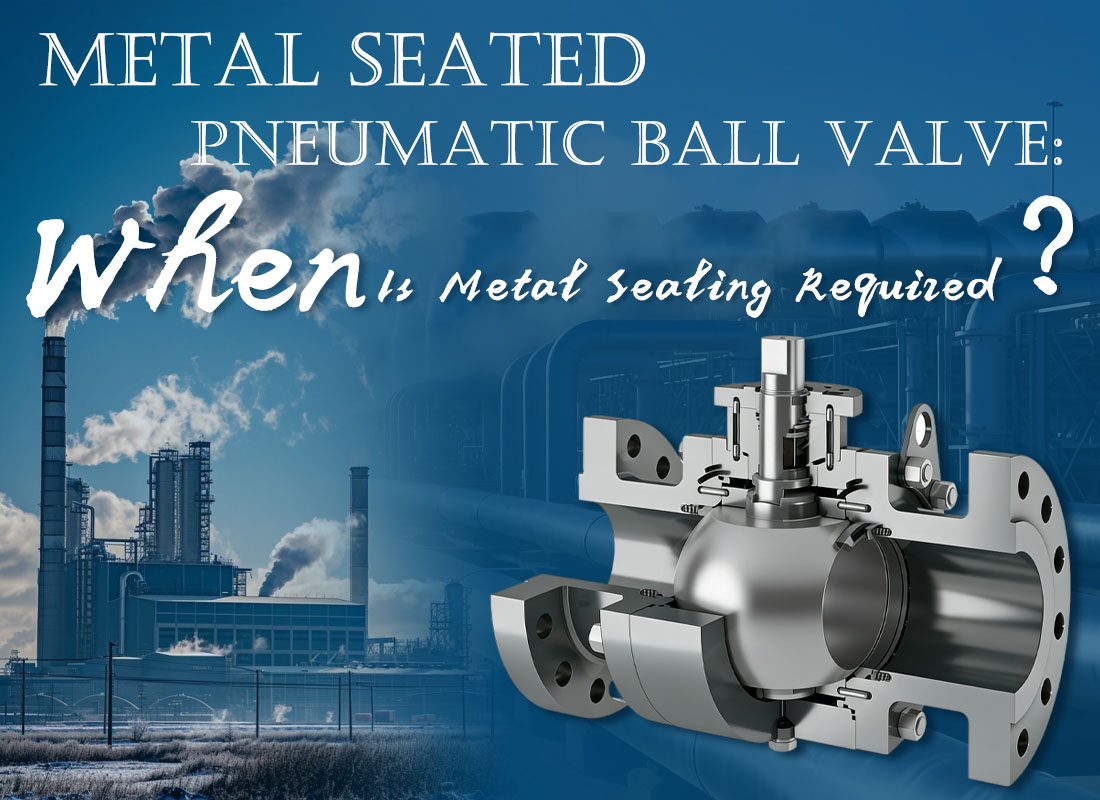 Metal Seated Pneumatic Ball Valve: When Is Metal Sealing Required?

Whatsapp QR:

WeChat QR:

Tell us about your application requirements. Our engineers will review your project and provide practical feedback within 1–2 working days.

Fescolo is the specialized custom pneumatic cylinder brand operated by Ningbo Fokca Automation Co., Ltd.
Looking for standard pneumatic and automation components?
Visit Fokca
© 2026 Ningbo Fokca Automation Co., Ltd. All Rights Reserved. Sitemap