Dec 01, 2025
A single-acting cylinder is a basic actuator that usually relies on compressed air or hydraulic fluid to provide power in one direction, while the return stroke is achieved by a spring, gravity, or external force.
A single-acting actuator is a mechanical device that uses compressed air to drive a piston, relying on a single air inlet and outlet. Its characteristic is that it outputs power in only one direction, while the return stroke or reset relies on an internal spring, gravity, or external force.The structure of this actuator mainly includes a cylinder, piston, piston rod, return spring, front and rear end caps, seals, and an air inlet.
In modern industrial equipment, single-acting actuators are advantageous due to their simple and compact design, the safety of automatic piston rod return, and convenient installation. They significantly reduce energy consumption and maintenance costs for various actions in lightweight systems, such as pushing, pulling, and clamping.
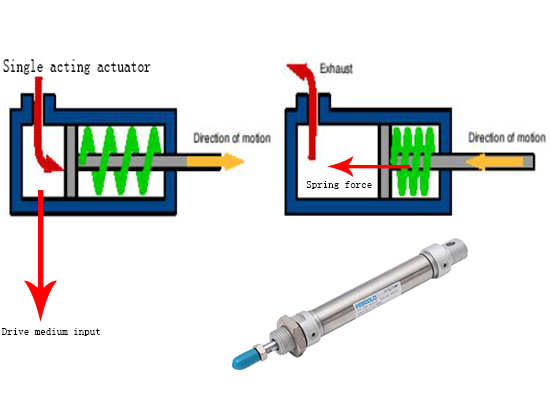
In the following introduction, taking Pneumatic Spring Return Type as an Example.
Process: Compressed air enters the rear chamber of the cylinder from the inlet, acting on the piston.
Power: Air pressure overcomes the spring force (or load force), pushing the piston rod outward.
Characteristics: Thrust generated = Air pressure × Effective piston area - Spring preload.
Process: Air supply is cut off, and exhaust is performed.
Power: The stored energy in the return spring is released, pushing the piston in the opposite direction, causing the piston rod to retract.
Characteristics: The return force comes from the spring; the return speed is affected by the spring force, load, and exhaust speed.
Pneumatic Single-Acting Cylinder: The most common, as described above.
Electric Single-Acting Push Rod: Driven by a motor, the screw has an internal return spring; when power is cut off, the spring causes it to return. (FESCOLO's electric actuator product line can be introduced)
Hydraulic single-acting cylinders: Used in applications requiring greater thrust; reset is achieved by a spring or load gravity.
Spring-reset type: The most common; the spring is installed in the rod chamber, and the piston rod extends during the working stroke.
Spring-extended type: The spring is installed in the rodless chamber; the piston rod is normally extended and retracts when air is supplied.
Compact/Mini type: Such as the SDA, CQ2, and MAL series, suitable for space-constrained applications.
Diaphragm/Bellbell type actuators: Used for short-stroke, large-area applications, such as valve actuation.
Special customized type: Corrosion-resistant, high-temperature resistant, food-grade (such as FESCOLO's cleanroom-grade cylinders).
Advantages:
Energy saving: Low air/electricity consumption (powered only on one side).
Safety: Automatic reset in case of pressure loss/power failure, suitable for safety clamping, emergency release, and other scenarios.
Advantages: Economy: Fewer components, simple structure, low procurement and maintenance costs.
Simplified Control: Only a single two-position three-way valve is needed for control, resulting in a simple control circuit.
Limitations:
Uneven Output Force: The thrust during the working stroke is less than that of a double-acting cylinder because it needs to overcome the spring force.
Spring Space Consumption: This limits the stroke and results in a longer cylinder.
Spring Fatigue: After prolonged use, the spring may fail, affecting reset accuracy and lifespan.
Clamping and Positioning:Automatic locking of equipment doors, positioning and clamping of workpieces (maintaining clamping force even in case of air loss).
Ejection and Pushing: Product ejection in packaging machines and injection molding machines, material ejection in sorting lines.
Valve Actuation: Single-acting valves in chemical and water treatment industries.
Safety Protection: Emergency braking and safety door latches ensure a safe position in case of failure.
Short-Stroke Reciprocating Motion: Simple repetitive actions such as dispensing, marking, and stamping.
(9016)
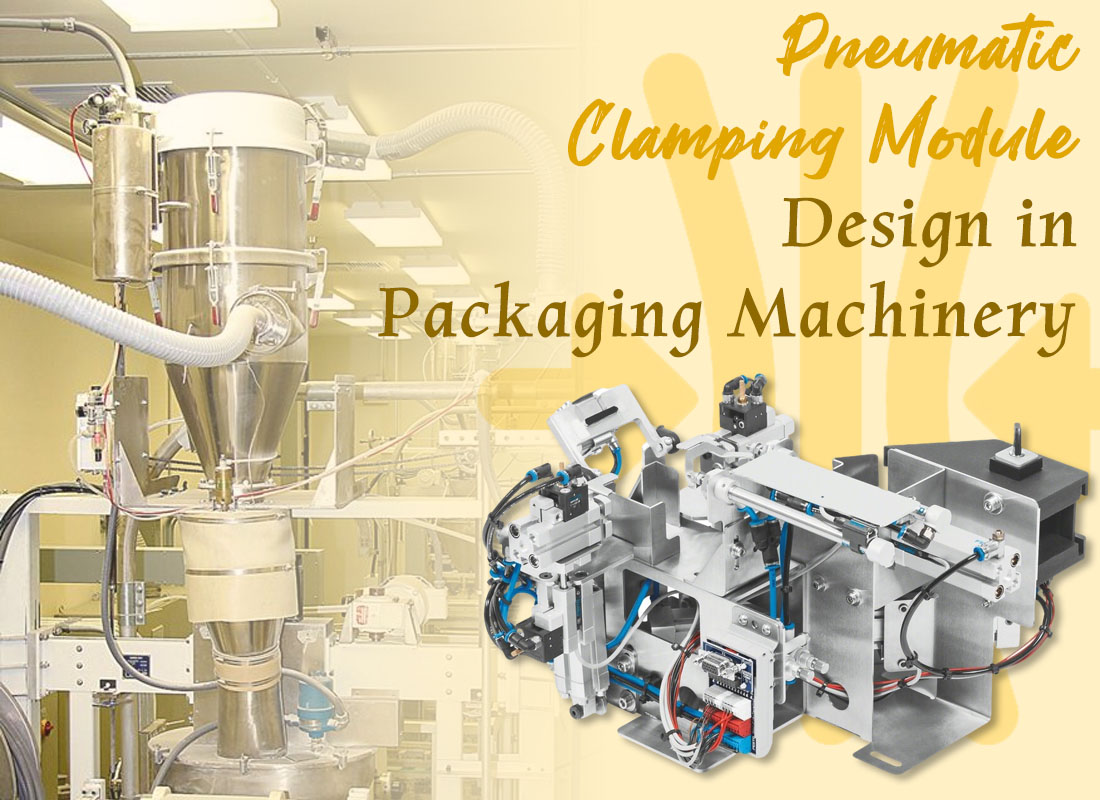 Pneumatic Clamping Module Design in Packaging Machinery
 Pneumatic Fittings Replacement Cycle: How Often Should You Change Pneumatic Fittings
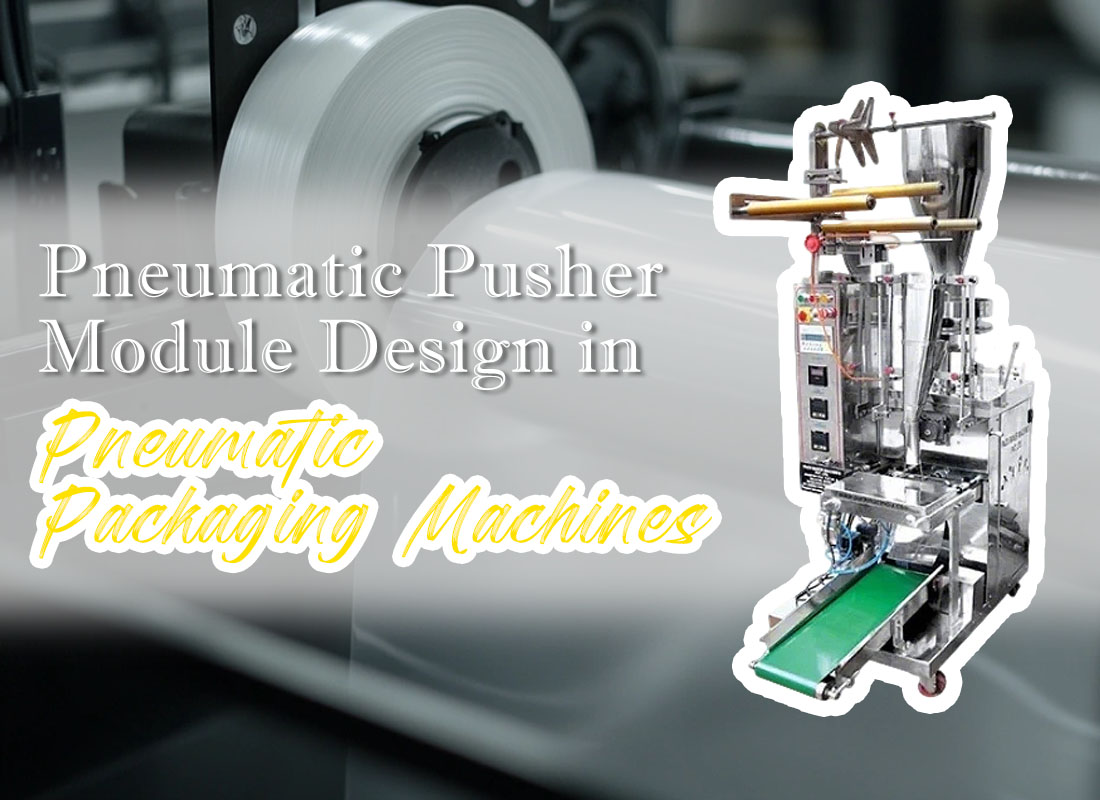 Pneumatic Pusher Module Design in Pneumatic Packaging Machines
 Vacuum Filter and Response Time: Does Filtration Slow Down Vacuum Systems
 Metal Seated Pneumatic Ball Valve: When Is Metal Sealing Required?

Whatsapp QR:

WeChat QR:

Tell us about your application requirements. Our engineers will review your project and provide practical feedback within 1–2 working days.

Fescolo is the specialized custom pneumatic cylinder brand operated by Ningbo Fokca Automation Co., Ltd.
Looking for standard pneumatic and automation components?
Visit Fokca
© 2026 Ningbo Fokca Automation Co., Ltd. All Rights Reserved. Sitemap