Nov 30, 2025
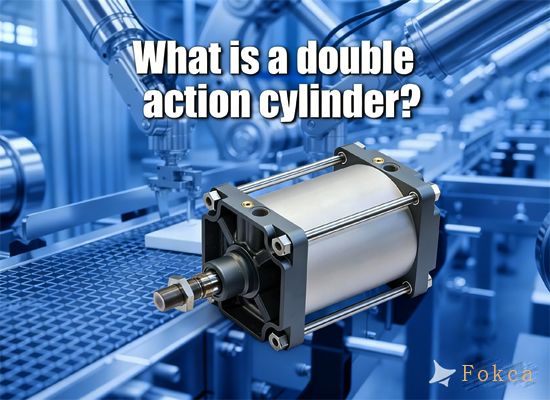
A double-acting cylinder is a type of cylinder—used in either pneumatic (air) or hydraulic (oil) systems—where pressure is applied to both sides of the piston to move it in both directions.
Unlike a single-acting cylinder, which relies on a spring or external force to return, a double-acting cylinder can push and pull using the fluid or air pressure, giving it controlled motion in both directions.Howover,whether they are rod-type or rodless, and whether they output linear motion or angular motion, all these types belong to double-acting actuators.
A double-acting cylinder is a common pneumatic actuator that uses compressed air to apply pressure on both sides of the piston, enabling movement in both the extending and retracting directions.
Flexible installation and use
Simple components
Easy maintenance
Low operation and maintenance costs
High safety of compressed air
Environmentally friendly
Limited output force, cannot handle heavy loads
General control accuracy, not suitable for precision positioning
Speed fluctuations or shocks may occur due to the compressibility of air
The structure of a double-acting hydraulic actuator is basically the same as that of a pneumatic actuator. However, due to the different working medium and load requirements, this type of actuator is more focused on handling high loads and high pressure.
High load capacity and high pressure resistance
Precise and stable piston rod speed and motion
More consistent output force
Suitable for heavy industry or precision machinery
Complex system, high installation and maintenance costs
Heavy equipment, occupies more space
Hydraulic oil leakage may cause safety and environmental issues
Not suitable for clean environments, requires protective measures
| Feature | Double-Acting Pneumatic | Double-Acting Hydraulic |
|---|---|---|
| Working Medium | Compressed air | Hydraulic oil |
| Structure | Two air chambers, piston moves in both directions | Two fluid chambers, piston moves in both directions |
| Output Force | Medium, limited by air pressure | High, can handle heavy loads |
| Motion Speed | Fast | Moderate, limited by the hydraulic system |
| Control Accuracy | General | High, can precisely control position and speed |
| System Cost | Low | High |
| Maintenance | Simple, easy to install | More complex, requires leak prevention and oil maintenance |
| Applicable Environment | Clean, explosive environments | Heavy-duty industrial, precision machinery |
| Weight | Light | Heavy |
| Safety | High | Moderate |
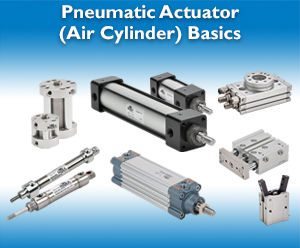
Double-acting cylinders achieve bidirectional motion of the piston by alternately supplying air to the two chambers on both sides. Based on structure and installation, they can be classified as follows:
Structure: Each end has an air chamber; the piston moves back and forth inside the cylinder under air pressure.
Output Motion: Linear reciprocating motion, suitable for small machinery or automation devices.
Structure: The internal piston is connected to an external slider mechanically or magnetically; both ends of the piston have air chambers.
Output Motion: Linear motion via the slider, suitable for space-limited installations or long stroke requirements.
Structure: Piston rod guided by rods or bearings; both ends of the piston have air chambers.
Output Motion: Linear motion, can withstand lateral forces, suitable for precise positioning or heavy-load applications.
Structure: Piston or vane has air chambers on both sides; alternating air supply generates rotational torque.
Output Motion: Angular or torque output, suitable for rotary mechanisms or valve actuation.
Structure: Air chambers at both ends; overall length is short and weight is light.
Output Motion: Linear reciprocating motion, suitable for installations with limited space.
(9016)
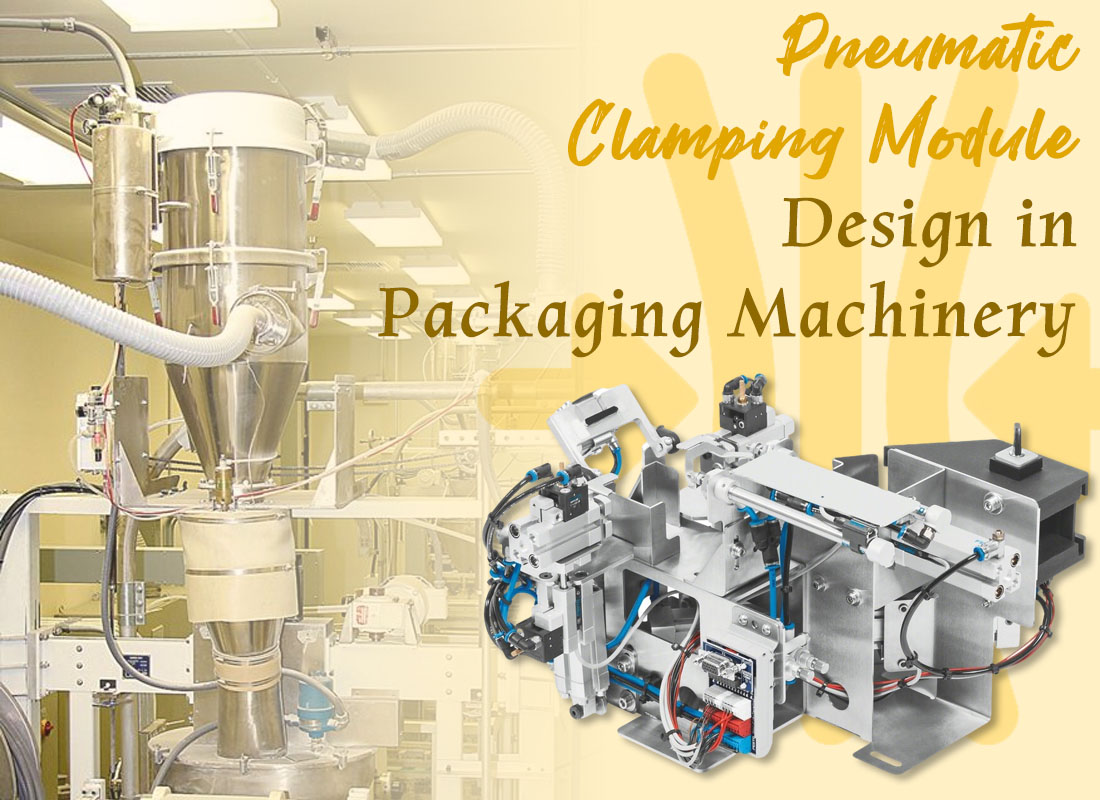 Pneumatic Clamping Module Design in Packaging Machinery
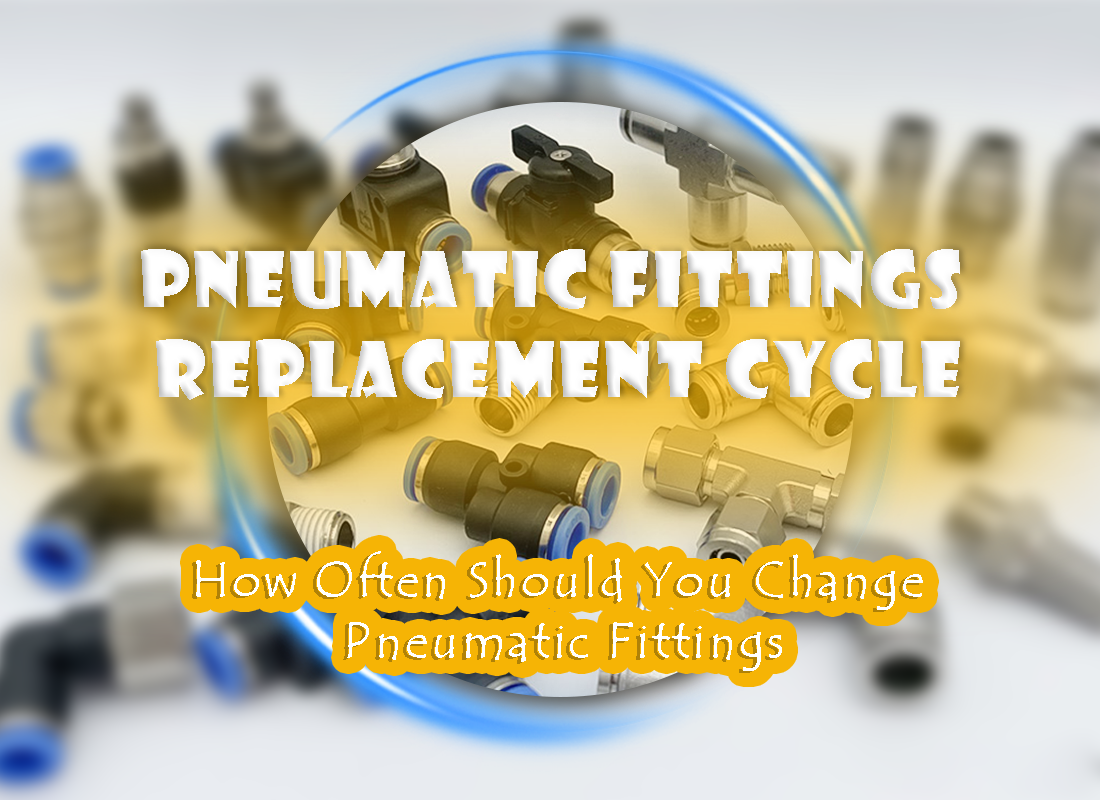 Pneumatic Fittings Replacement Cycle: How Often Should You Change Pneumatic Fittings
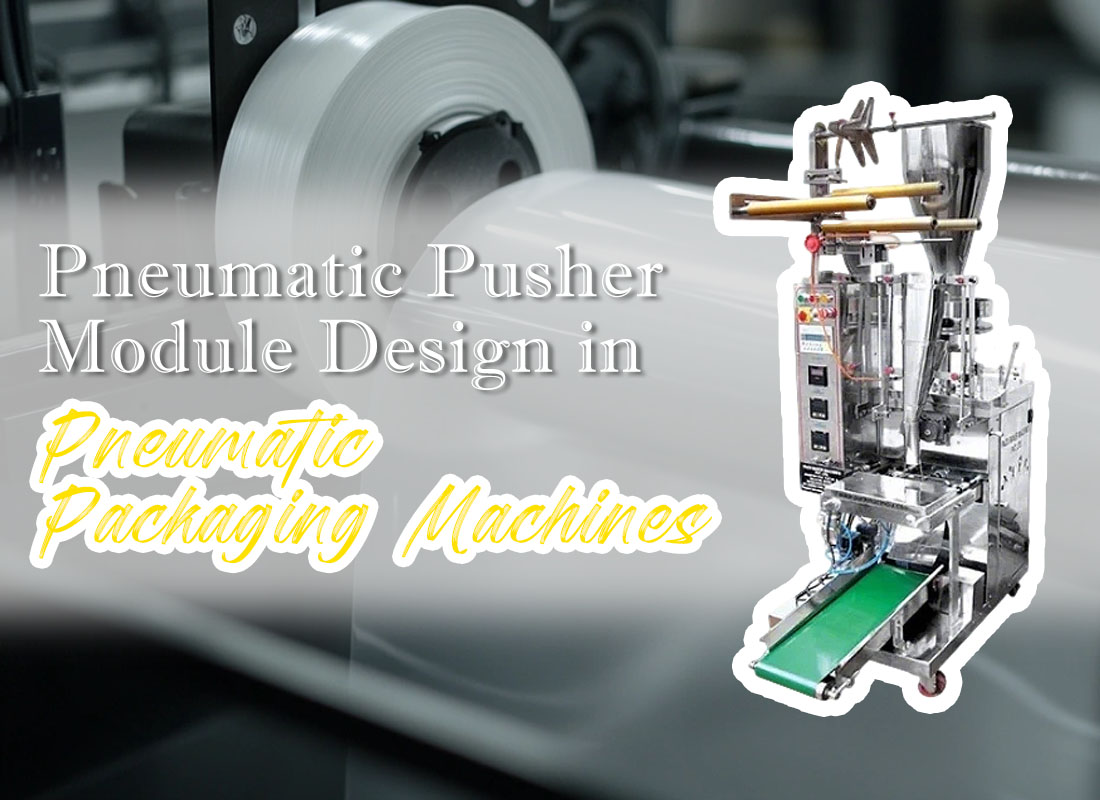 Pneumatic Pusher Module Design in Pneumatic Packaging Machines
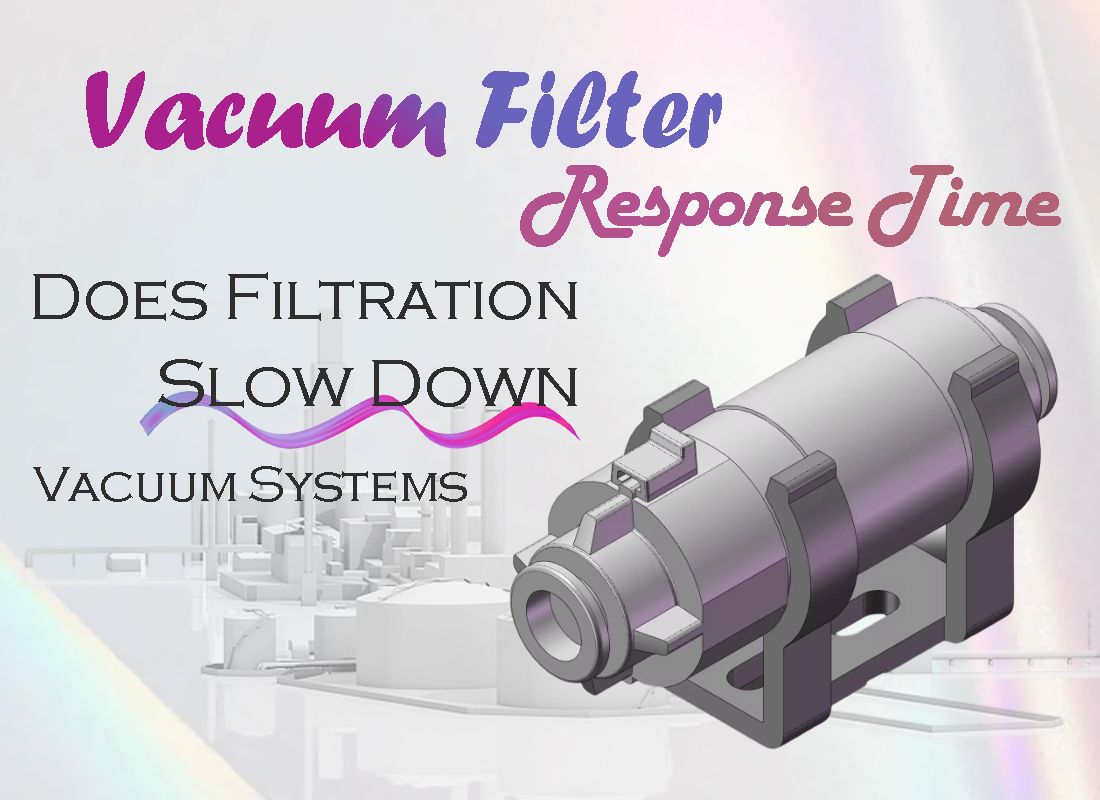 Vacuum Filter and Response Time: Does Filtration Slow Down Vacuum Systems
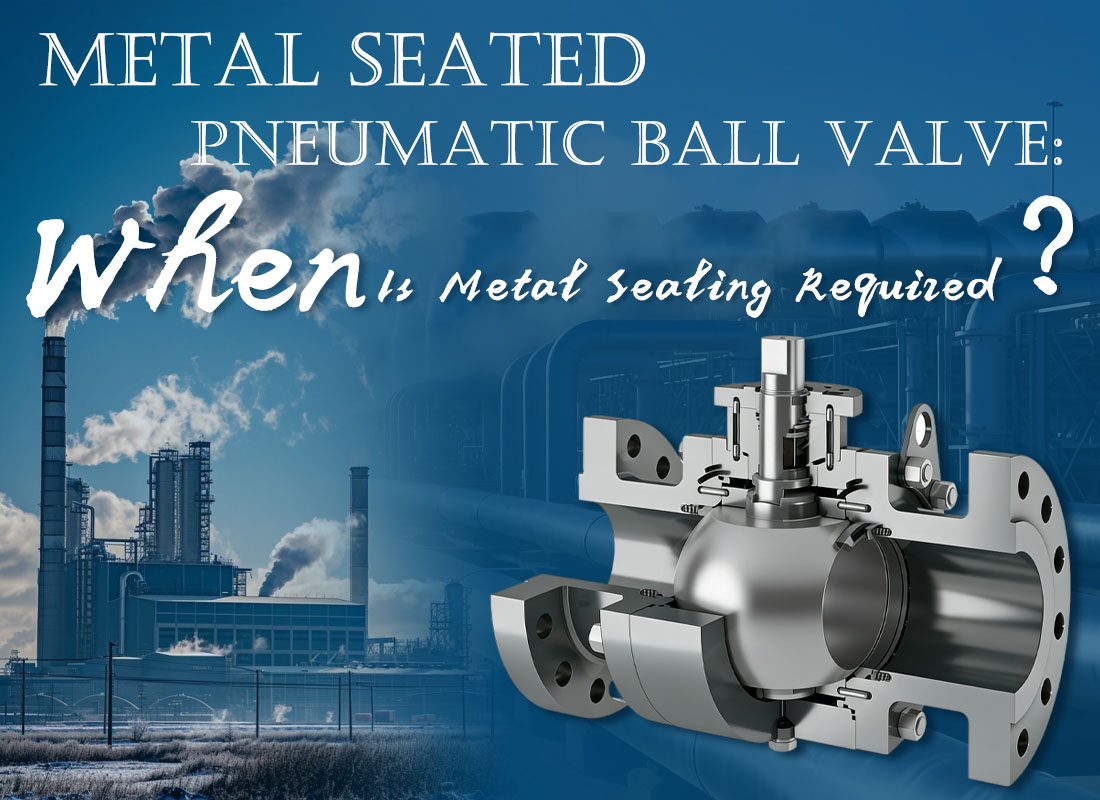 Metal Seated Pneumatic Ball Valve: When Is Metal Sealing Required?

Whatsapp QR:

WeChat QR:

Tell us about your application requirements. Our engineers will review your project and provide practical feedback within 1–2 working days.

Fescolo is the specialized custom pneumatic cylinder brand operated by Ningbo Fokca Automation Co., Ltd.
Looking for standard pneumatic and automation components?
Visit Fokca
© 2026 Ningbo Fokca Automation Co., Ltd. All Rights Reserved. Sitemap