Feb 05, 2026
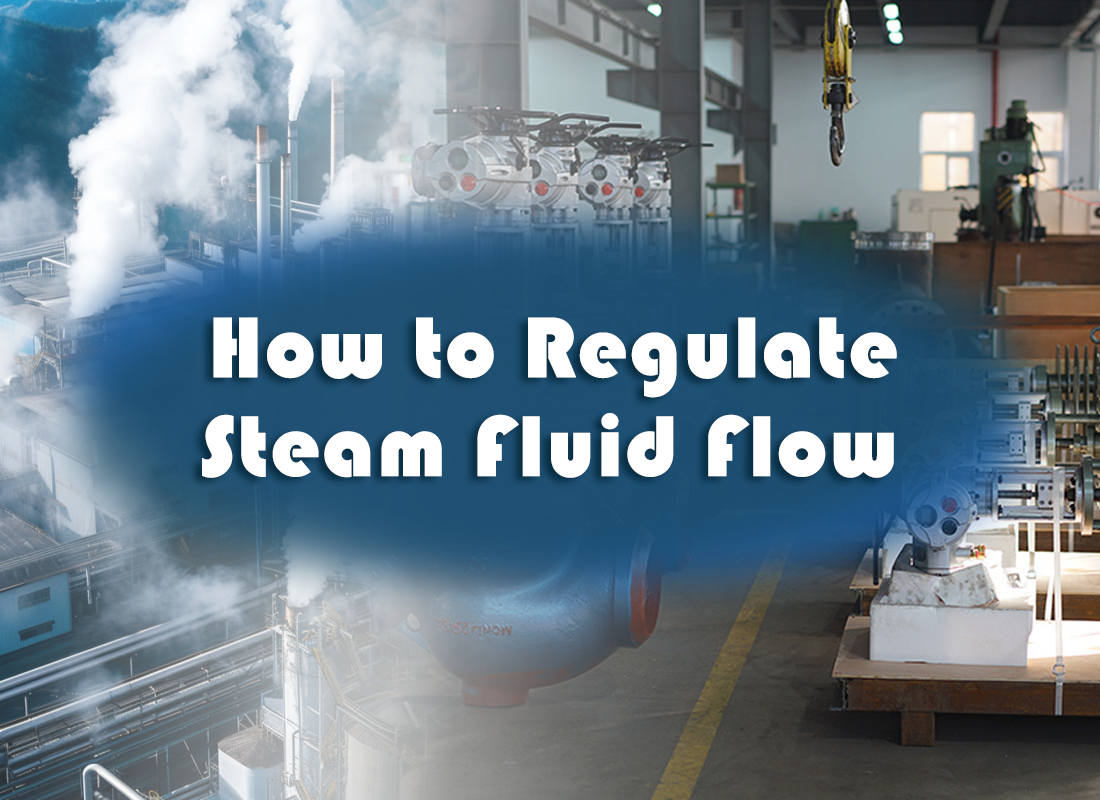
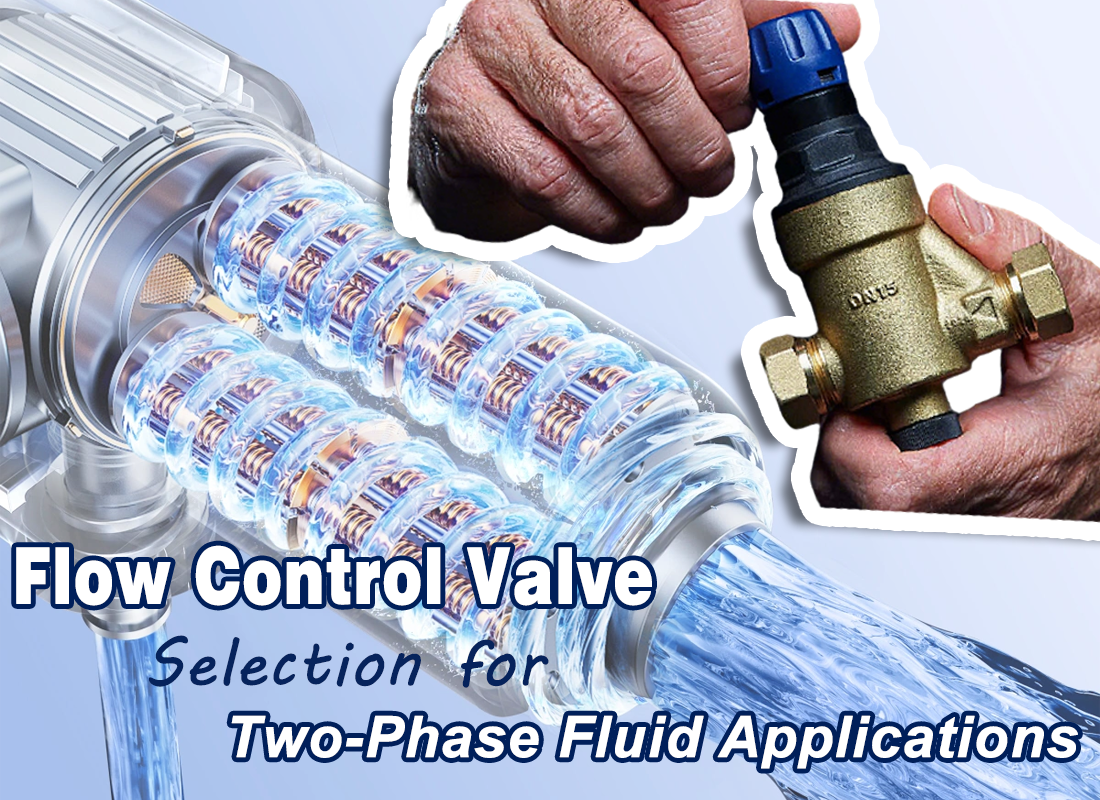
Steam is widely used in power generation, heating systems, food processing, and chemical production. Unlike compressed air or common liquids, steam features high temperature, high pressure, and compressibility, and it easily condenses into water during transportation. These characteristics make steam flow control one of the most challenging tasks in industrial automation.
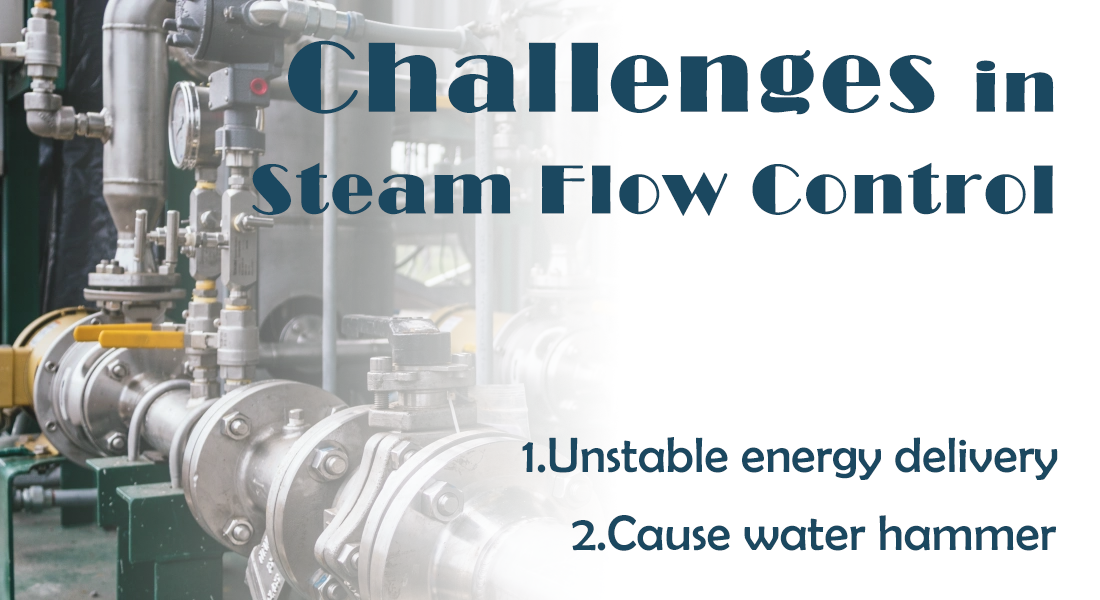
In a steam pipeline, the medium state changes continuously. Condensation leads to unstable energy delivery and may cause water hammer. Therefore, a proper steam control valve must provide stable throttling performance and withstand harsh thermal conditions. Ordinary on–off valves cannot meet this requirement because a small opening may already release excessive flow.
The globe valve for steam is widely recognized as an ideal solution. Its linear stem motion and tortuous flow path create a predictable pressure drop, allowing accurate modulation. Products such as the SMC VND series with PTFE steam valve sealing are specifically designed for this purpose, offering:
◆ Reliable sealing under high temperature
◆ Resistance to frequent cycling
◆ Suitability for precise steam regulating valve tasks
To build an effective steam system flow control, engineers need to evaluate:
◆ Operating pressure and temperature range
◆ Presence of condensate and drainage design
◆ Required turndown ratio
◆ Actuation method such as pneumatic steam valve
| Requirement | Recommended Solution |
|---|---|
| Fine modulation | Steam modulation valve / globe type |
| Shut-off safety | Steam shut off valve with PTFE |
| High temperature | High temperature steam valve |
| Pressure stability | Steam pressure control valve |
Condensate is unavoidable in steam lines. Valves must resist erosion and thermal shock. PTFE steam valve materials, as used in the SMC VND series, provide excellent compatibility with saturated steam and reduce leakage risk. Proper insulation and drainage greatly improve the life of an industrial steam valve.
◆ Install a steam trap upstream to remove condensate
◆ Keep the valve away from direct water hammer impact
◆ Avoid long-term micro-opening conditions
◆ Size the valve correctly rather than relying on oversized margins
Effective steam regulation is not about opening a valve wider, but about creating a predictable and stable energy release. Choosing the right steam control valve and proper installation ensures safety and efficiency in any heating or process system.
(FK9025)
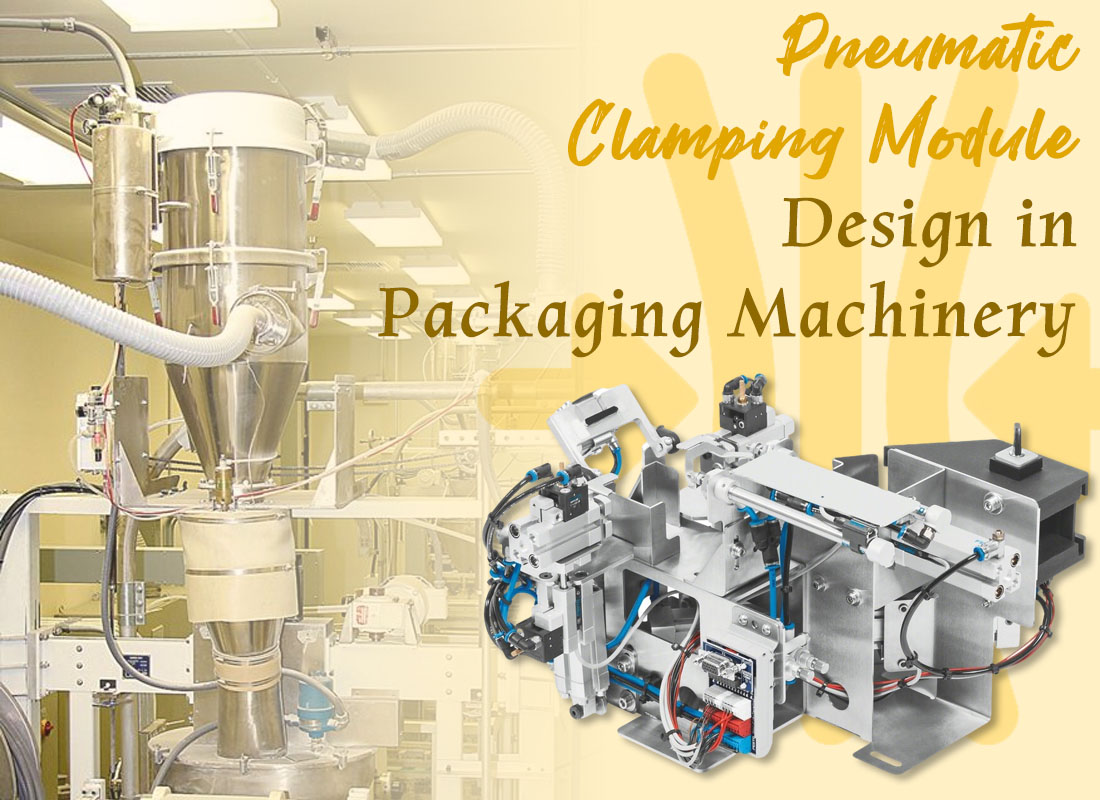 Pneumatic Clamping Module Design in Packaging Machinery
 Pneumatic Fittings Replacement Cycle: How Often Should You Change Pneumatic Fittings
 Pneumatic Pusher Module Design in Pneumatic Packaging Machines
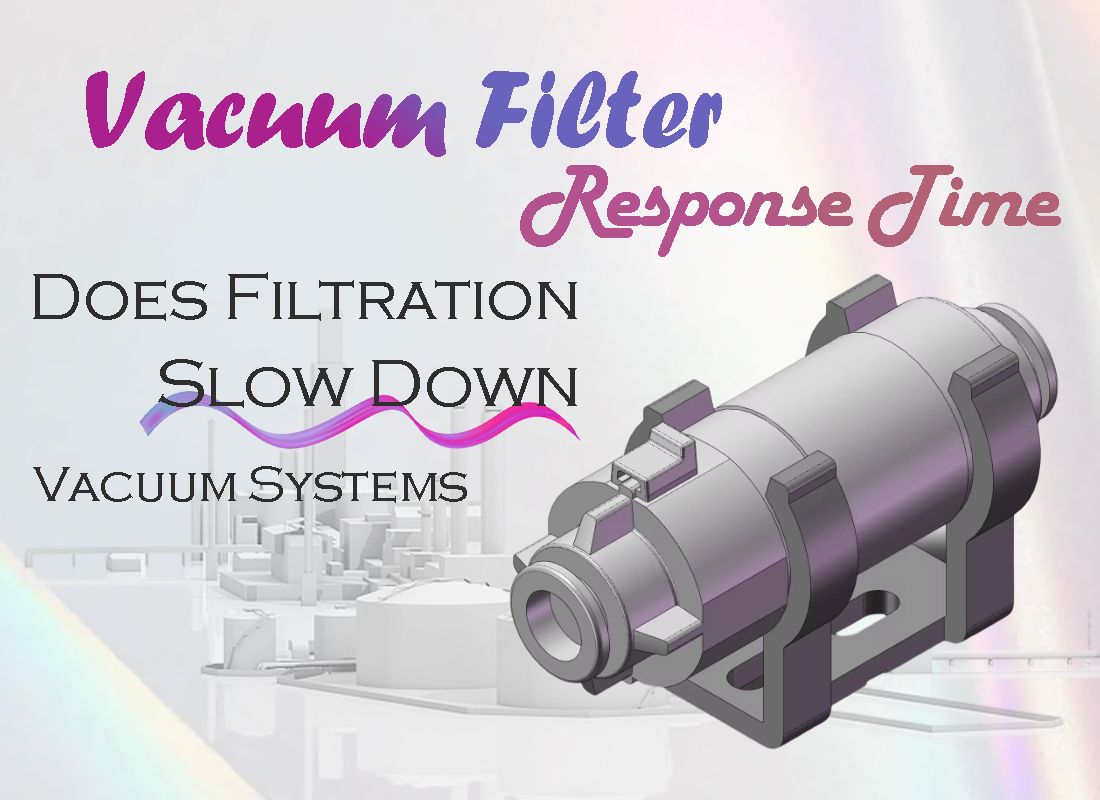 Vacuum Filter and Response Time: Does Filtration Slow Down Vacuum Systems
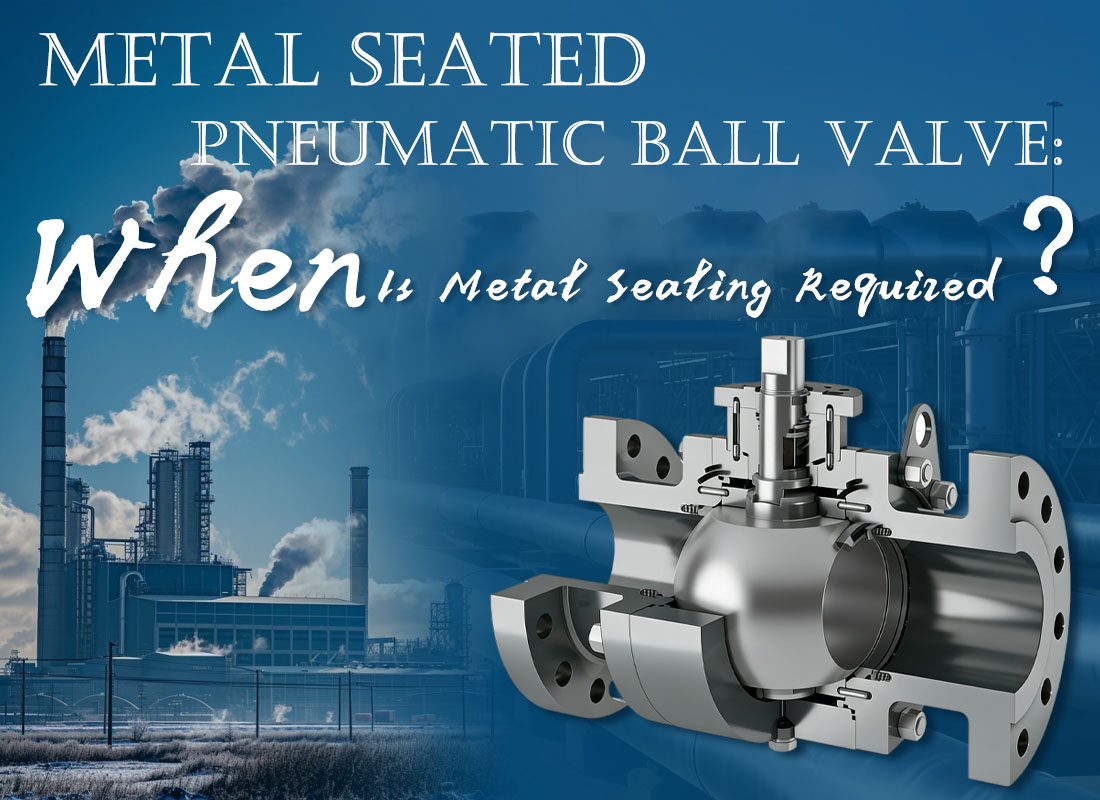 Metal Seated Pneumatic Ball Valve: When Is Metal Sealing Required?



Whatsapp QR:

WeChat QR:

Tell us about your application requirements. Our engineers will review your project and provide practical feedback within 1–2 working days.

Fescolo is the specialized custom pneumatic cylinder brand operated by Ningbo Fokca Automation Co., Ltd.
Looking for standard pneumatic and automation components?
Visit Fokca
© 2026 Ningbo Fokca Automation Co., Ltd. All Rights Reserved. Sitemap