Jan 07, 2026
Identifying hydraulic fittings is extremely important. It not only affects the safety and reliability of the system, but also ensures that the fittings match the pipe standards, pressure ratings, and sealing methods, thereby preventing leaks, burst pipes, and other accidents. Additionally, correctly identifying fittings helps improve system performance, facilitates maintenance and replacement, and reduces equipment damage and repair costs. It is a fundamental skill for the design, installation, and operation of hydraulic systems. Today, we will focus on understanding several different connection methods of hydraulic fittings.
In hydraulic systems, the type of connection used for fittings plays a critical role in ensuring safety, reliability, and efficiency. Different hydraulic fittings employ various connection methods, each with its own advantages, pressure limits, and application scenarios. Understanding these connection types is essential for selecting the right fitting, preventing leaks, and maintaining optimal system performance.
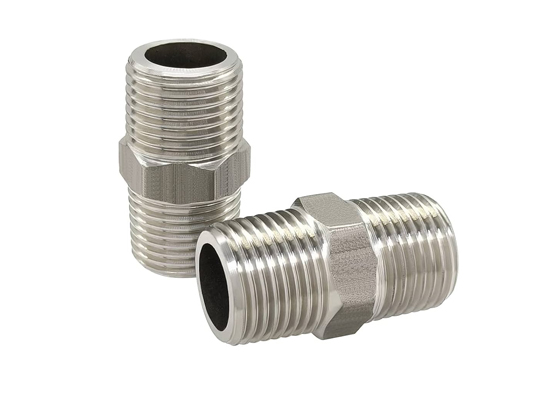
Straight threads
Characteristics and typical applications
Sealing methods: O-ring, gasket, thread sealant
Tapered threads (NPT, BSPT)
Self-sealing properties
Advantages and limitations
37° JIC flare
Features, pressure ratings, and applications
45° SAE flare
Typical use cases and advantages
Advantages: strong metal-to-metal seal, reusability
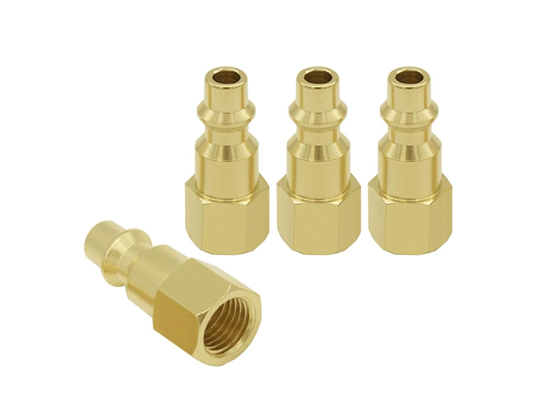
DIN / ORFS / Metric compression fittings
How the fitting bites into the hose or tube for a tight seal
Pros: good vibration resistance, moderate pressure ratings
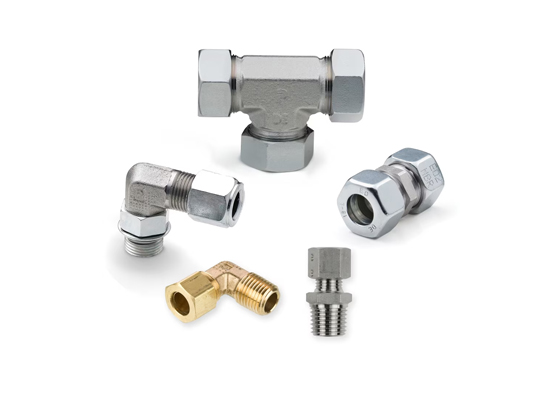
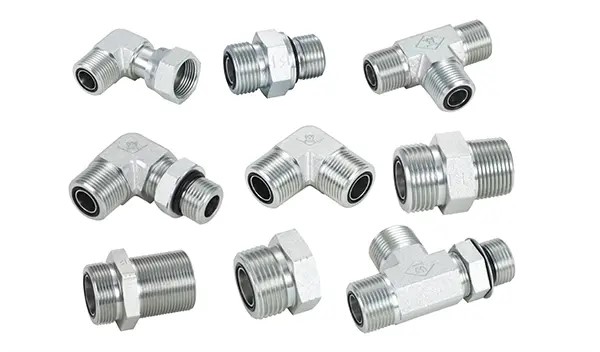
Design and sealing principle
Advantages: leak-free under high pressure, easy assembly/disassembly
Typical applications in high-pressure hydraulic systems
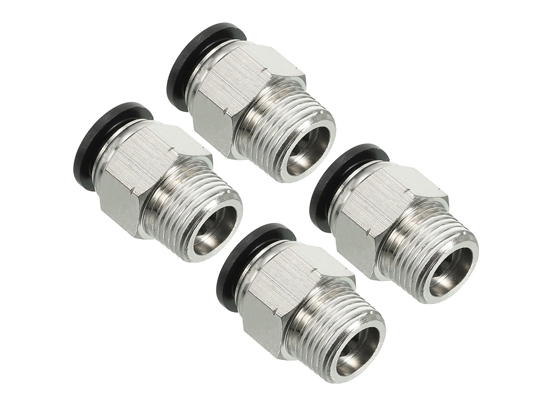
Features and benefits: fast assembly, minimal tools required
Limitations: usually lower pressure ratings
Common applications: mobile equipment, low/medium pressure circuits
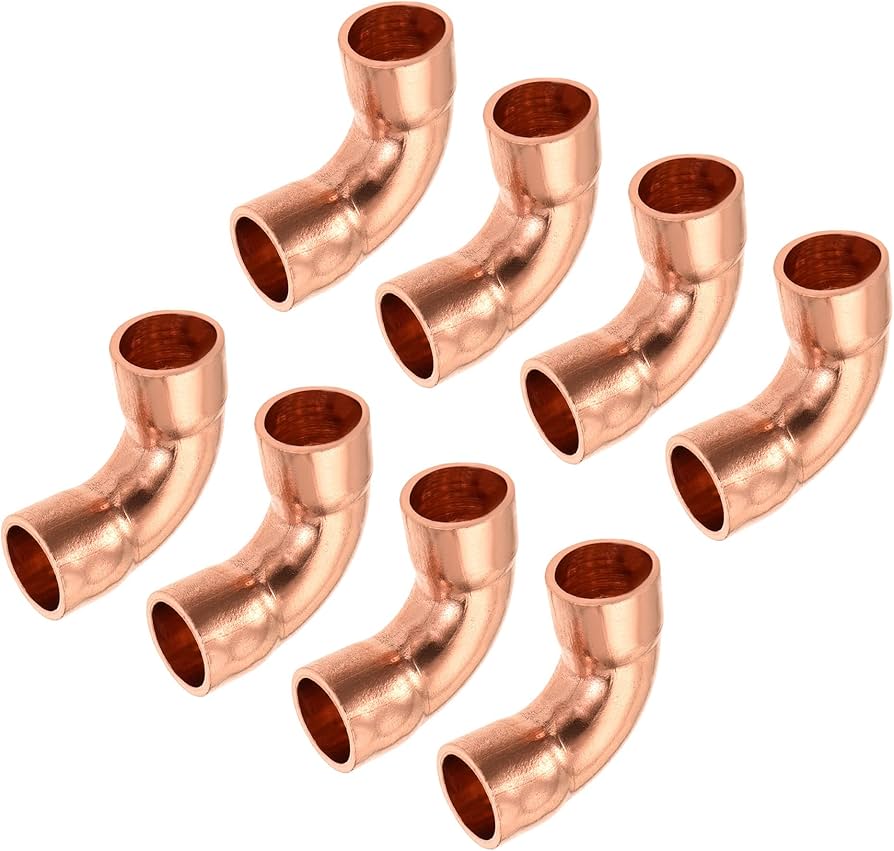
Permanent connections for steel or stainless steel tubing
High-pressure capability and leak-proof performance
Pros and cons: permanent, high integrity, requires skilled labor
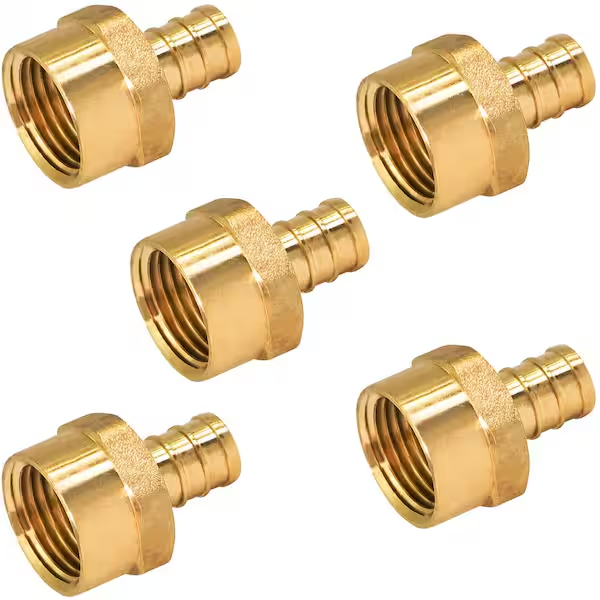
Used in PTFE, nylon, or plastic hoses
Sealing via chemical bonding or fusion
Applications: chemical compatibility, lightweight systems
| Connection Type | Key Features | Sealing Method / Principle | Advantages |
|---|---|---|---|
| Threaded (Straight / Tapered) | Straight threads, NPT/BSPT tapered | O-ring, gasket, thread sealant, self-sealing | Reliable, widely used, moderate pressure |
| Flare (37° JIC / 45° SAE) | Metal-to-metal angled seal | Flared metal contact | Strong seal, reusable, high pressure |
| Bite-Type (Compression / DIN / ORFS / Metric) | Fitting bites into hose/tube | Mechanical compression | Vibration resistant, moderate pressure |
| O-Ring Face Seal (ORFS) | Face seal design | O-ring between fitting face and port | Leak-free under high pressure, easy assembly/disassembly |
| Push-to-Connect / Quick-Release | Fast assembly, minimal tools | Push-fit sealing | Quick installation, reusable |
| Welded / Brazed | Permanent metal connection | Fusion / welding | High-pressure capability, leak-proof, strong integrity |
| Adhesive / Bonded | Chemical bonding or fusion | Adhesive/sealing compound | Lightweight, chemical resistant |
Identifying the different connection methods of hydraulic fittings is crucial for the safety, reliability, and performance of hydraulic systems. Various fittings use connection methods such as threaded, flanged, quick-connect, and welded, each differing in pressure capacity, sealing performance, ease of installation, and suitable applications. Correctly identifying the type and connection method of a fitting ensures proper interface matching, prevents leaks and burst pipes, optimizes system efficiency, reduces maintenance costs, and extends equipment lifespan. We specialize in manufacturing a wide range of fittings, including hydraulic fittings, pneumatic fittings, and pipe fittings, using precise manufacturing processes and offering better cost-performance compared to industry peers. If your industry has such needs, please contact us promptly
(Fk9016)
 Pneumatic Clamping Module Design in Packaging Machinery
 Pneumatic Fittings Replacement Cycle: How Often Should You Change Pneumatic Fittings
 Pneumatic Pusher Module Design in Pneumatic Packaging Machines
 Vacuum Filter and Response Time: Does Filtration Slow Down Vacuum Systems
 Metal Seated Pneumatic Ball Valve: When Is Metal Sealing Required?

Whatsapp QR:

WeChat QR:

Tell us about your application requirements. Our engineers will review your project and provide practical feedback within 1–2 working days.

Fescolo is the specialized custom pneumatic cylinder brand operated by Ningbo Fokca Automation Co., Ltd.
Looking for standard pneumatic and automation components?
Visit Fokca
© 2026 Ningbo Fokca Automation Co., Ltd. All Rights Reserved. Sitemap