Feb 12, 2026
Selecting the correct tubing hardness is a critical part of PU Air Tubing Selection in pneumatic automation systems. When the hardness of a PU Pneumatic Hose does not match the operating conditions, system performance can gradually decline without obvious early warning signs. Incorrect hardness choice commonly leads to pressure instability, delayed actuator response, and accelerated wear—issues that significantly increase maintenance costs in long-term industrial operation.

When tubing hardness is too low for the working pressure, the Industrial PU Hose may expand slightly under compressed air load. Even small dimensional expansion can cause measurable pressure drop across long pneumatic lines, reducing actuator efficiency. In high-cycle systems such as packaging or assembly machines, excessive tube expansion leads to unstable pressure delivery, affecting repeatability and process accuracy.
High-pressure routing or long-distance pneumatic distribution typically requires higher-hardness tubing such as 98A PU Tubing, which maintains better dimensional stability during operation.
Another frequent issue appears in motion-control applications. Softer tubing stores more elastic energy during pressurization, meaning part of the compressed air energy is temporarily absorbed by tube expansion instead of immediately driving the actuator. This results in slower cylinder response and inconsistent timing, particularly noticeable in synchronized multi-axis equipment.
In automation systems requiring precise timing—robotics, pick-and-place units, and high-speed sorting lines—engineers often prefer Industrial PU Tubing with higher Shore hardness to minimize elastic delay and improve control precision.
In dynamic installations such as cable carriers, tubing is exposed to continuous bending and friction. If hardness is too low, the outer wall of a Drag Chain Polyurethane Tube can wear rapidly due to repeated contact with the carrier track. Over time, this leads to thinning of the tube wall and eventual leakage.
Higher-hardness polyurethane tubing significantly improves abrasion resistance, making it more suitable for moving automation equipment and robotic motion systems.
The table below summarizes the most common system issues observed in industrial pneumatic installations:
| Hardness Selection Issue | System Effect | Typical Result | Recommended Adjustment |
|---|---|---|---|
| Tubing too soft for pressure | Tube expansion | Pressure instability | Use 95A–98A tubing |
| Tubing too elastic for control systems | Response delay | Slower actuator timing | Select higher Shore hardness |
| Tubing too soft for moving systems | Surface abrasion | Early leakage | Use drag-chain-grade tubing |
Performance ranges based on industrial pneumatic application experience.
Correct tubing selection requires matching hardness with pressure level, motion frequency, and installation environment rather than choosing based solely on flexibility. For static installations, medium hardness tubing often provides sufficient performance, while high-pressure lines or dynamic routing systems benefit from high-durability PU Pneumatic Hose grades.
Many equipment manufacturers standardize multiple hardness levels across the same machine—for example, flexible tubing in tight routing areas and 98A PU Tubing in long-distance or high-wear sections—to balance installation convenience with long-term reliability.
(FK9026)
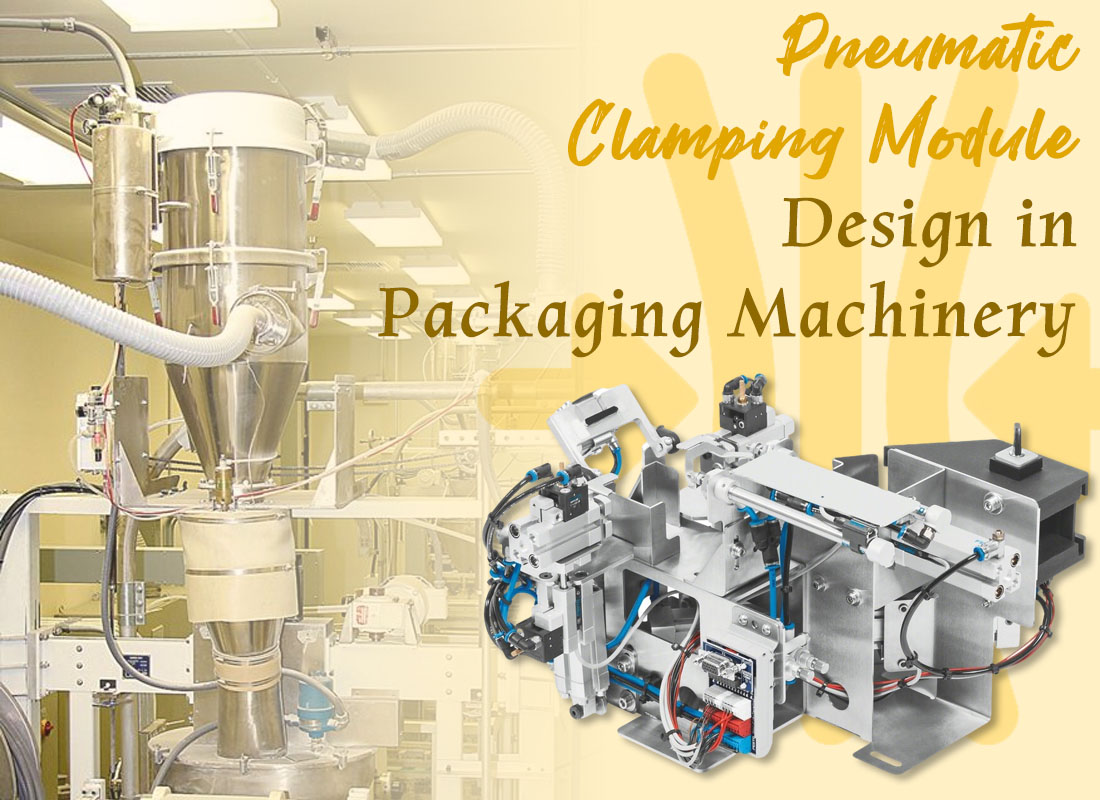 Pneumatic Clamping Module Design in Packaging Machinery
 Pneumatic Fittings Replacement Cycle: How Often Should You Change Pneumatic Fittings
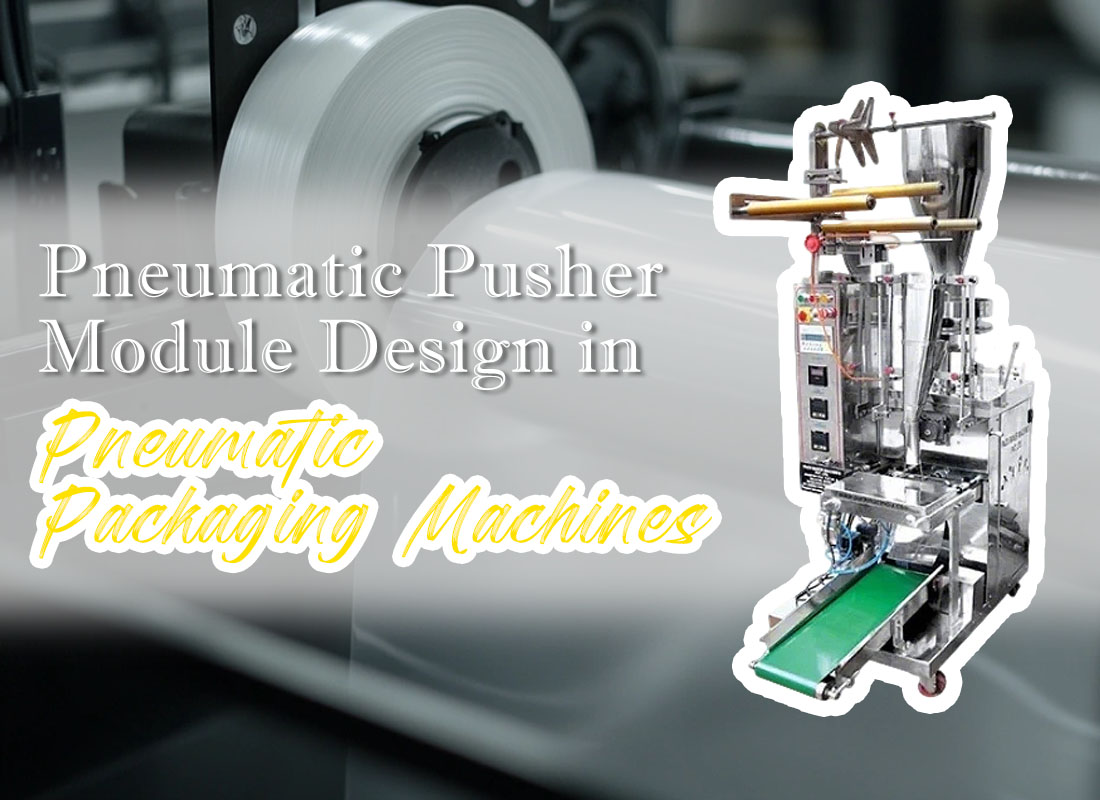 Pneumatic Pusher Module Design in Pneumatic Packaging Machines
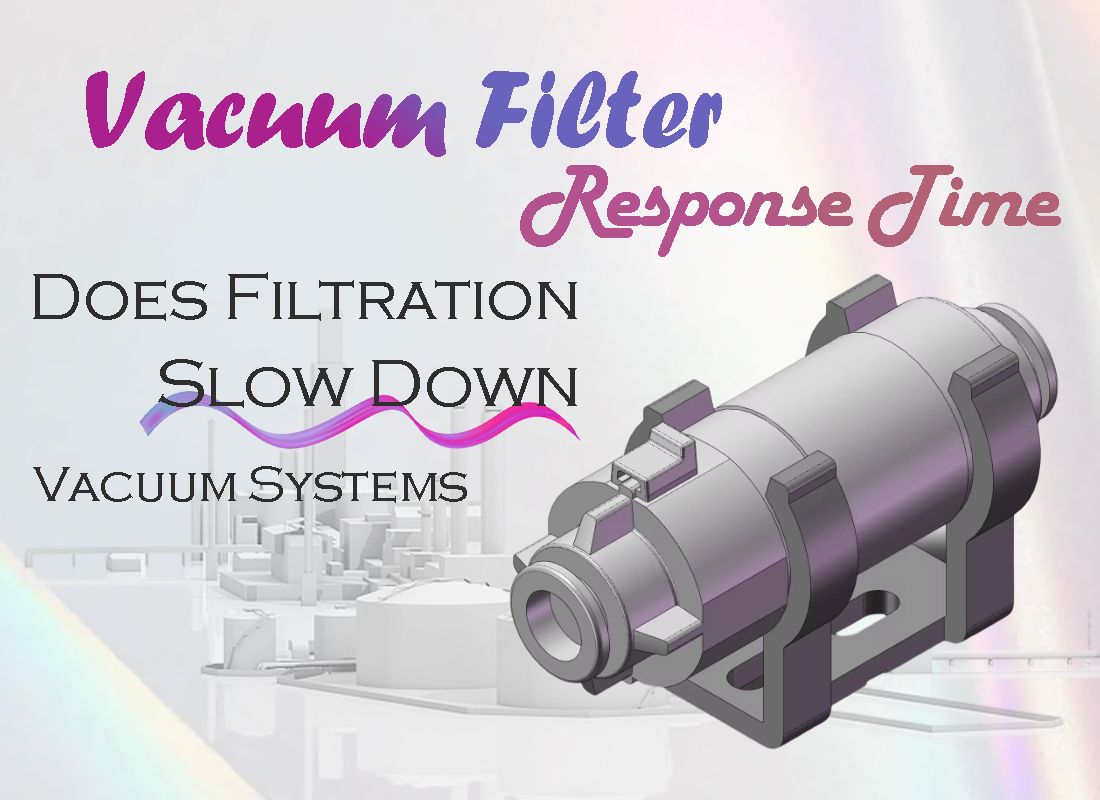 Vacuum Filter and Response Time: Does Filtration Slow Down Vacuum Systems
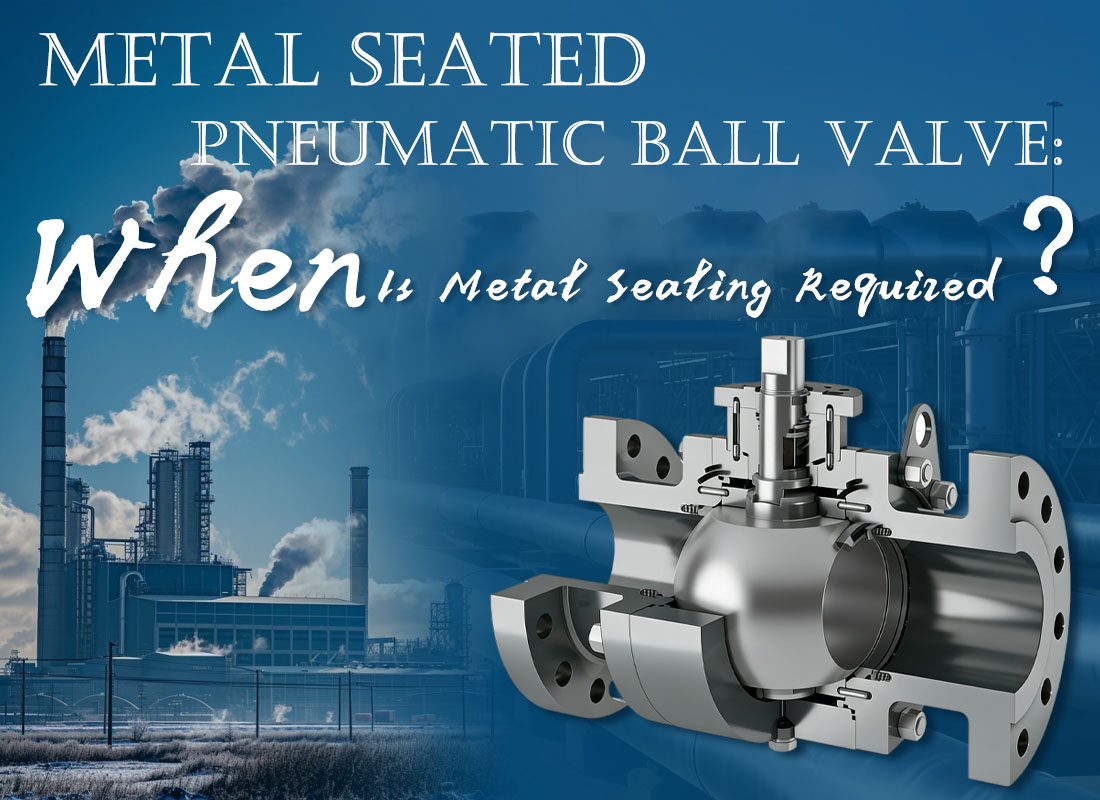 Metal Seated Pneumatic Ball Valve: When Is Metal Sealing Required?

Whatsapp QR:

WeChat QR:

Tell us about your application requirements. Our engineers will review your project and provide practical feedback within 1–2 working days.

Fescolo is the specialized custom pneumatic cylinder brand operated by Ningbo Fokca Automation Co., Ltd.
Looking for standard pneumatic and automation components?
Visit Fokca
© 2026 Ningbo Fokca Automation Co., Ltd. All Rights Reserved. Sitemap