Jan 27, 2026
Choosing tubing material often looks simple on paper, but in real projects, it becomes a recurring source of debate. PP Polypropylene Tube and PVC tubing may share similar appearances and price ranges, yet their behavior over time is very different. For engineers, distributors, and purchasing teams, the real question is not “which is cheaper,” but which material stays stable when conditions drift away from ideal. That is where PP tubing gradually proves its value.
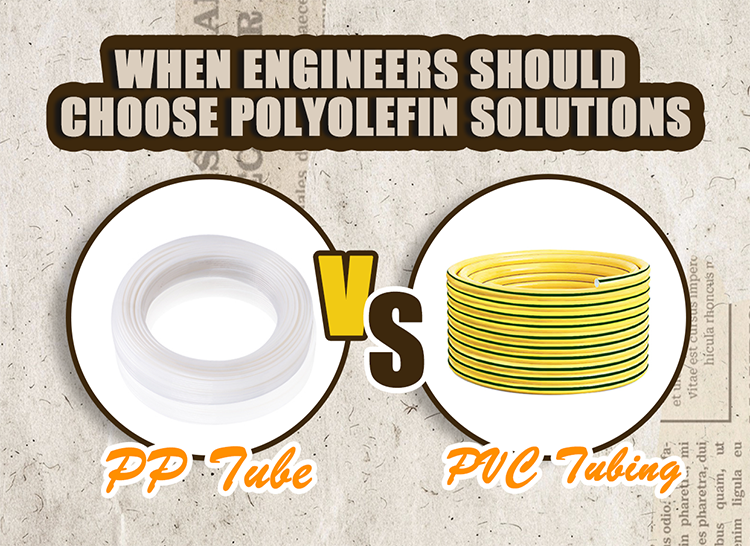
PVC tubing is widely used because it is flexible, easy to source, and familiar across industries. However, Polyolefin Tubing, especially polypropylene-based options, is engineered with a different priority: material stability.
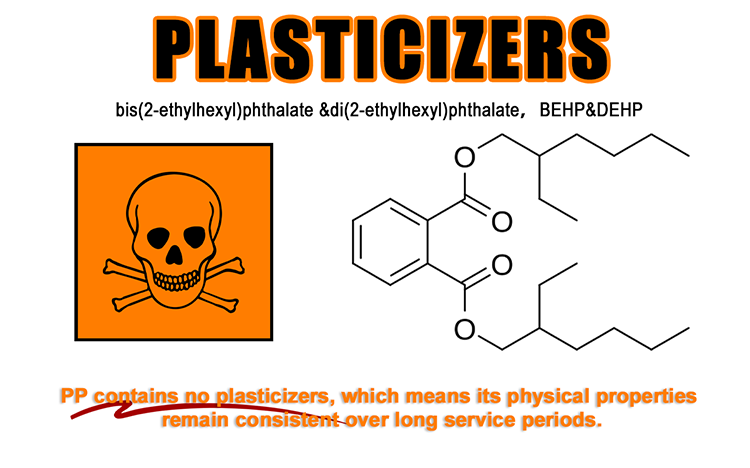
PP contains no plasticizers, which means its physical properties remain consistent over long service periods.
Material stability directly affects sealing reliability, flow consistency, and maintenance cycles. In automated equipment or fluid transfer systems, this difference becomes noticeable after months—not days—of operation.
Temperature is often the first reason engineers reconsider PVC. Standard PVC tubing begins to soften as temperatures approach 60–70°C, especially under pressure. Over time, this softening can cause deformation at fittings, leading to micro-leaks or tube pull-out.
By contrast, PP Polypropylene Tube typically maintains structural integrity up to 80–90°C in continuous operation. This margin is often enough to handle unexpected heat spikes from compressors, pumps, or ambient factory conditions. When systems operate near thermal limits, PP becomes the safer long-term choice.
Chemical exposure is another area where PVC shows its limitations. Oils, solvents, and certain cleaning agents can extract plasticizers from PVC, making the tube brittle over time. Once that happens, cracking is only a matter of cycles.
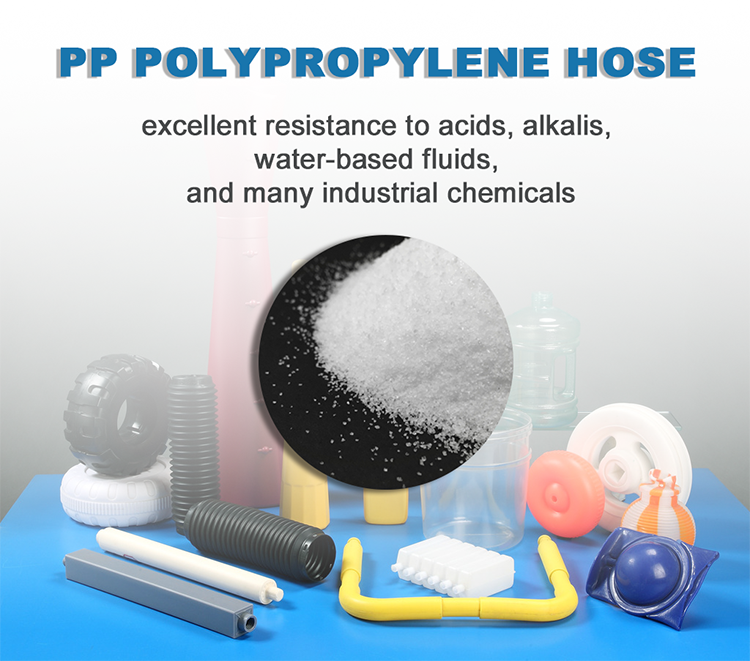
PP Polypropylene Hose offers excellent resistance to acids, alkalis, water-based fluids, and many industrial chemicals. This makes it suitable for applications in chemical dosing, laboratory equipment, and food-related systems where fluid purity matters. Engineers often choose PP not for higher pressure, but for predictable chemical behavior.
In design reviews, engineers rarely ask whether tubing works on day one. The concern is what happens after two or three years. PVC’s aging behavior is its weak point—loss of flexibility, discoloration, and embrittlement are common.
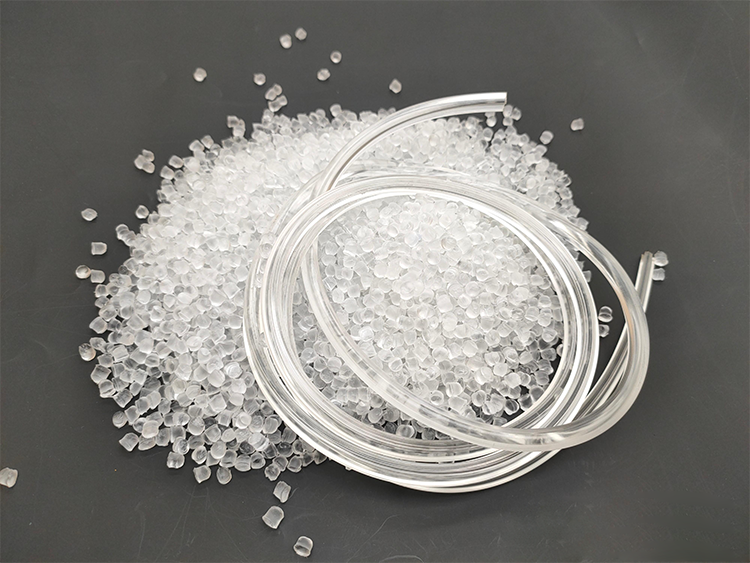
PP Polypropylene Tube ages differently. It may become slightly stiffer, but it does not suffer from plasticizer loss. That stability reduces unplanned maintenance and helps OEMs maintain consistent performance across production batches. This is particularly valuable for equipment sold globally, where environmental conditions vary.
To simplify decision-making, many engineers use material comparison tables during early design stages:
| Property | PP Polypropylene Tube | PVC Tubing |
|---|---|---|
| Continuous Temperature Range | Up to 80–90°C | 60–70°C |
| Chemical Resistance | Excellent | Moderate |
| Plasticizers | None | Present |
| Long-Term Aging Stability | High | Medium |
| Flexibility | Medium | High |
| Typical Applications | Chemical, automation, OEM systems | General-purpose air/water |
Performance ranges based on common industrial material data.
This comparison often clarifies that PP is not a replacement for every PVC application—but it is the better option when conditions are less forgiving.
It is important to define where PP Polypropylene Hose should not be used. PP is stiffer than PVC and not ideal for tight bending or dynamic motion. In low-temperature environments, flexibility may also be reduced.
PVC remains suitable for low-pressure, room-temperature applications where flexibility and cost are the main drivers. The key is matching material behavior to real operating conditions, not nominal specifications.
For distributors and procurement teams, recommending PP Polypropylene Tube is about setting correct expectations. It excels in temperature-sensitive, chemically exposed, and long-life systems, especially when paired with compatible fittings and connectors used in automation assemblies. Many OEMs reference polyolefin tubing selection guidelines alongside fitting compatibility charts to avoid mismatches during installation.
From an engineering perspective, choosing PP over PVC is less about performance headlines and more about reducing long-term risk. When maintenance intervals, chemical exposure, or thermal stability matter, PP defines a clear and reliable application boundary that PVC struggles to meet.
(FK9026)
 Pneumatic Clamping Module Design in Packaging Machinery
 Pneumatic Fittings Replacement Cycle: How Often Should You Change Pneumatic Fittings
 Pneumatic Pusher Module Design in Pneumatic Packaging Machines
 Vacuum Filter and Response Time: Does Filtration Slow Down Vacuum Systems
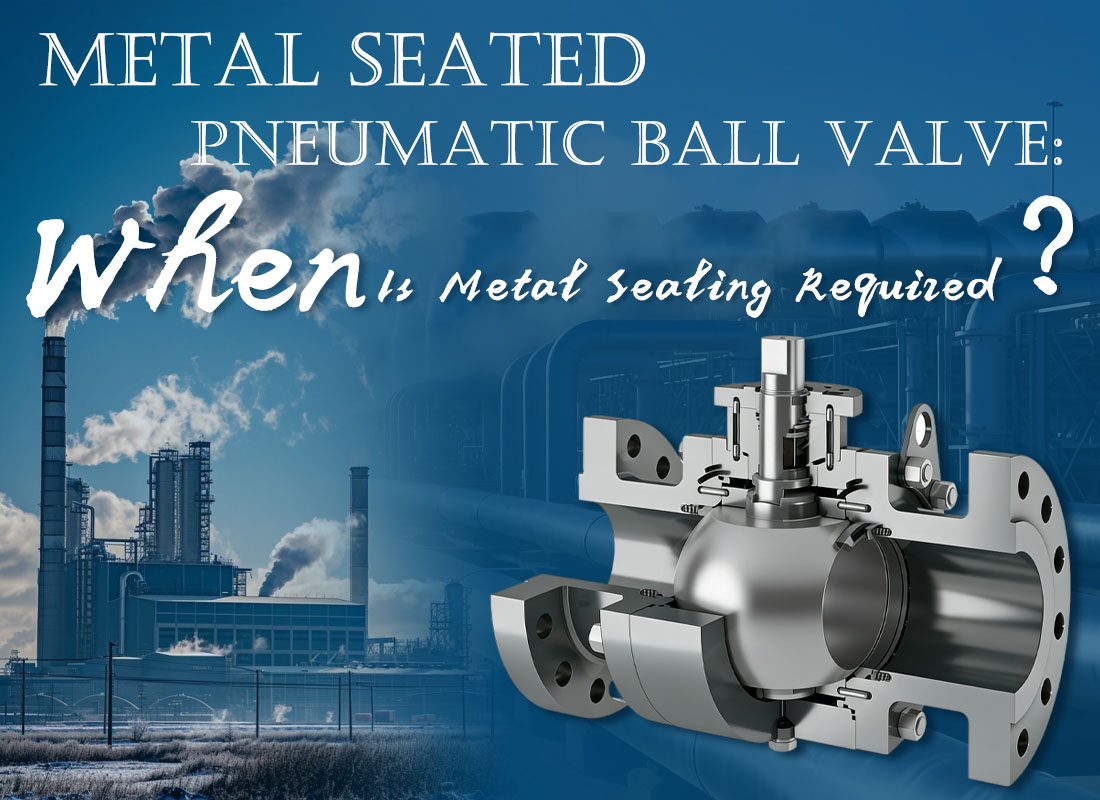 Metal Seated Pneumatic Ball Valve: When Is Metal Sealing Required?

Whatsapp QR:

WeChat QR:

Tell us about your application requirements. Our engineers will review your project and provide practical feedback within 1–2 working days.

Fescolo is the specialized custom pneumatic cylinder brand operated by Ningbo Fokca Automation Co., Ltd.
Looking for standard pneumatic and automation components?
Visit Fokca
© 2026 Ningbo Fokca Automation Co., Ltd. All Rights Reserved. Sitemap