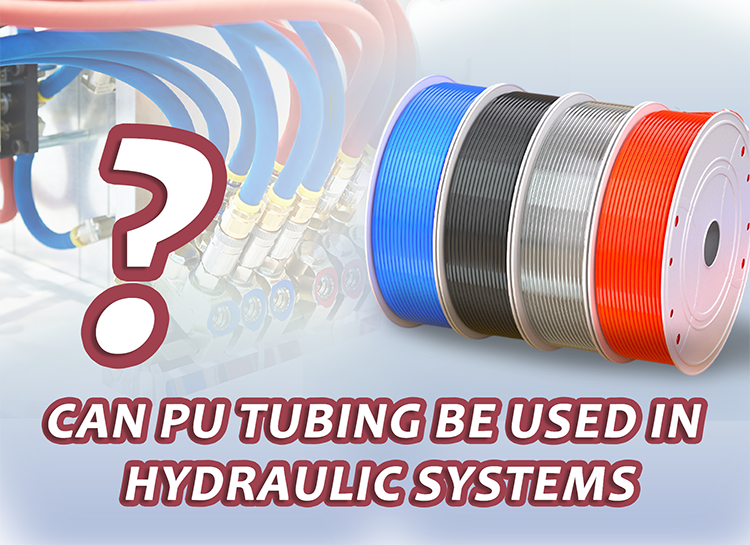
In fluid power systems, polyurethane pipe is almost automatically associated with pneumatic applications. Its flexibility, abrasion resistance, and ease of handling make it a staple in compressed air lines. Yet in real-world projects, especially compact or light-duty equipment, engineers and buyers often ask a practical question: can polyurethane tubing be used in hydraulic systems as well? The answer is yes—but only when its limits are clearly understood and respected.
Why PU Tubing Is Traditionally Linked to Pneumatics
Polyurethane tubings , is widely used in air systems because compressed air is forgiving. Pressure levels are relatively low, temperature fluctuations are moderate, and leakage risks are less severe. Under these conditions, PU material performs exceptionally well, offering high flexibility, strong resistance to kinking, and excellent wear characteristics in moving assemblies.
Hydraulic systems, however, introduce a different environment. Oil media, higher pressures, and thermal loads place stricter demands on tubing materials. This difference explains why PU tubing is often overlooked in hydraulic design, even though it can still serve a role in specific scenarios.
Situations Where PU Tubing Can Work in Hydraulic Systems
PU tubing can be used in hydraulic systems under low pressure, small flow, and normal temperature conditions. Typical examples include compact hydraulic devices, laboratory equipment, pilot control lines, lubrication circuits, or auxiliary hydraulic functions where system pressure remains well below industrial standards.
In these applications, polyurethane pipe offers advantages that rigid metal pipes or reinforced hoses cannot easily match. Its flexibility simplifies routing in tight spaces, and installation often requires fewer fittings. For distributors and OEMs, this can translate into faster assembly and lower overall system cost without compromising performance—provided the operating conditions are controlled.
Pressure and Temperature Limits: The Key Constraints
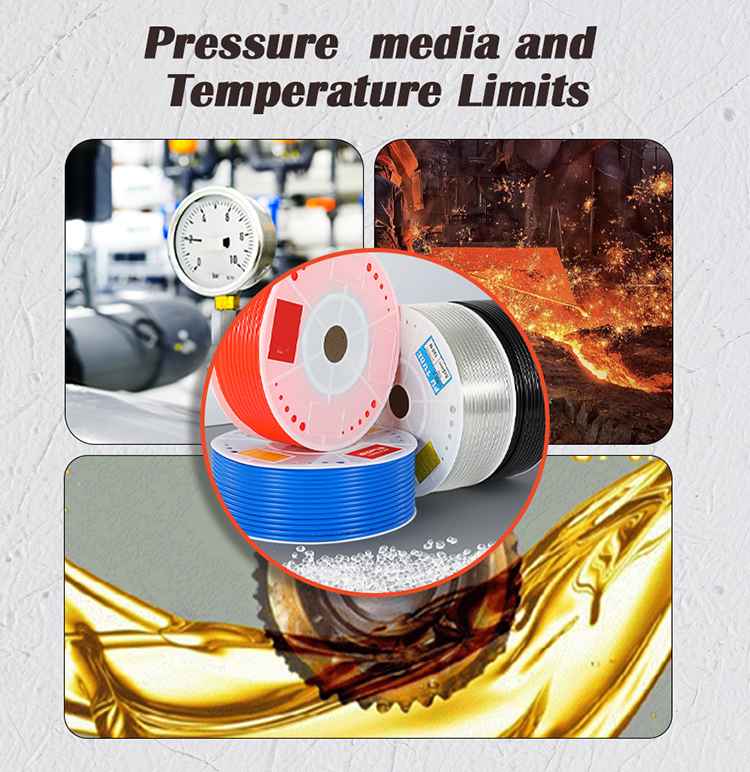
The most critical limitation of pu tube in hydraulic use lies in its pressure and temperature rating. Unlike reinforced hydraulic hoses, standard polyurethane tubing does not contain fiber or steel braiding. As pressure increases, the tubing wall bears the full load, which limits its safe operating range.
In practice, PU tubing is best suited for low-pressure hydraulic systems, typically well below 100 bar, depending on diameter and wall thickness. Temperature is equally important. Most PU materials perform reliably around room temperature, but elevated heat can accelerate material fatigue and reduce pressure resistance. This is why PU tubing is not recommended for high-temperature hydraulic oil circuits or continuous-duty heavy machinery.
Compatibility with Hydraulic Oil Cannot Be Ignored
Another factor that engineers must evaluate is chemical compatibility. Not all polyurethane formulations react the same way to hydraulic oils. Certain oils, additives, or synthetic fluids may cause swelling, softening, or long-term degradation of the tubing material.
Before specifying polyurethane tubing for hydraulic use, compatibility testing with the actual hydraulic oil is essential. Many system failures attributed to “material quality” are, in reality, caused by overlooked fluid interactions. For procurement managers, confirming compatibility upfront helps avoid premature replacement and warranty issues.
Practical Advantages of PU Tubing in Light Hydraulic Applications
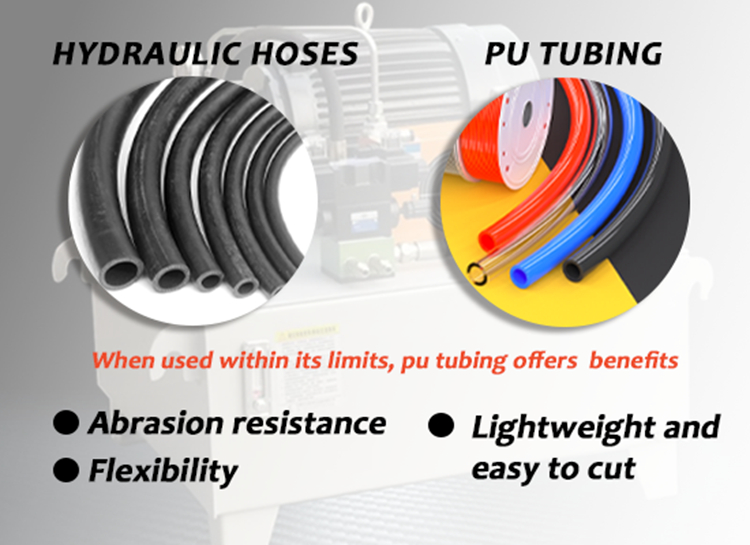
When used within its limits, pu tubing offers several practical benefits in hydraulic systems. Its abrasion resistance is valuable in moving assemblies or exposed routing areas. Flexibility allows tubing to absorb vibration and minor misalignment, reducing stress on fittings and connectors.
From an installation standpoint, PU tubing is lightweight and easy to cut, route, and connect. This is especially beneficial in small machines or modular equipment where frequent design changes occur. In such cases, the tubing’s adaptability can outweigh the limitations imposed by pressure and temperature.
Comparing PU Tubing with Common Hydraulic Alternatives
| Tubing Type | Pressure Capability | Flexibility | Typical Applications |
|---|---|---|---|
| PU Tubing | Low | Very high | Small hydraulic devices, pilot lines |
| Rubber Hydraulic Hose | Medium to high | Medium | Industrial machinery, mobile hydraulics |
| Steel Pipe | Very high | Low | Fixed high-pressure hydraulic circuits |
This comparison highlights why polyurethane tubing is not a universal replacement but rather a targeted solution. Understanding where it fits helps engineers make informed design decisions rather than defaulting to oversized components.
What Distributors and Buyers Should Consider
For distributors and purchasing teams, polyurethane tubing can be a valuable addition to the hydraulic product range when positioned correctly. Clear communication about pressure ratings, temperature limits, and oil compatibility is essential. Misapplication risks damaging trust with end users, while proper guidance strengthens long-term partnerships.
OEMs serving compact machinery or specialized equipment often benefit from sourcing PU tubing alongside pneumatic and light hydraulic components, simplifying inventory management and supplier coordination.
Making a Balanced Choice in Hydraulic Design
PU tubing is not meant to replace traditional hydraulic hoses or steel pipes in demanding systems. However, dismissing it entirely overlooks its strengths in low-pressure, small-scale hydraulic applications. When engineers respect its operating limits and verify fluid compatibility, polyurethane tubing becomes a practical, efficient option rather than a compromise.
For modern equipment that prioritizes compact design, ease of installation, and controlled operating conditions, polyurethane pipe can play a meaningful role in hydraulic systems—quietly bridging the gap between pneumatic convenience and hydraulic functionality.
(FK9026)