Jan 08, 2026
Industrial automation is entering a more decisive stage in 2026.
Manufacturers are no longer asking only whether a process can be automated. They are asking whether automation can become smarter, faster, more flexible and more reliable.
According to the International Federation of Robotics, the global market value of industrial robot installations has reached a record USD 16.7 billion. Artificial intelligence, connected production systems and growing demand for flexible manufacturing are now reshaping factories around the world.
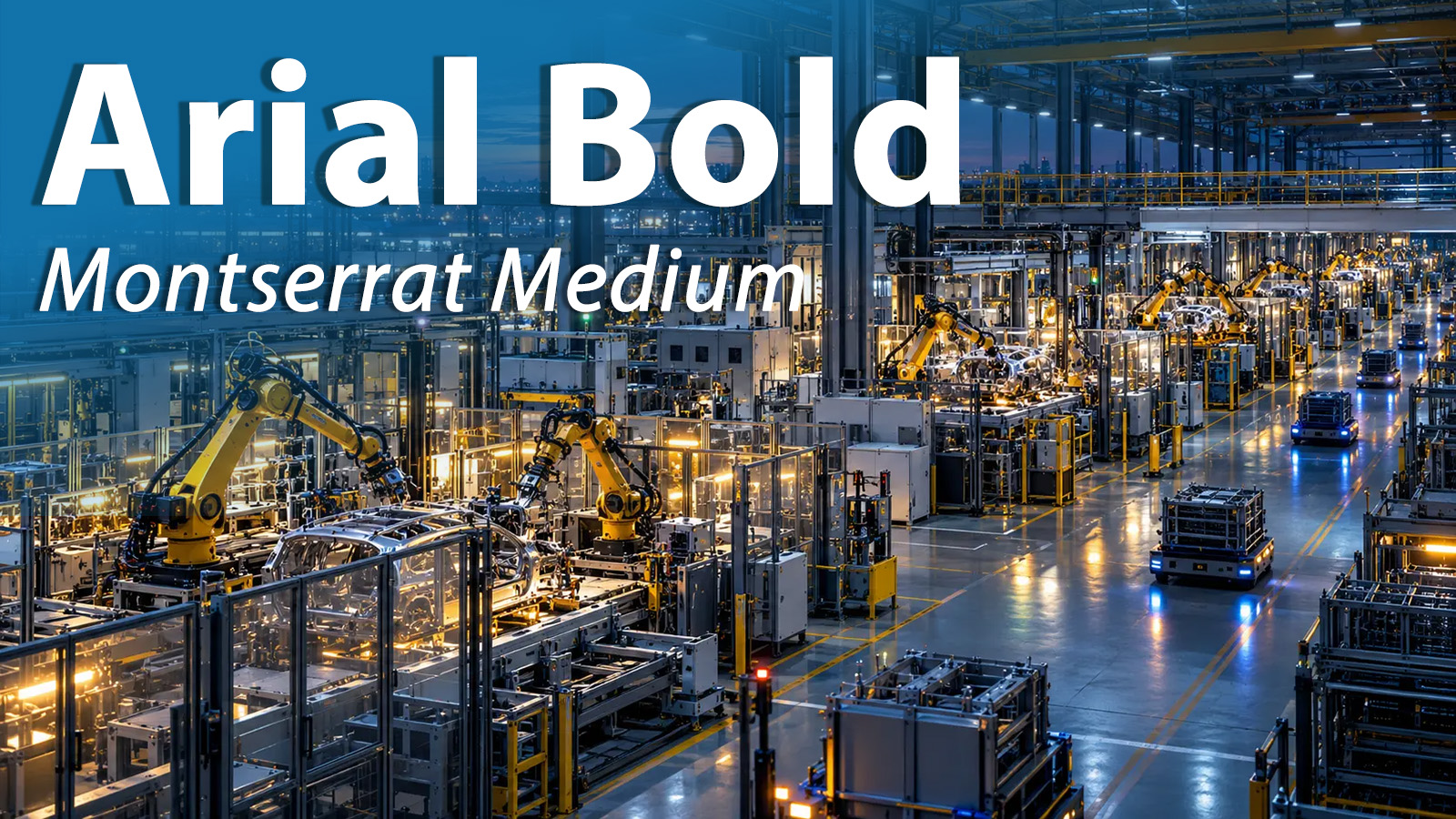
Artificial intelligence is moving beyond data analysis and fault prediction. It is beginning to support machine configuration, production planning and autonomous decision-making.
Robots can respond more intelligently to changing conditions, while manufacturers can use real-time data to improve production efficiency and reduce unplanned downtime.
However, every digital decision must eventually become a physical movement.
Gripping, pushing, lifting, clamping and positioning still depend on reliable actuators. As control systems become more intelligent, motion components must deliver greater consistency and precision.
Modern factories need to produce more product variations in smaller batches. Machines must therefore be easier to adjust, modify and reconfigure.
This change is also affecting pneumatic cylinder design.
A standard cylinder may be suitable for many conventional applications, but flexible equipment often requires special strokes, restricted installation dimensions, modified mounting methods, different port positions or integrated sensors.
Instead of forcing the machine to fit a standard component, manufacturers are increasingly selecting components that fit the actual machine design.
AI and digital systems may attract attention, but reliability remains the foundation of industrial automation.
A production line can use advanced software and high-precision sensors, but leakage, unstable cylinder movement, inadequate cushioning or incorrect alignment can still stop the entire system.
Cylinder selection should therefore consider more than bore and stroke. Load, speed, pressure, cycle frequency, mounting method and working environment all influence long-term performance.
For large-bore or long-stroke cylinders, tube straightness, bore roundness, piston rod alignment, sealing and cushioning become even more important.
The growth of AI and robotics does not reduce the importance of mechanical engineering. It makes dependable mechanical execution even more valuable.
A smarter machine needs actuators that respond consistently. A flexible production line needs components that match its real operating conditions. A high-output factory needs cylinders that can continue working through repeated cycles.
At FESCOLO, we develop standard and customized pneumatic cylinders based on the actual application. Bore size, stroke, load, pressure, speed, installation, environment and operating frequency are considered before a customized solution is confirmed.
As factories become smarter, one principle remains unchanged:
Intelligent automation still depends on reliable movement.
Source: International Federation of Robotics, "Top Five Global Robotics Trends 2026."
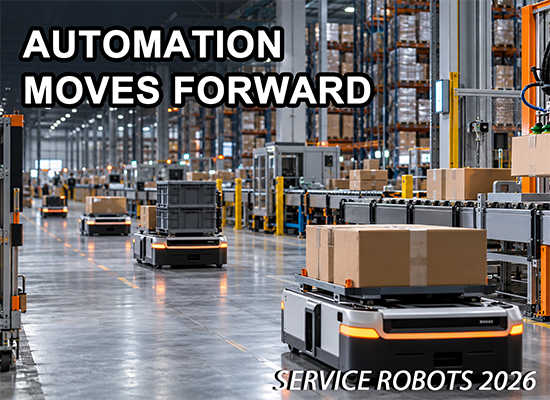 Global Professional Service Robot Shipments Rise 24%
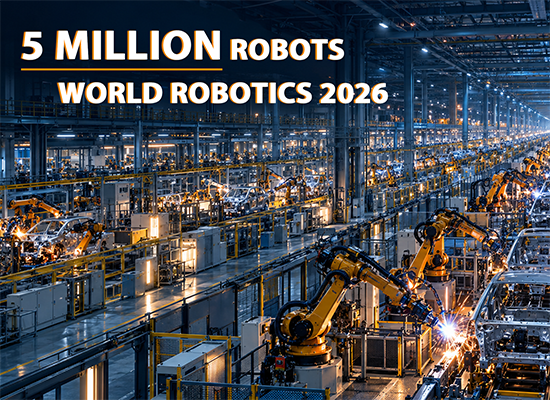 Five Million Industrial Robots Now Operate in Factories Worldwide
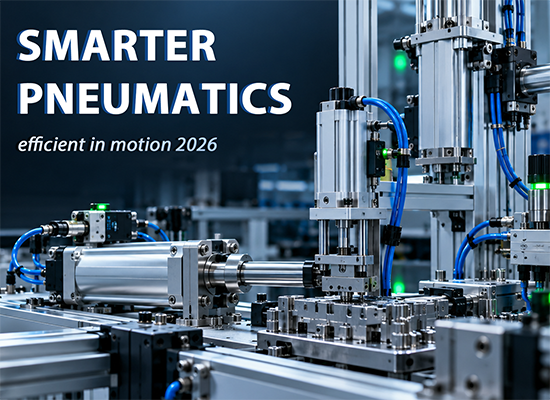 Pneumatic Automation in 2026: Smarter, More Efficient and More Adaptable
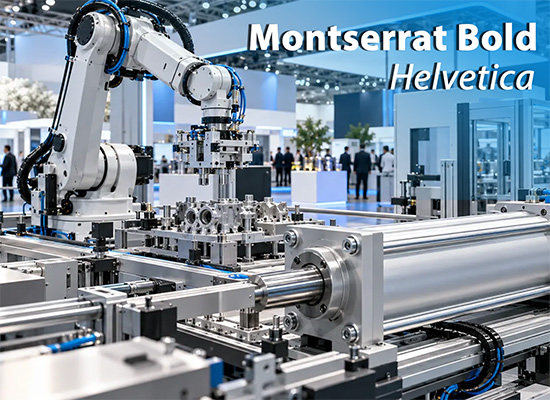 HANNOVER MESSE 2026: AI, Robotics and Automation
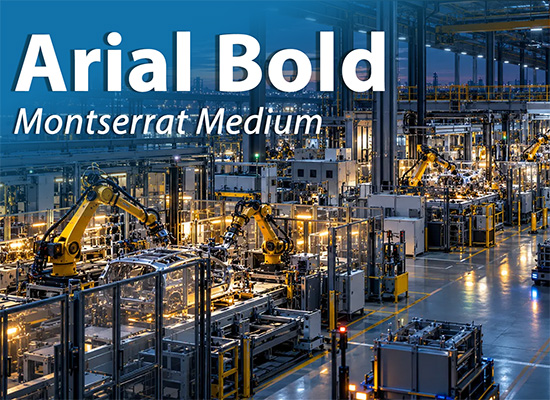 Top Five Global Robotics and Industrial Automation Trends for 2026

Whatsapp QR:

WeChat QR:

Tell us about your application requirements. Our engineers will review your project and provide practical feedback within 1–2 working days.

Fescolo is the specialized custom pneumatic cylinder brand operated by Ningbo Fokca Automation Co., Ltd.
Looking for standard pneumatic and automation components?
Visit Fokca
© 2026 Ningbo Fokca Automation Co., Ltd. All Rights Reserved. Sitemap