Jul 28, 2026
Pneumatic technology is entering a more efficient and connected stage in 2026.
Recent product developments across the international pneumatic industry show a clear direction: manufacturers want more force from smaller components, better control of compressed air and more information from every movement.
The change is not about replacing pneumatics. It is about making pneumatic systems work more intelligently.
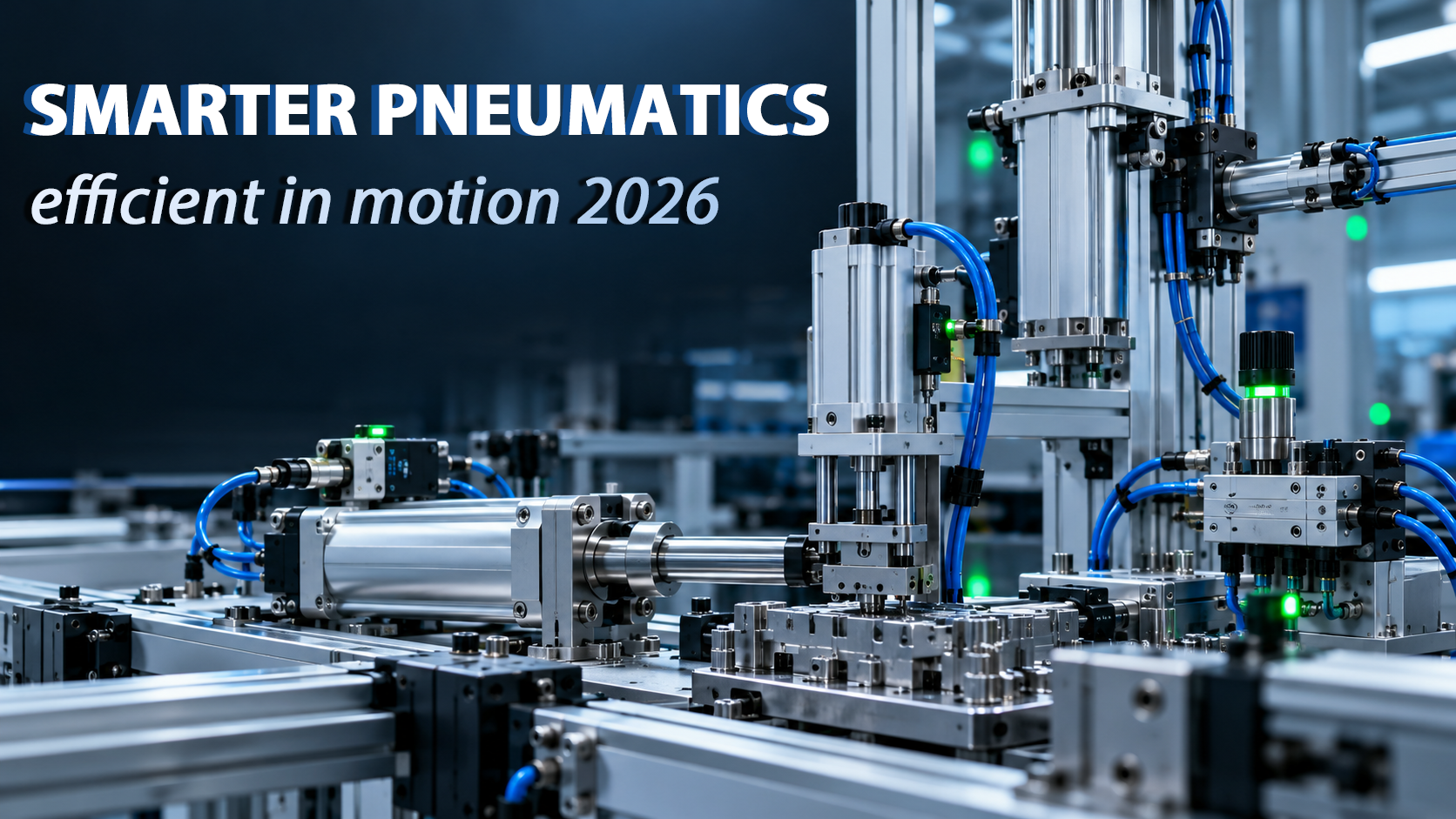
Modern equipment must often deliver higher output within limited installation space. This is increasing demand for compact cylinders capable of producing greater force without making machines larger.
Compact high-power cylinders, guided cylinders and space-saving valve systems are becoming increasingly important in assembly, packaging and material-handling equipment.
For machine builders, the objective is clear: obtain the required force while keeping the equipment compact, stable and easy to maintain.
Compressed air is valuable energy. Every leak, oversized cylinder and unnecessarily high operating pressure increases production costs.
Energy-efficient pneumatic design begins with correct cylinder sizing, suitable tubing, efficient valves and proper pressure control. Monitoring flow and pressure can also help identify abnormal consumption before it becomes a serious problem.
The most effective solution is not always the smallest cylinder or the lowest pressure. It is the system that delivers the required force and speed with the least unnecessary air consumption.
Pressure switches, flow sensors, position sensors and communication systems are giving manufacturers a clearer view of machine performance.
Instead of waiting for a component to fail, maintenance teams can monitor pressure changes, movement time and other operating conditions. This supports earlier maintenance decisions and helps reduce unexpected downtime.
However, more data only creates value when the mechanical system remains dependable. Sensors can report unstable movement, but good cylinder design is still required to prevent it.
A cylinder must perform thousands or millions of repeated movements under real operating conditions.
Load direction, speed, working pressure, cycle frequency, mounting accuracy and environmental conditions all influence service life. For large-bore or long-stroke cylinders, tube straightness, bore roundness, piston rod alignment, sealing and cushioning become especially important.
At FESCOLO, customized pneumatic cylinder projects begin with the actual application. We evaluate bore, stroke, load, pressure, speed, mounting, port position, working environment and operating frequency before confirming the design.
Pneumatic automation is becoming smarter—but its real value still comes from efficient, stable and reliable motion.
Source: International pneumatic product developments published during 2026, including compact high-power cylinders, large-bore stainless-steel cylinders, pressure monitoring and safety communication systems.
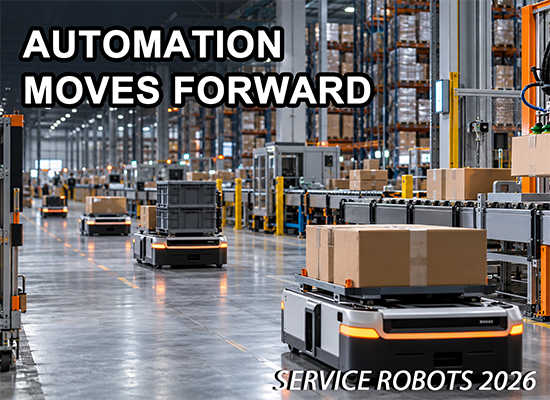 Global Professional Service Robot Shipments Rise 24%
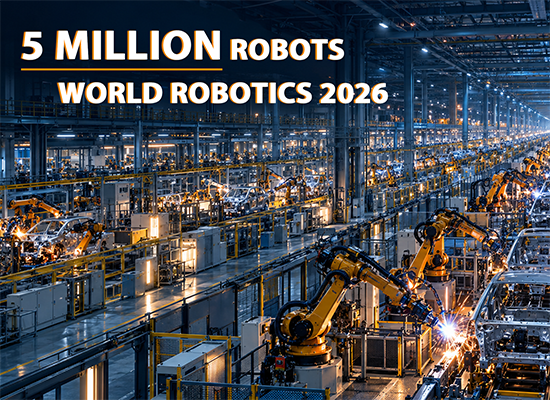 Five Million Industrial Robots Now Operate in Factories Worldwide
 Pneumatic Automation in 2026: Smarter, More Efficient and More Adaptable
 HANNOVER MESSE 2026: AI, Robotics and Automation
 Top Five Global Robotics and Industrial Automation Trends for 2026

Whatsapp QR:

WeChat QR:

Tell us about your application requirements. Our engineers will review your project and provide practical feedback within 1–2 working days.

Fescolo is the specialized custom pneumatic cylinder brand operated by Ningbo Fokca Automation Co., Ltd.
Looking for standard pneumatic and automation components?
Visit Fokca
© 2026 Ningbo Fokca Automation Co., Ltd. All Rights Reserved. Sitemap