Sep 24, 2026
Global industrial automation has reached a major milestone.
According to the International Federation of Robotics, approximately five million industrial robots were operating in factories worldwide in 2025—more than double the number recorded seven years earlier.
Factories installed more than 600,000 new industrial robots during the year, an increase of 11%. Global installations are expected to reach approximately 655,000 units in 2026.
The message is clear: industrial automation is continuing to expand at high speed.
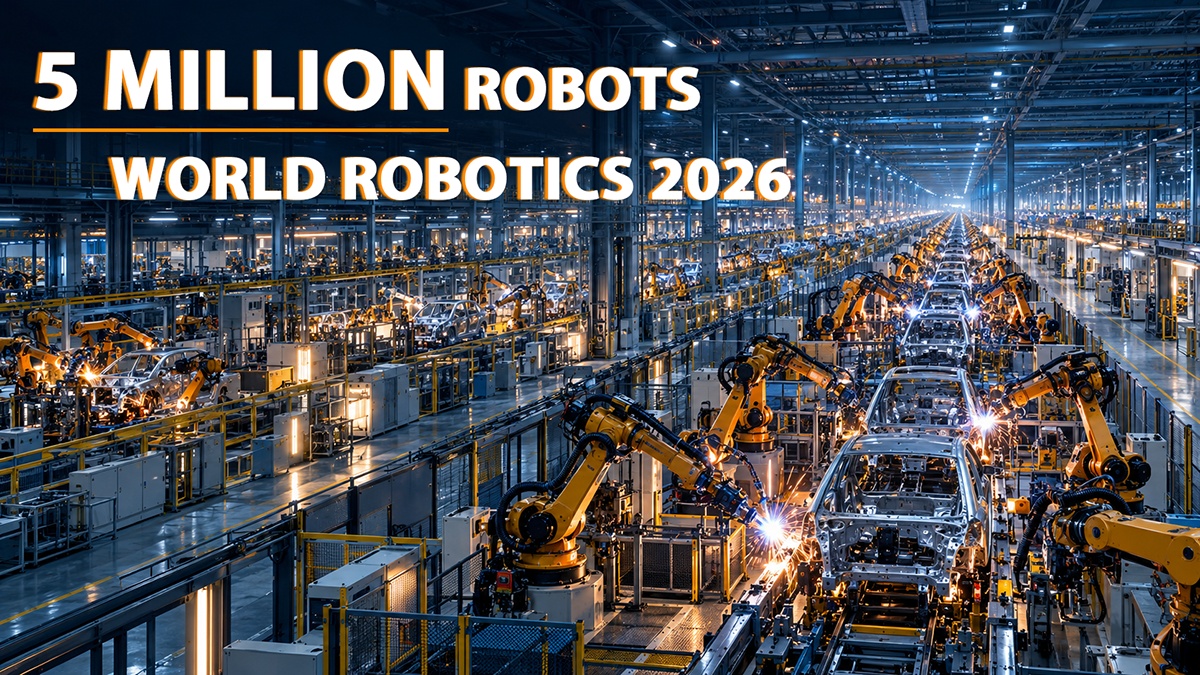
Asia remains the largest market for industrial robots, with China accounting for a major share of global installations.
Growth is also continuing in the United States and India, while labor shortages, supply-chain concerns and manufacturing investment are encouraging more companies to automate production.
Robots are no longer limited to the largest automotive factories. Easier programming, improved sensing and lower integration costs are opening automation to more industries and smaller manufacturers.
The growth of industrial robots also increases demand for the equipment surrounding them.
Robots must work with fixtures, clamps, lifting systems, positioning units, conveyors and material-handling devices. Many of these operations depend on pneumatic cylinders and other actuators.
A robot may provide flexible movement, but the supporting equipment must still hold, position or release components at exactly the right time.
If a cylinder moves inconsistently, leaks or produces excessive impact, the performance of the entire automated cell can be affected.
As production cycles become faster, industrial components must deliver greater repeatability and durability.
Pneumatic cylinders used in automated equipment may require:
• High-frequency operation
• Stable extension and retraction speed
• Accurate end-of-stroke cushioning
• Position sensing
• Special mounting dimensions
• Resistance to dust, moisture or corrosion
• Long operating life with limited maintenance
For large or heavily loaded equipment, cylinder design must also consider structural strength, piston rod alignment and the effect of side loads.
The five-million-robot milestone is not only a story about robots. It represents a broader transformation of global manufacturing.
Factories are becoming more automated, connected and productive. At the same time, every part of the production system is expected to operate more reliably.
At FESCOLO, we develop standard and customized pneumatic cylinders for industrial equipment. Each customized project is evaluated according to its load, stroke, pressure, speed, mounting method, environment and expected working frequency.
Robots may be the most visible part of automation, but reliable motion throughout the machine keeps production moving.
Source: International Federation of Robotics, “Five Million Robots Now Operate in Factories Globally,” September 24, 2026.
 Global Professional Service Robot Shipments Rise 24%
 Five Million Industrial Robots Now Operate in Factories Worldwide
 Pneumatic Automation in 2026: Smarter, More Efficient and More Adaptable
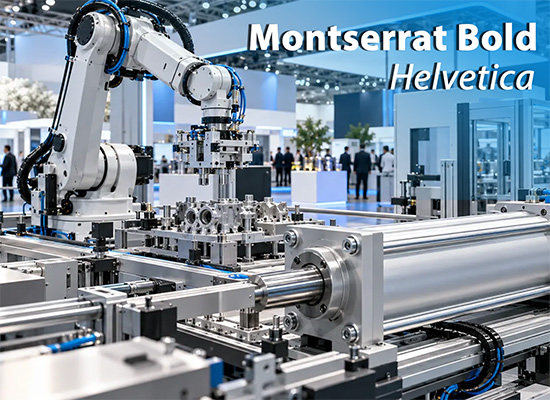 HANNOVER MESSE 2026: AI, Robotics and Automation
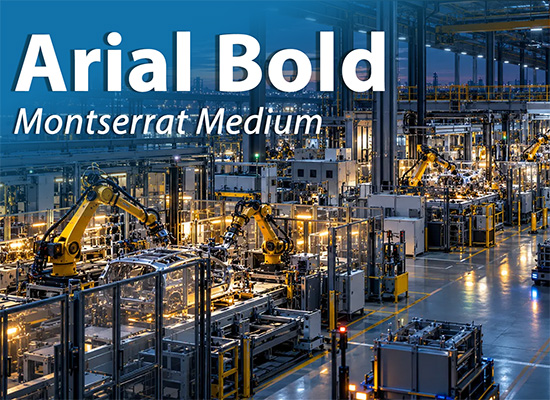 Top Five Global Robotics and Industrial Automation Trends for 2026

Whatsapp QR:

WeChat QR:

Tell us about your application requirements. Our engineers will review your project and provide practical feedback within 1–2 working days.

Fescolo is the specialized custom pneumatic cylinder brand operated by Ningbo Fokca Automation Co., Ltd.
Looking for standard pneumatic and automation components?
Visit Fokca
© 2026 Ningbo Fokca Automation Co., Ltd. All Rights Reserved. Sitemap