Nov 26, 2025
Speed control in pneumatic systems mainly refers to controlling the movement speed of the cylinder piston. Reasonable speed control has a direct impact on safety, stability, accuracy, service life, and energy consumption, and is a very important part of pneumatic system operation.
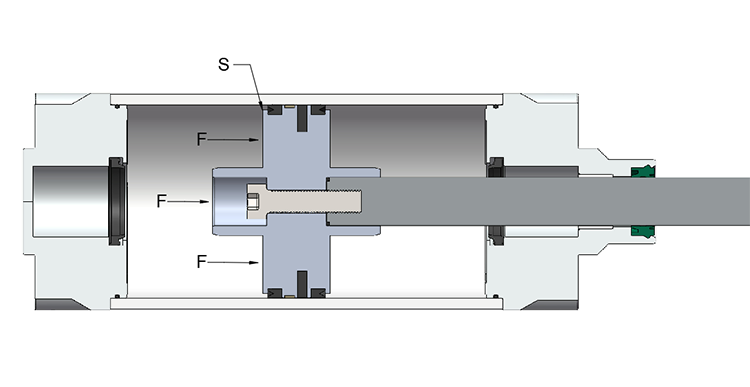
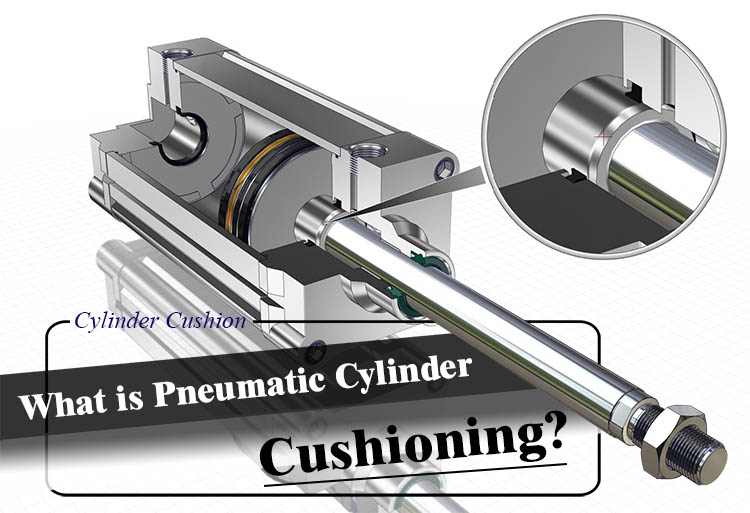
If the cylinder speed is too high, it will accelerate the wear of the cushioning device in the rear end cap of the cylinder. In addition, the piston rod is more likely to bend and wear, and the mounting brackets may loosen or even fracture.
Controlling the movement speed of the piston rod can effectively improve the accuracy and stability of its motion, while extending the service life of both the cylinder and the valve.
| System / Application Type | Characteristics | Common Speed Control Methods | Notes / Additional Information |
|---|---|---|---|
| General Pneumatic Systems (Low Speed, Light Load) | Light load, short stroke, low precision requirement | Meter-out flow control, one-way flow control valve | Simple and reliable, suitable for packaging machines, conveyors, etc. |
| High-Speed Pneumatic Systems | Fast motion, long stroke, high cycle time requirement | Quick exhaust valve + meter-out flow control, high-flow throttle, or proportional valve | Small throttle orifice may limit speed and increase impact |
| Precision Positioning / High Repeatability Systems | High end-position accuracy, strong motion stability requirement | Proportional valve control, cushioning device + meter-out flow control | Ensures smooth approach to end position, suitable for assembly, pressing, or clamping equipment |
| Heavy Load / Vertical Load Systems | Cylinder bears large load or moves vertically upward | Meter-out flow control + booster air, cushioning device | Pay attention to load effects on speed; can use reduction mechanisms or cushioning chambers |
| Low-Noise Requirement | Work environment requires low noise | Flow controllable + exhaust silencer | Reduces exhaust noise, meets factory noise standards |
| High or Low Temperature Environments | Extreme ambient temperature | Large-orifice throttle, anti-clogging material | Prevents throttle blockage or freezing |
| Clean Environments | Pharmaceutical, food, or high-cleanliness applications | Washable or centralized exhaust silencer | Avoids dust accumulation or contamination from standard sintered silencers |
The speed control of a pneumatic cylinder is achieved by adjusting the airflow into the cylinder through fundamental pneumatic components such as the solenoid valve orifice, piping diameter, and throttle valves, in order to regulate the movement speed of the piston rod. Proper control of the cylinder's operating speed ensures safe, smooth, precise, and efficient pneumatic operation. Reasonable speed control plays an important role in preventing high-speed impacts that could harm personnel or damage equipment, avoiding piston overshoot or rebound, ensuring motion accuracy, and reducing wear on seals, cushioning devices, and mounting components.
The speed of an air cylinder depends on airflow (valve size, tube diameter, throttle), cylinder bore and stroke, load weight and direction, and any end cushioning.
You can control cylinder speed using meter-in or meter-out flow control valves, proportional valves, proper tube sizing, and end cushions or shock absorbers.
Increasing air pressure doesn’t necessarily increase speed; pressure affects force, but speed is mainly determined by airflow.
(9016)
 Pneumatic Clamping Module Design in Packaging Machinery
 Pneumatic Fittings Replacement Cycle: How Often Should You Change Pneumatic Fittings
 Pneumatic Pusher Module Design in Pneumatic Packaging Machines
 Vacuum Filter and Response Time: Does Filtration Slow Down Vacuum Systems
 Metal Seated Pneumatic Ball Valve: When Is Metal Sealing Required?

Whatsapp QR:

WeChat QR:

Tell us about your application requirements. Our engineers will review your project and provide practical feedback within 1–2 working days.

Fescolo is the specialized custom pneumatic cylinder brand operated by Ningbo Fokca Automation Co., Ltd.
Looking for standard pneumatic and automation components?
Visit Fokca
© 2026 Ningbo Fokca Automation Co., Ltd. All Rights Reserved. Sitemap