Dec 04, 2025
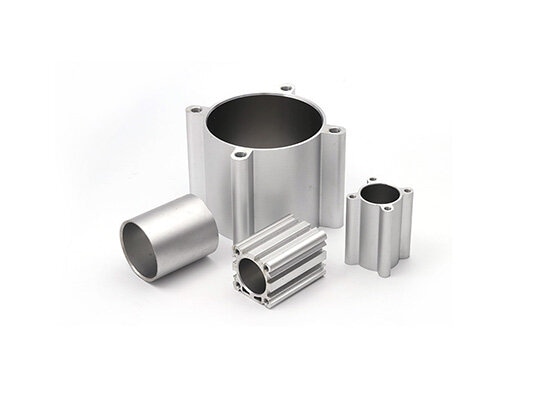
Aluminum alloys are widely used in industrial manufacturing, especially in the pneumatic industry, due to their lightweight, high strength, and corrosion resistance. As a core component of pneumatic systems, the cylinder barrel's performance directly affects the reliability and service life of the equipment. When manufacturing aluminum cylinder barrels, a crucial factor to consider is the material's yield strength.
The yield strength of aluminum alloys determines whether the aluminum alloy cylinder barrel will undergo permanent deformation under operating pressure. Once this critical stress is exceeded, the cylinder barrel may experience irreversible deformation, leading to cylinder failure. Therefore, a thorough understanding of the yield strength concept of aluminum alloy cylinder barrels, as well as their performance parameters, is essential.
The following are common and effective methods to improve the yield strength of aluminum alloys:
Different aluminum alloy series have vastly different yield strengths.
High-strength series: 2000, 6000, 7000 series
Low-strength series: 1000, 3000, 5000 series (soft state)
The most direct way to improve yield strength is to choose a higher strength alloy and a more robust heat treatment state (such as T6, T651).
Note: Increased strength may reduce corrosion resistance or weldability.
This involves improving the processing method and is suitable for heat-treatable alloys (2xxx/6xxx/7xxx series). Solution treatment → Quenching → Artificial aging
This increases yield strength by inhibiting dislocation movement through precipitates.
Advantages: Significantly improved strength
Note: Over-aging reduces strength but increases toughness
This improves strength through material selection. Adding alloying elements to the aluminum matrix forms a solid solution, increasing lattice distortion and hindering dislocation slip, thereby increasing yield strength.
It is usually used in conjunction with aging strengthening.
Another improvement in processing methods is that room-temperature plastic deformation such as cold rolling, stretching, and extrusion can increase dislocation density and improve yield strength.
Advantages: Simple and effective
Disadvantages: Reduces ductility and may generate residual stress
Fineer grains result in higher yield strength.
Maintaining grain size during the solidification or processing of metallic materials can achieve a strengthening effect. This is often accompanied by thermomechanical treatment, recrystallization, and grain refinement.
Through a combination of rolling and cold rolling, ultrafine-grained or even nanocrystalline structures can be obtained, significantly improving yield strength.
Features: Excellent results, but requires sophisticated equipment; suitable for research or high-end components.
After reprocessing, shot peening and laser peening can improve the local yield strength and fatigue strength of the material surface, suitable for parts subjected to cyclic loading.
Another method of improving material selection is to add ceramic particles or fibers (SiC, Al₂O₃, etc.) to aluminum to improve yield strength and rigidity.
Disadvantages: High cost, increased processing difficulty.
FESCOLO Pneumatic Aluminum Alloy Cylinder Materials Overview — Learn about the composition and treatment of aluminum alloys such as 6061, 6063, 2024, 5052, and 7075, and how alloy design and heat treatment can enhance yield strength.
(9016)
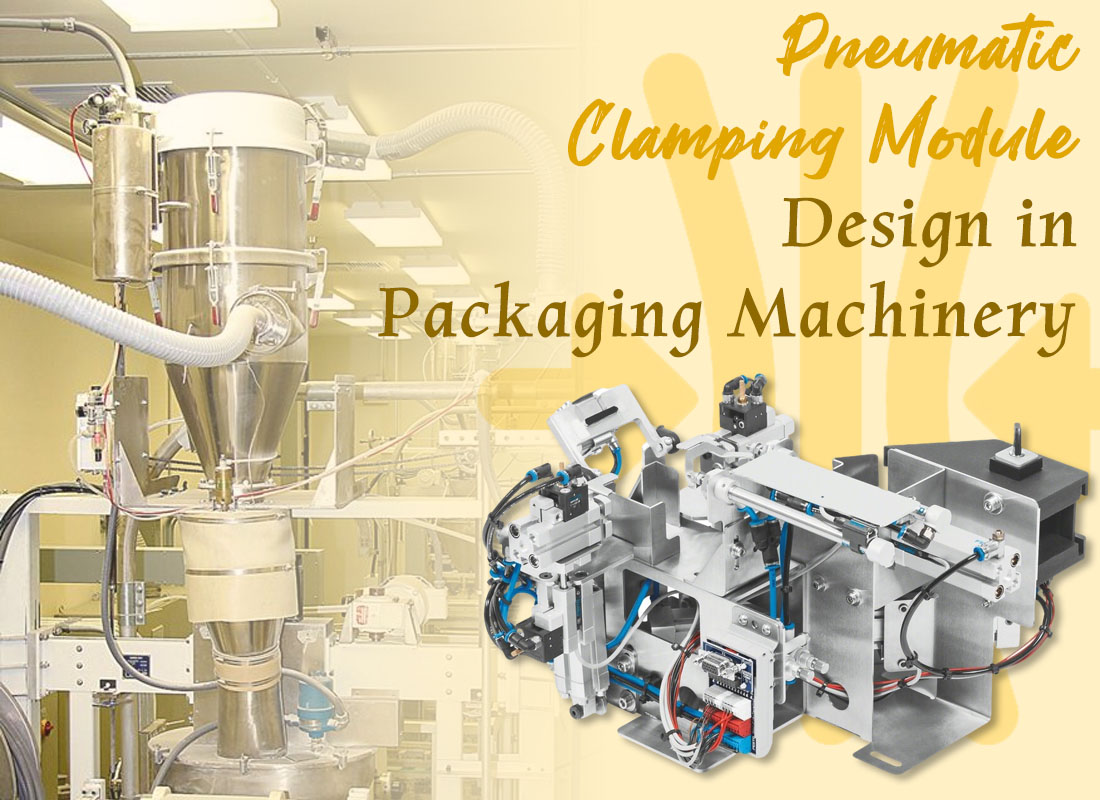 Pneumatic Clamping Module Design in Packaging Machinery
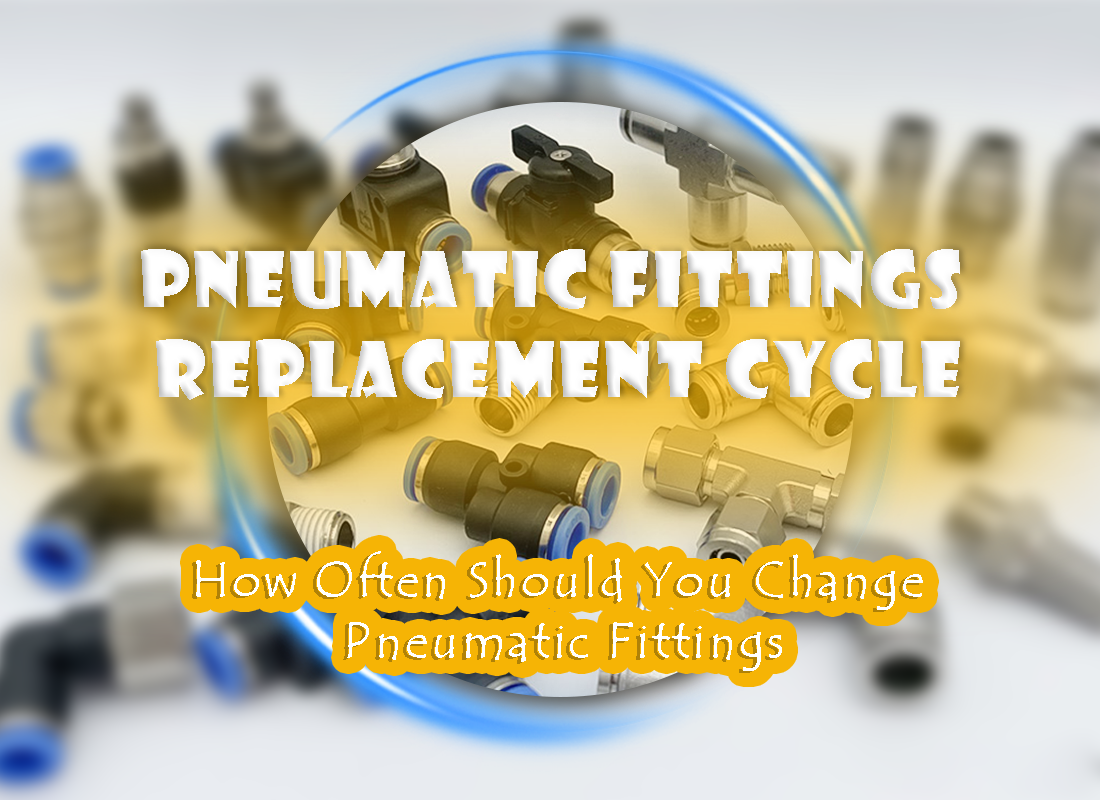 Pneumatic Fittings Replacement Cycle: How Often Should You Change Pneumatic Fittings
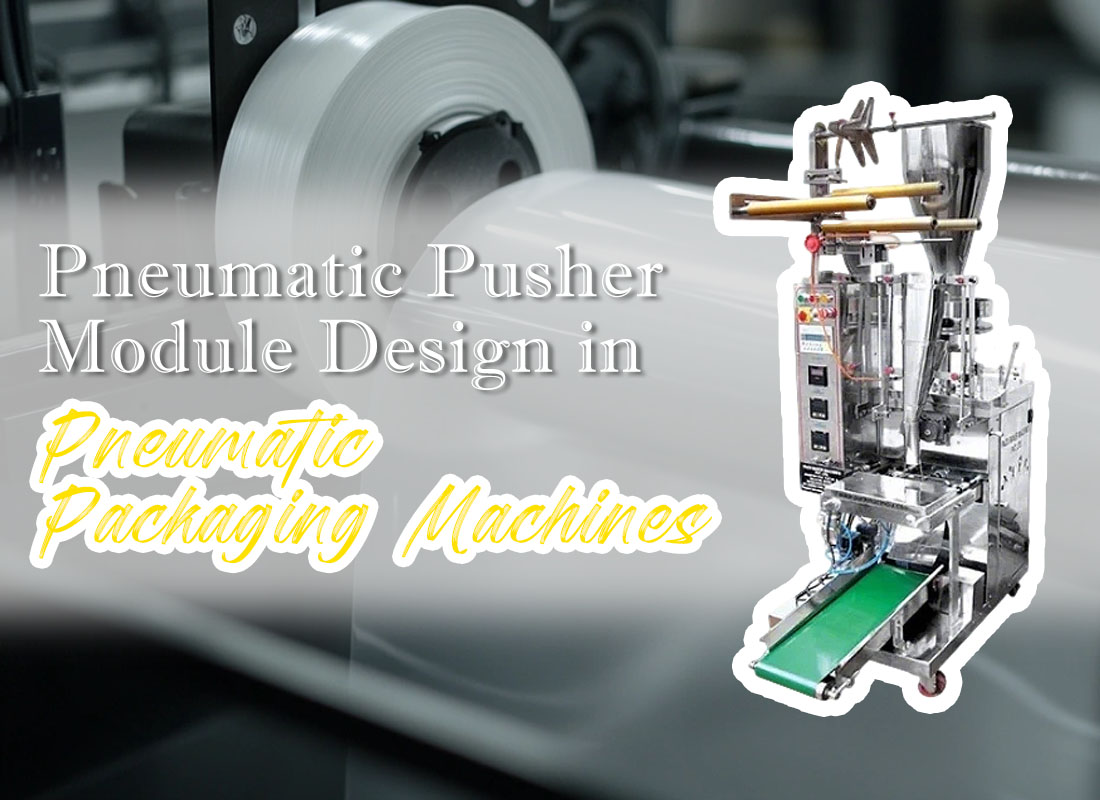 Pneumatic Pusher Module Design in Pneumatic Packaging Machines
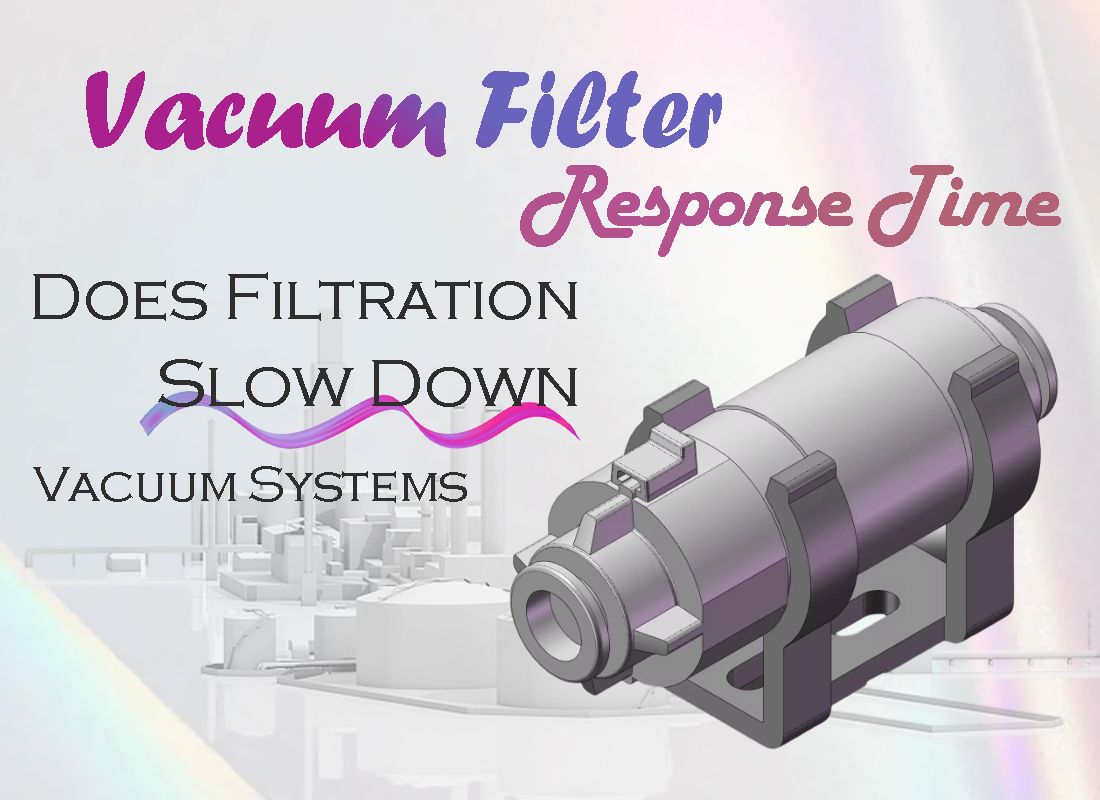 Vacuum Filter and Response Time: Does Filtration Slow Down Vacuum Systems
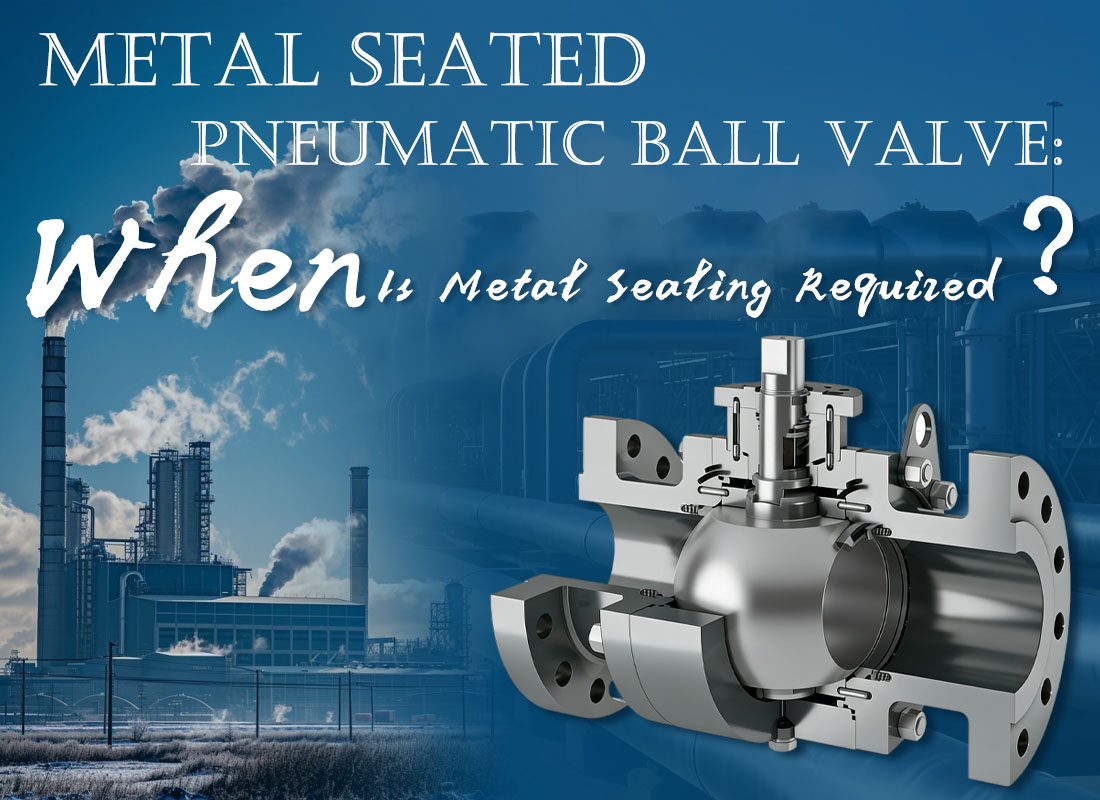 Metal Seated Pneumatic Ball Valve: When Is Metal Sealing Required?

Whatsapp QR:

WeChat QR:

Tell us about your application requirements. Our engineers will review your project and provide practical feedback within 1–2 working days.

Fescolo is the specialized custom pneumatic cylinder brand operated by Ningbo Fokca Automation Co., Ltd.
Looking for standard pneumatic and automation components?
Visit Fokca
© 2026 Ningbo Fokca Automation Co., Ltd. All Rights Reserved. Sitemap