Dec 01, 2025
The air directly from the compressor contains moisture, oil mist, dust, and exhibits unstable pressure and high temperature.
The FRL unit conditions the compressed air before it reaches pneumatic components such as valves and cylinders, ensuring that the air is clean, dry, at the correct and stable pressure, and lubricated (if required). This conditioning significantly enhances system reliability, operational efficiency, and component lifespan.
The FRL Unit, commonly known in Chinese as the "Pneumatic Triple Unit" and also referred to as air preparation equipment, serves as the core air treatment unit in pneumatic systems. It is installed after the air compressor and before the control valves and actuators. This FRL unit primarily includes a filter to remove liquid water, oil droplets, solid particles, and dust from the compressed air; a pressure regulator to reduce and stabilize the fluctuating upstream pressure to the level required by the equipment; and a lubricator that atomizes lubricating oil into extremely fine droplets and injects them into the air stream.
The operation of FRL unit generally consists of three stages:
The filter removes solid particles, liquid water, and oil mist from the compressed air.
Working Principle:
Air enters the filter cup and is forced into a swirling flow.
Centrifugal force throws heavier contaminants (water, large particles) against the cup wall, causing them to fall and collect.
The air then passes through the filter element (typically 5–40 microns), which traps even finer particles and aerosols.
The accumulated liquid is stored at the bottom of the transparent filter cup and can be discharged through the filter's built-in automatic drain valve.
The pressure regulating valve reduces and maintains a constant preset outlet pressure, unaffected by inlet pressure fluctuations or downstream air consumption.
The most common pneumatic system is the diaphragm/piston regulator:
The user rotates the adjustment knob to compress the spring and set the target pressure.
The spring force pushes the diaphragm/piston, opening the main valve core to allow high-pressure air to pass through.
Feedback Principle: The outlet pressure is fed back to the bottom of the diaphragm. The system is stable when the spring force (push-open) and the outlet pressure (push-close) are balanced.
If the outlet pressure drops (e.g., due to cylinder actuation), the spring force temporarily dominates, opening the valve to replenish air and restore pressure; conversely, the diaphragm pushes the valve closed.
Operators can adjust the output pressure based on the pressure gauge display.
The oil mist lubricator adds controllable fine oil mist to the airflow to lubricate downstream moving parts.
Working Principle:
The compressed airflow flowing through the venturi tube (contraction section) creates a local pressure drop.
The pressure difference draws lubricating oil from the reservoir through the suction pipe.
The siphoned oil is drawn into the high-speed airflow and atomized into micron-sized droplets.
The oil mist is delivered with the air to each component for lubrication, achieving a lubrication effect through full contact with all parts.
Installation Location: The FRL unit is immediately after the system's air compressor and reservoir, but before any control valves.
Typical Configuration: Typically, one main FRL unit serves the entire system. If the equipment has different pressure or lubrication requirements, separate filtration, pressure regulation and lubrication units can be installed in specific branches.
FRL units are essential air source processing devices in pneumatic systems. You can browse our website to see more pneumatic products. If you need ACUs in your system, you can contact us directly.
(9016)
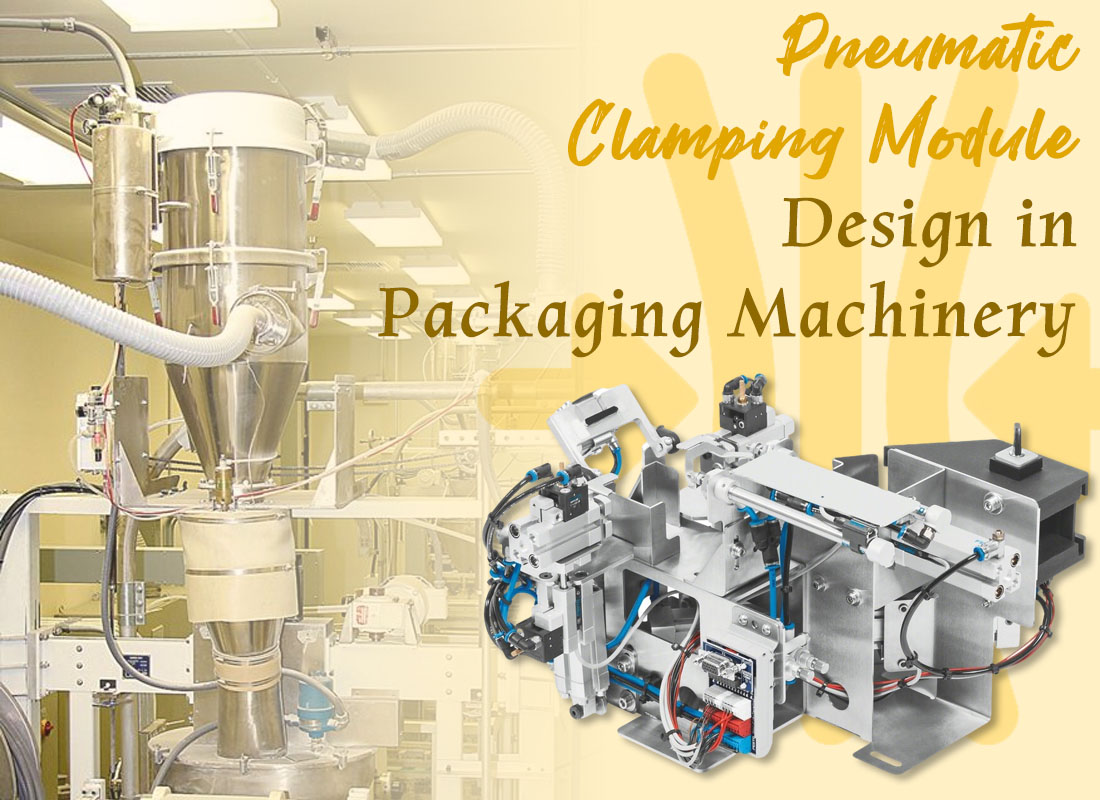 Pneumatic Clamping Module Design in Packaging Machinery
 Pneumatic Fittings Replacement Cycle: How Often Should You Change Pneumatic Fittings
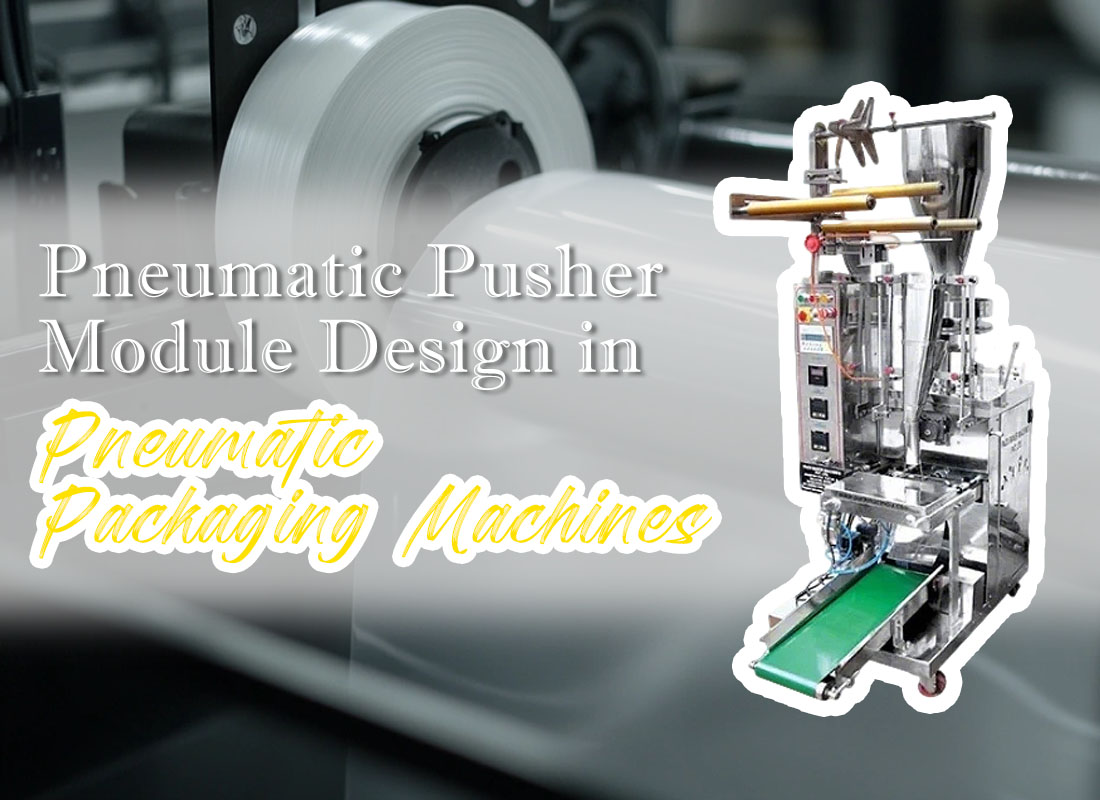 Pneumatic Pusher Module Design in Pneumatic Packaging Machines
 Vacuum Filter and Response Time: Does Filtration Slow Down Vacuum Systems
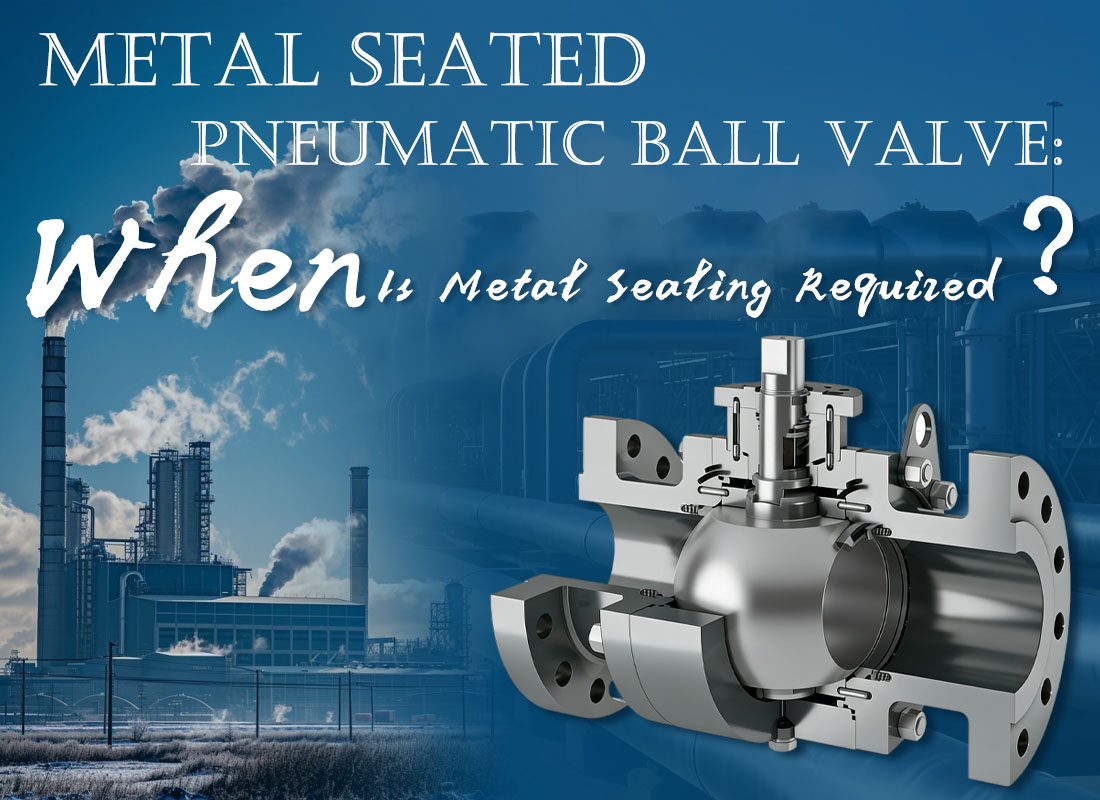 Metal Seated Pneumatic Ball Valve: When Is Metal Sealing Required?

Whatsapp QR:

WeChat QR:

Tell us about your application requirements. Our engineers will review your project and provide practical feedback within 1–2 working days.

Fescolo is the specialized custom pneumatic cylinder brand operated by Ningbo Fokca Automation Co., Ltd.
Looking for standard pneumatic and automation components?
Visit Fokca
© 2026 Ningbo Fokca Automation Co., Ltd. All Rights Reserved. Sitemap