Dec 19, 2025
The main components of a pneumatic system include an air compressor, valves, actuators, and cylinders. These components work together to convert compressed air into mechanical motion for industrial applications. Understanding these components is crucial for effective system design and operation. However, their use involves three phases: air source preparation, delivery, and execution.
Its main task is to generate, store, and process compressed air, providing a clean, stable, and compliant air source for the entire system. The components involved in this stage include air compressors, air tanks, and air handling units.
The control stage is the command and control center of the pneumatic system. Its main tasks are twofold: first, to control the direction, on/off status, and pressure of the airflow, as well as the system's logic and motion control; second, to act as a switch and sensor, improving the system's accuracy, reliability, and safety.
The control stage regulates airflow and pressure and collects status information through valves and sensors to achieve direction, sequence, and speed control of system actions. It is a crucial link in the intelligence and automation of pneumatic systems.
The Actuation Stage is the core functional stage of the pneumatic system. Its main task is to convert the compressed air energy provided in the previous stage into mechanical energy, and different types of actuators complete the actual pushing, pulling, rotating or clamping actions.
Compressed Air Storage Tank
Compressed air receivers are important auxiliary devices in pneumatic systems, used to store compressed air and stabilize system pressure, acting as a buffer and regulator between the air source and the air-consuming equipment.
Air treatment unit
Air preparation units (FRUs) purify, regulate, and lubricate compressed air, ensuring that the air quality entering the pneumatic system meets the operating requirements of various components. Their main components include filters, pressure reducing valves, and lubricators, which are typically combined into an FRL unit.
Control valves
Valves are key control components in pneumatic systems used to control the flow of compressed air. By adjusting the direction, pressure, and flow rate of airflow, they enable the system's logic and motion control, and serve to connect and transmit between the system and external PLC control mechanisms.
Actuators
An actuator is the core component in a pneumatic system that converts the pneumatic energy of compressed air into mechanical energy. It performs the actual working actions of the system and is the ultimate manifestation of the pneumatic system's function.
Different types of actuators can achieve different functions, including single-acting, double-acting, rotary, and rodless coupling types.
Air hoses and fittings are fluid transmission components in pneumatic systems used to connect various elements and deliver compressed air. They form the "vascular network" of the pneumatic system, playing a crucial role in its integrity and reliability. The main types of pneumatic hoses are PU, PA, PE, and PVC.
They are easy to install, flexible, and suitable for dynamic applications, while fittings ensure a high-sealing connection between the hoses and components.
Through reliable connections and stable compressed air delivery, air hoses and fittings guarantee the integrity, reliability, and long-term safe operation of the pneumatic system.
Auxiliary and functional components are important parts of a pneumatic system besides the air source, control valves, and actuators. They are mainly used to improve system performance, safety, and control flexibility, while also improving the working environment and extending equipment life. These include silencers, safety valves, and quick-release valves, making the pneumatic system safer, more stable, more efficient, and more intelligent in operation.
Pneumatic systems use compressed air as power, coordinating the work of air supply devices, control elements, and actuators to achieve mechanical motion and automated control. Pneumatic components are the fundamental units that constitute a pneumatic system and perform its various functions.
This manufacturer is a professional enterprise specializing in the research, development, production, and sales of pneumatic systems and components, and has long been committed to providing efficient and reliable pneumatic solutions for the industrial automation field.
Our products include a variety of pneumatic components, widely used in machinery manufacturing, automated production lines, electronics, packaging, food, automotive, and logistics industries. Please contact us directly if you have any needs.
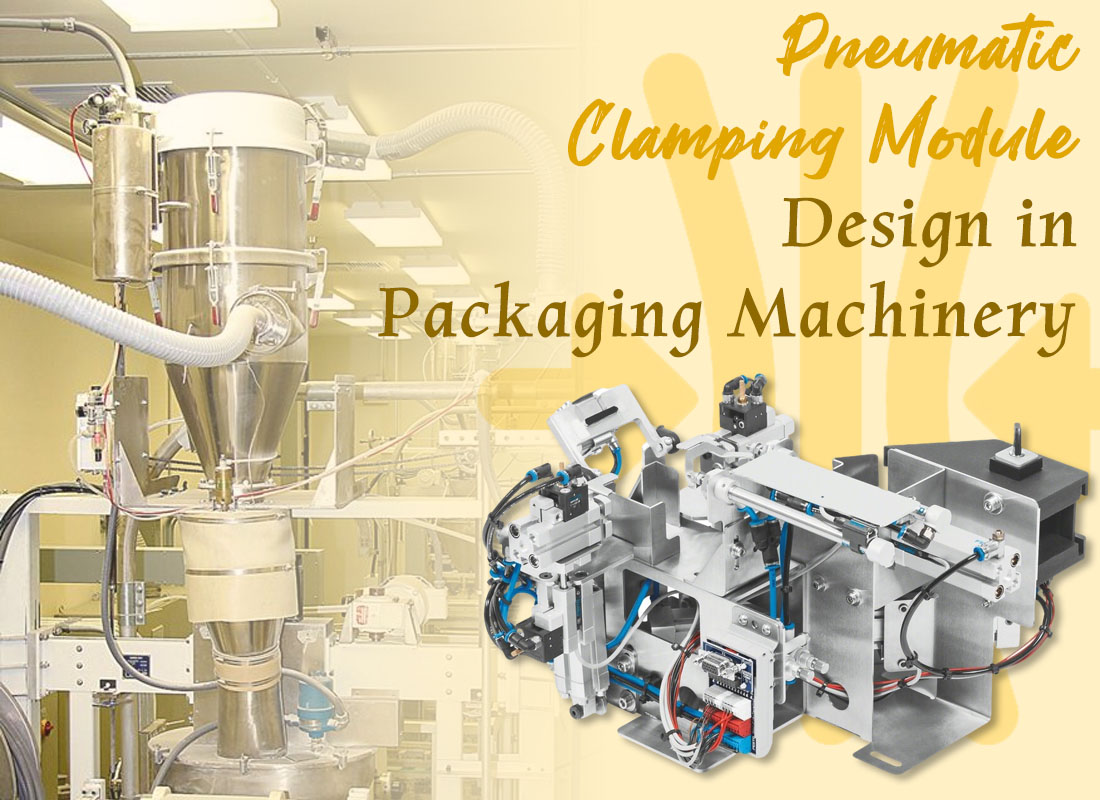 Pneumatic Clamping Module Design in Packaging Machinery
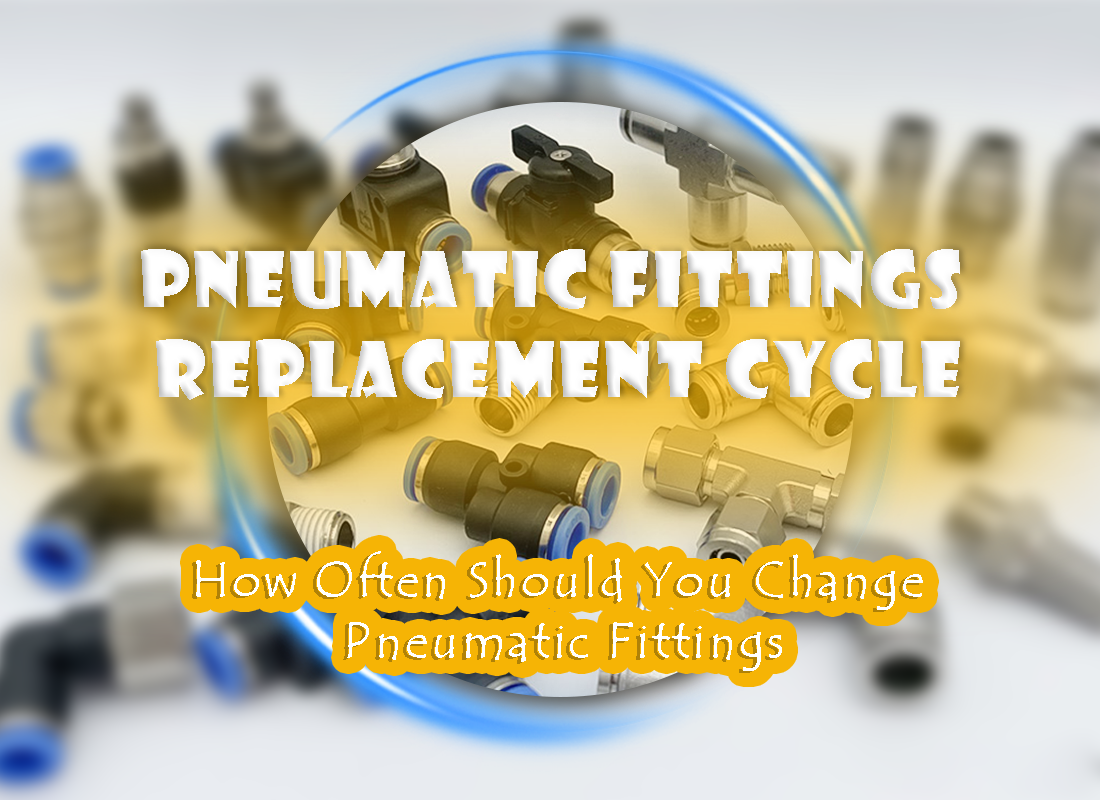 Pneumatic Fittings Replacement Cycle: How Often Should You Change Pneumatic Fittings
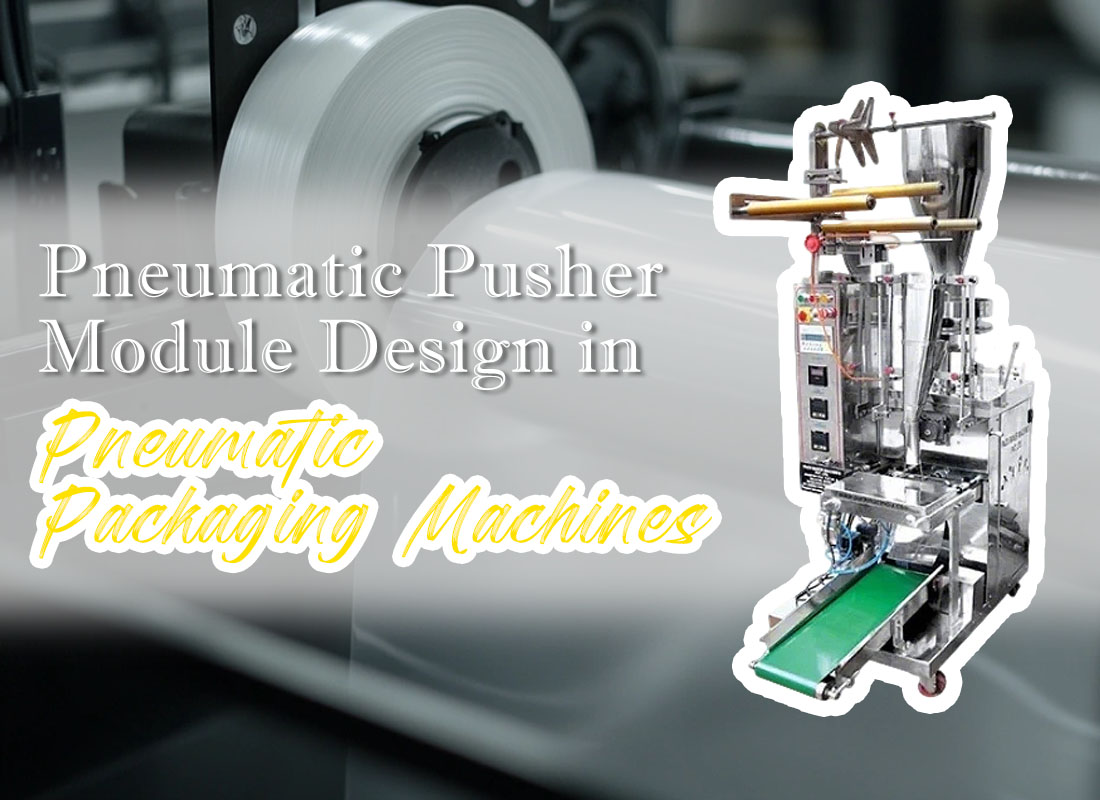 Pneumatic Pusher Module Design in Pneumatic Packaging Machines
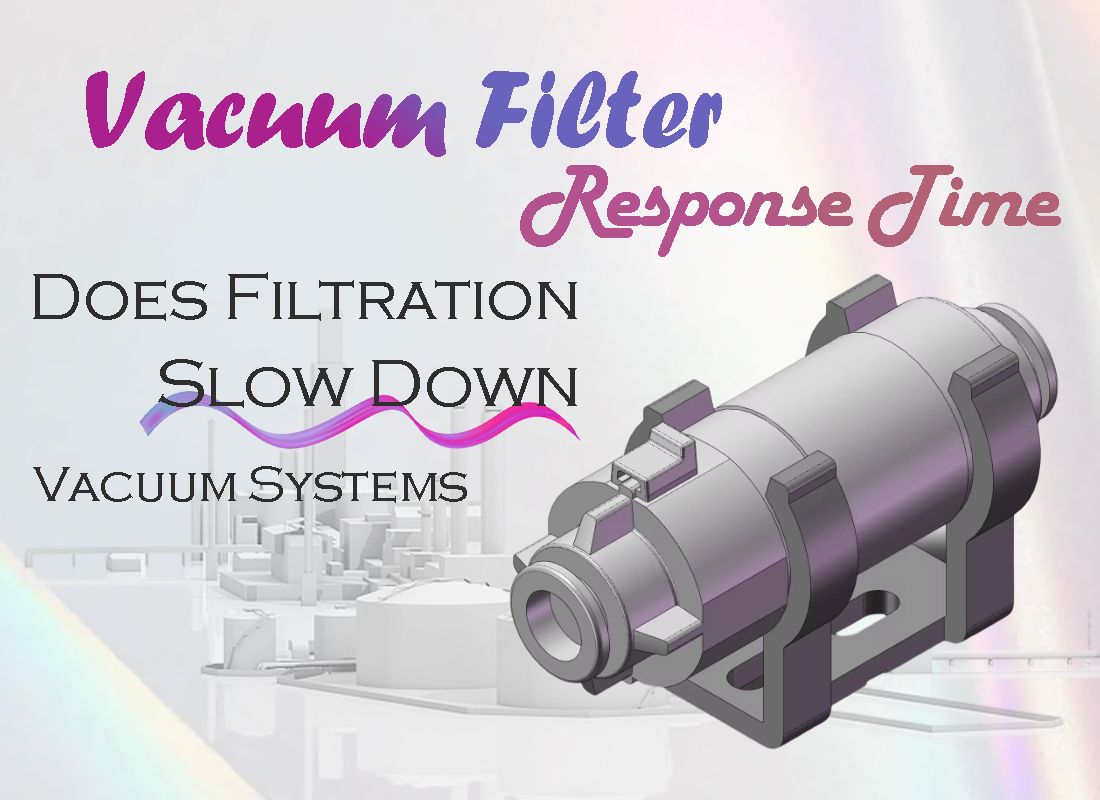 Vacuum Filter and Response Time: Does Filtration Slow Down Vacuum Systems
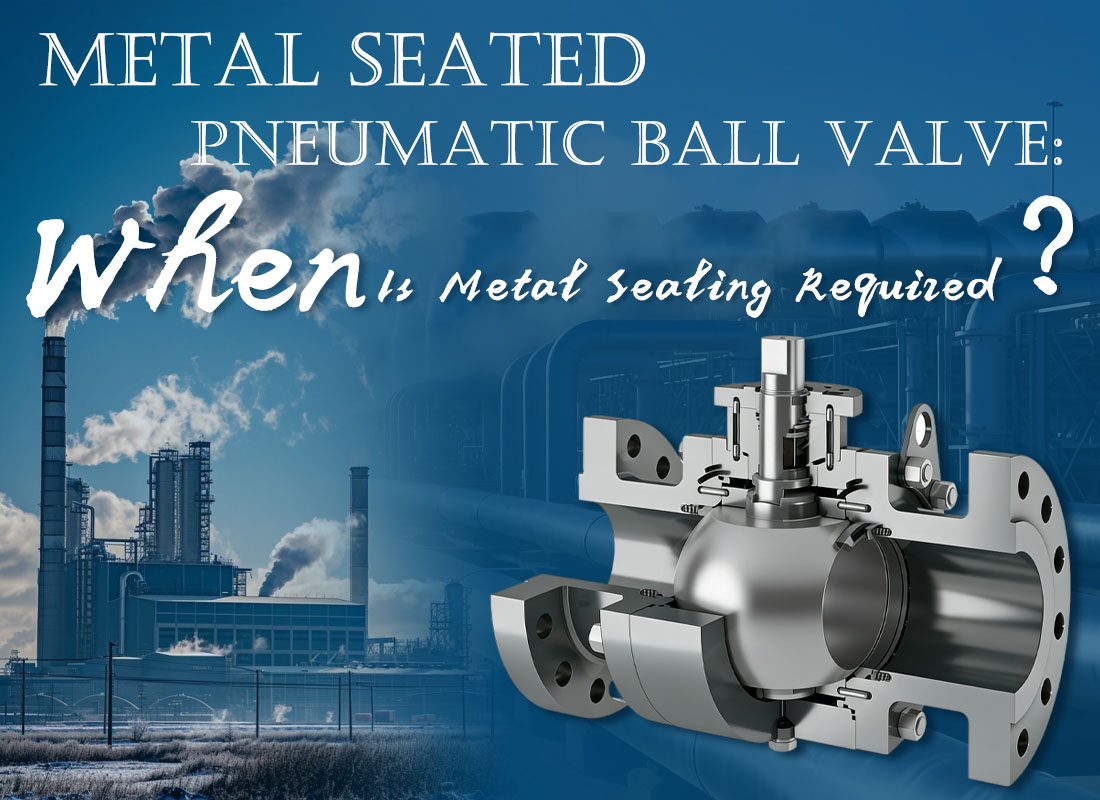 Metal Seated Pneumatic Ball Valve: When Is Metal Sealing Required?

Whatsapp QR:

WeChat QR:

Tell us about your application requirements. Our engineers will review your project and provide practical feedback within 1–2 working days.

Fescolo is the specialized custom pneumatic cylinder brand operated by Ningbo Fokca Automation Co., Ltd.
Looking for standard pneumatic and automation components?
Visit Fokca
© 2026 Ningbo Fokca Automation Co., Ltd. All Rights Reserved. Sitemap