Dec 18, 2025
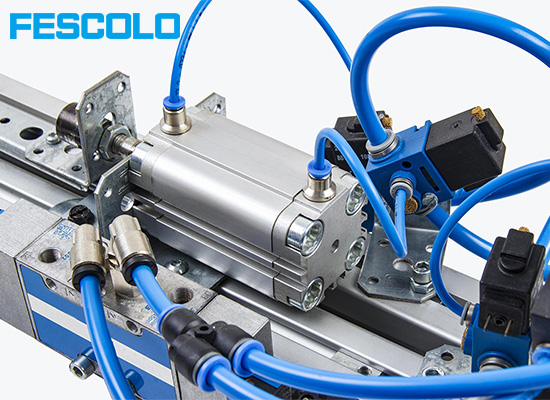
A pneumatic system is a system that uses compressed air to transmit and control energy in order to perform mechanical work, such as moving actuators, operating tools, or controlling machinery.
A pneumatic system is composed of various pneumatic components. Its working principle is that compressed air flows under pressure and, through control valves, enters the actuators, causing cylinders to extend or retract, thereby accomplishing actions such as pushing, clamping, and moving. With a simple structure, low cost, and fast response, pneumatic systems are widely used in industrial automation production lines, robots, and medical equipment industries.
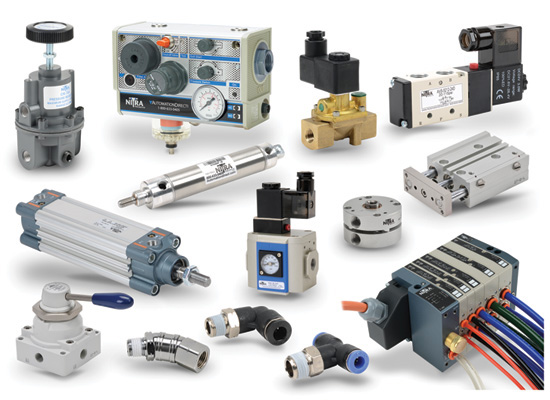
Compressor
Generates and supplies compressed air as the power source of the pneumatic system.
Air Treatment Units
Clean, regulate, and lubricate the compressed air to ensure stable and reliable operation.
Air Tubing and Fittings
Pneumatic tubing transports and connect compressed air between components to form a complete system.
Valves
Control the direction, on/off state, pressure, and flow rate of compressed air.
Actuators
Convert compressed air energy into mechanical motion, such as linear or rotary movement.
Auxiliary components
Provide protection, monitoring, noise reduction, and safety to improve system reliability.
Functional components
Perform specific functions such as logic control, signal processing, or pressure regulation.
Air Supply Stage
Compressed air is generated by a compressor and stored in a reservoir.Filters and regulators clean and control the air pressure to make it suitable for the system.
Control Stage
Valves and switches direct the flow of compressed air to different parts of the system.This stage determines when and where the air goes, controlling actuators and movements.
Actuation Stage
Compressed air enters cylinders or motors.The air pressure pushes the piston or rotates the motor, producing mechanical motion to do work.
Air tubing and fittings run through all stages of the pneumatic system, playing a crucial role in air transmission, component connection, and overall system integrity.
Simple and Reliable
Fewer moving parts make the system easy to maintain.
Safe
Uses air, which is non-flammable and reduces fire hazards.
Fast and Responsive
Can operate quickly and handle high-speed applications.
Clean Operation
Compressed air doesn’t contaminate the environment, making it suitable for food and medical industries.
Cost-Effective
Components are generally inexpensive and widely available.
Adjustable Force and Speed
Pressure and flow can be easily controlled for different applications.
Durable in Harsh Conditions
Pneumatic systems are durable in harsh conditions because they use air as a safe, clean medium and feature simple, robust, corrosion-resistant components that withstand extreme environments.
Highly adaptable
Air tubes made of different materials and types can be used in high-pressure, low-temperature, high-temperature, corrosive, or clean environments, enabling pneumatic systems to operate reliably under a wide range of complex conditions.
Fokca is an automatic component manufacturer with a product range that includes various pneumatic components, such as cylinders, pneumatic hoses and fittings, and different types of valves. You can browse our website or contact us directly.
(FK9016)
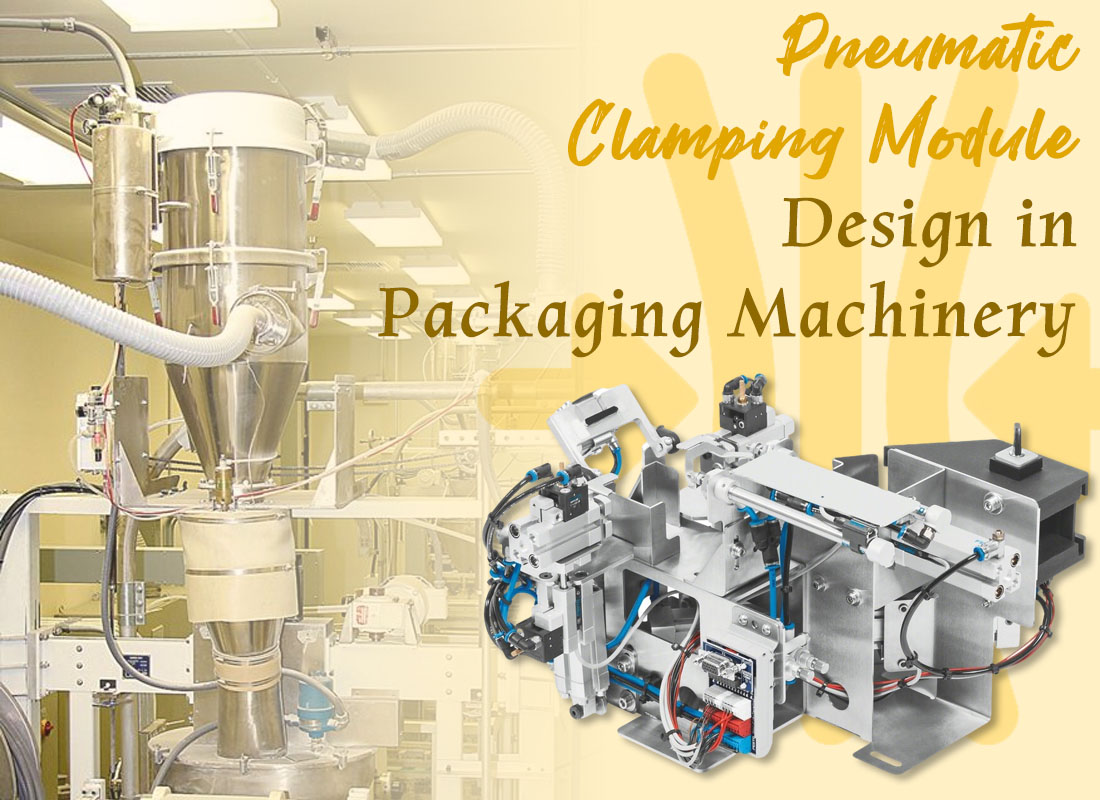 Pneumatic Clamping Module Design in Packaging Machinery
 Pneumatic Fittings Replacement Cycle: How Often Should You Change Pneumatic Fittings
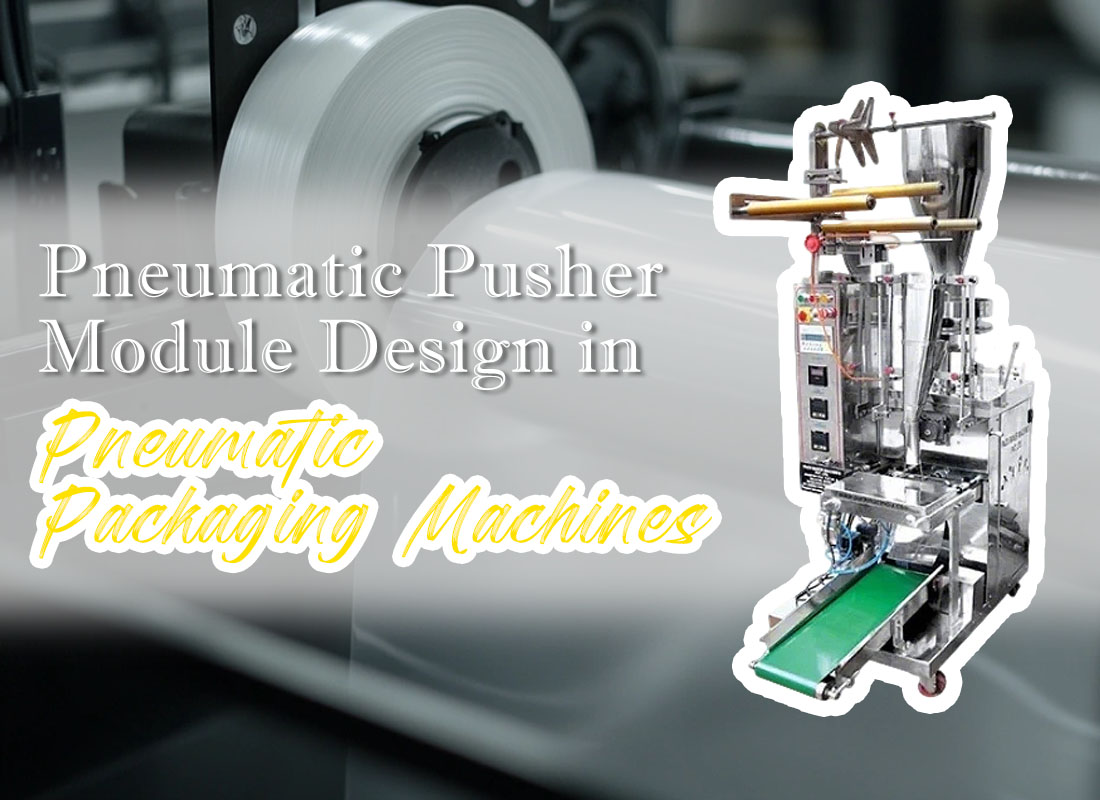 Pneumatic Pusher Module Design in Pneumatic Packaging Machines
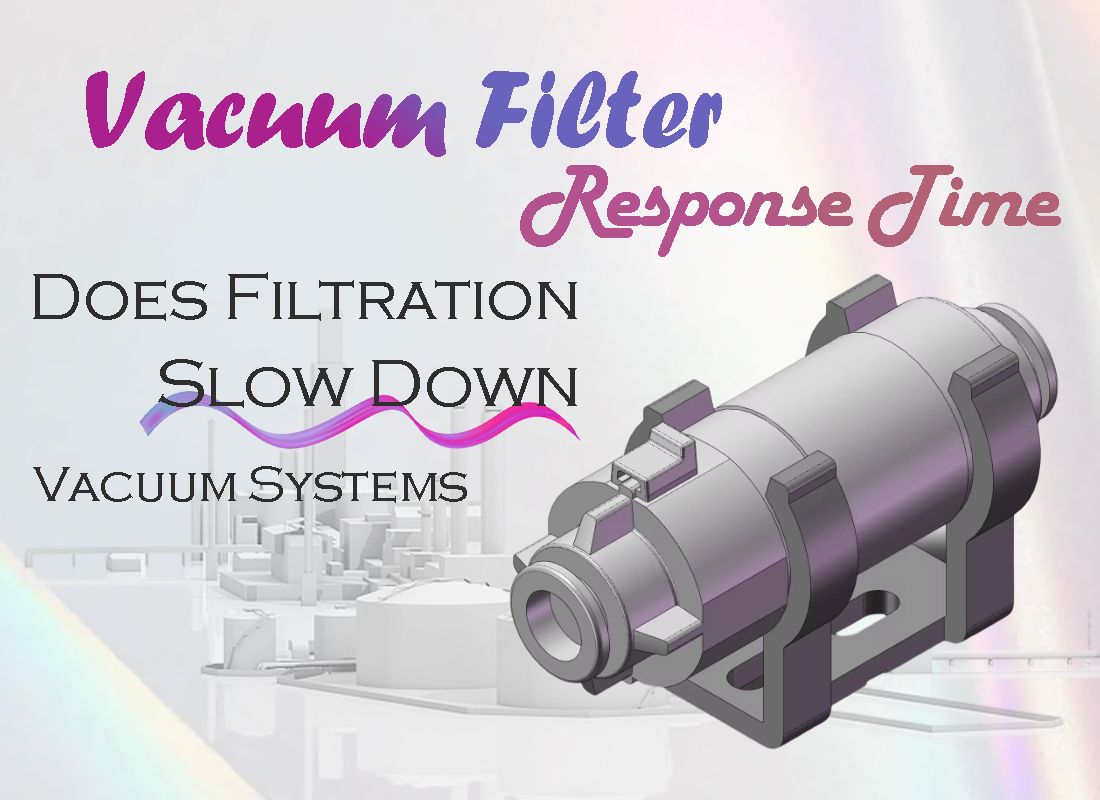 Vacuum Filter and Response Time: Does Filtration Slow Down Vacuum Systems
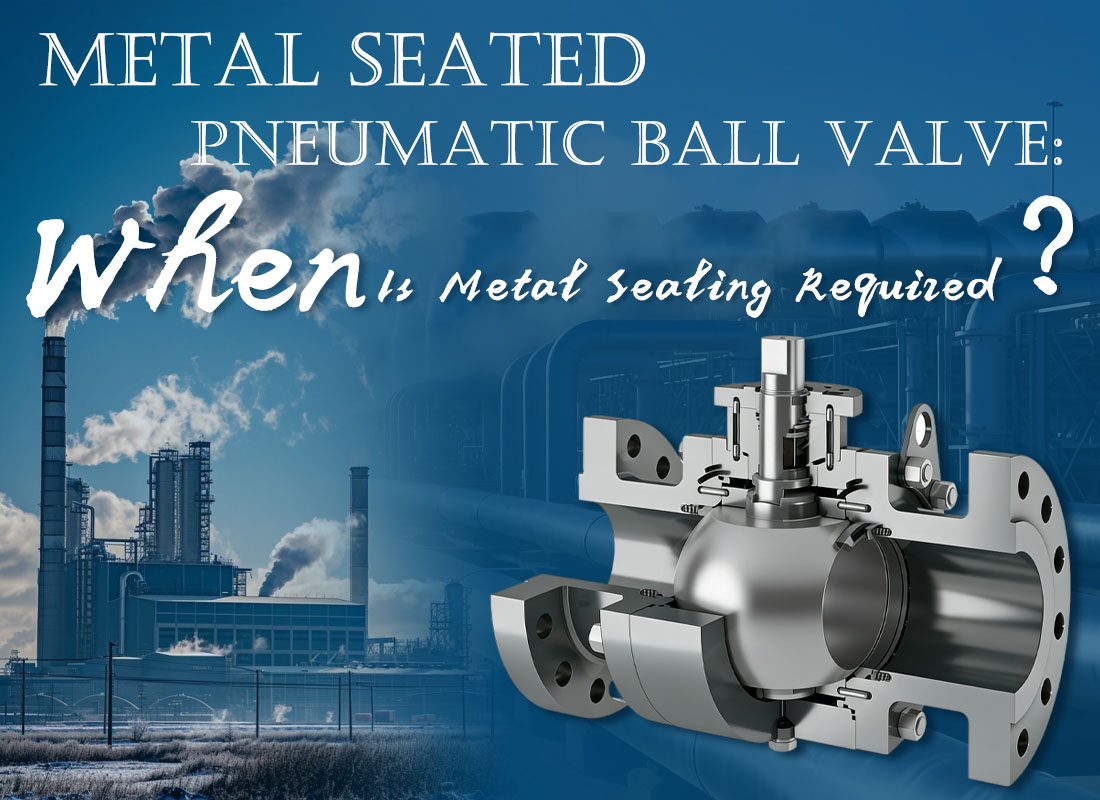 Metal Seated Pneumatic Ball Valve: When Is Metal Sealing Required?

Whatsapp QR:

WeChat QR:

Tell us about your application requirements. Our engineers will review your project and provide practical feedback within 1–2 working days.

Fescolo is the specialized custom pneumatic cylinder brand operated by Ningbo Fokca Automation Co., Ltd.
Looking for standard pneumatic and automation components?
Visit Fokca
© 2026 Ningbo Fokca Automation Co., Ltd. All Rights Reserved. Sitemap